Seven historic buildings tell the fascinating story of Clermont's pioneers (and it's totally free!)
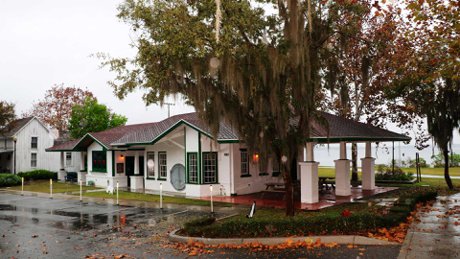 Here's something that surprises most people about Clermont: this rapidly growing Lake County city hasn't forgotten where it came from. Right in the heart of Historic Downtown Clermont, perched on a beautiful spot overlooking Lake Minneola, sits a genuine treasure – the Clermont Historic Village Museum.
This isn't your typical stuffy museum with roped-off exhibits you can't touch. We're talking about an actual village of seven historic buildings that you can walk through, where knowledgeable volunteer docents share stories that'll make you feel like you've traveled back 125 years. Best part? It's completely free (though a small donation helps keep history alive). Let's explore why this hidden gem should be on every Clermont resident's must-visit list!
What Is the Clermont Historic Village Museum?
The Clermont Historic Village Museum is a cooperative project between the South Lake County Historical Society and the City of Clermont that preserves and shares the history of the area's pioneering families. Founded in 1998, the village brings together seven historic structures – some in their original locations, others carefully moved to preserve them – creating a snapshot of life in Central Florida from the late 1800s through World War II.
Located at 490 West Ave (at the corner of West Avenue and Osceola Street), the Historic Village sits right next to Clermont Waterfront Park on Lake Minneola. This means you can easily combine a dose of history with a lakefront picnic, a walk along the scenic waterfront, or a meal at one of the great restaurants in downtown Clermont. Talk about a perfect afternoon!
The museum officially opened to the public around 2005, and since then, it's welcomed thousands of visitors annually – not just locals, but people from 35+ states and countries including Germany, Scotland, Brazil, Israel, and beyond. That's pretty impressive for a small volunteer-run operation in Central Florida!

The Seven Buildings: A Walk Through Time
Each building in the Historic Village tells a unique story about Clermont's past. Here's what you'll discover on your visit:
1. The Townsend House – Clermont's Oldest Home
This is the crown jewel of the Historic Village, and for good reason. Built around 1895 from local bald cypress and yellow pine, the Townsend House was home to James and Sallie Townsend – Clermont's first African-American residents who arrived from Georgia in 1887.
Here's what makes their story so remarkable: in an era of intense segregation, the Townsends became respected pillars of the entire community. James established the first school for Black children in Clermont, founded St. Mark AME Church (which still has an active congregation today), and ran a general store. Sallie – affectionately known throughout town as "Aunt Sallie" – was a midwife who delivered approximately 1,000 babies, both Black and white. In 1941, she opened a prenatal center to ensure expectant mothers of color received quality care.
The house originally sat on what's now Highway 50, facing Highland Avenue with Crystal Lake behind it. When development threatened the structure, community members – including local business leaders – paid to have it moved to the Historic Village in 2002. It opened for public tours in 2005, and walking through its rooms today feels like stepping into a time capsule. The vertical board construction (typical of Florida "Cracker" architecture) and period furnishings give you a genuine sense of late 19th-century life in Central Florida.
2. The Kern House – A Yankee Home in Florida
Built around 1885 on Montrose Street, the Kern House represents a completely different architectural style and story. Alexander and Eleonora Kern moved to Central Florida from New Jersey with their two children, bringing New England building traditions with them. The house features traditional Northern construction – quite a contrast to the Townsend House!
Mr. Kern was an innovative guy for his time. He built a water tank in his backyard and hand-pumped water from Crystal Lake to supply running water to his home – pretty fancy for 1880s Florida! Years later, he became one of the signers when Clermont was officially incorporated as a city.
The Kern House was moved to the Historic Village in 2008. Today, docents love pointing out the differences between the Kern and Townsend houses, explaining how Clermont's foundation was built by people "from all over with different interests and different financial situations." It's a beautiful lesson in diversity and community building.
3. The Train Depot – Russian Architecture in Florida
This is one of the coolest buildings in the village because it's still sitting in its original spot! Built around 1925, Clermont's Train Depot features distinctive Russian architectural details – and there's a great story behind that.
The building was constructed for Peter Demens, a Russian immigrant who also owned a sawmill in Longwood. His cultural heritage shows in the architectural flourishes that make this depot stand out from typical Florida train stations of the era.
The depot has been refurbished and updated over the years to include restrooms, a small concession area, a picnic area, and a meeting room. It now serves as the main office for the Historic Village, but you can still see the original structure and imagine what it was like when trains regularly stopped in Clermont, bringing citrus growers, tourists, and new residents to this growing community.
4. The Quonset Hut – A WWII Time Capsule
Speaking of original locations – the Quonset Hut is the real deal. Built on-site by the U.S. Military in 1943 during World War II, this distinctive metal arched structure is exactly where it's always been.
Today it houses a fascinating WWII museum with displays, artifacts, and information about the war era. For history buffs or anyone interested in this pivotal period, the Quonset Hut offers a tangible connection to a time when even small Florida towns like Clermont contributed to the war effort.
The museum includes exhibits on everything from military equipment to home-front life, and occasionally, you'll even get lucky and meet a WWII veteran volunteer who can share firsthand stories. Those encounters are priceless.
5. Herring Hooks Schoolhouse – One-Room Education
Added to the village in 2013, this replica of a one-room schoolhouse gives visitors – especially kids – a glimpse of what education looked like in pioneer-era Florida. The original Herring Hooks building was constructed in 1881 as a hunting lodge before being converted to a schoolhouse.
Step inside and you'll see the simple wooden desks, the teacher's desk at the front, and educational materials from the era. It's a far cry from today's technology-filled classrooms at East Ridge High School or other modern Clermont schools! Volunteer docents often dress in period clothing and assume the role of a stern schoolmarm, which kids find both entertaining and educational.
6. Cooper Memorial Library
This charming structure pays tribute to Clermont's early efforts to bring culture and education to the community. At the first library organizational meeting in 1906, Mrs. Payson Pierce offered her home on Montrose Street for regular meetings and to house the growing book collection.
The building at the Historic Village showcases how important literacy and learning were to early Clermont residents, even in an era when just surviving in Florida's wilderness was challenging enough. Inside, you'll find period books, reading materials, and exhibits about the evolution of education and literacy in the area.
Fun fact: The Historic Village recently became a location point for the Little Free Library program – a modern take on book-sharing that encourages reading throughout the community. So bring a book to trade when you visit!
7. The Outhouse – Yes, Really!
Situated between the Townsend and Kern houses, this authentic replica of a "one seater" outhouse might seem like a quirky addition, but it's actually quite educational! Built as an Eagle Scout project by Jamaal Anderson Reid, with all materials donated and additional funds raised, it gives visitors (especially younger ones) a very real sense of what daily life was like before modern plumbing.
Let's just say it makes you appreciate modern conveniences in a whole new way. The kids always get a kick out of it, and honestly, it's a conversation starter that makes history feel more relatable and less abstract.
The People Who Make It Special
Here's something that sets the Clermont Historic Village apart from larger, more institutional museums: it's entirely run by passionate volunteers who genuinely love sharing Clermont's history. These aren't just people reading from scripts – they're local residents who have deep connections to the community and its stories.
Current docents include former teachers, firefighters (including a former Winter Garden Fire Chief!), journalists, and longtime Clermont residents. Many have fascinating backgrounds themselves and can connect historical events to present-day Clermont in ways that make the past feel alive and relevant.
During your visit, you might meet Jim Briggs, the Historical Society president who ran a fire museum and volunteered with numerous nonprofits, or Devon "Pete" Cole, a native Floridian whose family relocated to Clermont when he was three and who attended the segregated Lincoln Park High School. These personal connections to history make the tours incredibly rich and engaging.
The docents are genuinely excited to answer questions, share details that aren't in the displays, and help you understand how Clermont evolved from a tiny citrus town to the thriving community it is today. They can even tell you fun facts like how the Margaree Gardens neighborhood used to be a tomato farm!
Why Clermont Residents Should Care
For Families and Kids
If you have children, the Historic Village is an absolute gem. Unlike many museums where kids are told "don't touch," here they can get a real sense of history. They'll see how people lived without electricity, learn about one-room schools, marvel at vintage kitchen gadgets, and probably ask a million questions about outhouses.
The volunteer docents are wonderful with children and know how to make history engaging for all ages. Many local schools bring classes for field trips, and families often combine a visit with time at the adjacent Waterfront Park, making it a full afternoon of education and recreation.
Plus, it's FREE. In an era when a family outing can easily cost $100+, having a quality educational experience that doesn't require admission fees is genuinely special.
For New Residents
One of the most common comments from visitors is "I wish I'd come here when I first moved to Clermont!" Understanding the history of your community creates a deeper connection to place. You'll drive past streets and buildings with new appreciation, understanding the stories behind them.
Whether you've just moved to Bella Lago, Kings Ridge, or any of Clermont's other wonderful neighborhoods, visiting the Historic Village helps you understand what makes this city special beyond just the rolling hills and beautiful lakes.
For History Buffs
If you love history, this place is catnip. The attention to detail in the home restorations, the authentic artifacts (including working phonographs and period household items), and the depth of knowledge the docents possess make this a genuinely enriching experience.
You can easily spend an hour or more exploring the buildings, reading the information plaques, examining the artifacts, and asking questions. And because it's a smaller, more intimate setting than massive museums, you can actually take your time and absorb the stories without feeling rushed by crowds.
Understanding Clermont's Diversity and Inclusivity
One of the most powerful aspects of the Historic Village is how it honestly addresses Clermont's diverse history. The Townsend House doesn't shy away from the realities of racial segregation while celebrating the achievements of Clermont's first Black family and the respect they earned from the broader community.
These stories of different cultures, backgrounds, and economic situations coming together to build a community are especially relevant today as Clermont continues to grow and diversify. Understanding where we've been helps us appreciate where we're going.
Practical Information for Your Visit
Hours and Admission
The Clermont Historic Village Museum is open:
- Saturday and Sunday: 1:00 PM - 4:00 PM
- Friday: 1:00 PM - 3:00 PM (some seasonal variation)
- Private tours: Available by appointment – call 352-432-3496
Admission is FREE! A suggested donation of $5 per person over age 12 helps with insurance, maintenance, and special events, but there's no required fee. All buildings are handicapped accessible.
Location and Parking
Address: 490 West Ave, Clermont, FL 34711 (corner of West Avenue and Osceola Street)
Free parking is available on-site and in the surrounding downtown area (over 1,000 free public parking spaces throughout downtown Clermont). The location is super convenient – right in the heart of historic downtown, next to the waterfront.
How Long Should You Plan?
Most visitors spend 45 minutes to 1.5 hours exploring the village, depending on how deep you want to dive into the history. If you're bringing kids who love asking questions or you're particularly interested in history, plan for the longer end of that range.
What to Bring
- Camera – the buildings and setting are quite photogenic
- Book to trade at the Little Free Library
- Donation if you're able (helps keep this treasure open)
- Picnic lunch if you plan to eat at Waterfront Park afterward
Making a Day of It in Historic Downtown
The beauty of the Historic Village's location is how easily it combines with other downtown Clermont activities. Here's how to maximize your visit:
Morning/Afternoon Plan
- Start with brunch at one of the excellent restaurants in Historic Downtown Clermont
- Visit the Historic Village (1-4 PM)
- Walk over to Waterfront Park for lakeside relaxation
- Grab ice cream or frozen yogurt at nearby shops
- Browse the boutiques and shops along the downtown streets
Combine with Other Attractions
The Historic Village pairs well with other things to do in Clermont like visiting the Florida Citrus Tower, exploring Clermont's parks, or checking out Lakeridge Winery & Vineyards. You can easily create a full day of Clermont exploration!
Special Events
The Historic Village occasionally hosts special events, including:
- Heritage Day Festival (typically in November)
- Educational programs for school groups
- Historical reenactments and demonstrations
- Seasonal celebrations and themed tours
Check their website or call ahead if you're interested in timing your visit with a special event.
The Bigger Picture: Clermont's Commitment to History
The Historic Village Museum is part of Clermont's broader commitment to preserving its heritage while growing as a modern city. Unlike many rapidly developing Florida communities that bulldoze their past, Clermont has made conscious efforts to honor its history.
This respect for the past extends beyond the museum. Downtown Clermont has undergone a revitalization that maintains historic character while adding modern amenities. The city's motto – "Choice of Champions" – references both the athletes who train on Clermont's famous hills AND the pioneering spirit of families like the Townsends and Kerns who chose to build their lives here.
For residents exploring the arts and culture scene in Clermont, the Historic Village complements venues like the Clermont Performing Arts Center and Clermont Arts & Recreation Center, showing how the city values cultural enrichment alongside growth.
Volunteer and Support Opportunities
If you fall in love with the Historic Village (and you probably will), consider getting involved! The South Lake County Historical Society always welcomes volunteers to serve as docents, help with special events, assist with building maintenance, or support fundraising efforts.
Volunteering here is particularly rewarding because you get to directly share Clermont's story with visitors from around the world. The time commitment is flexible – many volunteers work just a few hours a month – and the training provided by experienced docents means you don't need to be a history expert to start.
Donations, whether monetary or in-kind, help keep the buildings maintained, the gardens beautiful, and the doors open every weekend. Every contribution supports the mission to preserve, maintain, and share the history of South Lake County's pioneering families.
The Bottom Line
The Clermont Historic Village Museum is one of those rare attractions that's simultaneously educational, entertaining, genuinely free, and deeply meaningful. It's a place where you can touch history (literally – you can walk through these homes!), learn fascinating stories about real people who shaped your community, and gain a deeper appreciation for where you live.
In an age of digital everything and instant entertainment, there's something wonderfully grounding about standing in a 125-year-old home, looking at the same Crystal Lake views its original residents saw, and connecting with the past in a tangible way.
Whether you're a longtime Clermont resident who's somehow never visited (fix that!), a new resident wanting to understand your community, a family looking for an educational outing that won't break the bank, or a history enthusiast seeking authentic pioneer-era experiences, the Historic Village delivers.
The volunteer docents, the beautifully preserved buildings, the inspiring stories of diverse pioneers who built Clermont from scratch, and the gorgeous waterfront setting combine to create something truly special. It's a reminder that Clermont isn't just about the hills, the lakes, or the modern development – it's about the rich tapestry of people and stories that made it the wonderful place it is today.
So grab the family, pack a picnic, and spend a Sunday afternoon stepping back in time. You'll leave with a fuller understanding of Clermont's past and a deeper appreciation for your present. And that's a pretty beautiful thing! 🏛️
For current hours, special events, and tour information, visit the Clermont Historic Village Museum website or call 352-432-3496.
Ready to become part of Clermont's next chapter? Explore our comprehensive Clermont neighborhood guide, check out things to do in Clermont, or contact us for personalized help finding your perfect Lake County home!