Living Near Disney's Animal Kingdom: A Resident's Guide
What it's actually like to call Central Florida's biggest theme park your neighbor — drive times, the annual pass math, and the honest trade-offs
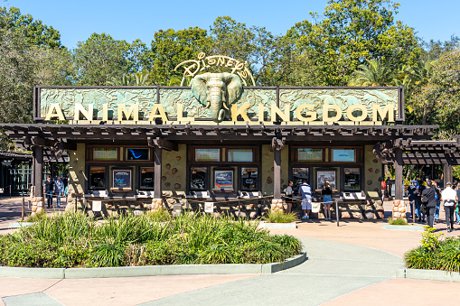
Disney's Animal Kingdom is a 580-acre theme park at Walt Disney World in Bay Lake, FL, near Orlando, and the largest park at the resort. It opened on Earth Day, April 22, 1998. Because the park sits inside Disney's 25,000-acre property, the closest for-sale residential communities are Horizon West to the west and Celebration to the south, both roughly a 10-to-20-minute drive away via SR 429/Western Way or World Drive. Florida residents can buy a Disney Pixie Dust Pass for about $489 plus tax, or pay monthly (around $36 per month after a $99 down payment as of 2026), making annual-pass living realistic for locals who visit on weekdays.
So you've fallen a little in love with the idea of having Disney in your backyard — and of all four parks, Animal Kingdom might be the one that does it. It's the green one: the 580-acre conservation park where you ride a coaster past a yeti, then watch real giraffes twenty minutes later. If you're relocating to Central Florida, "how close can I actually live to this?" is a fair question.
Here's our take, as the people who help folks find homes out here: living near a Disney park is genuinely a perk — but the real-estate version of that dream looks a little different from the brochure. Let's get into what's true, what's a drive, and what it actually costs.
First, the Honest Part: You Can't Live Next Door
Let's be real up front. Animal Kingdom is part of Walt Disney World, which spreads across roughly 25,000 acres of Disney-owned land in Bay Lake — an area about the size of San Francisco. That land is conservation buffer, resorts, and theme parks, not for-sale subdivisions. So nobody's backyard fence borders the Tree of Life.
What you can do is live a short, easy drive from the gate. And depending on which side you pick, that drive ranges from "barely counts" to "still beats most commutes in America." The closest residential options cluster on two sides of the resort, which we'll map out below.
A Quick Refresher on What Animal Kingdom Is
Opened on Earth Day, April 22, 1998, Animal Kingdom was the fourth park built at Walt Disney World and remains the largest, covering roughly 580 acres. It was designed around animal conservation, which is why the centerpiece is the 145-foot Tree of Life carved with hundreds of animals rather than a castle.
The headliners are Kilimanjaro Safaris — an 18-minute ride through 110 acres of habitat where dozens of African species roam — and Pandora: The World of Avatar, home to the genuinely spectacular Avatar Flight of Passage. There's also Expedition Everest in the Asia section and Kali River Rapids (you will get wet). One honest note for 2026: the old DinoLand U.S.A. area permanently closed in February and is now a construction zone for a new 11-acre land called Tropical Americas, bringing an Indiana Jones adventure and an Encanto attraction expected to open in 2027. If you visit this year, expect walls in that corner of the park.
Which Orlando Communities Are Actually Closest?
The west side (closest, least chaotic): Horizon West is the master-planned community just outside Disney's western gateway. From here you take SR 429 to Western Way, a 3.2-mile road that runs straight to Disney property near Animal Kingdom — often a 10-to-15-minute trip. This is also where Flamingo Crossings sits, the shopping-and-hotel district at Western Way and SR 429. The western approach typically sees far less tourist traffic than the I-4 side.
The south side: Celebration, the Disney-designed town off US 192, connects to the resort via World Drive in roughly 10-to-20 minutes. Nearby Kissimmee communities reach the parks via Osceola Parkway (CR 522), which literally ends at the Animal Kingdom parking gate. A nice quirk: thanks to a Disney co-financing deal, some Kissimmee neighborhoods west of the Shingle Creek toll plaza reach the parks without paying a toll at all.
The east and north: Hunter's Creek is about 8-to-10 miles out via SR 417 to Osceola Parkway west — close enough that Disney cast members love it. To the north, Windermere and Dr. Phillips are a slightly longer 20-to-25-minute haul but trade that for more established, upscale neighborhoods.
The Annual Pass Math (This Is the Real Perk)
Here's the thing that actually changes when you live here instead of visiting: the annual pass. Florida residents get tiered passes that out-of-staters can't touch. As of 2026, the entry-level Disney Pixie Dust Pass runs about $489 plus tax — or you can use the Florida Resident Monthly Payment Program and pay roughly $36 a month after a $99 down payment at 0% APR. That's less than many gym memberships for access to all four parks.
The catch, and we'd be doing you a disservice to skip it: the cheapest pass comes with the most blockout dates, including most weekends and every major holiday. It's built for people who can pop over on a Tuesday afternoon — which, if you live 15 minutes away, is exactly the point. Step up to the Pirate or Sorcerer tiers (also Florida-resident pricing) and the calendar opens up considerably. Suddenly "let's go ride the safari before dinner" becomes a normal weeknight, not a vacation.
Living Near Animal Kingdom: The Real Deal
The Pros
- Short, predictable drives — often 10-20 minutes from the western and southern communities
- Florida-resident annual passes make frequent visits genuinely affordable
- Disney is the region's largest employer, so proximity can mean a tiny commute
- Animal Kingdom historically has no nightly fireworks show, so it's a quieter park neighbor than Magic Kingdom or EPCOT
- Ongoing investment (the 2027 Tropical Americas land) keeps the whole area's demand strong
The Cons
- Tourist-corridor traffic on US 192 and I-4 can be brutal during holidays and spring break
- Toll roads (SR 429, SR 417, parts of Osceola Parkway) add up — budget for SunPass
- Some neighborhoods near US 192 and the Four Corners area carry heavy short-term vacation-rental activity, which means transient neighbors
- You're still buying into a region built around tourism, with the seasonal rhythms that come with it
Our Take
If you want park-going to be a casual weeknight habit and don't mind a tourism-flavored region, the western communities around Horizon West hit the sweet spot of access, newer housing, and lighter traffic. If you want a true downtown-Disney lifestyle, Celebration delivers it with a side of charm. For more on the area, see our Horizon West events guide, and explore other parks like Disney Springs when you're plotting your new local routine.
What the Neighbors Know
The folks who actually live out here will tell you the magic of being near Animal Kingdom isn't living "at" Disney — it's that Disney becomes ordinary. The safari stops being a bucket-list item and turns into a thing you do on a slow Sunday morning. The trick is matching the right community and the right pass tier to how you'll really use it.
Animal Kingdom won't be the place you point to on a property line, but it will quietly shape your weekends, your commute options, and the value of homes for miles around. For a relocating family, that's a feature, not a footnote. 🦒
For current hours, ticket details, and the latest on the Tropical Americas expansion, visit the official Disney's Animal Kingdom website, or check Florida resident pass options directly through Walt Disney World's Florida Residents page.
Curious which community near the parks fits your budget and lifestyle? Explore homes in Horizon West, Celebration, and Kissimmee, or contact us for personalized relocation advice — we'll help you find the right spot near the magic.