Why the Daniel Webster Western Beltway matters for Orlando's west side communities
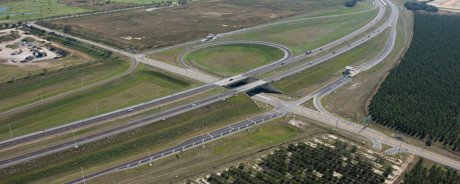
If you live on the west side of Orlando or you're considering making the move to one of Central Florida's booming western communities, there's one road you'll quickly get to know pretty well: the 429 Expressway. While it might not have the infamous traffic reputation of Interstate 4, this toll road is quietly changing how people live, work, and commute across Orlando's western corridor.
Also known by its official (and let's be honest, way more impressive) name, the Daniel Webster Western Beltway, State Road 429 is the newer sibling in Central Florida's expressway family. And unlike some of its more congested counterparts, the 429 actually delivers on its promise: a faster, smoother drive between Orlando's western communities and the rest of the metro area.
Whether you're house hunting in Winter Garden or Horizon West commuting from Clermont, or just trying to figure out the best route to dodge Orlando traffic, understanding the 429 is essential. Let's break down everything you need to know about this game-changing expressway.
What Exactly Is the 429 Expressway?
The 429 Expressway is a 30-mile limited-access toll road that runs along Orlando's western edge, creating what transportation planners call a "western beltway." In plain English? It's the highway that lets you bypass downtown Orlando entirely if you're traveling north-south on the west side of the metro area.
The expressway starts (or ends, depending on your direction) at US Highway 27 near Clermont in the north and stretches all the way south to Interstate 4 near Walt Disney World. Along the way, it intersects with several major roads including US 441 (which takes you toward Mount Dora and Apopka), the Florida Turnpike, and various state roads serving western communities.
Unlike the chaotic free-for-all that is I-4, the 429 is a well-maintained, relatively uncrowded toll road with consistent speed limits (mostly 65 mph) and clear signage. It's managed by the Central Florida Expressway Authority (CFX), the same organization that runs several of Orlando's other toll roads.
A Brief History Lesson (We Promise It's Interesting)
The 429 is actually one of the newer additions to Orlando's expressway system. While roads like the 408 Expressway have been around since the 1960s, the 429 didn't fully open until the early 2000s, with various sections completed in phases.
The road was originally envisioned as far back as the 1980s when planners realized that Orlando's western communities were growing rapidly and needed better north-south connectivity. The name "Daniel Webster Western Beltway" honors Daniel Webster, a prominent figure in Central Florida's development (not to be confused with the famous 19th-century statesman of the same name).
Construction began in the late 1990s, with the first section opening in 2006. The northern extension to US 27 was completed in 2015, finally providing the full continuous route that exists today. The road was built anticipating future growth, and boy, did that growth happen. Communities along the 429 corridor have exploded in population over the past two decades.
What Makes the 429 Special?
Here's what sets the 429 apart from other Orlando area roads and why it's become such a lifeline for west side residents:
Less Traffic, More Sanity
Let's start with the obvious: the 429 is significantly less congested than I-4 or even the Turnpike during peak hours. Because it serves primarily residential communities rather than major tourist destinations, rush hour looks more like "slightly busy" rather than "parking lot from hell." Sure, you'll see more cars during morning and evening commutes, but nothing like the gridlock you'd experience on I-4 near downtown.
Strategic Connections
The 429 isn't just a straight shot north and south, it's strategically designed to connect with other major roads at key points. Need to get to the airport? Take the 429 south to the 528 (Beachline). Heading to Tampa or Miami? The 429 connects to both I-4 and the Turnpike. Want to access MetroWest or other western Orlando neighborhoods? Multiple exits give you options.
Room to Grow
Unlike older expressways that feel cramped, the 429 was built with the future in mind. The road is wider, exits are better designed, and there's space for future expansion if needed. This forward-thinking approach means the road should remain useful for decades to come as the area continues to grow.
Which Communities Does the 429 Serve?
One of the best things about the 429 is how it's opened up so many western communities for people who work in Orlando proper but want a more suburban or even semi-rural lifestyle. Here's who benefits most from the 429:
Northern Communities: Residents of Clermont, Minneola, and the surrounding Lake County areas can reach Orlando International Airport in about 40-45 minutes using the 429, compared to over an hour via back roads. The access to US 441 also provides a quick connection for folks in the Apopka and Mount Dora areas.
Western Suburbs: Winter Garden, Ocoee, and Windermere all benefit from 429 access. What used to be a tedious drive through surface streets to reach I-4 is now a quick hop onto the expressway.
Disney Area Access: The southern terminus at I-4 puts you right near the western Disney World entrance, making the 429 a favorite route for locals heading to the parks or the ESPN Wide World of Sports complex.
If you're exploring these communities and wondering about commute times, the 429 is often the deciding factor that makes living further west practical for people working in downtown Orlando or along the I-4 corridor.
The Toll Reality: What You Need to Know
Let's address the elephant in the car: yes, the 429 is a toll road, and those tolls add up if you're using it daily. Here's what you should know:
Cost Range: Using the full length of the 429 typically costs between $5-6 if you have a SunPass or E-PASS transponder. Shorter trips will obviously cost less â€" most daily commuters pay around $2-4 per trip depending on which exits they use.
Toll-by-Plate vs. Transponder: Here's a pro tip that will save you money: get a SunPass or E-PASS transponder. If you go through tolls without a transponder (called "Toll-by-Plate" where they mail you a bill), you'll pay roughly 25-35% more per trip. For daily commuters, this difference adds up to hundreds of dollars per year.
Budgeting for Tolls: If you're considering a home in a western community and will commute via the 429 five days a week, budget approximately $150-250 per month for tolls. Yes, it's an extra expense, but many residents feel it's worth it for the time saved and stress avoided.
The Trade-off: Compare the toll costs to what you might save on housing. Many communities along the 429 offer more affordable home prices than closer-in neighborhoods. If you can save $300-500 per month on your mortgage by living further west, the toll costs might be a wash â€" and you get more house for your money.
Local Tips and Insider Knowledge
Want to drive the 429 like a local? Here are some things residents learn over time:
Best Times to Travel: Like most commuter roads, the 429 is most crowded between 7-9 AM southbound and 5-7 PM northbound. If you have flexibility in your schedule, traveling outside these windows means smooth sailing.
Watch Your Speed: The speed limit is enforced, and you will see FHP (Florida Highway Patrol) regularly patrolling. The 65 mph limit might feel slow when the road is wide open, but tickets on toll roads come with extra fees.
Gas Up Before You Go: There aren't service plazas on the 429 like you'd find on the Florida Turnpike. Make sure you have gas before getting on, especially for longer trips.
Emergency Situations: If you break down, there are emergency pull-off areas and call boxes along the route. The CFX has a pretty good response time for assisting stranded motorists.
The Bottom Line
The 429 Expressway has fundamentally changed life for Orlando's west side communities. What used to be isolated suburban areas are now perfectly positioned for people who want space, affordability, and newer construction while still having reasonable access to Orlando's job centers and attractions.
Is it perfect? No, the tolls are real, and you're still looking at 30-45 minute commutes to downtown Orlando from the furthest communities. But compared to sitting in I-4 traffic or taking winding back roads, the 429 is a game-changer. It's made communities like Winter Garden and Clermont viable options for people who previously wouldn't have considered living that far west.
For anyone relocating to the Orlando area, understanding the 429 and its role in the transportation network is crucial for making informed decisions about where to live. The expressway has opened up entire swaths of Central Florida that offer a different pace of life while keeping you connected to everything Orlando has to offer.
So next time you're cruising along the Daniel Webster Western Beltway with relatively clear lanes ahead of you, take a moment to appreciate this well-designed piece of infrastructure. It might not be as famous as the Turnpike, but for west side residents, the 429 is absolutely essential.
For current toll rates, road conditions, and official information, visit the Central Florida Expressway Authority website.
Considering a move to one of Orlando's western communities? Check out our Orlando Transportation Guide for more information about navigating Central Florida, or explore our Orlando Neighborhoods Guide to find the perfect community for your lifestyle. Ready to start your home search? Contact us for personalized assistance!