Atlantic vs. Gulf Beaches From Orlando: Which Coast Wins?
Closer waves or whiter sand? Here's the honest breakdown for picking your Central Florida beach day.
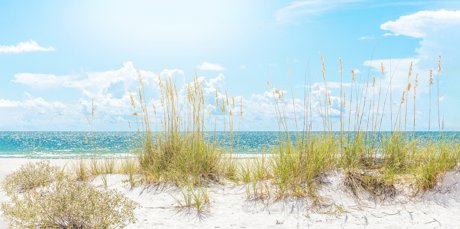
Orlando sits almost exactly between two coasts. The Atlantic beaches are closer: Cocoa Beach is about 60 miles east, roughly a one-hour drive via SR 528 (the Beachline). The Gulf beaches are farther but calmer: Clearwater Beach is about 110 miles southwest, around a two-hour drive via Interstate 4, and Siesta Key near Sarasota is about 135 miles (2.5 hours). The Atlantic offers bigger surf and firm, drivable sand; the Gulf offers warmer, calmer water, powder-soft white quartz sand, and sunsets over the ocean.
Here's the best-kept secret about living in Central Florida: you're not actually on the coast — and yet you've got two of them within easy reach. Orlando sits almost dead-center on the peninsula, which means a beach day is never more than a tank of gas away in either direction.
So the real question isn't whether there's a beach near Orlando (there are dozens) — it's which way you point the car. Atlantic or Gulf? We've made both drives countless times, and the honest answer is: it depends on what you want out of the day. Let's break it down.
The Two-Minute Answer
Short version: the Atlantic coast is closer (about an hour) with bigger waves, surf culture, and rocket launches. The Gulf coast is farther (about two hours) but rewards the mileage with calmer, warmer water and the whitest sand in the state. Quick afternoon escape? Go east. Whole-day, toes-in-powder trip? Go west.
The Atlantic Coast: Closer, Wavier, and a Little Spacey
The Atlantic is the "I decided at 11 a.m. I want sand" coast — roughly an hour each way from most of metro Orlando, which makes a half-day trip genuinely doable.
- Cocoa Beach — about 60 miles east, ~1 hour via SR 528. Florida's surf capital, home of the iconic Cocoa Beach Pier and Ron Jon Surf Shop. The drive out the 528 Beachline Expressway is the most direct shot to the ocean from Orlando.
- Canaveral National Seashore — also about an hour. Miles of undeveloped, protected coastline. No high-rises, no boardwalk — just dunes, sea turtles, and quiet.
- New Smyrna Beach — about 56–60 miles, ~1 hour to 1 hour 15 minutes via I-4 East to SR 44. Laid-back, surf-friendly, and one of the beaches where you can still drive your car onto the sand.
- Daytona Beach — about 55 miles, ~1 hour to 1 hour 15 minutes via I-4 East. Famous for its wide, hard-packed, drivable sand, a busy boardwalk, and of course the Speedway.
Here's the thing about the Atlantic side: the waves are real. They're great for surfing and boogie-boarding, less ideal if you've got toddlers who want bathtub-calm water. The sand tends to be tan and firm rather than blinding white. And the bonus nobody on the Gulf side can claim — on a good day, you can watch a rocket launch from Kennedy Space Center right from your beach towel.
Want more on the surf-capital itself? We dug into the whole scene in our guide to Cocoa Beach, and the motorsports crowd will want our take on the Daytona International Speedway.
The Gulf Coast: Farther, but Postcard-Perfect
Let's pivot west. The Gulf beaches ask for more of your day — roughly two hours each way — but a lot of locals say they're worth every extra mile.
- Clearwater Beach — about 110 miles southwest, ~2 hours via I-4 West to FL-60 or I-275. Regularly ranked among the best beaches in the U.S., with white sand and a nightly sunset celebration at Pier 60.
- St. Pete Beach — about 110 miles, ~2 hours. Artsy, mellow, and less frenetic than Clearwater, with calm, shallow water great for families.
- Siesta Key (near Sarasota) — about 135 miles, ~2.5 hours via I-4 West to I-275 and US-41. Its sand is roughly 99% quartz, so it stays cool underfoot even in July, and it has repeatedly topped national best-beach lists.
The Gulf's calling cards are the water and the sand: the Gulf of Mexico runs calmer and warmer than the Atlantic — friendlier for swimming and small kids — and that powder-soft quartz sand is a genuinely different experience from the firm Atlantic beaches.
The Real Differences That Decide It
Strip away the marketing and it comes down to a handful of practical trade-offs:
- Drive time: Atlantic wins decisively — about an hour vs. two. If you're squeezed for time, this is the ballgame.
- Water: Gulf is calmer and warmer; Atlantic is cooler with bigger surf.
- Sand: Gulf has the white, fine, cool-to-the-touch quartz; Atlantic has tan, firm, often drivable sand.
- Sunsets: This one's geography, not opinion. On the Gulf, the sun sets over the water — a true beach sunset. On the Atlantic, you get the sunrise over the ocean instead.
- Vibe: Atlantic skews surf-and-space; Gulf skews resort, dining, and that turquoise-postcard look.
Let's be real: neither coast is "better." They're different tools for different days — and both live within a tank of gas.
Which Side of Orlando Do You Live On?
Here's a nuance most beach round-ups skip, and it matters for relocators: your address changes the math. The drive times above assume a central starting point, but metro Orlando is wide.
If you're on the west side — communities like Horizon West or Winter Garden — you've got a head start toward the Gulf, already pointed down I-4 West, so that Clearwater drive shrinks a bit. On the southeast side near Lake Nona, you're closer to the 528 Beachline and the Atlantic. And from Downtown Orlando, you're roughly balanced — equally convenient to both.
If beach access is high on your relocation wish list, it's worth knowing which coast your future neighborhood quietly favors.
Not Feeling the Drive? Stay Fresh.
Sometimes the ocean is too far for the day you've got. Central Florida's freshwater springs stay a clear 72 degrees year-round and are often closer than either coast — and our Mount Dora and Cassadaga day trips make a charming non-beach Plan B.
Quick Pros and Cons
Atlantic Coast
Pros: Closest to Orlando (~1 hour), great surf, drivable sand, rocket launches, easy half-day trips.
Cons: Rougher water for swimming, cooler in winter, sand is tan rather than white.
Gulf Coast
Pros: Calm warm water, the whitest/softest sand in the state, world-famous sunsets, top-ranked beaches.
Cons: Longer drive (~2–2.5 hours), I-4 and Tampa traffic, less practical as a spur-of-the-moment trip.
Local Tips Before You Go
- Leave early. Weekend and holiday traffic — especially I-4 toward Tampa — can add 30–60 minutes; hit the road before 9 a.m.
- Budget for parking. Beachside lots fill and meter fast — bring a card and a parking app.
- Spring and fall are the sweet spot for comfortable temps and thinner crowds.
- Check launch schedules if you're headed to the Space Coast — a launch turns an ordinary beach day into something unforgettable.
What the Neighbors Know
The locals' not-so-secret secret? You don't have to pick a favorite — you get both. Orlando residents treat the Atlantic as the easy half-day escape and the Gulf as the proper full-day outing. Living here, the ocean is a default option, not a once-a-year vacation.
That two-coast access is one of those quietly enormous perks of Central Florida living that doesn't show up in square footage — but absolutely shows up in your weekends. Sunrise on one side, sunset on the other. Not a bad place to call home. 🏖️
For trip planning, official beach info, and seasonal updates, the statewide tourism authority VISIT FLORIDA is the best starting point. For coast-specific details, check Florida's Space Coast for the Atlantic side and Visit St. Pete-Clearwater for the Gulf.
Thinking about which Orlando-area neighborhood puts your favorite coast within reach? Explore homes in Horizon West, Lake Nona, and beyond — or contact us for personalized Central Florida relocation advice!