The Neighborhood Blog

The Neighborhood Blog features a variety of community, attraction and development update information for communities throughout the Orlando Metro and Central Florida Region.

May 29, 2026

Living Near Disney's Hollywood Studios

Living Near Disney's Hollywood Studios in Central Florida

You can't live next door to the park — but here's where you can live close enough to make it your backyard theme park
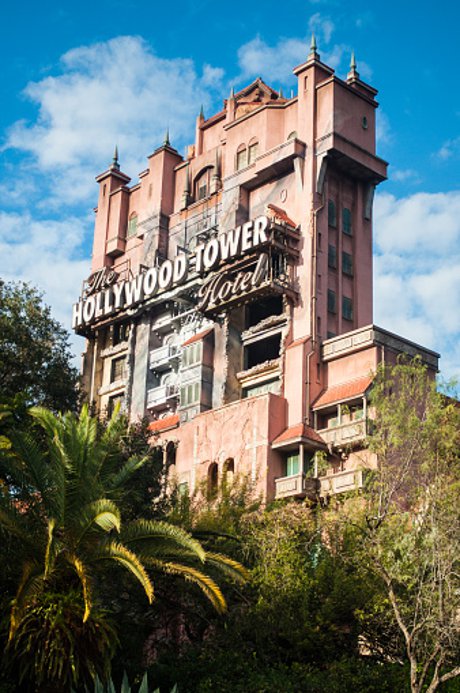
The Hollywood Tower of Terror at Disney's Hollywood Studios in Orlando

Disney's Hollywood Studios is a 135-acre theme park inside Walt Disney World near Bay Lake, FL, opened in 1989 and surrounded by Disney-owned land and resort roads. No residential neighborhoods border the park directly. The closest true residential community is Celebration, about 15 minutes away via World Drive, followed by Horizon West (about 12 minutes from the Flamingo Crossings area via Western Way and SR 429), Windermere, and Kissimmee. The park is reached from World Drive and Buena Vista Drive, with its main entrance off Osceola Parkway.

So you want to live near Disney's Hollywood Studios. Maybe you're a cast member tired of a long commute, an annual passholder who'd happily ride Slinky Dog Dash on a random Tuesday, or a family that wants the fireworks practically in the rearview mirror. We get it — that's a very Central Florida dream.

Here's the thing we have to say up front, because honesty beats hype: you can't actually live next to Hollywood Studios. The park sits deep inside Walt Disney World, tucked into the corner where two high-capacity resort roads — World Drive and Buena Vista Drive — meet. Everything immediately around it is Disney-owned land: parking lots, resort hotels, and conservation areas. There is no subdivision across the street.

But "close enough to make it your routine"? That's very doable. Let's talk about where Orlando residents actually live when they want the parks at their doorstep.

A Quick History (and What's Actually There Now)

Hollywood Studios opened in 1989 as Disney-MGM Studios — a working studio backlot crossed with a theme park, dreamed up as a half-day "Hollywood that never was." It was renamed Disney's Hollywood Studios in 2008, and at roughly 135 acres it's the smallest of Walt Disney World's land-based parks.

The lineup today leans modern: Star Wars: Galaxy's Edge (home to Rise of the Resistance and Millennium Falcon: Smugglers Run), Toy Story Land (Slinky Dog Dash and Toy Story Mania), Mickey & Minnie's Runaway Railway, and the still-iconic Twilight Zone Tower of Terror on Sunset Boulevard.

One honest note for 2026: the park is in a heavy transition. Rock 'n' Roller Coaster closed in March 2026 for a re-theme (a Muppets-flavored coaster is expected to follow), and the old Animation Courtyard is being rebuilt into a new area called The Walt Disney Studios Lot, slated to debut in summer 2026. A future Monsters, Inc. land is under construction with no firm opening date yet. Translation: if you move nearby, you'll be living next to a park that keeps reinventing itself.

Celebration: The Closest Residential Community to the Magic

If proximity is the whole point, Celebration is the answer. This master-planned town — originally a Disney creation — is the closest true neighborhood to the parks, the kind of place where people actually live full-time rather than vacation. Celebration's streets connect directly to World Drive, the dedicated resort road that runs straight up to Walt Disney World.

From Celebration, Hollywood Studios is roughly a 15-minute drive. For the tens of thousands of Disney cast members and hospitality workers across the region, that's often a shorter commute than what folks face up in Orange County. We dig into this further in our guide to Celebration's proximity to Orlando's theme parks, and the road itself gets a full breakdown in our World Drive guide.

Celebration leans walkable and a little pricey — it's condo-heavy near Town Center, with single-family villages fanning out from there. The trade-off is character: a real downtown, Lake Rianhard, and a famous nightly "snowfall" every December.

Horizon West: The Western Gateway (and the Cast Member Favorite)

Come at the parks from the northwest and you'll use Western Way, the resort road that links SR 429 (the Western Beltway) to Buena Vista Drive between Animal Kingdom and Hollywood Studios. That puts Horizon West in a sweet spot — the Flamingo Crossings area at its edge sits right where Western Way meets SR 429, about 12 minutes from Hollywood Studios.

Horizon West is one of the fastest-growing master-planned areas in the country, full of newer construction, village town centers, and family amenities. The hub of it all is Downtown Hamlin, and the Disney-built retail-and-hotel district at the western gate is covered in our Flamingo Crossings guide. For Disney College Program interns and cast members, this western corridor is gold.

Windermere and Kissimmee: Two More Honest Options

A little farther out but still very much in the orbit: Windermere to the north offers lakefront luxury on the Butler Chain and a roughly 20–25 minute run to Hollywood Studios. It's quieter and more upscale — you're trading a few minutes of drive time for big lots and big water.

To the south and east, Kissimmee spreads along the US 192 corridor with the widest range of prices anywhere near Disney. Drive times to Hollywood Studios run about 15–25 minutes depending on where you land, and the value-per-dollar is hard to beat. It's the workforce-and-everybody community to Celebration's planned-and-polished one.

And just so you have the full picture, Downtown Orlando is about 25–30 minutes up I-4 — close enough for the occasional park night, far enough that it's a city lifestyle, not a Disney one.

The Real Deal: Pros and Cons of Living Park-Adjacent

Let's be real about what a Disney-adjacent address actually buys you — and costs you.

The Pros:

  • Spur-of-the-moment park visits — annual passholders, this is the dream
  • Short commutes for the region's huge hospitality and Disney workforce
  • Strong rental and resale demand thanks to the tourism economy
  • Quick access to EPCOT, Magic Kingdom, Animal Kingdom, and Disney Springs

The Cons:

  • Tourist traffic on US 192, I-4, and the resort roads during peak season
  • Some areas skew toward short-term rentals, which changes the neighbor mix
  • Ongoing road work — Western Way is being widened to handle resort growth
  • You'll hear fireworks nightly (a pro for some, a con for light sleepers)

Local Tip: Pick Your Park Entrance, Then Pick Your Neighborhood

Here's the insider move most newcomers miss: your daily Disney experience is shaped less by the park and more by which entrance you use. Coming from Celebration or Kissimmee, you'll approach via World Drive and Osceola Parkway from the south and east. Coming from Horizon West, you'll glide in through the quieter western gate on Western Way. If your household lives at the parks, test-drive both routes during evening rush before you choose a neighborhood — the difference in real-world commute can be ten minutes or more.

What the Neighbors Know

Living near Disney's Hollywood Studios isn't about finding a house that backs up to the Tower of Terror — that house doesn't exist. It's about choosing the community whose vibe, price, and park entrance fit your life. Celebration gets you closest and most charming. Horizon West gets you newest and the slickest western-gate access. Windermere gets you luxury and lakes. Kissimmee gets you value and variety.

The magic of Central Florida is that all four are legitimately "close to Disney" — you just get to decide what kind of close you want. And honestly? Falling asleep to faraway fireworks never really gets old. ✨

For park hours, attractions, and current event details, visit the official Disney's Hollywood Studios website, and check road and construction updates from the Central Florida Tourism Oversight District.


Ready to find your spot near the parks? Explore homes in Celebration and Horizon West, or contact us for personalized, no-pressure relocation advice from people who actually know these neighborhoods.

May 29, 2026

Living Near EPCOT

Living Near EPCOT: What It's Really Like in Disney's Backyard

Which Central Florida communities put you closest, the truth about those fireworks, and the honest trade-offs of life in Disney's orbit

The Monorail passing in front of the Imagination Pavilion at Epcot in Disney World

EPCOT is one of four theme parks at Walt Disney World near Orlando, FL, and opened October 1, 1982. Its nightly fireworks show, Luminous The Symphony of Us, runs about 17 minutes over World Showcase Lagoon, typically at 9 p.m. The closest established residential communities are Celebration (roughly 10-15 minutes) and Dr. Phillips (about 15 minutes), with Horizon West and Windermere generally 15-20 minutes away. Florida residents can buy Disney annual passes starting around $489 plus tax for the Pixie Dust Pass, making frequent visits realistic for locals.

Most people Google EPCOT to plan a vacation. You might be doing something a little more permanent: figuring out what it's actually like to live a few minutes from the giant geodesic golf ball. Here's the thing nobody on the travel blogs will tell you, because they're not in the business of helping you buy a house.

Living near a theme park sounds like either a dream or a nightmare, depending on who you ask. The truth, as usual, sits somewhere in the middle. So let's skip the ride reviews and talk about the part that matters when you're choosing a neighborhood: proximity, the fireworks reality, the passholder lifestyle, and the trade-offs that come with planting roots inside the world's busiest tourism corridor.

First, Where Exactly Is EPCOT?

EPCOT sits in the southern stretch of Walt Disney World property, technically in the tiny city of Bay Lake, Florida. It opened October 1, 1982, as Walt's vision of a "community of tomorrow," and today it's organized around a future-and-discovery half and World Showcase — a ring of pavilions themed to 11 countries around a central lagoon.

What matters for homebuyers: EPCOT is surrounded by Disney land, not residential neighborhoods. Nobody lives across the street from it. The communities people actually move to sit a few miles out in every direction, and that distance shapes everything from your commute to whether you'll ever hear a single firework.

The Communities That Put You Closest

"Near EPCOT" means different things in different directions. Here's the honest proximity rundown for the established communities our buyers ask about most (drive times are typical, not rush-hour or fireworks-letout estimates):

  • Celebration — The closest established town to Disney, about 10-15 minutes from EPCOT. Built by Disney in the 1990s, it has the picket-fence charm and a walkable downtown, with the trade-off of higher prices and notable HOA structure.
  • Dr. Phillips — Roughly 15 minutes northeast, this is the upscale "Restaurant Row" area near Sand Lake Road. You get mature neighborhoods, top dining, and quick I-4 access to the parks.
  • Horizon West — Generally 15-20 minutes on Disney's west side, this is one of the fastest-growing master-planned areas in the country, with newer construction and the Western Way back door toward Disney.
  • Windermere — About 15-20 minutes north, known for lakefront luxury on the Butler Chain and a small-town vibe a short hop from the parks.
  • Kissimmee — The western 192 corridor runs 10-20 minutes from EPCOT and offers the widest price range, though it's also the most vacation-rental-heavy zone of the bunch.

On the western flank, Flamingo Crossings off Western Way functions as a quieter gateway toward the parks — worth knowing if you're scouting Horizon West.

Can You Actually See the Fireworks From Home?

Let's be real, because this is the question everyone secretly wants answered: for the overwhelming majority of homes, no, you can't see EPCOT's fireworks from your backyard. The nightly show — Walt Disney World's Luminous The Symphony of Us — debuted in December 2023 and runs about 17 minutes, typically starting around 9 p.m. over World Showcase Lagoon.

Here's why that matters: Luminous is a relatively low-to-the-ground show built around fountains, lasers, and lake-level pyrotechnics, not the towering aerial bursts of Magic Kingdom's old fireworks. It's designed to be seen inside the park. A handful of elevated spots and upper-floor windows on Disney's edges occasionally catch a glimpse, but anyone promising you a nightly fireworks view from a standard single-family home is selling a fantasy. What you're more likely to enjoy is the convenience of being close enough to pop in for the show and be home in 20 minutes.

The Annual Passholder Lifestyle

This is where living near EPCOT genuinely changes your day-to-day. EPCOT is the locals' favorite Disney park, largely because of food and festivals. It runs four seasonal festivals a year — the Festival of the Arts in winter, Flower & Garden in spring, the famous Food & Wine Festival in fall, and Festival of the Holidays in winter — turning the park into a rotating block party of food booths and live music.

For residents, the math often works out. Florida residents can buy Disney annual passes in three resident-only tiers, with the entry-level Pixie Dust Pass starting around $489 plus tax (the no-blockout Incredi-Pass costs more and is open to everyone). Locals routinely treat EPCOT as a date-night destination: dinner around World Showcase, a glass of wine in Italy, the fireworks, home before bedtime. Just note that prices and blockout dates shift regularly, so confirm current details with Disney before committing. Nearby Disney Springs adds free-to-enter shopping and dining to the rotation, no ticket required.

The Honest Trade-Offs

Now let's address the elephant in the room. Living inside a tourism magnet has real downsides, and we'd rather you hear them from us than discover them after closing.

The Pros

  • World-class entertainment, dining, and festivals minutes from home
  • One of the region's largest job bases — Disney is Central Florida's biggest single-site employer
  • Strong long-term demand for homes near the parks
  • Well-maintained major roads and steady infrastructure investment
  • An easy "yes" when out-of-town family wants to visit

The Cons

  • Tourist traffic on I-4 and US-192, especially during holidays and peak season
  • Heavy short-term-rental activity in some Kissimmee and 192-corridor pockets, which can change a street's character
  • Premium pricing in Disney-adjacent master-planned communities
  • Most of these communities carry HOA dues and, in newer areas, CDD assessments on top of taxes

Our Take

If you love the energy, the festivals, and quick park access, living a short drive from EPCOT is a genuine perk — pick the established communities a few miles out rather than the rental-heavy tourist zones if you want a true neighborhood feel. If quiet and distance from crowds top your list, you can still enjoy the parks while living farther north or east. Before you commit either way, run the numbers in our honest cost of living in Orlando guide and read up on the toll-road realities along SR 429 if you're eyeing the west side.

What the Neighbors Know

The people who love living near EPCOT aren't there for the fireworks view — they're there for the lifestyle. It's the spontaneity of a weeknight stroll through World Showcase, the seasonal festivals that make a Tuesday feel like an event, and the quiet pride of telling visiting relatives, "Oh, the park? It's ten minutes away."

The neighbors also know the real trade: you accept the tourist traffic and the premium pricing in exchange for being plugged into one of the most dynamic corners of Central Florida. For a lot of people, that's a deal worth making — you just want to make it with your eyes open, in the right community, at the right price. That's the part we can actually help with. 🎆

For current hours, festival schedules, and details, visit the official EPCOT website.


Curious which community near EPCOT fits your life and budget? Explore homes in Celebration, Horizon West, and Dr. Phillips, or contact us for personalized relocation advice from people who actually live here!

May 29, 2026

Crayola Experience Orlando

Crayola Experience Orlando: A Local's Honest Guide

Yes, it's at the mall. Yes, it's pricey. Here's when it's actually worth it for Central Florida families.

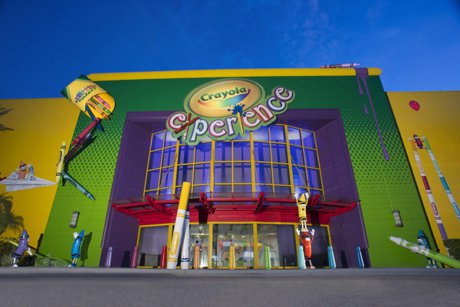
The Crayola Experience at the Florida Mall in Orlando

Crayola Experience Orlando is a 70,000-square-foot indoor family attraction located inside The Florida Mall at 8001 South Orange Blossom Trail, Orlando, FL 32809. It opened in 2015 and features 27 hands-on attractions, including the world's largest Crayola crayon, "Bluetiful," which weighs 1,352 pounds and stands 15.6 feet tall. Online admission is $25.99 per person for ages 3 and older, with children under 3 free. The attraction is open daily except Christmas, and most families spend 3 to 4 hours there.

Let's be real: if you're moving to Orlando, "world-famous theme parks" is probably already on your radar. Crayola Experience is not that. It's a 70,000-square-foot indoor play-and-create space tucked inside The Florida Mall, and the honest first thing to know is that it's a tourist-priced attraction in a busy shopping center — not a hidden local secret.

So why are we writing about it? Because for residents with young kids, it can be genuinely useful — if you go in knowing what it is and how to make the math work. Here's the real deal.

What Crayola Experience Orlando Actually Is

Crayola Experience is an indoor, hands-on attraction built around the Crayola brand of crayons, markers, and art supplies. Inside its 70,000 square feet you'll find 27 attractions: you can name and wrap your own custom crayon, melt crayons into shapes, sculpt with Model Magic, turn a photo of yourself into a coloring page, and watch a live show that explains how crayons are made (starring animated mascots Scarlet and Turk).

The signature photo op is "Bluetiful," billed as the world's largest Crayola crayon at 1,352 pounds and 15.6 feet tall. Most families spend three to four hours here, and re-entry is allowed with a hand stamp, so you can break for lunch elsewhere in the mall and come back.

One honest caveat worth setting up front: this is a chain concept. Orlando's location is one of several Crayola Experience sites nationwide, so it's not unique to Central Florida the way Gatorland or a springs day trip would be. That doesn't make it bad — it just isn't an "only in Orlando" thing.

A Quick History (Crayola Goes Back Further Than You'd Guess)

The Crayola brand dates to 1903, when Binney & Smith introduced its first box of crayons in Easton, Pennsylvania. The company eventually opened a public attraction in Easton, and the concept grew into today's Crayola Experience locations. The Orlando outpost opened at The Florida Mall in 2015 and has become one of the center's most family-oriented anchors.

The Part Most People Skip: What It Costs

Here's where you need to do the math before you go. Online admission runs $25.99 per person for anyone age 3 and up, and gate prices are higher. Kids under 3 are free. That means a family of four is looking at roughly $100 just to walk in — before any add-on keepsake activities (like the custom-wrapped crayon), food, or the inevitable trip through the Crayola Store on the way out.

For a once-and-done visit, that's a real chunk of change for an afternoon indoors. If you've just relocated and you're already feeling Florida's sticker shock, our honest cost of living in Orlando guide is worth a read before you load up on attraction tickets.

Why Should Orlando Residents Care?

Here's the angle tourists miss. For visitors, Crayola Experience is a single ticket. For locals, the smart play is the annual pass. If you have a preschooler or early-elementary kid, an annual pass usually pays for itself in two or three visits — and suddenly this stops being a splurge and becomes a tool.

And in Central Florida, that tool has a specific job: beating the weather. Our summers are brutally hot and our afternoons come with near-daily thunderstorms from June through September. A reliable, air-conditioned indoor spot where a four-year-old can burn off energy for a few hours is worth its weight in gold to a parent. That's the real resident value here — not the novelty, but the dependability.

Who It's Really For (and Who Should Skip It)

Crayola Experience is built for kids roughly ages 2 to 10. Toddlers and early-elementary kids are the sweet spot — they could happily melt crayons and scribble for hours. Tweens and teens, on the other hand, often lose interest fast, so don't expect it to entertain a 13-year-old. Childless adults visiting for nostalgia will likely find it cute but slight.

It also makes a solid birthday-party or rainy-day-with-cousins venue, and the whole facility is ADA compliant. If your kids are older or you want something more uniquely Floridian, the cluster of attractions over on International Drive or the indoor options at Dezerland Park Orlando may be a better fit.

Getting There: Location and Directions

Crayola Experience sits inside The Florida Mall at 8001 South Orange Blossom Trail, in the Dick's Sporting Goods wing near Buca di Beppo. The mall is right where Orange Blossom Trail (US 441) meets Sand Lake Road, about 6 miles south of downtown Orlando and only a few miles from the airport. Approximate drive times:

  • Hunter's Creek — about 15 minutes via OBT or the 417
  • Dr. Phillips — about 15 minutes west via Sand Lake Road
  • Downtown Orlando — about 12-15 minutes north
  • International Drive — about 10 minutes

Parking in the mall lot is free — a nice break from theme-park parking fees — and the experience entrance is on the southeast side of the center. For more family-friendly outings near home, browse our Hunter's Creek events guide.

Local Tips to Make the Most of It

  • Buy online. Tickets are cheaper online than at the gate — never pay the walk-up price.
  • Go off-peak. Weekday mornings and early afternoons are far calmer than weekends and school breaks, when the mall fills with tourists.
  • Do the pass math. If you'll visit more than twice in a year, the annual pass beats single tickets.
  • Use re-entry. Get your hand stamped, grab lunch in the mall, and come back for round two.
  • Set a souvenir budget. The exit dumps you straight into the Crayola Store. Decide on a number before little eyes start negotiating.

The Honest Pros and Cons

The Pros:

  • Genuinely engaging hands-on activities for younger kids
  • Air-conditioned and indoor — ideal for summer heat and afternoon storms
  • Annual passes make repeat visits affordable for residents
  • Free mall parking and easy access from south and southwest Orlando
  • Re-entry allowed; works well for birthday parties and group outings

The Cons:

  • Pricey for a single visit — roughly $100+ for a family of four before extras
  • Best for ages 2-10; older kids and teens often lose interest
  • Located in a busy tourist mall that gets crowded on weekends and holidays
  • A national chain concept, not a uniquely Orlando experience

What the Neighbors Know

Locals don't treat Crayola Experience like a bucket-list theme park — they treat it like a dependable rainy-day pressure valve for the under-10 crowd. The neighbors who get the most out of it are the ones with an annual pass and a toddler or two, popping in for a couple of hours when it's 95 degrees out or the sky opens up at 3 p.m. (which, in summer, it reliably will).

If that's your family, it earns its keep. If your kids are older, or you're chasing that one-of-a-kind Florida memory, your money probably stretches further elsewhere. Either way, now you can decide with your eyes open — which is exactly how we think relocation decisions, big and small, should be made. 🖍️

For current hours, ticket pricing, and seasonal events, visit the official Crayola Experience Orlando website.


Trying to figure out which Central Florida community fits your family? Explore our Hunter's Creek and Dr. Phillips guides, or Contact Us for personalized relocation advice!

May 29, 2026

Dezerland Park Orlando: Florida's Largest Indoor Attraction

Dezerland Park Orlando: Florida's Largest Indoor Attraction

850,000 square feet of go-karts, classic cars, and arcade chaos - and why locals love it on a rainy day

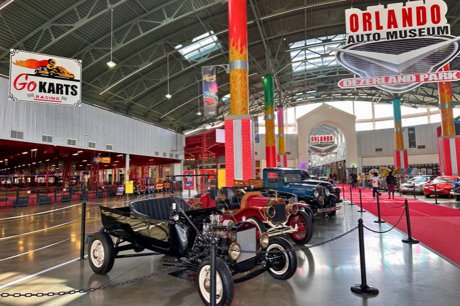
Dezerland Park in Orlando

Dezerland Park Orlando is Florida's largest indoor attraction, an 850,000-square-foot family entertainment center located at 5250 International Drive in Orlando, FL. It opened in 2020 inside the former Festival Bay Mall and is owned by developer Michael Dezer. The complex features more than 20 attractions, including the Orlando Auto Museum (over 2,000 vehicles), Florida's longest indoor go-kart track, boutique bowling, a 300-plus-game arcade, laser tag, and mini golf. Admission and parking are free, and visitors pay per attraction or buy bundled passes.

Here's a scenario every Central Florida resident knows too well: it's 2 p.m., the kids are bouncing off the walls, and the daily summer thunderstorm has just turned the backyard into a swamp. The theme parks are wall-to-wall ponchos. Now what?

This is exactly the moment Dezerland Park Orlando was built for. Tucked into the north end of International Drive in the Dr. Phillips corridor of southwest Orlando, it bills itself as Florida's largest indoor attraction - and at 850,000 square feet, that's not marketing fluff. It's genuinely enormous.

The best part? Most tourists driving past have no idea it's there. Which makes it something of a local secret for beating the heat, the rain, and the theme-park crowds all at once.

So What Exactly Is Dezerland Park?

Think of it as a giant indoor playground for all ages crammed into one climate-controlled building. Dezerland packs more than 20 attractions under a single roof - go-karts, bowling, arcades, laser tag, mini golf, an auto museum, and a whole lot more (we'll get to the full list).

Here's the key thing to understand before you go: admission to the building is free, and so is parking. You only pay for the specific activities you want to do, either à la carte or through bundled passes. That makes it flexible - you can pop in for a single round of go-karts, or build a full day around it.

From Dead Mall to Florida's Biggest Indoor Playground

Longtime Orlando residents will recognize the building immediately. This was Festival Bay Mall, which opened in 2003 and never quite found its footing. It was reborn as Artegon Marketplace in 2014, then shuttered again by 2017 - one of those sprawling I-Drive retail experiments that just couldn't compete with the outlets down the road.

Enter Michael Dezer, a Miami-based real estate developer with one of the world's largest private car collections and nowhere big enough to show it off. In 2020, he transformed the vacant mall into Dezerland Park, turning a cautionary tale of retail vacancy into one of Central Florida's busiest indoor attractions. It's a genuinely clever bit of adaptive reuse - and a reminder that "dead mall" doesn't always mean the end of the story.

The Crown Jewel: The Orlando Auto Museum

The heart of Dezerland is the Orlando Auto Museum, which is billed as the largest auto museum in the United States. It houses more than 2,000 vehicles from Dezer's personal collection, valued at well over $200 million.

We're not just talking rows of vintage Mustangs (though there are plenty). The collection leans heavily into Hollywood and pop culture: you'll find movie cars like the Batmobile, several James Bond vehicles, and the world's longest limousine - a 100-foot behemoth called "The American Dream." For car people, it's genuinely jaw-dropping.

One honest note: the museum is more "wander and gawk" than a deeply curated experience, and reviewers often wish for more detailed signage on individual cars. You can actually see a large chunk of the collection for free as you walk through the building, with a paid ticket unlocking the full museum.

Beyond the Cars: Everything Else You Can Do

This is where Dezerland earns its "all ages" reputation. The attraction lineup includes:

  • Indoor go-karts - billed as Florida's longest indoor karting track
  • The Pinball Palace - Florida's largest pinball collection
  • Arcade - more than 300 games, from retro classics to the latest machines
  • Boutique bowling, bumper cars, and glow-in-the-dark mini golf
  • Laser tag maze and the Toxic Blast gel-blaster combat arena
  • Axe throwing for the grown-ups
  • Verse Orlando - an augmented-reality experience, plus VR racing rigs and escape rooms
  • 007-themed dining at the Bond Lounge, loaded with James Bond memorabilia

Translation: a 7-year-old, a teenager, and their car-obsessed dad can all find something to love without anyone staging a mutiny. That's harder to pull off than it sounds.

Why Should Orlando Locals Care?

Tourists treat Dezerland as a backup plan. Smart locals treat it as a go-to. Here's why it's worth keeping on your radar if you live in Central Florida:

It's weatherproof. Between the summer storm season and those brutal August afternoons, having a massive indoor option that isn't a movie theater is a real quality-of-life perk. The same logic that makes ICON Park and Fun Spot America local favorites applies here, just under a roof.

It's a birthday-party and group workhorse. With this much variety in one building, it handles kid parties, teen hangouts, corporate outings, and rainy-day date nights equally well.

No theme-park overhead. Free parking, free entry, and pay-as-you-go pricing mean you skip the $150 gate tickets and $30 parking that come with the big parks. For more ideas in this part of town, our Dr. Phillips entertainment guide rounds up the best of the area.

Planning Your Visit: Hours, Costs & Tips

Address: 5250 International Drive, Orlando, FL 32819, near the north end of I-Drive and a short hop from Orlando International Premium Outlets.

Hours: Open seven days a week, generally from 11:00 a.m., with later closings on Fridays and Saturdays (often as late as midnight). Hours shift seasonally, and individual attractions occasionally close for private events - so always check the website before making a special trip.

Getting there: Dezerland sits roughly 15-20 minutes from Downtown Orlando and just minutes from Universal Orlando and the Orange County Convention Center. No car? The I-Ride Trolley stops right out front for $2 a ride.

Local tips: Buy attraction tickets online in advance - walk-up prices run higher, and the per-activity costs add up fast if you wing it. Weekday afternoons are far less crowded than weekend evenings. And pair a visit with outlet shopping or a meal on Restaurant Row in Dr. Phillips just down the road to make a full afternoon of it.

The Honest Pros & Cons

The Pros:

  • Free admission and free parking - you control the spend
  • Genuinely weatherproof and crowd-proof compared to the theme parks
  • Something for every age under one enormous roof
  • The auto museum is a legitimately world-class collection

The Cons:

  • À la carte pricing can add up quickly for a big group doing everything
  • It still feels like a converted mall in spots - this isn't polished Disney theming
  • Attractions can close for private events, so a wasted trip is possible without checking ahead

What the Neighbors Know

Dezerland Park Orlando isn't trying to compete with Disney or Universal, and that's exactly its charm. It's the place locals quietly file away for the next rained-out Saturday, the next kid's birthday, or the next time out-of-town guests need entertaining without a $600 theme-park bill.

For anyone moving to the Orlando area, it's a perfect example of what makes living here different from visiting: the best stuff often isn't in the brochures. While tourists pour into the parks, you'll be racing go-karts past a $200 million car collection - on a free parking spot, no less. That's pretty Orlando. 🏎️

For current hours, attraction pricing, and event details, visit the official Dezerland Park Orlando website.


Thinking about putting down roots near all this Central Florida fun? Explore homes in the Dr. Phillips area, browse our Dr. Phillips entertainment guide, or contact us for personalized relocation advice!

May 29, 2026

Kennedy Space Center Visitor Complex

Kennedy Space Center: The Ultimate Orlando Day Trip

What Central Florida residents should know about NASA's working spaceport an hour east — the rockets, the drive, and the launches you can see from home

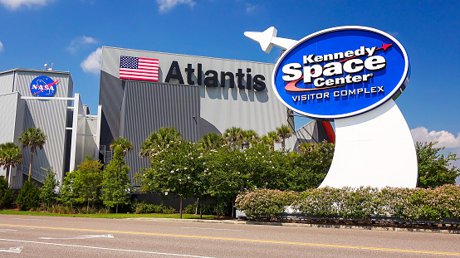
Kennedy Space Center Visitor Complex

Kennedy Space Center Visitor Complex is NASA's official visitor attraction, located on Merritt Island in Brevard County, Florida, about 50 to 60 miles east of Orlando via SR 528 (the Beachline Expressway). The drive from the Orlando area takes roughly 50 to 70 minutes, with cashless tolls of about $5 to $7 each way. The complex is open daily from 9 a.m. to 5 p.m., and one-day adult admission generally runs about $75 to $90 at the gate, covering the Space Shuttle Atlantis exhibit, the Apollo/Saturn V Center, and the Kennedy Space Center Bus Tour. As an active spaceport, Kennedy Space Center hosts frequent rocket launches that are often visible from across Central Florida.

So you've heard Orlando is the theme-park capital of the world. But here's what a lot of folks don't realize until they've lived here a while: about an hour east of your front door, NASA is launching actual rockets into space.

The Kennedy Space Center Visitor Complex is the public face of America's busiest spaceport, out on Merritt Island, a straight shot down the 528 from Downtown Orlando. Let's be upfront: this isn't a neighborhood you'd move to — it's federal property in a different county. But it's one of the best reasons to own a car in Central Florida.

Why Should an Orlando Local Care About a "Tourist" Attraction?

Fair question. KSC isn't a one-and-done bucket-list stop the way it is for someone flying in from out of state. For residents, it's a repeatable day out — the kind of place an annual pass pays for itself, where you bring guests, take the kids during their Apollo unit, or spend a rainy Saturday under a real Saturn V rocket. The biggest perk doesn't even need a ticket, as you'll see.

From Apollo to SpaceX: A Quick History

Kennedy Space Center has been NASA's primary launch site since the 1960s — the ground the Apollo missions left from, including the Apollo 11 Moon landing in 1969. Launch Complex 39, the pads you'll see on the bus tour, sent up every crewed Apollo flight and, later, the Space Shuttle program from 1981 to 2011.

What makes KSC special is that it never became a museum frozen in time. The same pads now host commercial spaceflight: SpaceX leases historic Pad 39A and launches from it constantly. So you're not just looking at history — you're standing in a working spaceport that's still very much in business. That blend of "we went to the Moon from here" and "we're still launching next week" is the whole appeal.

What You'll Actually See Out There

General admission covers more than 40 attractions. The ones worth planning your day around:

  • Space Shuttle Atlantis — the real orbiter, suspended mid-flight with payload doors open, after 33 missions and 126 million miles. The showstopper.
  • Apollo/Saturn V Center — reached by the included bus tour, home to an actual 363-foot Saturn V moon rocket on its side. Photos don't prepare you for the scale.
  • The Gantry at LC-39 — the complex's newest attraction, with 360-degree launch-pad views, a simulated rocket-engine test, and NASA's Earth Information Center.
  • Astronaut Encounter — a daily chance to hear a real, flown astronaut take questions (with paid add-ons to dine or chat one-on-one).
  • Rocket Garden & IMAX films — classic launch vehicles up close, plus big-screen space documentaries when you need a sit-down.

Budget five to six hours; the bus tour alone eats a couple.

Getting There: The Drive from Orlando

The route is simple: head east on SR 528, the Beachline Expressway, and stay on it. It's a fast, mostly cashless toll road — bring a SunPass or E-PASS, or expect a pay-by-plate bill. Tolls run roughly $5 to $7 each way. From the west side of the metro, you'll likely take Interstate 4 to reach the Beachline.

Rough one-way drive times:

  • Orlando International Airport (MCO): ~45 miles, 50–65 minutes
  • Lake Nona: ~50 miles, ~55 minutes
  • I-Drive / Universal area: ~52 miles, 55–70 minutes
  • Winter Garden / Horizon West (west side): ~60–65 miles, 70–80 minutes

East and south-side residents are closer; west-siders face a solid hour-plus. Parking is paid on-site, and the entrance is on Space Commerce Way — search "Kennedy Space Center Visitor Complex" in your GPS, not just "Kennedy Space Center," or you'll hit a security gate.

The Local Perk Nobody Tells You About: Watching Launches

Here's the part that turns new Floridians into instant space nerds. You do not have to drive to the coast to see a rocket launch. On clear days — and especially after dark — bigger launches from KSC and neighboring Cape Canaveral are visible from much of the Orlando area. People pull over on the 408 or step into the backyard to watch a bright dot climb east over the horizon.

Launches happen often enough that locals track them casually. Want the front-row version? Drive toward the Space Coast on launch day, or buy a launch-viewing package at the complex. Just know that on scheduled launch days, regular admission tickets aren't valid and the area gets crowded.

Make a Full Space Coast Day of It

Since you've already paid the tolls, don't waste the drive. KSC is only about 20 minutes from Cocoa Beach, so the classic move is rockets in the morning, beach at sunset. Need lunch or an errand on the island? Merritt Square Mall is right there.

It's a different flavor of day than the Walt Disney World or Universal Orlando routine — no two-hour lines, and you end it having stood under a moon rocket and put your toes in the Atlantic.

What It Costs and When to Go

Planning notes:

  • Hours: Open daily, 9 a.m. to 5 p.m. Last entry is one hour before close; the last bus tour leaves about 2.5 hours before close.
  • Price: One-day adult admission generally runs about $75–$90 at the gate (kids less). An annual pass lowers the per-visit cost if you go more than once.
  • Add-ons sell out: Chat With an Astronaut and the in-depth Explore bus tour book up — reserve those early.
  • Best timing: Arrive at opening to beat the heat and the bus-tour lines. Avoid scheduled launch days unless you've bought a launch package.

Worth the Drive? The Honest Pros and Cons

The Pros:

  • A world-class attraction within day-trip range of the whole metro
  • Pairs perfectly with a Space Coast beach day
  • Far calmer (and often cheaper) than a theme-park day
  • Living nearby means free launch views from home

The Cons:

  • An hour-ish each way plus tolls — not spontaneous for west-siders
  • Gate prices add up for big families without a pass
  • Launch days can scramble your plans (closures, crowds, invalid tickets)

What the Locals Know

Kennedy Space Center isn't somewhere you'll live, but it might be one of your favorite reasons to live here. It's the day trip you'll do more than once, the place you'll take every visitor, and the reason you'll learn to recognize the rumble of a launch rolling across Central Florida.

That's the quietly amazing thing about calling the Orlando area home: an hour in one direction is the most famous theme park on Earth, and an hour in the other is a working gateway to space. Not many places can say that. 🚀

For current hours, prices, and launch schedules, visit the official Kennedy Space Center Visitor Complex website. You can also learn more through NASA's Kennedy Space Center or find launch-viewing spots via Florida's Space Coast tourism.


Thinking about where in Central Florida to put down roots? Explore our Orange County communities or Contact Us for personalized relocation advice — we'll help you find the spot that fits your launch-watching ambitions!

May 28, 2026

Hiawassee Road: The Main Artery Running Through MetroWest

Hiawassee Road: The Main Artery Running Through MetroWest

The road that ties Orlando's most underrated master-planned community together

Hiawassee Road in Orlando

South Hiawassee Road runs north-south through the middle of MetroWest, a 1,805-acre master-planned community in southwest Orlando within the 32835 zip code. The road connects MetroWest's residential sections, the MetroWest Village shopping center, and the MetroWest Golf Club at 2100 S. Hiawassee Road. Kirkman Road forms MetroWest's eastern border, and the community's main entrance sits about 2.5 miles north of Universal Orlando Resort. MetroWest was developed in the 1980s by Debra, Inc. and now holds close to 10,000 residential units.

Every master-planned community has that one road. The one you live off of, shop along, and give directions by. In MetroWest, that road is Hiawassee.

If you're scoping out west Orlando neighborhoods, here's the thing about MetroWest: it doesn't get name-dropped alongside Dr. Phillips or Windermere, and frankly that's part of the appeal. It's a genuinely central, golf-course-anchored community where your money still goes further. And almost everything that makes it tick runs along a single spine: South Hiawassee Road.

So What Exactly Is Hiawassee Road?

South Hiawassee Road is a county road that runs north-south straight through the heart of MetroWest. While Kirkman Road forms the community's eastern border and MetroWest Boulevard hosts the grand main entrance, Hiawassee is the road doing the day-to-day heavy lifting on the inside.

Here's a detail most newcomers don't know: Hiawassee predates MetroWest entirely. Before development began, the land south of Hiawassee Road was endless orange groves split between the City of Orlando and unincorporated Orange County. When Orlando-based developer Debra, Inc. assembled the 1,805 acres in the early 1980s, Hiawassee Road was widened to handle the community that would rise around it. The road was already here; MetroWest grew up alongside it.

What You'll Find Along Hiawassee

Drive Hiawassee through MetroWest and you'll pass a remarkably complete slice of daily life without ever leaving the corridor.

The crown jewel is the MetroWest Golf Club at 2100 S. Hiawassee Road, sitting right on Lake Hiawassee. This 18-hole, par-72 public course was designed by legendary architect Robert Trent Jones Sr. and opened in 1987. It's been voted "Best Golf Course in Orlando" and has served as a U.S. Open and Champions Tour qualifying site. Having a course of that pedigree as your neighborhood's centerpiece is a rare thing.

For everyday errands, MetroWest Village anchors the shopping. Located where Hiawassee meets Westpointe Boulevard, this Publix-anchored center spans roughly 106,000 square feet with the grocery staples, quick-service dining, and services you'd want within a five-minute drive. The corridor is also dense with medical offices, dry cleaners, salons, and more than 50 restaurants scattered across the broader community.

Then there's the housing itself. MetroWest packs close to 10,000 residential units, including roughly fourteen condominium complexes and ten apartment communities, many lined up directly along Hiawassee. It's a true live-work-play layout, which was Debra, Inc.'s original pitch back in the 1980s.

The Education Angle

Just off the eastern edge, on Kirkman Road, sits Valencia College's West Campus, part of the area's higher-education network. Valencia was named the best community college in the country in 2011, and its proximity makes MetroWest popular with students and faculty alike. MetroWest Elementary on Lake Vilma Road has served families here since 1986.

Why Should You Care About a Road?

Fair question. Here's why Hiawassee matters if you're considering MetroWest: it's your connection to the rest of Orlando, and the location is genuinely excellent.

From Hiawassee, hop onto Kirkman Road south and you'll reach Universal Orlando and International Drive in about 10 to 15 minutes. The main MetroWest entrance sits just 2.5 miles north of Universal. Restaurant Row and Dr. Phillips are 15 to 20 minutes away. Downtown Orlando is about 10 miles northeast, and Interstate 4 is your gateway east toward UCF or the beaches.

Rough drive times from Hiawassee Road in MetroWest:

  • Universal Orlando / International Drive — 10-15 minutes via Kirkman Road
  • Dr. Phillips & Restaurant Row — 15-20 minutes
  • Downtown Orlando — 15-20 minutes
  • Walt Disney World — 20-25 minutes via the Florida Turnpike or I-4
  • Orlando International Airport (MCO) — about 30 minutes

For a community that feels tucked away behind its landscaped berms, MetroWest is shockingly well-connected, and Hiawassee Road is the thread that stitches it all together.

The Honest Pros and Cons of Hiawassee Road Living

We're not in the business of selling you a fantasy, so let's be real about what living along this corridor is actually like.

The Pros:

  • Central west Orlando location with quick access to Universal, I-Drive, and major roads
  • A nationally recognized golf course as your neighborhood centerpiece
  • Shopping, dining, and medical care all within the corridor
  • Home prices generally lower than Dr. Phillips or Windermere for comparable square footage
  • Mature, heavily landscaped streetscapes that feel like "an oasis in a busy city"

The Cons:

  • Hiawassee carries real traffic at peak hours—this is an urban-adjacent community, not a sleepy enclave
  • Higher density than the gated communities further west in Windermere
  • The condo-and-apartment mix means more renters and turnover in some sections
  • You'll feel the surrounding density of west Orlando, for better or worse

Local Tips for Navigating Hiawassee

A few things the locals know that the listing photos won't tell you:

Mind the rush. The Hiawassee-and-Kirkman corridor backs up during morning and evening commutes, especially near the Valencia campus when classes are in session. If you can flex your schedule, you'll thank yourself.

Know your section. "Living in MetroWest" covers everything from luxury single-family homes near the golf course to budget condos closer to the commercial strips. Where you land on Hiawassee dramatically changes the vibe and the price, so tour widely before deciding.

The 32835 shorthand. Every MetroWest address sits in the 32835 zip code. It's a handy filter when you're searching listings and want to stay inside the community proper.

What the Locals Know

Hiawassee Road isn't glamorous. It's not a scenic byway or a destination in itself. But it's the functional heart of one of Orlando's most quietly livable communities, the road that connects your front door to your golf game, your groceries, your kid's school, and the on-ramp to the rest of Central Florida.

That's the real story of MetroWest. It was built in the 1980s as a place to live, work, and play all in one footprint, and Hiawassee Road is what makes that promise actually work day to day. If you value central location and genuine value over a prestigious zip code, this corridor deserves a serious look. Not bad for an old citrus-grove road. 🎯

For more about the community, its history, and what's happening along the corridor, visit the official MetroWest Community website.


Curious whether MetroWest is the right fit for your move to Central Florida? Explore current listings on our MetroWest page, compare nearby Dr. Phillips options, or Contact Us for personalized relocation advice!

May 12, 2026

Commuting from MetroWest: Routes to Downtown Orlando, the Airport, and Major Employment Centers

Commuting from MetroWest: Routes to Downtown Orlando, the Airport, and Major Employment Centers

How to get from MetroWest to downtown, MCO, Universal, and the big job hubs — toll roads, drive times, and a few local shortcuts.

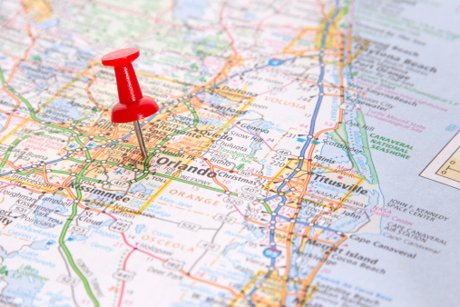
Commuting in Orlando

MetroWest is a master-planned community in west Orlando, Florida, located approximately 9-10 miles from Downtown Orlando in ZIP code 32835. The drive from MetroWest to Downtown Orlando takes about 15-20 minutes via SR 408 (the toll East-West Expressway), or up to 40 minutes during rush hour. Orlando International Airport (MCO) is roughly 16-17 road miles away, about a 23-minute drive via SR 408 east to SR 417 south. Universal Orlando Resort sits about 5 miles from MetroWest, and Valencia College's West Campus borders the community directly. SR 408, SR 417, and SR 528 are all Central Florida Expressway Authority toll roads that accept E-PASS and SunPass.

Here's the thing about MetroWest: it looks tucked away. Drive in past the golf course and the lakes, and you'd swear you were in a quiet suburb a long way from anything. Then you realize the toll expressway is right at the edge of the neighborhood, downtown is about ten minutes out, and you can be at the airport before your coffee gets cold. That's the MetroWest magic trick — feels secluded, commutes like it's downtown's next-door neighbor.

So if you're weighing a move to this corner of west Orlando, the big question is usually: how's the commute, really? Let's break down the routes, the realistic drive times, the tolls, and where traffic catches up with you.

Where MetroWest Sits (And Why Commuters Love It)

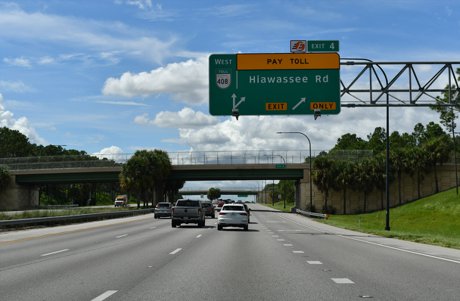
MetroWest is a mixed-use, master-planned community in Orange County, ZIP 32835, developed starting in the 1980s. It's bordered and fed by a handful of useful arteries: S. Kirkman Road (SR 435) on the east, Hiawassee Road to the west, Conroy Road running east toward I-4, and Metrowest Boulevard looping through the middle. The community sits just south of SR 408, the toll East-West Expressway, with quick access at the Kirkman Road (Exit 5) and Hiawassee Road (Exit 4) interchanges.

That positioning is the whole story. SR 408 is the backbone of the region's toll network, carrying more than 164,000 vehicles a day through downtown and giving you a fast, signal-free shot east or west. To the south, Kirkman Road drops you straight into the International Drive tourism corridor and Universal. Want to see exactly where it all is? Our where-is-MetroWest location guide maps it out.

Commuting to Downtown Orlando: ~10 Minutes If the Stars Align

This is the headliner. Downtown Orlando is only about 9-10 miles from MetroWest, and the drive on SR 408, the East-West Expressway, runs roughly 15-20 minutes in normal conditions. Fun fact: the stretch of 408 closest to MetroWest, from Kirkman Road eastward, was named the Arnold Palmer Expressway in 2017 — a nice nod to Orlando's most famous golfing resident.

Let's be real about rush hour, though. That same 10-mile run can creep toward 40 minutes when the 408 backs up approaching the I-4 interchange, which is the metro's notorious squeeze point. If you'd rather skip the tolls, SR 50 (Colonial Drive) runs parallel and free — but it's a stop-and-go arterial carrying up to 45,000 cars a day in spots, so you trade dollars for minutes. Most regular commuters happily pay the toll.

Getting to Orlando International Airport (MCO)

Flying out? MetroWest to Orlando International Airport (MCO) is about 16-17 road miles and, in light traffic, roughly a 23-minute drive. The cleanest route is SR 408 east to SR 417, the Central Florida GreeneWay, then south — the GreeneWay runs about 9.5 miles straight to the terminals.

Prefer a different path? You can also hop on Interstate 4 east and connect to SR 528, the Beachline Expressway, which skirts the north side of the airport. Either way, you're looking at well under half an hour to curbside — a genuine luxury if you've ever lived somewhere an airport run ate up a whole afternoon. Need the smaller field instead? Orlando Executive Airport (ORL) sits just east of downtown for general aviation.

The Major Employment Centers Within Reach

Commuting isn't just about downtown. MetroWest's real edge is how many of Central Florida's big job hubs sit within a short drive:

  • Universal Orlando Resort — about 5 miles south via Kirkman Road. With the massive Universal Orlando complex (including the new Epic Universe park) expanding its workforce, this is one of the metro's largest employers — and it's practically in MetroWest's backyard.
  • Valencia College – West Campus — borders the community directly. The Valencia College West Campus is a walk-or-roll-away anchor for students and staff alike.
  • Lockheed Martin — the aerospace plant sits at the south end of Kirkman Road near Sand Lake Road, a major engineering employer minutes from home.
  • Mall at Millenia — a quick run east on Conroy Road. The Mall at Millenia area is a retail and office hub right next to I-4.
  • Lake Nona Medical City — farther southeast via SR 417, the Lake Nona Medical City cluster is a 30-ish-minute haul, but doable for healthcare and research workers.

Add downtown's legal, finance, and government jobs to that list and you've got a neighborhood that puts you within reach of nearly every major employment sector in the metro — without committing to a soul-crushing commute in any single direction.

A Straight Word on Tolls

Here's the catch nobody mentions in the listing photos: MetroWest's best routes — the 408, 417, and 528 — are all Central Florida Expressway Authority toll roads. Budget for it. A typical downtown commute crosses two or three toll points, running roughly $2-4 a day with an E-PASS transponder, or noticeably more on Pay By Plate billing.

Do yourself a favor and get an E-PASS or SunPass before you move in. E-PASS customers save about 30% over cash-equivalent rates, and the transponder works statewide. (Toll rates ticked up a few cents per segment in mid-2025, so check current pricing.)

The Honest Pros and Cons

The Pros:

  • Central location — roughly 10 minutes to downtown, under 30 to the airport
  • Immediate expressway access via SR 408 (Kirkman and Hiawassee interchanges)
  • Walking-distance proximity to Valencia College and a 5-mile hop to Universal
  • Multiple job sectors reachable in different directions, so you're not locked into one corridor

The Cons:

  • Tolls are part of daily life — figure them into your budget
  • Rush-hour backups near the I-4/408 interchange can double your downtown time
  • Public transit (LYNX bus) exists but is slow for commuting — this is a drive-everywhere area
  • Kirkman Road itself gets congested near the I-Drive and Universal area

What the Neighbors Know

The locals' take is simple: MetroWest commutes punch way above what the quiet, gated-feeling streets would suggest. You get a master-planned community with a golf course and lakes, yet you're a short expressway hop from downtown jobs, the airport, the theme-park economy, and a college campus you can practically see from the neighborhood. For a lot of buyers — especially folks splitting time between downtown offices and the tourism corridor — that combination is hard to beat.

The trade-offs are real but manageable: you'll pay tolls, and you'll occasionally sit in 408 traffic like everyone else. Knowing your routes (and keeping a transponder in the car) turns those into footnotes. Curious how home prices track with all that convenience? Our MetroWest market report has the latest numbers. And if you're comparing nearby options, neighbors Windermere and Dr. Phillips share many of the same routes. 🚗

For current toll rates, route maps, and E-PASS account setup, visit the official Central Florida Expressway Authority website.


Thinking about calling MetroWest home? Explore MetroWest homes for sale or contact us for personalized, local relocation advice — we'll help you weigh the commute against everything else that matters.

May 12, 2026

The SR-408 Hiawassee and Kirkman Interchanges: A MetroWest Commuter's Guide

The SR-408 Hiawassee and Kirkman Interchanges: A MetroWest Commuter's Guide

How Exits 4 and 5 connect MetroWest to downtown Orlando, the theme parks, and the rest of Central Florida

The 408 Hiawassee and Kirkman Interchanges

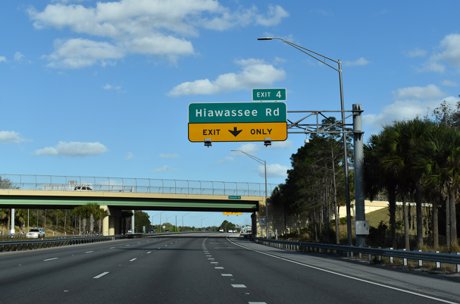
MetroWest in Orlando is served by two adjacent SR-408 interchanges: Hiawassee Road (Exit 4) and Kirkman Road, or State Road 435 (Exit 5), which sit roughly 0.8 miles apart. MetroWest's main entrance is on MetroWest Boulevard off Kirkman Road, making Exit 5 the community's primary gateway to the 22-mile Spessard L. Holland East-West Expressway. The drive from MetroWest to downtown Orlando, about 10 miles east, takes roughly 15 minutes off-peak via SR-408. SR-408 is an all-electronic, cashless toll road operated by the Central Florida Expressway Authority; a typical commute costs about $2 to $4 per day with E-PASS or SunPass.

Here's something most people house-hunting in MetroWest figure out within their first week: your daily life is quietly organized around two highway ramps. They're barely a mile apart, they both dump you onto the same expressway, and which one you pick can shave minutes off your morning. We're talking about the SR-408 interchanges at Hiawassee Road and Kirkman Road.

Before you wave this off as "just two exits," stick with us. If you're weighing a move to MetroWest, these ramps are the difference between a 15-minute glide to your downtown office and a white-knuckle crawl on a parallel surface street.

Meet the Two Exits That Run MetroWest's Commute

SR-408 runs east-west along the northern edge of MetroWest, and the community plugs into it at two consecutive interchanges:

  • Kirkman Road / SR-435 (Exit 5) — This is the front door. MetroWest's main entrance sits on MetroWest Boulevard right off Kirkman, so for most residents this is the default on-ramp heading east toward downtown or west toward the Turnpike.
  • Hiawassee Road (Exit 4) — Roughly 0.8 miles west of Kirkman, this exit serves the western side of MetroWest and the Hiawassee Road corridor. It's the smart pick if you live closer to the community's western edge or want to dodge a backed-up Kirkman ramp.

Because the two exits sit so close together, you've effectively got a built-in Plan B: if one ramp is jammed, the other is 90 seconds away. It's why we lean on the official 408 East-West Expressway guide whenever we map out a commute for buyers.

A Quick History: The Road Arnold Palmer's Name Is On

SR-408 isn't just any toll road. Officially the Spessard L. Holland East-West Expressway, it was first built between 1967 and 1971 as a downtown bypass for clogged Colonial Drive. For years it dead-ended near Kirkman Road on the west side — which is to say, right where MetroWest would later sprout.

That changed in October 1990, when the Western Extension pushed SR-408 out to Florida's Turnpike and added the Hiawassee mainline toll plaza. Fun fact for your next driveway chat: in 2016 the segment from Kirkman Road west to Clarke Road was renamed the Arnold Palmer Expressway, honoring the golf legend who called Orlando home for nearly 50 years — fitting, given that MetroWest is built around its own well-known course.

What It Costs: Tolls, Transponders, and Going Cashless

Let's be real — the toll question is the first thing every relocating buyer asks. The good news is it's modest, and the system just got simpler.

SR-408 is operated by the Central Florida Expressway Authority (CFX), and as of the end of 2025 it is fully cashless — no more coin baskets or cash booths. You'll either use a transponder or get billed by mail:

  • E-PASS or SunPass: The cheapest way to drive. A typical MetroWest commute through two or three toll points runs roughly $2 to $4 per day. E-PASS, SunPass, and E-ZPass all work on CFX roads.
  • Pay By Plate: No transponder? A camera reads your plate and mails an invoice at double the electronic rate — figure $4 to $8 a day for the same trip.
  • Volume discounts: Rack up enough monthly trips and E-PASS automatically credits you up to 25% back. For a five-day commuter, that adds up fast.

Our take: if you plan to commute, a transponder pays for itself almost immediately. The math overwhelmingly favors going electronic.

Where These Exits Actually Take You

This is where MetroWest earns its "heart of Orlando" reputation. From the Hiawassee or Kirkman ramp, SR-408 puts a huge slice of Central Florida within easy reach. Here's what your drive times look like (off-peak):

  • Downtown Orlando — about 10 miles east, roughly 15 minutes via SR-408. Quick access to Downtown Orlando employers, courts, and nightlife.
  • Universal Orlando & I-Drive — head south on Kirkman Road and you're at Universal Orlando in about 10 minutes, no expressway required.
  • Orlando International Airport (MCO) — east on SR-408, then south on the 417 Eastern Beltway or 528 Beachline Expressway, roughly 25-30 minutes.
  • The west side — head west and SR-408 hands you off to Florida's Turnpike and the 429 Expressway, your routes toward Winter Garden and Ocoee.
  • Interstate 4 — SR-408 crosses Interstate 4 downtown, connecting you to Tampa one direction and the Attractions corridor the other.

MetroWest borders Dr. Phillips and Windermere to the south and west, so weekend trips to Restaurant Row or the Butler Chain of Lakes don't even require the expressway.

The Real Deal: Pros and Cons of Commuting via SR-408

No location is perfect, and we'd be doing you a disservice to pretend otherwise. Here's the honest scorecard for MetroWest commuters.

The Pros:

  • Two adjacent on-ramps mean built-in flexibility when one backs up
  • One of the fastest downtown commutes of any Orlando suburb — often under 20 minutes
  • Direct toll-road links to the airport, the theme parks, and both coasts
  • Cashless tolling keeps traffic flowing through the plazas

The Cons:

  • Tolls are a real (if small) recurring cost — budget for them
  • The Kirkman ramp can stack up during peak rush hour
  • Toll rates tick up slightly most years under CFX's annual indexing policy

The toll-free alternative is Highway 50 (Colonial Drive), which parallels SR-408 just to the north. It costs nothing, but it's a stop-and-go arterial that carries up to 45,000 vehicles a day — fine in a pinch, painful at 5:30 p.m.

Local Tips From the Neighbors

A few things you only learn after living here a while:

  • Use Hiawassee as your escape hatch. When the Kirkman ramp is stacked during morning rush, slipping over to Exit 4 on Hiawassee Road can be the faster play, especially heading east.
  • Get the transponder before you move. A free E-PASS or SunPass sticker means you never deal with a Pay By Plate invoice — and you pocket the volume discount.
  • Going to the airport? Skip downtown. Take SR-408 east only as far as the 417, then cut south. It keeps you out of the I-4 mess entirely.
  • Westbound is your weekend friend. The same ramps that carry you to work open up quick getaways to the Turnpike, the beaches, and the quieter west-county towns.

What the Neighbors Know

For all the attention MetroWest's golf course and lakefront condos get, the community's real superpower is boring on paper and wonderful in practice: location. Those two unassuming SR-408 ramps at Hiawassee and Kirkman are the reason a MetroWest address can mean a sub-20-minute downtown commute, a 10-minute hop to Universal, and a clean shot to the airport.

If you work downtown or near the Attractions, value your weekday minutes, and don't mind a couple of bucks in tolls, MetroWest's access to the East-West Expressway is genuinely hard to beat in this part of town. It's the kind of quiet, day-in-day-out convenience that doesn't show up in a listing photo but absolutely shows up in your quality of life. 🚗

For current toll rates, exit details, and traffic updates, visit the official Central Florida Expressway Authority SR-408 page.


Thinking about a move to MetroWest or the surrounding west Orlando communities? Explore MetroWest homes for sale or contact us for personalized relocation advice — we'll help you find the home and the commute that fit your life.

May 12, 2026

Apopka-Vineland Road: MetroWest's Western Boundary and Connection to Dr. Phillips

Apopka-Vineland Road: MetroWest's Western Edge and the Local Route to Dr. Phillips

The quiet, unsigned corridor that links one of Orlando's most underrated communities to Restaurant Row

The Apopka Vineland and Conroy Windermere interchange

Apopka-Vineland Road is an unsigned county road (CR 435) running north-south through southwest Orlando, Florida. Its southern segment connects Old Winter Garden Road near Ocoee with Winter Garden-Vineland Road at Lake Buena Vista, passing along the western edge of MetroWest. The road continues south through the western side of Dr. Phillips, where it meets Sand Lake Road and the Restaurant Row dining district. Most of the route carries a 45 mph speed limit through residential neighborhoods, and the drive from MetroWest to Dr. Phillips takes roughly 15 to 20 minutes.

Every community has a "main road" everyone talks about. In MetroWest, that road is Hiawassee — the one that runs through the heart of the community. But here's something most newcomers never notice: there's a quieter road tracing MetroWest's western edge that quietly does a lot of work. Meet Apopka-Vineland Road.

It's unsigned, it's mostly 45 mph, and it doesn't show up in anybody's relocation brochure. So why are we writing about it? Because if you live in MetroWest and you've ever wanted to get to Dr. Phillips and Restaurant Row without wrestling I-4, this is the road locals use. Let's take a look at the back way.

What Exactly Is Apopka-Vineland Road?

Apopka-Vineland Road is an unsigned county road — technically CR 435 — that runs north and south through the western half of Orlando. The southern segment that matters most to MetroWest and Dr. Phillips residents stretches between Old Winter Garden Road (near Ocoee) at its north end and Winter Garden-Vineland Road, down at Lake Buena Vista by the Disney area, at its south end.

Head north and the road eventually points you toward Gotha and the Pine Hills vicinity. Head south and it carries you straight into Dr. Phillips and the theme-park corridor. In other words, it's one of the few continuous local roads stitching the west side of Orlando together — no tolls, no interstate, just a surface road that's been here longer than most of the neighborhoods around it.

A Little History (Or: Why the Name Sounds So Random)

Here's a fun fact for trivia night. The "Apopka" and "Vineland" in the name aren't decorative — they're the two ends the road originally tied together. This was a rural connector linking the citrus country up around Apopka with the old Vineland community down toward Lake Buena Vista, back when nearly all of southwest Orange County was orange groves rather than gated subdivisions.

The road predates MetroWest, Dr. Phillips' restaurant scene, and the theme parks entirely. As Orlando sprawled westward in the 1980s and beyond, the citrus groves became neighborhoods — but the old grove road stayed put. That's why the alignment can feel a little patchwork today: it bends, the name changes at a couple of intersections, and the county signs are inconsistent. It grew up around the road, not the other way around.

The MetroWest Side: Western Edge, Not the Whole Boundary

Let's be precise, because this trips people up. Apopka-Vineland Road runs along MetroWest's western edge — the western tip of the community, where it brushes up against the Florida Turnpike. It is not, technically, MetroWest's full western boundary. The City of Orlando draws that line mostly along South Hiawassee Road and Raleigh Street, and Hiawassee actually runs through the middle of MetroWest as its main interior artery. For the full story on that interior road, see our Hiawassee Road guide to MetroWest.

So think of it this way: Hiawassee is the spine running down the inside; Apopka-Vineland is the road skimming the outside western flank. For a 1,805-acre master-planned community sitting about 2.5 miles north of Universal Orlando, having both an internal artery and a western-edge connector is part of what makes MetroWest so easy to get in and out of. When you want a quick local hop down to Dr. Phillips, the western-edge road is your friend.

The Connection to Dr. Phillips

Here's where it gets useful. Follow Apopka-Vineland Road south from the MetroWest area and it carries you down into the western side of Dr. Phillips, curving between the Bay Hill and Sand Lake Hills neighborhoods before it links up with Sand Lake Road. And Sand Lake Road, of course, is Dr. Phillips Restaurant Row — 150+ restaurants and 30-plus global cuisines packed into Orlando's densest concentration of independent dining.

That's the payoff. From MetroWest's western edge, you're roughly 15 to 20 minutes from a Restaurant Row dinner, Bay Hill's golf, or Orlando Health Dr. P. Phillips Hospital on Turkey Lake Road — without ever touching the interstate. Want the deeper backstory on how that dining strip came to be? Our history of Sand Lake Road traces it from rural route to foodie destination.

Why This Route Matters for Your Commute

Let's be real: most people default to I-4 or Kirkman Road for everything. But both can be a slog at rush hour. Apopka-Vineland gives you a surface-street alternative that skirts the worst of it — handy when there's an I-4 backup or you just don't feel like merging into 65-mph chaos. It's also a calmer connector over to the Florida Turnpike entrances along MetroWest's southwestern edge.

The trade-off? It's a 45-mph residential road with traffic lights, not a speedway. If you're in a genuine hurry across longer distances, the interstate still wins. Apopka-Vineland is about avoiding stress, not setting land-speed records — and for a lot of west-side drivers, that's exactly the point.

Living Along the Corridor: The Real Deal

If you're weighing a home near this western corridor, here's the honest rundown:

The Pros:

  • A toll-free local route linking MetroWest, Dr. Phillips, and the Lake Buena Vista area
  • Quick, low-stress access to Restaurant Row, Bay Hill, and Turkey Lake-area amenities
  • MetroWest pricing that typically runs well below comparable Dr. Phillips inventory
  • Close to Bill Frederick Park at Turkey Lake and major highway entrances

The Cons:

  • The road is unsigned and its alignment bends — newcomers find it confusing at first
  • Mostly 45 mph with signals; not a fast through-route for long hauls
  • Residential stretches mean local traffic and the occasional school-zone slowdown

Our take: if you want urban-adjacent convenience and a quieter back way into Dr. Phillips, this corridor delivers real value. If you need a high-speed straight shot everywhere, you'll lean on I-4 instead. Either way, it's smart to understand both — and our Geography of Orlando guide is a great companion for mapping the whole west side.

What the Neighbors Know

Apopka-Vineland Road will never be famous. It's not a beltway, it's not a brand, and it doesn't have a single sign worth photographing. But the neighbors know it as the quiet shortcut — the old grove road that traces MetroWest's western edge and slips you down into Dr. Phillips while everyone else is stuck on the interstate.

That's the kind of local knowledge that doesn't show up on a listing sheet but absolutely shapes daily life out here. Knowing your back roads is half the secret to loving where you live in Central Florida. And on the west side, this is one of the good ones. 🚗

Because Apopka-Vineland Road is a county-maintained route, traffic, construction, and roadwork updates come from the county rather than an official road website. For current information, visit Orange County Government.


Thinking about a home near MetroWest's western edge or anywhere in southwest Orlando? Explore MetroWest and Dr. Phillips listings, or contact us for personalized relocation advice. We know these back roads.

May 12, 2026

Old Winter Garden Road: The Northern Border of MetroWest and Its Retail Corridor

Old Winter Garden Road: The Northern Border of MetroWest and Its Retail Corridor

The workaday commercial edge where MetroWest meets Orlovista — and why that boundary line matters for buyers

Old Winter Garden Road

Old Winter Garden Road forms the northern edge of the greater MetroWest area in southwest Orlando, FL (ZIP 32835), dividing MetroWest from the Orlovista community to the north. The corridor carries roughly 23,500 vehicles per day on the stretch just west of South Hiawassee Road and functions as a value-oriented retail and convenience strip rather than an upscale shopping district. Anchors include the Dollar General Marketplace at Oakhill Village (6536 Old Winter Garden Road) plus pharmacies, convenience stores, and Latin American grocers and eateries. Valencia College's West Campus sits about 1.8 miles away, and Old Winter Garden Road provides quick access to SR 408 to the north, Kirkman Road to the east, and Apopka-Vineland Road to the west.

Every well-defined Orlando neighborhood has an edge, and that edge usually has a name. For MetroWest — the master-planned community tucked into southwest Orlando — that northern edge is Old Winter Garden Road. Cross it heading north and you've left MetroWest for the older, unincorporated community of Orlovista.

Here's the thing: most MetroWest content gushes about the golf course, the lakes, and the polished interior. Far fewer people talk honestly about the road that draws the line up top. And that's a shame, because if you're house-hunting in 32835, the character of Old Winter Garden Road tells you a lot about what you're actually buying into — and what you're not.

Let's be real about this corridor: it's not a destination. It's a workhorse. But a useful one, and understanding it will make you a smarter buyer.

A Boundary Line First, a Road Second

Per the City of Orlando's neighborhood definitions, the greater MetroWest area is bounded by Kirkman Road on the east, Apopka-Vineland Road on the west, the Conroy Road area to the south, and Old Winter Garden Road along the northern edge. So when you hear "the north end of MetroWest," this is the line people mean. To the north sits Orlovista; to the south, MetroWest proper rolls down toward the lakes and eventually toward Dr. Phillips.

As the name hints, this is one of the older surface routes heading west toward the town of Winter Garden — it carried that traffic long before SR 408 and SR 50 took over the job. Today it's a busy local connector rather than a through-highway, which is exactly why it lined up so neatly as a neighborhood boundary when MetroWest was developed starting in the 1980s.

What's Actually on the Corridor (No Sugarcoating)

If you're picturing Restaurant Row or Winter Garden Village, recalibrate. The Old Winter Garden Road corridor is built around everyday needs, not weekend browsing. And honestly? For daily life, that's often more valuable.

Everyday Essentials and Value Retail

The anchor here is Oakhill Village, a Dollar General Marketplace-anchored center at the busy corner of Old Winter Garden Road and Hiawassee. Around it you'll find the practical stuff that actually matters when you live somewhere: pharmacies (CVS and Walgreens are close by), gas and convenience stores including a 7-Eleven, an AutoZone, and the kind of value-focused retail that keeps a household running without a trip across town.

It's not glamorous. But there's real convenience in being able to grab a prescription, fill the tank, and pick up groceries inside a five-minute radius of home.

A Genuine Latin Flavor

One thing that does give this corridor character: its food and grocery scene leans strongly Latin American, reflecting the diverse community on both sides of the road. You'll find independent international grocers like Orlando Grocery (6435 Old Winter Garden Road) and casual spots serving Brazilian, Colombian, and broader Latin fare. It's the sort of authentic, under-the-radar eating that chain-heavy suburbs simply don't have. For the bigger picture, browse our complete MetroWest restaurants guide and the MetroWest grocery guide.

Want the full retail rundown for the area, including the Publix-anchored MetroWest Village over on Hiawassee? Our comprehensive MetroWest shopping guide maps it all out.

Where This Road Can Take You

The corridor's real superpower is connectivity. From Old Winter Garden Road you're a short hop from the on-ramps that make MetroWest such an easy launch point across Central Florida:

  • SR 408 (East-West Expressway) — just to the north, your fastest route to Downtown Orlando. Read our guide to the 408 Expressway.
  • Kirkman Road — the eastern boundary, leading down toward Universal Orlando (about 4 miles away) and the I-4 corridor.
  • Apopka-Vineland Road — the western edge; see our Apopka-Vineland Road guide.
  • Valencia College, West Campus — roughly 1.8 miles away, a major draw for students and staff. More in our Valencia College guide.

That access is a big part of why MetroWest punches above its weight for commuters — you're close to downtown, the parks, and the attractions without paying Dr. Phillips or Windermere prices.

The Honest Trade-Offs of Living on This Edge

Now, let's address the elephant in the room. The northern edge of MetroWest is not the manicured part. Here's the straight talk.

The Pros:

  • More affordable entry point into the MetroWest area — value pricing compared to the community's interior or nearby Dr. Phillips and Windermere
  • Genuine everyday convenience: groceries, pharmacies, fuel, and quick bites within minutes
  • Excellent connectivity to SR 408, Kirkman Road, and Apopka-Vineland Road
  • Authentic, diverse dining you won't find in cookie-cutter suburbs
  • Close to Valencia College's West Campus and the Universal Orlando area

The Cons:

  • This is a busy surface road (around 23,500 vehicles per day near Hiawassee) — expect traffic and commercial frontage, not quiet curb appeal
  • The corridor blends into Orlovista, an older unincorporated area that is still improving in spots; quality varies block to block
  • Retail here is practical and value-tier, not upscale — for boutiques and fine dining you'll head south or east

Our Take:

If you want the MetroWest lifestyle and location at the most accessible price point — and you value convenience over polish — the northern edge is worth a serious look. If your priority is manicured streets and a quiet, purely residential feel, point your search deeper into MetroWest's interior or toward Dr. Phillips. And if upscale shopping is the goal, the Mall at Millenia is a quick run east via Conroy, while Restaurant Row in Dr. Phillips handles the fine dining just to the south.

What the Neighbors Know

Locals don't think of Old Winter Garden Road as a shopping destination — they think of it as the line that marks where their neighborhood begins, and the strip they hit for the unglamorous errands of daily life. That's not a knock. A neighborhood needs a workhorse corridor, and this one does its job: it feeds residents onto the expressways, keeps the essentials close, and serves up some genuinely good Latin food while it's at it.

For buyers, the lesson is simple. The road that borders a community shapes its identity as much as the homes inside it. Knowing that MetroWest's northern edge is convenient, diverse, and value-priced — rather than polished and pricey — helps you set the right expectations and find the right fit. That's the kind of ground-level honesty that turns a house hunt into a smart move. 🏡

For official neighborhood boundaries, maps, and city services for the area, visit the City of Orlando neighborhood resources.


Curious whether MetroWest's value edge is the right fit for your move? Explore current listings on our MetroWest homes guide or contact us for honest, local relocation advice across Central Florida!