Mills 50 & The Milk District: Orlando's Eclectic Districts
Two walkable neighborhoods east of downtown where murals, dive bars, and Michelin-level food collide
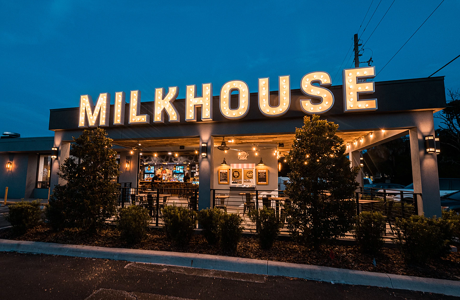
Mills 50 and the Milk District are two adjacent walkable districts in Orlando, FL, located just east and north of downtown. Mills 50 is centered on the intersection of Mills Avenue (U.S. 17-92) and State Road 50 (Colonial Drive) and was built largely by Vietnamese immigrants starting in the 1970s, earning the nickname "Little Vietnam." The Milk District, named for the T.G. Lee Dairy founded in 1925, sits about a mile southeast around East Robinson Street and North Bumby Avenue. Both are official City of Orlando Main Street districts and together hold more than a dozen Michelin Guide-recognized restaurants. In September 2025, National Geographic named Mills 50 "the most interesting neighborhood in Florida."
Here's something most people moving to Orlando don't realize: the real food-and-culture action isn't out by the theme parks. It's a few minutes east of downtown, in two scrappy, mural-covered districts locals are fiercely proud of — Mills 50 and the Milk District, arguably the most interesting square mile in Central Florida.
If your picture of Orlando is all roller coasters and chain restaurants, stick with us. These districts are where you go for late-night noodles, a dive bar with darts, and a storm drain someone turned into art. Whether you're scouting Downtown Orlando neighborhoods or just want to eat well, this is the corner of the city worth knowing.
Mills 50: Orlando's "Little Vietnam"
Mills 50 gets its name the simplest way possible — from the intersection of Mills Avenue (U.S. 17-92) and State Road 50, better known as Colonial Drive. Sitting directly north of downtown, it's one of Orlando's oldest neighborhoods, and one of its most layered.
Here's the history part. In the 1970s and '80s, after the fall of Saigon, Vietnamese refugees resettled in Central Florida and began opening markets, bakeries, and restaurants along Mills and Colonial. That "Little Saigon" became one of the largest clusters of Vietnamese-owned businesses in Florida. Today it's broader — Korean, Japanese, Filipino, Thai, and Latin spots have joined in — but the Vietnamese foundation is still the heartbeat of the place.
The food has gone from neighborhood secret to national news. Mills 50 now claims more Michelin Guide restaurants than any other part of the city, with several Bib Gourmand honorees inside the Mills Market food hall (formerly Tien Hung Market). In September 2025, National Geographic called Mills 50 "the most interesting neighborhood in Florida" — not bad for a strip of family-run shops along a state highway.
Then there's the art. Mills 50 has more large-scale murals than any district in Orlando, plus painted utility boxes, art drains, and decorated dumpsters, all part of a long-running public art program — a Saturday coffee run here feels like an art walk. For how it fits the city's wider creative scene, see our guide to Downtown Orlando's Cultural Core.
The Milk District: A "Culture of Subcultures"
Drift about a mile southeast and you hit the Milk District, a compact neighborhood just east of Thornton Park, roughly eight blocks by four. Its name is wonderfully literal: it's built around the T.G. Lee Dairy.
Fun fact for trivia night — in 1925, a Florida native named Thomas Gilbert Lee started a dairy farm here with one cow and twenty acres. It grew into a local institution, and the processing plant on Bumby Avenue is still running today. The surrounding strip of bars, shops, and restaurants adopted the "Milk District" identity, and in 2024 the city designated it one of Orlando's Main Street districts — among the newest in a program the city launched in 2008.
The Milk District calls itself a "culture of subcultures," and that's the honest pitch: dive bars, a billiards hall, vintage and record shops, the Plaza Live theater, and a Tuesday-night food truck gathering known as Tasty Tuesdays. It's small, a little kitschy, and genuinely walkable — you can catch a show, grab dinner, have a cocktail, and walk home.
What's the Food Actually Like?
The food is what draws people in, and between the two districts you'll find more than a dozen Michelin Guide-recognized restaurants. In Mills 50, the Mills Market food hall is the entry point, with several Michelin Bib Gourmand pop-ups under one roof. The district leans Asian and value-forward: Vietnamese pho and banh mi, Korean wings, Japanese small plates, and a stream of new wine bars and coffee shops. Many casual meals land in the $10–$25 range.
The Milk District counters with several Michelin-recognized spots of its own, anchored by Otto's High Dive, a Bib Gourmand cocktail bar that also earned a Michelin Exceptional Cocktails nod. Alongside the chef-driven places sit beloved old-school counter joints and delis locals have guarded for decades. Vegans aren't left out either; the district jokingly promotes its "Almond Milk District" plant-based options.
To compare scenes across the metro, read up on Restaurant Row in Dr. Phillips, the polished dining strip in Dr. Phillips, and the tourist-facing lineup along International Drive. Mills 50 and the Milk District are the grittier, more local counterpoint to both.
Getting There (and Getting Around)
Location is a big part of the appeal. Both districts sit just east of the downtown core, so you're rarely more than five to ten minutes from the central business district. Colonial Drive (SR 50) cuts straight through Mills 50, and the 408 East-West Expressway runs just to the south. For car-free days, downtown's SunRail station and LYNX bus hub are a short ride west, and the paved, three-mile Orlando Urban Trail threads the area for bikers and runners. To the north, Winter Park is about 15 minutes away.
Living Here: The Honest Pros and Cons
Now let's address the elephant in the room: this is not master-planned suburbia. If you're picturing a gated community with a clubhouse and three-car garages, these districts will surprise you — for better and worse. The housing is mostly older bungalows and small homes built between the 1920s and 1950s, in surrounding neighborhoods like Colonialtown North, Colonialtown South, and Lake Como.
The Pros:
- Truly walkable — restaurants, bars, and shops within blocks of home
- Minutes from downtown jobs and culture; easy expressway access
- Tons of character: historic homes, mature trees, and street art
- Many older homes have no HOA, which is rare in metro Orlando
- A genuine, diverse, locally owned community feel
The Cons:
- Smaller lots and homes; older roofs, plumbing, and wiring to budget for
- Nightlife means weekend noise and parking pressure on some streets
- Fewer big-box conveniences — you trade Costco for character
- Renovated bungalows near the action can run high per square foot
Our Take:
If you value walkability, food, and personality over square footage and newness, it's hard to beat this part of Orlando. If you need quiet, space, and turnkey new construction, you'll likely be happier elsewhere — our look at the geography of Orlando and where to live can help you weigh the trade-offs. Either way, run the numbers first with our honest cost of living in Orlando guide.
What the Neighbors Know
Mills 50 and the Milk District won't show up in many tourist brochures, and the people who live near them probably prefer it that way. These are the districts that remind you Orlando is a real, lived-in city — one with immigrant history, a serious food scene, and a creative streak that spills onto the walls.
The locals' secret? Go hungry, wear comfortable shoes, and treat a night here like a tasting menu of the whole city — murals in Mills 50 by day, a show and a drink in the Milk District after dark. Time it right and you'll catch the Tet Festival in winter or a Tasty Tuesday food truck night; for more, browse our Central Florida festivals and traditions roundup. 🎨
For current business listings, events, and maps, visit the official Mills 50 and Milk District websites, or the City of Orlando's Main Streets program.
Curious whether an urban Orlando neighborhood fits your life? Browse Downtown Orlando homes for sale or Contact Us for personalized relocation advice!