Trading salt air for sweet tea? Here's the real scoop on making the move inland.
So you've been living the coastal Florida dream – morning beach walks, afternoon paddleboarding, the sound of waves lulling you to sleep. But something's pulling you toward Orlando. Maybe it's a job opportunity, lower cost of living, or you're just tired of hurricane evacuations and flood insurance premiums. Whatever your reason, you're not alone.
Thousands of Floridians make this exact move every year, trading their flip-flops-at-the-office lifestyle for Orlando's unique blend of urban convenience and suburban charm. And here's the thing: it's not as dramatic a change as you might think. You're still in Florida, after all! But there are definitely some adjustments to prepare for.
Whether you're coming from Miami, Tampa, Jacksonville, or any beach town in between, here's your insider guide to making the transition smoothly.
What You'll Gain (That You Might Not Expect)
Let's start with the good stuff, because there's plenty of it. First up: your wallet will thank you. Orlando's housing costs are typically lower than South Florida's coastal communities, and you'll say goodbye to those sky-high flood insurance premiums. According to the Florida Realtors Association, inland properties often come with significantly lower insurance costs than their coastal counterparts.
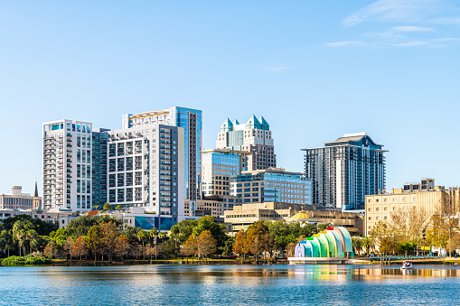
You'll also discover that Orlando has water everywhere – just not salt water. With over 100 lakes within the city limits alone, plus natural springs like Wekiva within easy reach, you won't be starved for waterfront living. Check out our Orlando Parks and Recreation guide to explore all the aquatic options.
What You'll Miss (And How to Cope)
Let's be real: you're going to miss the beach. There's no sugarcoating it. That spontaneous after-work swim? That's now a planned weekend trip. The ocean breeze that kept summer temperatures bearable? Orlando's humidity hits different without it.
But here's the silver lining: Cocoa Beach and New Smyrna Beach are only about an hour east via the Beachline Expressway, and suddenly beach day becomes an event – something special to look forward to rather than something you take for granted. Many Orlando transplants actually find they appreciate the coast more after moving away from it.
Pro tip: If you're really struggling with the beach withdrawal, consider neighborhoods on Orlando's east side like Lake Nona or Waterford Lakes – they'll shave precious minutes off your beach commute.
The Climate Adjustment
Here's something coastal transplants don't always anticipate: Orlando gets hotter in summer. Without that ocean breeze moderating temperatures, summer afternoons can feel more intense. On the flip side, winter nights get cooler inland – you might actually need that light jacket you forgot you owned.
The good news? Orlando's afternoon thunderstorms are legendary for cooling things down. And hurricane season, while still relevant, is far less stressful when you're not in a mandatory evacuation zone. Our Orlando Weather and Climate Guide breaks down what to expect throughout the year.
Moving Tips for Coastal-to-Orlando Transplants
Time Your Move Strategically
Avoid moving during peak summer months if possible. August in Orlando without your new AC set up? No thank you. Fall and early spring offer the most pleasant moving conditions.
Reconsider Your Vehicle
That convertible was perfect for coastal cruising, but Orlando's afternoon rain showers and longer highway commutes might have you reconsidering. Orlando is a driving city – check out our Orlando Transportation Guide to understand the road system.
Explore Before You Commit
Orlando's neighborhoods vary dramatically. The vibe in Winter Park is completely different from Downtown Orlando or Dr Phillips. Spend a weekend exploring different areas before deciding where to settle. Our Best Places to Live in Orlando guide is a great starting point.
Update Your Hurricane Kit
You'll still need one, but the priorities shift. Less emphasis on evacuation supplies, more focus on extended power outage preparedness since inland areas can go longer without restoration. See our Hurricane Preparedness in Orlando guide.
Embrace What Makes Orlando Special
Once you're settled, dive into what makes Orlando unique. The dining scene rivals any coastal city. The arts and culture offerings will surprise you. And yes, having world-class theme parks in your backyard means you can pop in for a couple hours rather than planning a whole vacation.
Orlando also offers something many coastal cities lack: affordable space. Bigger homes, actual yards, and neighborhoods designed for families rather than tourists. The Orlando Economic Partnership reports consistent job growth across multiple industries, making it an increasingly attractive destination for career-focused Floridians.
The Bottom Line
Moving from coastal Florida to Orlando isn't about giving up the Florida lifestyle – it's about trading one version of it for another. You're swapping beach sunsets for lake sunrises, ocean kayaking for spring-fed swimming holes, and seafood shacks for an incredibly diverse culinary scene. Yes, you'll miss the sand between your toes on Tuesday evenings. But you might just find that Orlando offers something the coast couldn't: room to grow, both personally and financially.
The coast will always be there for weekend getaways. And who knows? You might discover that being an hour from the beach makes you appreciate it even more than when it was in your backyard.
For comprehensive relocation planning, check out Visit Florida for state resources and regional information to help plan your move.
Ready to explore Orlando neighborhoods and find your perfect fit? Browse our Orlando Neighborhoods Guide or check out our Moving to Orlando Complete Guide for everything you need to know. Have questions? Contact us for personalized relocation advice!