Your comprehensive roadmap to making Central Florida your new home in 2025
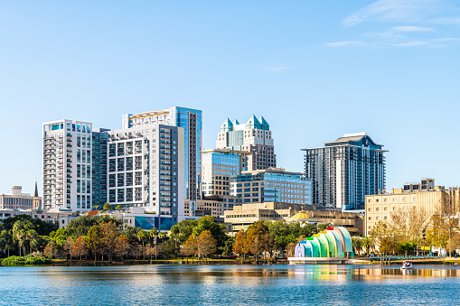
So you're thinking about moving to Orlando? Join the club! Central Florida has become one of the hottest relocation destinations in the country, and it's not just because of the theme parks (though that doesn't hurt). Every year, thousands of people from across the United States and around the world choose to call Orlando home, drawn by the combination of economic opportunity, year-round sunshine, no state income tax, and a quality of life that's hard to beat.
But here's the thing about moving to Orlando – it's not just one massive tourist attraction. The metro area is actually a diverse, sprawling region with distinct neighborhoods, each with its own personality and perks. Whether you're relocating for a job at UCF, retiring to sunny Florida, or just ready for a fresh start in a dynamic city, this guide will help you navigate everything you need to know before making the move.
Let's dive into what makes Orlando such a compelling place to live, what you need to know about the cost of living, where to settle down, and all the practical details that'll make your transition smoother than a freshly paved Florida highway.
Why People Are Moving to Orlando in Droves
The Orlando metro area has been experiencing explosive population growth for years, and the momentum isn't slowing down. Here's what's driving the migration:
- No State Income Tax: Florida doesn't tax personal income, which means more money in your pocket. For high earners, this can translate to significant annual savings.
- Booming Job Market: Beyond tourism and hospitality, Orlando has thriving tech, healthcare, aerospace, and simulation/training industries. Check out our Orlando Job Market and Economy guide for the full scoop.
- Affordable Housing (Relatively): Compared to major metros like New York, San Francisco, or even Miami, Orlando offers more bang for your housing buck – though prices have been rising.
- Weather: Let's be honest, 300+ days of sunshine is a major draw. Yes, it gets hot and humid in summer, but for many relocators, that beats snow and ice. Read more in our Orlando Weather and Climate Guide.
- World-Class Amenities: From theme parks to professional sports, fine dining to cultural institutions, Orlando punches above its weight for a metro of its size.
A Quick History: From Cattle Town to Theme Park Capital
Orlando wasn't always the gleaming metropolis you see today. The city was incorporated in 1875 and spent its early decades as a modest citrus and cattle town. The big transformation began in 1971 when Walt Disney World opened its gates, fundamentally changing Orlando's trajectory forever.
What followed was unprecedented growth. Universal Orlando arrived in 1990, SeaWorld expanded, and suddenly Orlando wasn't just a city with theme parks – it became a global destination. But here's what many people don't realize: the modern Orlando economy has diversified far beyond tourism. Today, it's home to major healthcare systems, one of the nation's largest universities (UCF), cutting-edge simulation and training companies, and a growing tech sector that's earned the nickname "Orlando Tech."
What to Expect: Cost of Living Breakdown
Let's talk numbers. Orlando's cost of living sits slightly below the national average overall, but there's nuance to consider:
Housing Costs
The median home price in the Orlando metro area hovers around $400,000 as of late 2025, though this varies significantly by neighborhood. Rent for a two-bedroom apartment typically ranges from $1,600 to $2,500 depending on location and amenities. Areas like Winter Park and Lake Nona command premium prices, while neighborhoods like Apopka and Kissimmee offer more affordable options.
Other Living Expenses
- Utilities: Expect higher electricity bills due to air conditioning running most of the year – budget around $150-250/month
- Transportation: Gas prices are typically lower than the national average, but Orlando is car-dependent
- Groceries: Slightly below national average
- Healthcare: On par with national averages, with excellent facilities available
Where to Live: Finding Your Perfect Orlando Neighborhood
Here's where moving to Orlando gets interesting – the metro area is massive and incredibly diverse. Your ideal neighborhood depends on your priorities, budget, and lifestyle. Here's a quick breakdown:
For Families with School-Age Kids
Focus on areas with top-rated schools like Oviedo, Lake Mary, and Winter Park. These communities offer excellent public schools, family-friendly amenities, and safe neighborhoods. Check out our Orlando Schools Guide for detailed information.
For Young Professionals
Downtown Orlando, Baldwin Park, and Winter Garden offer walkable urban living with restaurants, nightlife, and shorter commutes to city center jobs.
For Retirees and Active Adults
Consider master-planned communities in Clermont, Mount Dora, or the numerous 55+ communities throughout the metro area. Our Orlando for Retirees guide has all the details.
For Budget-Conscious Movers
Look at growing areas like Apopka, Sanford, and Kissimmee where you'll get more house for your money while still accessing Orlando's amenities.
For a comprehensive look at all your options, browse our Best Places to Live in Orlando guide.
Getting Around: Transportation Reality Check
Let's be real – Orlando is a car city. While there are public transit options like SunRail (commuter rail) and Lynx (bus system), most residents rely on personal vehicles for daily life. The good news? Parking is plentiful and gas is relatively affordable. The bad news? Traffic on Interstate 4 can be challenging, especially during rush hour.
The area is served by two airports – Orlando International Airport (MCO), one of the busiest in the nation, and Orlando Sanford International Airport (SFB) to the north. Additionally, Brightline high-speed rail now connects Orlando to South Florida, making Miami just a few hours away by train.
The Weather: What You're Really In For
Yes, Orlando has beautiful weather much of the year. But let's set realistic expectations:
- Summer (June-September): Hot, humid, and rainy. Afternoon thunderstorms are nearly daily. Temperatures regularly hit 90-95°F with high humidity.
- Fall (October-November): Absolutely perfect. Warm days, cool evenings, lower humidity.
- Winter (December-February): Mild and pleasant, though occasional cold fronts can bring temperatures into the 40s. No snow, but you'll want a light jacket.
- Spring (March-May): Beautiful, though humidity starts ramping up by late May.
Hurricane season (June-November) is real, but direct hits to Orlando are rare due to our inland location. Still, it's wise to have a hurricane preparedness plan.
The Orlando Lifestyle: What Makes It Special
Beyond the obvious theme park access (yes, annual passes are a thing, and yes, locals actually use them), Orlando offers a surprisingly rich lifestyle:
- Arts & Culture: The Dr. Phillips Center hosts Broadway shows, the Orlando Museum of Art showcases world-class exhibitions, and the Orlando Fringe Festival is one of the nation's largest.
- Sports: Root for the NBA's Orlando Magic, MLS's Orlando City Soccer Club, NWSL's Orlando Pride, and the UCF Knights.
- Dining Scene: Orlando's restaurant scene has exploded in recent years. From upscale dining to diverse international cuisines, there's something for every palate.
- Outdoor Recreation: Hundreds of parks, trails, and lakes offer kayaking, hiking, biking, and more. The nearby Atlantic coast and Gulf beaches are both about an hour away.
Practical Moving Tips: Making Your Transition Smooth
Ready to make the move? Here's what you need to know:
Before You Move
- Visit First: Spend time exploring different neighborhoods beyond the tourist areas
- Research Utilities: Check out our Orlando Utilities and Services guide to understand providers in different areas
- Consider Timing: Moving during summer means heat and higher humidity, but potentially better housing inventory
- Plan for No Basements: Florida homes typically don't have basements due to the high water table – factor this into your storage plans
After You Arrive
- Update your driver's license within 30 days (Florida DMV)
- Register your vehicle and get Florida plates
- Register to vote if desired
- Find a new doctor, dentist, and other healthcare providers
- Explore your new neighborhood – find your favorite coffee shop, grocery store, and local hangouts
The Honest Pros and Cons
Pros of Moving to Orlando:
- No state income tax
- Year-round warm weather
- Growing job market across multiple industries
- Excellent amenities and entertainment options
- Relatively affordable compared to other major metros
- Easy access to beaches, springs, and natural attractions
- Diverse, international community
Cons to Consider:
- Hot, humid summers
- Hurricane season requires preparedness
- Traffic can be challenging, especially on I-4
- Car-dependent lifestyle in most areas
- Tourist crowds in certain areas
- High property insurance costs
- Summer afternoon thunderstorms are intense
The Bottom Line
Moving to Orlando offers an incredible opportunity to enjoy Florida living without the sky-high prices of coastal cities. You're getting a dynamic, growing metro area with legitimate career opportunities, excellent amenities, and that Florida sunshine everyone's always talking about. Yes, it has challenges – the summer heat is real, traffic can test your patience, and you'll need to embrace hurricane preparedness – but for many people, the trade-offs are absolutely worth it.
The key to a successful move is doing your homework. Spend time researching neighborhoods, visit in different seasons if possible, and connect with locals to get the real scoop. Orlando has something for everyone, whether you're a young professional chasing career opportunities, a family seeking great schools and a safe community, or a retiree ready to enjoy the Florida lifestyle.
One final piece of advice? Don't try to see or do everything at once. Orlando is huge, and getting to know it takes time. Give yourself permission to explore gradually, make mistakes, and discover your own favorite spots. Before you know it, you'll be the one giving relocation advice to the next wave of Orlando newcomers! 🌴
For comprehensive information about living in Central Florida and official city resources, visit the City of Orlando website and the Visit Orlando tourism bureau.
Ready to start your Orlando house hunt? Browse our Orlando Neighborhoods Guide to explore homes for sale across the metro area, or contact our local experts for personalized relocation assistance. We know Orlando inside and out, and we're here to help you find your perfect Central Florida home!