Trading monuments and metros for theme parks and sunshine – your complete guide to the DC to Orlando move
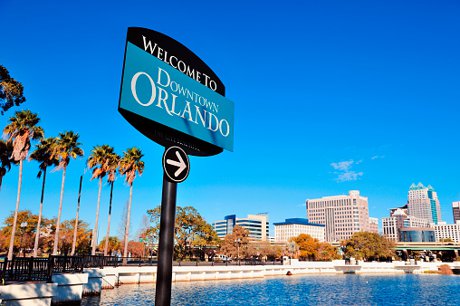
If you've been considering a move from the nation's capital to the theme park capital, you're not alone. More and more DC residents are trading their metro cards and winter coats for sunshine, lower taxes, and a completely different pace of life in Orlando. But here's the thing – while both cities are major metropolitan areas, the day-to-day experience couldn't be more different.
Whether you're moving for work, retirement, or just ready for a major lifestyle change, understanding what you're getting into will make your transition so much smoother. We've helped countless DC transplants make the move to Central Florida, and we're here to give you the real scoop – the good, the surprising, and the things nobody tells you until you're already here.
Let's break down what you need to know about swapping the Potomac for the theme parks and actually making Orlando feel like home.
What to Expect: The Big Differences
The first thing you'll notice when moving from Washington DC to Orlando? It's not just warmer – it's a fundamentally different way of living. DC is all about power suits, networking happy hours, and that constant buzz of political energy. Orlando? Think shorts and flip-flops, backyard pool parties, and conversations that rarely involve Capitol Hill drama.
The pace is slower here (except on I-4 during rush hour – we'll get to that). People are generally more laid-back, customer service feels friendlier, and the obsession with job titles and where you went to school is basically non-existent. If you thrived on DC's intensity and fast-paced professional culture, Orlando might take some adjustment. But if you're ready to exhale and enjoy life without the constant political undercurrent, you're going to love it here.
One of the biggest shocks for DC transplants? The lack of walkability. While DC has extensive metro coverage and walkable neighborhoods, Orlando is decidedly car-centric. You'll need reliable transportation, and saying goodbye to your metro card is just the beginning. But on the flip side, parking is abundant and usually free – imagine that after years of DC's parking nightmare!
Cost of Living Reality Check
Let's talk money, because this is probably one of your biggest motivations for considering the move. The cost of living in Orlando is significantly lower than DC – but it's not quite the bargain paradise some people imagine, especially with Florida's recent growth.
Housing: Here's where you'll see the biggest savings. The median home price in Orlando is roughly half what you'd pay in DC for comparable square footage. That Georgetown condo that costs $800,000? You can get a gorgeous single-family home with a pool in a great Orlando neighborhood for half that. Many DC transplants find they can upgrade to a much larger home with a yard – something that might have been out of reach in the DMV area.
Taxes: No state income tax in Florida. Let that sink in for a minute. If you're coming from DC where you're paying both federal and DC income tax, this alone can save you thousands annually. However, be aware that property taxes and insurance costs in Florida can be higher than you're used to, especially with rising home insurance rates.
Daily expenses: Groceries, gas, and utilities tend to be slightly cheaper than DC, though the gap isn't as dramatic as housing. Dining out is generally more affordable, and you'll find yourself with more discretionary income for entertainment and travel. Check out our Orlando Dining and Restaurant Scene to see what your food budget will get you.
The Weather Adjustment
You've survived DC winters – the snow, the slush, the icy sidewalks, the metro delays during even a dusting of snow. Orlando winters will feel like a gift from the heavens. We're talking 70-degree days in January, outdoor brunches in February, and never having to shovel anything ever again.
But summer? That's a different story. DC summers are humid and hot, but Orlando takes it to another level. From June through September, you're looking at 90+ degree days with humidity that makes you feel like you're swimming through the air. The good news? Every building has excellent AC, you'll spend a lot of time in your pool, and you learn to schedule outdoor activities for early morning or evening. Many Orlando residents actually prefer summer because the tourists thin out and everything is less crowded. For a detailed breakdown of what to expect throughout the year, check out our Orlando Weather and Climate Guide.
Hurricanes are real, but don't let the news coverage scare you too much. Orlando is inland enough that we typically get tropical storms rather than direct hurricane hits. You'll learn to keep batteries, water, and supplies on hand during hurricane season (June through November), but it becomes routine rather than terrifying. Most DC transplants find that dealing with occasional hurricane prep is far preferable to dealing with snow and ice all winter.
Finding Your Perfect Orlando Neighborhood
DC has its distinct neighborhoods – Georgetown, Dupont Circle, Capitol Hill – each with its own vibe. Orlando's the same way, but the geography is spread out. Here's how some Orlando neighborhoods might translate for DC folks:
If you loved Adams Morgan/U Street's urban vibe: Check out Downtown Orlando or SODO (South Downtown). These areas offer walkable neighborhoods, condos, and an arts/nightlife scene. It's the closest you'll get to DC's urban energy, though on a smaller scale.
If you were a Georgetown/Chevy Chase type: Winter Park is your answer. Historic, upscale, tree-lined streets, boutique shopping on Park Avenue, and excellent restaurants. It's got that established, cultured feel that DC professionals appreciate.
If you liked Arlington's suburban convenience: Baldwin Park or Lake Mary might be perfect. Master-planned communities with good schools, shopping, and a suburban feel without being too far from the action.
If you were eyeing Northern Virginia's newer developments: Lake Nona is Orlando's answer – a modern, master-planned community with cutting-edge development, excellent amenities, and a forward-thinking vibe.
Browse our complete Orlando Neighborhoods Guide or check out our Best Places to Live in Orlando for a comprehensive comparison of neighborhoods based on your lifestyle needs.
Job Market and Career Opportunities
Let's address the career elephant in the room: Orlando's job market is different from DC's government-and-contractor-heavy economy. But that doesn't mean there aren't excellent opportunities – they're just in different sectors.
Orlando's economy is diverse, with major industries including:
- Technology and Simulation: Thanks to UCF's research programs and the legacy of the space program, Orlando has a growing tech sector, particularly in simulation, gaming, and defense contracting
- Healthcare: Major systems like Orlando Health and AdventHealth are constantly hiring, and Lake Nona is becoming a significant medical city
- Hospitality and Tourism: Obviously huge here, but it's not just theme park jobs – there's convention planning, hotel management, and tourism marketing at every level
- Finance and Professional Services: Growing sectors as more companies establish Florida presences for tax advantages
Many DC transplants successfully transition to remote work before moving, which solves the job challenge entirely. If you're established in your DC career, negotiating a remote arrangement before moving gives you the best of both worlds – DC salary with Orlando cost of living. Learn more about the economic landscape in our Orlando Job Market and Economy guide.
Transportation and Getting Around
Time to have the talk: you're going to need a car. Actually, if you're a two-adult household, you'll probably want two cars. There's no getting around Orlando's car-dependent culture the way you could rely on DC's metro system.
The good news? No more metro delays, track fires, or waiting in the rain for buses. Gas is cheaper than DC, parking is everywhere and usually free, and traffic – while it exists – is more predictable. Yes, I-4 can be a nightmare, but it's not the constant gridlock of the Beltway. Most Orlando residents find that even with a longer commute distance-wise, their actual commute time ends up being similar to or shorter than their DC commute.
Orlando does have SunRail, a commuter rail system, but it's limited in scope compared to DC Metro. There's also Lynx bus service, but let's be real – most people drive. Get familiar with our Orlando Transportation Guide to understand your options.
One huge perk? Orlando International Airport (MCO) is fantastic – modern, efficient, and with direct flights to everywhere. Plus, with Brightline high-speed rail now connecting Orlando to South Florida, you can be in Miami in three hours without dealing with I-95 traffic.
What You'll Miss (and What You Won't)
You'll miss:
- The Smithsonians and free world-class museums on every corner
- The metro system (even with its flaws)
- Cherry blossoms and actual fall foliage
- Being at the center of national political conversations
- The dense walkability of certain neighborhoods
- The diverse international food scene (Orlando's is good, but DC's is exceptional)
You won't miss:
- Winter. Just... winter.
- The insane cost of housing
- DC's status anxiety and competitive culture
- State and local income taxes
- The constant political intensity of everyday life
- Tourist crowds 24/7 (Orlando has tourists too, but you can avoid them)
Orlando has its own cultural scene – check out Orlando Arts and Culture and discover the Dr Phillips Center for world-class performing arts.
Moving Tips for the DC to Orlando Transition
Ready to make the move? Here are some practical tips from people who've done it:
Before You Move:
- Visit Orlando during summer, not just winter – make sure you can handle the heat before committing
- Research neighborhoods thoroughly and spend time driving around during different times of day
- If keeping your DC job remotely, get everything in writing about your work arrangement
- Start researching homeowners and flood insurance early – it's more complex in Florida
During the Move:
- The drive is about 900 miles and takes 13-14 hours – plan for overnight stops in North Carolina or South Carolina
- Consider hiring professional movers who specialize in long-distance moves – the heat can make DIY moving brutal
- Ship winter clothes and coats to storage or donate them – you'll wear them maybe once a year
After You Arrive:
- Update your driver's license within 30 days (Florida DMV is actually pretty efficient)
- Register to vote if you want to participate in local elections
- Join local groups or clubs to build your social network – Orlando residents are generally welcoming to newcomers
- Get annual passes to the theme parks if you have kids (or if you're a kid at heart) – they make great weekend entertainment
For a complete moving checklist, see our Moving to Orlando Complete Guide.
The Bottom Line
Moving from Washington DC to Orlando is a major lifestyle shift, not just a change of address. You're trading power suits for swimsuits, metro cards for car keys, and political intensity for a more relaxed pace of life. The cost of living savings alone can be life-changing, especially when you see what your DC housing budget can buy you in Orlando – think pools, space, and actual yards.
Is it the right move for everyone? No. If you thrive on DC's political energy, need urban density and walkability, or your career is tied to the federal government, Orlando might feel like too much of a departure. But if you're ready for lower taxes, better weather, more space, and a lifestyle that prioritizes fun and family over climbing the ladder, Orlando could be exactly what you're looking for.
The DC transplants we've worked with almost universally say the same thing: they wish they'd made the move sooner. Once you adjust to the pace and embrace the Florida lifestyle, it's hard to imagine going back to those DC winters and that insane cost of living.
For more information about making Florida your home, visit the official Visit Orlando website to explore everything Central Florida has to offer.
Ready to start your DC to Orlando adventure? Browse our Orlando Neighborhoods Guide to find your perfect community, or contact us for personalized relocation advice from people who understand both cities! 🌴