The Neighborhood Blog

The Neighborhood Blog features a variety of community, attraction and development update information for communities throughout the Orlando Metro and Central Florida Region.

March 16, 2026

Celebration's Exotic Car Festival and Other Unique Annual Events You Won't Want to Miss

Celebration's Exotic Car Festival and Other Unique Annual Events You Won't Want to Miss

From Ferraris on the lakefront to engineered snowfall on Market Street — Celebration's event calendar is unlike anything else in Osceola County
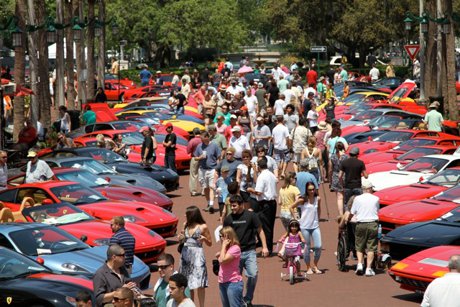
Celebration Exotic Car Festival

Celebration, Florida hosts the annual Exotic Car Festival each April — a five-day charity event featuring 300+ rare exotic, race, and Hollywood movie cars displayed along the lakefront boardwalk of Celebration Town Center, with 100% of net proceeds benefiting Make-A-Wish and other children's charities. Now in its 23rd year (April 10–14, 2026), the festival is recognized as one of the largest charity exotic car events in the world, drawing more than 40,000 attendees. Celebration also hosts Now Snowing — a nightly holiday tradition running late November through December 31st — along with a year-round Sunday Farmers Market and a robust annual events calendar that sets this Osceola County community apart from every neighboring city.

Here's something most people considering a move to Central Florida don't fully appreciate: Celebration doesn't just have good architecture and walkable streets. It has a genuinely remarkable events calendar — one that's been quietly turning this master-planned community into one of Florida's most festive neighborhoods. The crown jewel? The Celebration Exotic Car Festival: 300+ Ferraris, Lamborghinis, and Hollywood movie cars lined up along a lakefront boardwalk, raising millions for children's charities. And that's just one event on a calendar that makes living here feel like winning the location lottery.

The Exotic Car Festival: How a 50-Car Event Became a World-Class Charity Spectacle

The Celebration Exotic Car Festival started in 2004 as a modest, 50-car, one-day event. Twenty-plus years later, it has grown into one of the largest charity exotic car shows in the world — still 100% volunteer-run, which is honestly remarkable when you see the scale of it.

The 23rd annual festival runs April 10–14, 2026, and the numbers are staggering: more than 300 rare exotic cars, race cars, and Hollywood movie cars; over 40,000 expected attendees; 350 VIPs; and celebrity sightings throughout the week. Many of the vehicles on display are valued at more than $1 million. Since inception, the festival has donated over $7 million to children's charities including Make-A-Wish, Special Olympics, Arnold Palmer Children's Hospital, and the Moffitt Cancer Center.

The five-day schedule is more than just a car show — it's a full production:

  • Opening Concert: The 2026 festival kicks off with legendary arena rock band Triumph — their first tour in 30 years — at Hard Rock Live Orlando on April 10th.
  • The Concours: Saturday morning, 300+ exotics line Celebration's spectacular lakefront promenade along Lake Rianhard for world-class concours judging. This portion is free to attend — Saturday 9am to 4pm — making it accessible to every Central Florida resident.
  • The Rally: A police-escorted exotic car rally winds through the open roads of Central Florida. Participants describe it as one of the more surreal things you'll ever witness in this region.
  • Daytona Speedway Days: The event concludes at Daytona International Speedway, where participants drive their exotic and race cars on the world-famous track — the only private event of its kind allowed there.

Now Snowing: Central Florida's Original Holiday Tradition

Let's be real — the idea of "snow" in Florida sounds like a punchline. But Celebration has been delivering it every December since the community's earliest years, and it has grown into one of the most beloved holiday experiences in Central Florida.

Now Snowing runs nightly from late November through December 31st. Engineered snow cascades down Market Street at 6, 7, 8, and 9 pm every evening — including Christmas Day — and the effect is genuinely magical. The event is entirely free, with free parking available in surrounding lots and on Celebration Avenue.

The full Now Snowing experience includes:

  • Ice skating rink in Town Center
  • Horse-drawn carriage rides (several styles available from Misty Blue Carriage Company, starting at $75 for up to 4 passengers)
  • Charles Dickens-style strolling carolers
  • A holiday train ride
  • Visits with Santa and Mrs. Claus through December 24th
  • A tree lighting ceremony that kicks off the entire season
  • The December Holiday Art Walk on Market Street (usually mid-December, 5–9:30pm)

For residents, this isn't a tourist attraction — it's a neighborhood tradition. The fact that you can literally walk from your front door to a December snowfall is exactly the kind of thing that makes Celebration's lifestyle pitch so compelling to relocating families. Visit our Things to Do in Celebration guide for the full annual entertainment picture.

The Sunday Farmers Market: 52 Weeks a Year

Not every great community event requires a headline performer or a police escort. Sometimes it's just fresh produce, a good cup of coffee, and your neighbors — every Sunday, all year long.

The Celebration Farmers Market runs every Sunday from 9am to 1pm (with some seasonal hour adjustments) right in the heart of downtown, on Market Street. Fresh produce, local honey, handmade crafts, prepared foods, jewelry, and artisan goods rotate through the vendor lineup weekly. It's the kind of institution that anchors a community's social life without anyone making a big deal about it — which is exactly why it works so well.

For prospective buyers, this matters more than you might think. A weekly farmers market isn't just a convenience — it's evidence of sustained community engagement. Celebration's market has been running for years because residents actually show up. No square-footage spec sheet can communicate that.

The Rest of the Calendar: Oktoberfest, Art Walks, and Summer Concerts

Beyond the flagship events, Celebration's Town Center runs a consistent schedule of community programming throughout the year. Oktoberfest in the fall brings a distinctly un-Florida energy to Market Street. Summer concert series at the amphitheater give residents a reason to gather on weekday evenings. The Celebration Art & Holiday Market each December brings dozens of local artists to the street for paintings, jewelry, woodwork, and more.

The community's Arts & Culture identity runs deep — this is, after all, a neighborhood where Philip Johnson, Michael Graves, and Cesar Pelli designed the public buildings. The event programming reflects that same sensibility: there's always something worth showing up for, and it's rarely generic. Adjacent Kissimmee has its own vibrant festival scene along the US 192 corridor, but Celebration's events lean distinctly toward the curated and upscale.

What the Locals Know

If you're evaluating Celebration as a place to live, the events calendar is actually one of the underrated selling points. Most communities in Osceola County have real estate amenities — parks, pools, trails. Celebration has those too (26+ miles of interconnected trails, to be specific). But very few communities anywhere in Central Florida have a self-sustaining events identity: a world-class charity car show, a beloved holiday tradition that draws 27 years of repeat visitors, and a weekly farmers market that functions as a genuine social institution.

The practical upside for residents: you don't have to drive to Orlando for cultural programming. It comes to your lakefront. For families who relocated here for Disney World proximity and stayed for the quality of life, that distinction matters enormously. Check out our Celebration Parks & Recreation and Celebration Restaurants & Dining guides to round out your picture of what everyday life here actually looks like.

And if you're considering the broader Osceola County market, Celebration's events infrastructure is a meaningful differentiator — one that holds its value as surrounding communities continue to develop. It's also worth noting that the Exotic Car Festival's Saturday concours is free admission, which means the whole community participates, not just VIP ticket holders. That's by design, and it reflects the kind of community this was built to be.

For full event details, dates, ticket information, and the current year's schedule, visit the official Celebration Exotic Car Festival website.


Curious about what it's like to live in Celebration year-round? Explore our Celebration Homes for Sale hub or browse our Things to Do in Celebration guide. Ready to talk specifics? Contact us for personalized relocation advice. 🚗

March 11, 2026

Kissimmee Arts Festivals & Events: From Florida Mosaic to Lakefront Art Markets

Kissimmee Arts Festivals & Events: From Florida Mosaic to Lakefront Art Markets

A year-round guide to Osceola County's most vibrant cultural celebrations — and why they make Kissimmee such a compelling place to call home

Kissimmee Arts Festivals

Kissimmee hosts a robust calendar of annual arts festivals and cultural events centered in historic downtown and at Kissimmee Lakefront Park on Lake Tohopekaliga. The signature event is Florida Mosaic: A Festival of the Arts, a free juried outdoor art festival held each spring along Broadway Street in downtown Kissimmee, organized by Osceola Arts and featuring 100+ artists competing for $15,000 in prize money. Osceola Arts, founded in 1960, is the county's primary performing and visual arts organization and produces more than 150 theatrical performances a year. Viva Osceola, held at Lakefront Park during Hispanic Heritage Month, is the region's largest Hispanic cultural festival with more than 30 years of community history. Kissimmee's diverse arts programming reflects its multicultural population and makes it a culturally active destination for Osceola County residents.

Here's something people moving to the Orlando metro often underestimate about Kissimmee: it has a genuinely thriving arts and cultural scene. We're talking about a full-calendar lineup of events rooted in real community identity — from a spring fine arts festival that turns downtown Broadway into an open-air gallery to lakefront celebrations drawing thousands for Hispanic Heritage Month. The cultural heartbeat of Osceola County runs strong here, and if you're considering a move, it's worth knowing exactly what's on the calendar.

Florida Mosaic: The Signature Arts Event of Downtown Kissimmee

Every spring, Broadway Street in historic downtown Kissimmee transforms into something genuinely special. Florida Mosaic: A Festival of the Arts is an annual outdoor juried art festival organized by Osceola Arts in partnership with the City of Kissimmee and Kissimmee Main Street, typically held over a spring weekend in April.

Here's what makes it stand out from your typical outdoor market: this is a juried fine arts festival, meaning artists apply and are selected for quality. More than 100 local and national fine artists set up along Broadway, competing for $15,000 in prize money. The lineup spans paintings, sculpture, photography, mixed media, jewelry, and fine crafts — and there's a separate local artisan and craft market running alongside the main show.

For residents, admission is completely free. The festival is walkable from public parking garages in the area, runs from 10am to 5pm, and includes live entertainment and student art exhibits. It's the kind of event that gives you the Saturday you want in April — gorgeous weather, interesting art to browse, live music in the background, and the downtown Kissimmee waterfront a few blocks away.

Osceola Arts: The Cultural Anchor Year-Round

Florida Mosaic doesn't exist in isolation — it's the flagship public event of Osceola Arts, which has been Kissimmee's creative cornerstone since 1960. Located in downtown Kissimmee, Osceola Arts produces more than 150 theatrical performances per year, making it a serious cultural institution by any measure.

For residents, this means professional-level entertainment without driving to downtown Orlando — Broadway-style productions, concerts, comedy shows, and nationally recognized performers on a consistent schedule. Beyond performances, Osceola Arts runs youth theater (Young Actors Company), a Youth Orchestra, arts classes for adults, and the ARTisNOW public mural initiative that has filled downtown Kissimmee's Broadway corridor with striking street-level art. Explore more area arts programming in our comprehensive Kissimmee arts and culture guide.

A Year-Round Cultural Calendar Worth Knowing

Beyond Florida Mosaic, Kissimmee runs a rich calendar of cultural events that tells you a lot about who lives here. Here's the resident's guide to the highlights:

Taste of Kissimmee (February)

Held at Kissimmee Lakefront Park's Ruby Plaza, this culinary celebration combines food and culture in a signature way — local restaurants and vendors set up alongside live music and cultural performances that reflect the city's diverse heritage. For anyone who wants to understand Kissimmee's dining scene in a single afternoon, this is the event to attend. Check out our complete Kissimmee restaurants and dining guide for year-round dining options.

Kowtown Festival (March)

Every March around the 22nd, Kissimmee celebrates its city birthday at Kissimmee Lakefront Park. Kowtown (a nod to Kissimmee's cattle ranching heritage) is a free, full day of live music, food trucks, vendors, and a KUA Kids Power Zone. It's a community-centered event that draws longtime residents and newcomers alike — and a great way to get oriented to the city's personality quickly.

Viva Osceola Hispanic Festival (Hispanic Heritage Month)

Osceola County's largest Hispanic cultural festival has run for more than 30 years. Held at Kissimmee Lakefront Park during Hispanic Heritage Month, Viva Osceola brings the community together for live music, Latin cuisine, cultural performances, and family activities. Given that Kissimmee has the largest Puerto Rican community in Florida and is also home to large Venezuelan, Cuban, and Colombian populations, this is a genuine celebration of the city's core identity — not a token cultural event.

Monumental 4th of July (July)

One of the largest Independence Day fireworks displays in the region fires over Lake Tohopekaliga right at Kissimmee Lakefront Park. Live entertainment and food vendors precede a fireworks show that benefits enormously from the wide-open lake backdrop.

Orlando Japan Festival and Festival of Lights (November–December)

November brings the Orlando Japan Festival to Lakefront Park — traditional Japanese music, cosplay competitions, taiko drumming, and street food in a setting that showcases Kissimmee's cultural openness. December follows with the Festival of Lights Parade along Broadway Avenue, where illuminated floats and community performances draw some of the largest crowds on the downtown calendar. Find even more things to do in our complete Kissimmee entertainment guide.

Art Markets, Public Art, and Ongoing Programming

Beyond annual festivals, Kissimmee has a steady arts market and exhibition culture. The Pioneer Day Celebration's Farmers Market at Pioneer Village in Shingle Creek Regional Park pairs local produce with artisan vendors in a heritage setting — handmade goods on the grounds of a 19th-century working pioneer village is a distinctly Kissimmee experience. Osceola Arts maintains rotating visual arts exhibitions at its downtown gallery space year-round.

Celebration to the northwest hosts seasonal arts events as well, and the broader Osceola County parks system carries a consistent recreation and cultural programming calendar. The region's cultural depth, taken as a whole, goes well beyond its theme park reputation.

What This Means If You're Moving to Kissimmee

For people evaluating Kissimmee as a place to live — particularly those coming from metros with active arts scenes — this calendar matters. It means your kids can take a Young Actors Company class or join the Youth Orchestra. It means you can see a professional theater production on a Friday night without a long drive. It means your April weekends include a nationally recognized fine arts festival downtown, free.

It also means something more intangible: Kissimmee has a community identity that runs deeper than its proximity to theme parks. Florida Mosaic, Viva Osceola, and Kowtown aren't manufactured experiences — they're authentic reflections of who lives here and what the community values. Browse Kissimmee homes for sale to find a neighborhood close to the cultural heart of the city.

What the Locals Know

Kissimmee's arts and festivals calendar is anchored by two things: the downtown Broadway corridor and Kissimmee Lakefront Park on Lake Toho. Florida Mosaic in April, Viva Osceola in the fall, and Kowtown in March are the three events that define the community calendar year. Osceola Arts keeps consistent cultural programming running the rest of the year — live theater, gallery exhibitions, youth programs, and public art initiatives that make the Broadway corridor one of the more visually interesting downtown districts in Central Florida.

There are very few places in the Orlando metro where you can stand at a spring art festival, hear live music, and look out over a world-class fishing lake at the same time. That's the Kissimmee experience — and it's one worth knowing about before you decide where to plant roots. 🎨

For current schedules, tickets, and programming details, visit Osceola Arts and Experience Kissimmee — both maintain up-to-date event calendars throughout the year.


Ready to explore Kissimmee neighborhoods and find your place in the heart of Osceola County's cultural community? Browse our Kissimmee homes for sale or explore our complete Kissimmee arts and culture guide for more on everything this city has to offer. Questions? Contact us anytime for personalized relocation advice.

March 11, 2026

Downtown Kissimmee's Public Art & Mural Scene: Broadway, Sculptures & Street Art

Downtown Kissimmee's Public Art & Mural Scene: Broadway, Sculptures & Street Art

How ARTisNOW, the Monument of States, and a free sculpture tour are turning Kissimmee's historic core into an outdoor gallery

Kissimmee Downtown Art Scene

Downtown Kissimmee's ARTisNOW public murals program, run by Osceola Arts, has placed nearly 30 large-scale murals along Broadway Avenue and surrounding streets in the historic downtown core. The program earned the city the 2025 Downtown Beautification and Innovation Award, and several murals include QR codes that activate free self-guided walking tours with augmented reality features. The Monument of States, a 50-foot step-pyramid sculpture at 300 E. Monument Avenue built in 1943 from over 1,500 donated stones, sits at the northern edge of Kissimmee Lakefront Park and is listed on the National Register of Historic Places. Downtown Kissimmee also offers a free Kissimmee Sculpture Tour featuring dozens of original artworks donated by artists each year throughout the historic street grid.

Here's something most people moving to the Orlando area don't realize: Kissimmee has quietly built one of the most impressive outdoor art scenes in all of Central Florida. While visitors zoom past on their way to Walt Disney World, the residents of Kissimmee's historic downtown are surrounded by nearly 30 bold, story-driven murals, a genuinely remarkable WWII-era sculpture, and a free walking tour that reveals new details every time you take it.

These are floor-to-rooftop works covering full Broadway building facades — endangered Florida panthers, Afro-Caribbean percussion traditions, cosmic owls, and Lake Toho sunsets rendered in colors that stop you mid-stride. If you're considering making Kissimmee your home, this is a side of the city that deserves a closer look.

The ARTisNOW Mural Project: How Broadway Became a Canvas

The engine behind downtown Kissimmee's mural renaissance is the ARTisNOW Public Murals Project, a program run by Osceola Arts in partnership with the City of Kissimmee, Experience Kissimmee, and Sherwin-Williams. The concept is direct but the impact has been transformative: connect local and regional artists with building owners, hand them a wall, and let them celebrate Osceola County's culture, ecology, and identity in paint.

What started as a handful of murals along Broadway has grown to nearly 30 completed works through the downtown core as of 2025. In July 2025, the city was awarded the 2025 Downtown Beautification and Innovation Award specifically because of ARTisNOW's impact on community revitalization.

The murals are concentrated along Broadway Avenue through the heart of historic downtown, with additional works on E. Monument Avenue, E. Dakin Avenue, and MLK Jr. Boulevard. Many feature QR codes linked to a free self-guided walking tour, and several have an augmented reality component where you hold up your phone and watch the art move. It's free and genuinely impressive.

The Murals Worth Slowing Down For

Every ARTisNOW mural tells a specific story rooted in Kissimmee's identity — and that intentionality is what separates this program from generic street art. Here are a few standouts worth finding on your walk:

"United in Rhythm" (114 Broadway) — Artist Edwin "Don Rhyme-x" Sepúlveda celebrates Bomba, an Afro-Caribbean musical tradition central to Kissimmee's Puerto Rican community, with figures and geometric patterns that give the wall an almost kinetic energy.

"Toho Sunset" (421 Broadway) — Willie Soto captured Lake Tohopekaliga at dusk in oranges, purples, and deep blues. If you've ever sat on the Kissimmee Lakefront at golden hour, this mural bottles that exact feeling.

"Florida Panther" (403 Broadway) — Orlando-based Ryan Semple rendered the endangered Florida panther in sharp lines and earthy tones — a conservation statement you can't ignore at that scale.

"The Garden Within" (219-231 Broadway) — One of the newest additions (2025), this sprawling piece by Tampa artist Taylor Smith (Dreamweaver) features wings, luminous flowers, and a riot of purples, pinks, blues, and greens across a wide southwest-facing wall.

"Snowy Egret" (108 Broadway) — A stylized egret glides across swirling clouds and dreamlike sky tones. Given that egrets are a daily fixture near Lake Toho, this one lands with natural resonance.

The Monument of States: Kissimmee's Original Public Art Landmark

Before there were murals on Broadway, there was the Monument of States — and its origin story is one of the more remarkable in Central Florida history.

In the weeks after Pearl Harbor in December 1941, a retired physician named Dr. Charles Bressler-Pettis decided Kissimmee needed a monument to American unity. He wrote to every state governor, to foreign leaders, and to President Roosevelt — who sent a rock from his Hyde Park estate. Governors, a Canadian prime minister, and representatives from more than 20 countries followed.

Local senior volunteers mortared thousands of donated stones, fossils, a meteorite, buffalo horns from Montana, and a cannonball from Michigan into an irregular 50-foot step-pyramid on the shore of Kissimmee Lakefront Park. The top is crowned with a concrete globe, a bald eagle with a six-foot wingspan, and the words "Tourist Paradise." The whole thing weighs an estimated 100,000 pounds.

When Bressler-Pettis died in 1954, Kissimmee changed its burial regulations to allow a portion of his remains to be sealed inside the monument he built. It was added to the National Register of Historic Places in 2015 and stands today at 300 E. Monument Avenue — free to visit and genuinely one of Central Florida's most unusual landmarks.

The Free Kissimmee Sculpture Tour

Beyond the murals and the Monument of States, downtown Kissimmee offers a free Kissimmee Sculpture Tour featuring dozens of original artworks donated by artists each year throughout the historic street grid. Works rotate annually, so regular visitors keep finding new pieces.

The route also passes Florida's oldest operating courthouse and several war memorials honoring Kissimmee veterans. Pick up a tour map at the Kissimmee Main Street Welcome Center, or scan the QR codes on ARTisNOW murals to access a digital version with augmented reality content. The full circuit runs about 60-90 minutes at a relaxed pace, with more than 30 independently owned restaurants on Broadway when you need a break. Find dining options in our Kissimmee restaurants and dining guide.

Why This Matters for People Moving to Kissimmee

Here's the honest take: a vibrant public art scene is a signal, not just a perk. Cities that invest seriously in public art are cities investing in their downtown identity — and downtown Kissimmee has been doing exactly that. The ARTisNOW program and the sculpture tour are part of a broader Broadway corridor revitalization that has made this one of the most distinctive Main Streets in Osceola County.

This is neighborhood character that can't be manufactured in a new master-planned community. Tapestry and Kindred are excellent — but they don't have a 50-foot WWII monument or a two-story mural of an Afro-Caribbean drummer within walking distance of the waterfront. For families with kids interested in creative fields, the proximity to Osceola Arts programs and the OCSA performing arts school adds real depth. Explore educational options in our Kissimmee schools and education guide.

Planning Your Visit: Practical Details

The murals and sculpture tour are free any day during daylight hours. Broadway runs through historic downtown Kissimmee parallel to Lake Tohopekaliga, with street parking available on Broadway and side streets. A few practical notes:

  • Mural QR codes on select ARTisNOW murals unlock augmented reality walking tour content — no app download required
  • Monument of States is at 300 E. Monument Avenue next to Kissimmee Lakefront Park, free and open daily
  • Sculpture tour maps are available at the Kissimmee Main Street Welcome Center on Broadway
  • Combine with the Saturday Kissimmee Valley Farmers Market at the lakefront for a full morning out

The Kissimmee Lakefront Park is steps away with trails, a marina, and stunning Lake Toho views. Find more outdoor options in our Kissimmee parks and recreation guide.

What the Locals Know

Downtown Kissimmee's public art scene has become one of the city's most genuine differentiators — and it's growing. ARTisNOW adds new murals every year, the sculpture tour rotates in fresh works annually, and award recognition is driving continued civic investment. For residents, this is a downtown that rewards regular visits with new discoveries.

The Broadway mural corridor, the Monument of States, and the free sculpture tour together create a walkable cultural experience unlike anything else in Osceola County. It's the kind of neighborhood texture that makes a city feel like home — and one of the better-kept secrets about why people who discover downtown Kissimmee tend to fall for it.

Nearby Celebration and St. Cloud each have their own appeal, but neither has anything quite like this. Explore the full picture in our Kissimmee arts and culture guide. 🎨

For current mural locations, QR walking tour information, and details on upcoming ARTisNOW additions, visit the official Osceola Arts murals page.


Curious about life in Kissimmee or the surrounding Osceola County communities? Browse our Kissimmee homes for sale or Osceola County homes for sale, or contact David Myers for personalized relocation guidance.

March 11, 2026

Osceola County Welcome Center & History Museum: Discover the Natural and Cultural Legacy

Osceola County Welcome Center & History Museum: Kissimmee's Free Window Into Old Florida

Before there were theme parks, there was a landscape — and this free Kissimmee museum tells that story better than anywhere else in Osceola County

Osceola County Welcome Center & History Museum

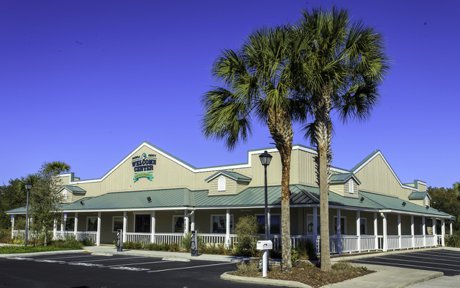
The Osceola County Welcome Center & History Museum is a free, daily-admission museum located at 4155 W. Vine St. in Kissimmee, FL 34741, open every day from 10 AM to 4 PM. Operated by Osceola History (formerly the Osceola County Historical Society, founded in 1949) in partnership with Osceola County government, the museum features four habitat dioramas — swamplands, pine flatwoods, oak hammock, and lakefront — along with exhibits on the citrus industry, cattle ranching, Native American heritage, and early Osceola County tourism. The facility also serves as a regional visitor information center and is located adjacent to Shingle Creek, allowing visitors to observe the natural habitats depicted inside the museum in the wild just steps outside the building. Admission is free with no reservation required.

Here's something most people moving to Kissimmee discover pretty quickly: this place has a lot of history hiding behind the resort billboards and vacation rental signs. Long before Walt Disney World, long before US 192 was lined with dinner shows, Osceola County was ranching country — a flat, beautiful landscape of prairies, sawgrass marshes, and crystal-clear lakes that stretched endlessly to the horizon.

The Osceola County Welcome Center & History Museum exists to tell that story. And it's completely free. Whether you're a brand-new resident trying to get your bearings, a family looking for a genuinely educational afternoon, or a history enthusiast who wants context for life in Central Florida, this museum delivers in a way that's surprisingly engaging for such a compact space.

What Is the Osceola County Welcome Center & History Museum?

The museum is a dual-purpose facility — part local history destination, part practical visitor welcome center — operated by Osceola History in partnership with Osceola County government. Osceola History was founded in 1949 and has been preserving the county's heritage for over 75 years. They also operate the beloved Pioneer Village at Shingle Creek — essentially this museum's bigger, outdoor sister attraction.

The Welcome Center sits at 4155 W. Vine St. right along the Shingle Creek corridor, and that location is no accident. Shingle Creek flows just outside the building, meaning you can step from the dioramas inside into the living landscape they depict — separated by only a glass door.

A Quick History of What You're Actually Looking At

Before this region was Osceola County, it was home to the Seminole people — a cultural presence woven throughout the museum's early exhibits. The Seminoles gave Lake Tohopekaliga its name, and their heritage connects directly to the landscape you'll see depicted in the dioramas.

European settlement arrived in the mid-1800s, and the county was officially established in 1887. Early Kissimmee was cattle and citrus country — Florida crackers (the genuine article: cattle drivers who worked vast open prairies) defined the economy here for generations. Then came the railroads, early 20th-century tourism, and eventually — in 1971 — Walt Disney World, which transformed the county's economy and character almost overnight. The museum traces that full arc in a way that gives you real appreciation for just how compressed and dramatic that transformation was.

The Four Habitats: Where Nature and History Merge

The museum's signature feature is four habitat dioramas, each depicting a distinct Osceola County ecosystem that shaped how people lived, farmed, and survived here:

  • Swamplands — the wet, lush wetlands covering large portions of southern Osceola County that feed the Everglades system via Shingle Creek.
  • Pine flatwoods — the fire-dependent longleaf pine ecosystem that once dominated the interior landscape and supported the cattle industry for generations.
  • Oak hammock — elevated hammock forest where early settlers built homesteads and found reliable freshwater.
  • Lakefront — the shoreline environments of Lake Tohopekaliga and the Kissimmee chain of lakes, which provided food, transportation, and community for both Native Americans and early settlers.

Each diorama connects to broader exhibits, so you're understanding why the landscape shaped the economy and social history of the whole county. Interactive scavenger hunts and scannable barcodes linking to the mobile app keep it engaging for all ages.

Beyond the Dioramas: What Else Is Inside

The natural history exhibits share space with cultural and economic content: the citrus and cattle industries that built early Kissimmee, the railroad's arrival and early tourism, and Native American heritage. The Early LearnHub — created with the Early Learning Coalition of Osceola County — adds a children's space with barn-themed activities and books. The museum also serves as a working visitor information center with maps and staff who can orient you to the county. Explore more with our comprehensive Kissimmee arts and culture guide.

Why This Museum Matters More Than It Might Seem

Let's be real: a free history museum on W. Vine Street doesn't compete with Gatorland or Kissimmee Lakefront Park. But that's the point. The Welcome Center answers a question most people never ask: What was this place before all of this? For new residents, that matters. Understanding the ecological context helps you appreciate why master-planned communities sit alongside conservation lands, and why Shingle Creek connects ultimately to the Everglades. It all becomes legible in about an hour. Discover more outdoor Kissimmee in our Kissimmee parks and recreation guide.

Making the Most of Your Visit: Practical Tips

The Welcome Center is easy to visit and easy to pair with nearby destinations. Here's what locals know about getting the most from it:

  • Pair it with Pioneer Village. The outdoor pioneer village a few minutes away tells the built-history story that complements the natural history inside. Full details in our Pioneer Village at Shingle Creek article.
  • Walk the creek afterward. Shingle Creek flows right outside the building — you can step from the dioramas directly into the living landscape they depict.
  • Download the app first. Search "Osceola History" to scan exhibit barcodes for extra content and activate the scavenger hunt.
  • Hours: 10 AM–4 PM daily, closed on Easter, Thanksgiving, Christmas Eve, Christmas Day, and New Year's Day. Always free.
  • Bring the kids. The Early LearnHub is purpose-built for younger children — this works for all ages, not just older history buffs.

The Welcome Center in the Context of Kissimmee's Cultural Scene

The Welcome Center is part of a strong cultural ecosystem in Kissimmee. Osceola Arts brings professional theater and concerts nearby. The Museum of Military History offers complementary historical perspective. And downtown's Broadway corridor — public murals, waterfront sculptures, independent restaurants — has become one of Central Florida's more authentic main streets. Together these reflect a community identity well beyond "theme park suburb." Find more in our complete Kissimmee entertainment guide.

What the Locals Know

The Osceola County Welcome Center & History Museum rewards residents more than tourists. It's quiet, free, and takes about 45 minutes to explore thoughtfully. What you come away with — a sense of the land, the ecology, and the sequence of events that produced modern Osceola County — is genuinely hard to get anywhere else.

If you're considering a move to Kissimmee, this is one of the better ways to spend a morning in your soon-to-be hometown. It's the kind of place that makes you feel like you actually know where you've ended up — and in a city that can feel overwhelming in its size and commercial density, that grounding is worth more than it sounds. 🌿

For current hours, special exhibitions, and event programming, visit the official Osceola County Welcome Center & History Museum website.


Thinking about putting down roots in Osceola County? Explore our Kissimmee homes for sale hub or browse our Kissimmee arts and culture guide to get a feel for life in the area. Ready to take the next step? Contact us for personalized relocation guidance across Osceola County and the greater Central Florida area.

March 11, 2026

Museum of Military History: Honoring America's Veterans in Kissimmee

Museum of Military History: Honoring America's Veterans in Kissimmee

Florida's only veteran-owned military museum — and one of Central Florida's most moving cultural experiences

Museum of Military History in Kissimmee FL

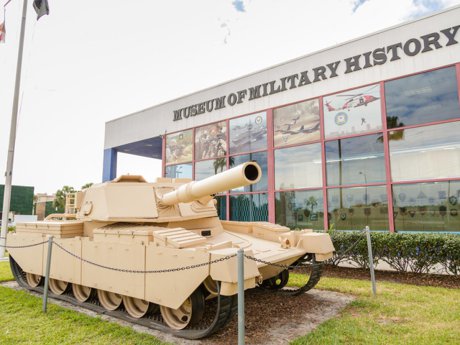
The Museum of Military History is located at 5210 W Irlo Bronson Memorial Hwy (US 192), Kissimmee, FL 34746, and is the only military museum in Florida owned and operated by veterans. The museum covers American conflicts from the Revolutionary War through present-day operations, with exhibits representing all military branches plus dedicated sections on the Buffalo Soldiers and Tuskegee Airmen. A replica of the Florida Vietnam Wall — honoring all 1,952 Floridians who died in that conflict — is permanently displayed on site. Admission ranges from $11 to $14, with active military admitted free; the museum is open Tuesday through Sunday, 10 AM to 6 PM.

Here's something most people don't realize when they're planning a move to the Kissimmee area: tucked along the famous US 192 corridor — the same stretch of road known for resort hotels, dinner shows, and the gateway to Walt Disney World — there's a genuinely powerful museum that has nothing to do with theme parks and everything to do with the people who made this country possible.

The Museum of Military History isn't a tourist afterthought. It's the only veteran-owned military museum in Florida, built with donated artifacts and personal stories from servicemembers across every American conflict. Whether you're a history buff, a military family, or just someone who wants to understand the full character of this community, this museum earns a spot on your list.

What Is the Museum of Military History?

Located at 5210 W Irlo Bronson Memorial Hwy (US 192) in Kissimmee, the Museum of Military History spans American conflicts from the Revolutionary War through the Civil War, WWI, WWII, Korea, Vietnam, and present-day operations. What sets it apart is its soul: every exhibit and artifact was assembled by veterans, for veterans — and for anyone who wants to understand the true cost of freedom.

All branches of the U.S. military are represented. The museum also dedicates meaningful space to the Buffalo Soldiers and the Tuskegee Airmen, whose contributions deserve far more recognition than they typically receive. And one of the most quietly affecting features is the replica of the Florida Vietnam Wall, listing all 1,952 Floridians who did not return from that conflict.

Why Veteran-Owned Matters

The distinction "veteran-owned" isn't marketing language here — it shapes everything about the experience. Many artifacts were donated directly by veterans and their families, which means you're looking at actual gear, actual letters, and actual personal effects of real people who served in real wars.

For families relocating to Kissimmee — particularly military families, of which there are many given the region's proximity to defense and veterans communities — this museum carries a specific resonance. It's not just a place to visit once. It's the kind of community institution that makes you feel at home.

A Tour Through the Exhibits

From the Revolution to the Civil War

The museum's chronological sweep begins with the nation's founding conflicts, walking visitors through the equipment, weapons, and personal items that defined early American military service. The Civil War section provides context that feels especially relevant in Florida, a state with its own complicated role in that conflict.

The World Wars

The WWI and WWII exhibits are among the most expansive in the collection. Uniforms, weapons, maps, personal correspondence, and photographs fill these displays with a density that rewards slow, attentive viewing — the WWII section in particular covers both the battlefield and the home front.

Korea, Vietnam, and Modern Conflicts

The Korean War — sometimes called "the forgotten war" — gets the attention it deserves here. The Vietnam section, anchored by the Florida Vietnam Wall replica, is one of the most emotionally direct exhibits in the building. Modern conflicts through the post-9/11 era are represented as well.

Buffalo Soldiers and Tuskegee Airmen

Dedicated exhibit space for the Buffalo Soldiers — the all-Black cavalry regiments that served after the Civil War — and the Tuskegee Airmen — the pioneering Black aviators of WWII — reflects the museum's commitment to a complete and honest telling of military history. These stories are told with the full weight they deserve.

Visitor Info: Hours, Admission, and Getting There

The Museum of Military History is open Tuesday through Sunday, 10 AM to 6 PM, and is closed Mondays, Thanksgiving, and Christmas Day. Admission pricing reflects the museum's commitment to accessibility for those who served:

  • Adults: $14.00
  • Seniors: $13.00
  • Students: $12.00
  • Veterans: $11.00
  • Active Military: Free
  • Children 5 and under: Free

The museum sits along US 192 (Irlo Bronson Memorial Highway) at 5210 W Irlo Bronson Memorial Hwy, Kissimmee, FL 34746. From Walt Disney World it's roughly 5 miles east on US 192; from downtown Kissimmee, head west about 6 miles. Parking is on site; phone is 407-507-3894. Plan to spend at least 90 minutes to two hours — visitors consistently report being surprised by the depth of the collection. Explore the full breadth of arts and cultural institutions in our Kissimmee arts and culture guide.

How the Museum Fits Into Kissimmee's Cultural Identity

Kissimmee has an authentic downtown and cultural scene that often gets overshadowed by its proximity to the theme parks — but residents know better. The Museum of Military History sits alongside institutions like Pioneer Village at Shingle Creek, Osceola Arts, and the Osceola County History Museum as part of a genuine cultural infrastructure that tells the story of this region with depth and honesty.

For families with children, the museum delivers something increasingly rare: history education that is visceral, personal, and real. Teachers, homeschoolers, and parents routinely use it as a field trip destination. For more of what Kissimmee offers its residents and visitors, check out our comprehensive Kissimmee entertainment guide.

Is the Museum Worth It for Non-Military Families?

Absolutely — and here's the thing most people figure out about five minutes into their visit: you don't need a personal military connection to be moved by this place. The museum translates individual stories into universal ones. The artifacts aren't just objects; they're evidence of real human lives, real choices, and real sacrifice.

That said, if you do have family members who served, bring them. The museum regularly hosts events honoring veterans and offers membership options for those who want to support its mission. Many of the most knowledgeable guides you'll encounter are veterans themselves, willing to share firsthand stories that no exhibit label could fully capture.

For more history and heritage in the Kissimmee area, the Kissimmee Lakefront Park area and Pioneer Village at Shingle Creek are both worth a visit.

What the Locals Know

The Museum of Military History is one of those places Kissimmee residents quietly take pride in, even if it doesn't make every tourist itinerary. It gives the community depth — proof that there's more going on here than waterparks and timeshares.

A few insider tips: arrive when the museum opens at 10 AM on a weekday for a quieter experience with more time to talk to the docents — many of whom are veterans with firsthand stories. Weekends can get busier, especially during school holidays. Special events around Veterans Day and Memorial Day are genuinely worth attending if you're a Kissimmee resident.

For military families considering a move to Kissimmee, the presence of this museum is one small but real signal of a community that values service and takes its history seriously. That's worth knowing as you evaluate neighborhoods and weigh your options in Osceola County. For more on what to see, do, and experience in the area, browse our full Kissimmee arts and culture guide. 🎖️

For current hours, upcoming events, and membership information, visit the official Museum of Military History website.


Thinking about making Kissimmee or the surrounding area your home? Explore our Kissimmee homes for sale or browse our Kissimmee entertainment guide to discover everything this community has to offer. Ready to talk neighborhoods? Contact us for personalized relocation guidance.

March 11, 2026

Pioneer Village at Shingle Creek: A Living History Journey Through Old Florida

Pioneer Village at Shingle Creek: A Living History Journey Through Old Florida

Before the theme parks, before the highways — Kissimmee was cattle country and citrus groves. Here's the place where that story is still being told.

Pioneer Village at Shingle Creek

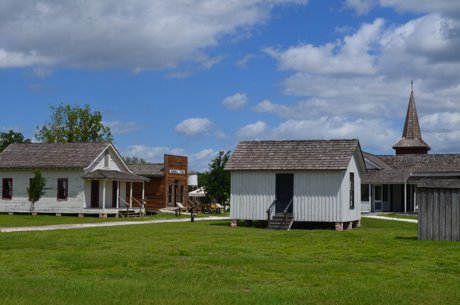
Pioneer Village at Shingle Creek is a living history museum operated by the Osceola County Historical Society, located at 2491 Babb Road in Kissimmee, FL 34746. The site contains 17 authentic and reproduction pioneer structures relocated from across Osceola County, including homesteads, a schoolhouse, church, blacksmith shop, and a Seminole settlement depicting life in the 1880s and 1890s. Pioneer Village is open daily from 10:00 a.m. to 4:00 p.m., with admission priced at $8 for adults and $4 for children ages 4–12. Guided tours are available on Saturdays at 10:00 a.m. and 12:00 p.m. The museum is situated within Shingle Creek Regional Park, approximately 10 miles east of Walt Disney World.

Here's something most people moving to the Kissimmee area don't realize: the most famous story in this county isn't about a mouse or a wand. It's about cattle drives, citrus groves, Seminole settlements, and a frontier community that carved a life out of the Florida wilderness — long before a single theme park broke ground. And the best place to experience that story? An easy-to-miss spot tucked into Shingle Creek Regional Park called Pioneer Village.

This is one of Central Florida's genuine hidden gems. Not because it's hard to find, but because it gets overshadowed by the roller coasters and resort corridors that dominate the area's identity. Here's the thing — if you're considering putting down roots in Kissimmee or Osceola County, Pioneer Village is the kind of place that makes you fall in love with your community on a whole new level. It's where the region's real origin story lives.

What Is Pioneer Village at Shingle Creek?

Pioneer Village is a living history museum operated by the Osceola County Historical Society. It's a collection of 17 authentic and reproduction pioneer structures — not replicas thrown together for tourism, but actual buildings that once stood in different corners of Osceola County. They were carefully relocated to the Shingle Creek site and meticulously preserved to tell the story of how people actually lived here in the 1880s and 1890s.

We're talking about a time when Kissimmee was a cattle town. When the Florida frontier was still being settled. When the Sugar Belt Railway was the region's lifeline to the outside world. Pioneer Village puts you inside all of that — not through a screen or a diorama, but through the actual buildings, tools, and spaces where those early settlers worked and lived.

The Structures: A Walk Through Osceola County's Past

Wandering through Pioneer Village feels like stepping into a time capsule. The 17 structures include the Lanier "Cracker House" and Tyson House settler homesteads, St. Peters Episcopal Church (1892), the Narcoossee School (1886) — a one-room schoolhouse with period desks and slate writing boards kids love — and the Narcoossee Train Depot (1889), once part of the Sugar Belt Railway that served as the region's economic lifeline. A blacksmith shop, citrus packing plant, working cane grinder, and Seminole settlement complete the picture, each representing a thread of the county's pre-tourism identity. Keep an eye out for the resident chickens around the Lanier homestead — they're delightful company.

Planning Your Visit: Hours, Admission & Getting There

Pioneer Village is open daily from 10:00 a.m. to 4:00 p.m., closed on major holidays (New Year's Day, Easter, Thanksgiving, and Christmas Day). Admission is $8 for adults and $4 for children ages 4–12; children under 4 get in free.

Self-guided tours are available every day, with QR code-enabled signage throughout the grounds in both English and Spanish — a nice touch for Kissimmee's multicultural community. If you want a deeper experience, guided tours run on Saturdays at 10:00 a.m. and 12:00 p.m. (it's recommended to reserve a spot through the website). Groups of 10 or more require reservations; call (407) 396-8644 ext. 2 to arrange.

The address is 2491 Babb Road, Kissimmee, FL 34746. You'll find Pioneer Village within Shingle Creek Regional Park just off US 192 in western Kissimmee. Free public parking is available on-site. Look for the house with the green flag and an "open" sign on the door when you arrive — that's your starting point. From Walt Disney World, you're looking at roughly 10 minutes east. From downtown Kissimmee, it's about 15 minutes west along US 192.

Why This Place Matters for Kissimmee Residents

Here's our take: Pioneer Village isn't just a tourist attraction — it's a community anchor. For people who live in Kissimmee and Osceola County, it's a direct connection to the people and land that came before the resort economy. That matters when you're building a life somewhere and want to understand what your community is actually made of.

Families with kids will find Pioneer Village delivers genuine educational value without feeling like a classroom. The annual Pioneer Day event each November brings reenactors, Seminole dance demonstrations, live music, children's activities, and arts and crafts — all free to attend. The Historical Society also runs membership programs, volunteer opportunities, and school field trips, making it a living part of Osceola County's civic fabric. For everything Kissimmee offers culturally, see our Kissimmee Arts & Culture guide.

Shingle Creek: The Bigger Story Right Outside the Gates

One of the best things about Pioneer Village is its setting. Shingle Creek — flowing just outside the museum grounds — is recognized as the headwaters of the Everglades system, making it one of the most ecologically significant waterways in Florida. The regional park surrounding Pioneer Village gives you direct access to that ecosystem: kayak and canoe rentals, hiking and biking trails, wildlife observation areas, picnic grounds, and a playground are all available within the same footprint. You can tour a 19th-century cane grinder in the morning and paddle through a freshwater habitat in the afternoon.

Neighborhoods like Tapestry, Knightsbridge, and Whispering Oaks sit along the Shingle Creek corridor, giving residents easy access to this natural resource. For a full look at outdoor options nearby, our Kissimmee Parks & Recreation guide covers Shingle Creek Regional Park in detail.

Insider Tips for Getting the Most Out of Your Visit

A few things worth knowing before you go:

  • Go early or late. Florida heat is real, and Pioneer Village involves a lot of outdoor walking. Early morning or late afternoon visits are noticeably more comfortable.
  • Wear comfortable shoes. You're covering real ground across natural terrain — not a paved walkway.
  • Bring bug spray in warmer months. You're adjacent to a creek and conservation area, which means mosquitoes are part of the package.
  • Check the gift shop. Local honey, handmade items, and Osceola County heritage products make for thoughtful and authentic souvenirs.
  • Consider a membership. Osceola History memberships offer free unlimited visits to Pioneer Village plus reciprocal admission to over 1,200 museums nationwide through the NARM network — excellent value for families planning multiple visits.

What the Locals Know

Pioneer Village at Shingle Creek is one of those places that long-time Kissimmee residents are fiercely proud of — and that newcomers inevitably wish they'd discovered sooner. It's proof that this community has a real identity that runs much deeper than resort corridors and vacation rentals. Long before a famous mouse arrived just up the road, Osceola County had cattle ranchers, Seminole communities, schoolchildren learning by slate, and a railroad that connected this frontier to the rest of Florida.

For $8 — or free on Pioneer Day in November — you get one of the most authentic historical experiences in Central Florida. The staff is genuinely knowledgeable and passionate about local history, the setting along Shingle Creek is beautiful, and the surrounding park gives you a full half-day or more of things to do. If you're exploring what life in Kissimmee really looks and feels like, Pioneer Village belongs on that list. It's the kind of place that makes you understand — and appreciate — exactly where you've chosen to plant your roots. 🌿

For current hours, special events, membership info, and guided tour reservations, visit the official Osceola History / Pioneer Village at Shingle Creek website.


Ready to explore everything Kissimmee has to offer? Browse our Kissimmee Arts & Culture guide and our Things to Do in Kissimmee guide — or browse Kissimmee homes for sale to find your perfect spot in Osceola County.

March 11, 2026

Commuting from Kissimmee: Getting to Downtown Orlando, Orlando International Airport & More

Commuting from Kissimmee: Your Complete Guide to Getting Around Central Florida

Routes to downtown Orlando, MCO airport, Lake Nona, Disney, and Osceola County's top employment centers — and what the drive actually feels like

Sunrail Commuter Train in Kissimmee

Kissimmee is located in Osceola County, approximately 18–22 miles south of downtown Orlando, with a typical drive time of 25–35 minutes via Florida's Turnpike (SR 91) or US 441. Orlando International Airport (MCO) is approximately 16–17 miles from central Kissimmee and reachable in 20–30 minutes via SR 417 (Greeneway) or the Osceola Parkway (CR 522). SunRail commuter rail connects the Kissimmee/Amtrak station to downtown Orlando's Church Street station in approximately 30 minutes on weekdays, with fares starting at $2. Walt Disney World is 9–15 miles from most Kissimmee neighborhoods, accessible in 15–25 minutes via US 192 or the Osceola Parkway.

Here's something a lot of people moving to the Orlando area don't appreciate until they're signing a lease: Kissimmee is one of the most strategically located cities in all of Central Florida for commuters. You're south of the worst I-4 congestion, you have two major toll roads and a commuter train available, and you're closer to the airport than most of Orlando proper.

Whether you're eyeing a job at MCO, working in Downtown Orlando, clocking into Disney World, or heading to Lake Nona's Medical City, this guide covers every major commute corridor from Kissimmee — with real drive times, toll costs, and the transit alternatives that actually work.

The Roads Kissimmee Commuters Live On

Kissimmee commuters rely on five primary routes: Florida's Turnpike (SR 91) for north-south express access to Orlando and beyond; SR 417 (Greeneway) for MCO and Lake Nona; Osceola Parkway (CR 522) linking downtown Kissimmee to Disney and I-4; US 441/Orange Blossom Trail as the free surface-road alternative; and US 192 for east-west travel through the resort corridor. All toll roads accept SunPass and E-PASS — pick one up before moving. See our Florida Turnpike guide and Osceola Parkway guide for full corridor details.

Commuting from Kissimmee to Downtown Orlando

Distance: 18–22 miles | Drive time: 25–35 min (off-peak) / 45–55 min (rush hour)

Getting from Kissimmee to Downtown Orlando is manageable by Central Florida standards. The two main driving options are Florida's Turnpike northbound — fastest and most consistent, connecting north to SR 408 (East-West Expressway) into downtown — and US 441/Orange Blossom Trail (free, but slower through commercial stop-light corridors). Typical one-way toll cost with a SunPass transponder runs $2–$4.

The real secret weapon for downtown commuters is SunRail. The Kissimmee/Amtrak station connects directly to Church Street station in downtown Orlando in approximately 30 minutes, with trains every 30 minutes during peak hours on weekdays. Fares start at $2–$4 each way, and parking at the Kissimmee station garage is free. For anyone working near downtown, you can skip I-4 traffic entirely. See our SunRail Florida resident information guide for schedules and fare details.

Commuting from Kissimmee to Orlando International Airport (MCO)

Distance: 16–17 miles | Drive time: 20–30 min

This is where Kissimmee really shines. MCO is one of the largest employers in the entire metro — tens of thousands of people work at the airport and its surrounding hotels, logistics facilities, and concession businesses. And Kissimmee is among the closest established residential communities to the airport's front door.

The most direct route is SR 417 northbound to the airport's SR 528 (Beachline Expressway) interchange, typically the faster option over the Osceola Parkway/US 441 alternative. You're looking at 20–30 minutes for most Kissimmee neighborhoods — shorter than commuting from Celebration, Buena Ventura Lakes, or most Orange County suburbs. For employees who start before sunrise (think 4 AM shifts), that short, predictable toll-road commute is a significant quality-of-life advantage. See our Orlando International Airport Florida resident information guide for more.

Commuting from Kissimmee to Lake Nona & Medical City

Distance: 15–20 miles | Drive time: 20–30 min

Lake Nona's Medical City is one of Florida's fastest-growing employment corridors — UCF College of Medicine, Nemours Children's Hospital, AdventHealth, the VA Medical Center, and dozens of biomedical companies are all clustered together. For Kissimmee residents working there, SR 417 northbound is the direct shot — no downtown traffic, no I-4. From eastern Kissimmee neighborhoods like Remington or Kindred, you're even closer. This connectivity is a genuine advantage over communities that require navigating through downtown Orlando to reach Lake Nona. Explore more in our Kissimmee health and wellness guide.

Commuting from Kissimmee to Walt Disney World

Distance: 9–15 miles (varies by Kissimmee neighborhood) | Drive time: 15–25 min

Disney World is the largest employer in Florida, with 75,000+ cast members — many of them living in Kissimmee. Western corridor neighborhoods like Windsor Hills, Storey Lake, and Four Seasons at Orlando sit as close as 10 minutes from the cast member entrance on Western Way. Even from central Kissimmee, the Osceola Parkway (CR 522) westbound connects quickly to the I-4/US 192 interchange and Disney property. It's one of the core reasons these neighborhoods continue attracting full-time residents alongside vacation rental buyers.

Commuting from Kissimmee to NeoCity & the Emerging Tech Corridor

Osceola County is developing the NeoCity technology district — a semiconductor, defense tech, and advanced manufacturing hub along the US 192/Osceola Parkway corridor. If you work at NeoCity or a surrounding tech company, you could live within 5–15 minutes of your job — a rare luxury in any Florida metro. Master-planned communities like Tapestry and Kindred are well positioned here. Our Kissimmee schools and education guide covers NeoCity Academy, the STEM magnet school co-located with the district.

Transit Options Beyond the Car

Not everyone wants — or can — drive every day. The good news is Kissimmee has real options.

SunRail

As mentioned above, SunRail is the standout option for downtown Orlando commuters. The Kissimmee/Amtrak station at 111 E. Dakin Ave. is a genuine multimodal hub — SunRail, LYNX bus connections, Greyhound, and Amtrak all in one place. The free Kissimmee Connector shuttle runs Monday–Friday, looping from the station to Kissimmee Lakefront Park, City Hall, AdventHealth Kissimmee, and the Osceola Courthouse complex. Check our full SunRail Florida resident information guide for schedules.

LYNX Bus

LYNX operates multiple routes connecting Kissimmee to Orlando along US 441 and beyond. Fares start at $2. Travel times run 45–90 minutes to downtown Orlando depending on the route — longer than driving, but the most affordable car-free option for many commuters. Brightline's future Tampa extension could eventually add connectivity for Kissimmee residents; our Brightline Florida resident information guide tracks the latest.

Quick Reference: Kissimmee Commute Times

  • Downtown Orlando — 25–35 min (drive) / ~30 min (SunRail)
  • Orlando International Airport (MCO) — 20–30 min via SR 417
  • Lake Nona / Medical City — 20–30 min via SR 417
  • Walt Disney World — 15–25 min via Osceola Pkwy / US 192
  • Universal Studios / I-Drive — 30–40 min via Turnpike + I-4
  • NeoCity / Downtown Kissimmee — 5–15 min within Osceola County

What the Locals Know

Commuting from Kissimmee is one of the better-kept secrets of the Orlando metro. The Florida Turnpike and SR 417 are consistent and reliable — they avoid the grinding unpredictability of I-4. Your proximity to MCO is exceptional. SunRail gives you a real car-free option to downtown. And if your job is in Osceola County itself — at Disney, NeoCity, AdventHealth, or the US 192 hospitality corridor — you may have one of the shortest commutes in the entire metro without paying Celebration or Lake Nona prices to get it.

The honest caveat: northbound Turnpike traffic can stack between 7–9 AM, and US 441 slows through commercial corridors. If your office is far north or downtown, build in buffer time during peak hours. Still, "Kissimmee rush hour" is rarely the I-4 endurance test that plagues commuters further north.

For a deeper look at the road network, see our Florida Turnpike and SR 417 Greeneway guide and explore the full Kissimmee community hub to match your commute to the right neighborhood.

For official transit schedules and trip planning, visit SunRail and the LYNX Central Florida Transit Authority.


Thinking about making Kissimmee your home base in Central Florida? Explore our Kissimmee homes for sale listings or browse the full Osceola County real estate guide to find the neighborhood that fits your commute, your lifestyle, and your budget. Questions? Contact us — we know Osceola County inside and out.

March 11, 2026

Florida's Turnpike (SR 91) & SR 417 Greeneway: How Kissimmee Connects to Greater Florida

Florida's Turnpike & SR 417 Greeneway: Kissimmee's Highway to Greater Florida

How two powerhouse toll roads give Kissimmee residents unmatched access to MCO, Miami, Tampa, and all of Central Florida

The Florida Turnpike

Florida's Turnpike (SR 91) passes directly through the Kissimmee corridor in Osceola County, with key residential access points at Kissimmee Park Road (Exit 240), US 192 (Exit 242), and Osceola Parkway (Exit 249). SR 417, the Central Florida GreeneWay, is a 55-mile toll beltway that connects Kissimmee's western edge to Orlando International Airport (MCO) in approximately 20–30 minutes via its Boggy Creek Road interchange (Exit 17A/17B). The Florida Turnpike intersects SR 417 at Exit 12/251, creating a direct toll-road link between Kissimmee, MCO, downtown Orlando, Tampa via I-4, and Miami via the Turnpike mainline. Both roads are fully cashless as of 2025 and accept SunPass and E-PASS transponders, which provide the lowest available toll rates. The master-planned communities of Tohoqua and Kindred in southern Kissimmee are positioned directly on the Turnpike corridor.

Here's something that surprises people researching a move to Kissimmee: this city sits at the crossroads of two of the most powerful toll roads in all of Florida. The Florida Turnpike runs right through its backyard, and SR 417 (the Central Florida GreeneWay) swings around its northern edge. Together, they give Kissimmee residents a level of regional connectivity most people don't realize exists until they're living here.

Whether you need to catch a flight at MCO, commute to Orlando, or make a weekend run to Tampa or Miami, these two toll roads make it fast — without battling surface street gridlock. Let's break down what you're working with.

Florida's Turnpike (SR 91): The Less Stressway Through Kissimmee

Florida's Turnpike — officially the Ronald Reagan Turnpike and designated as State Road 91 — is the backbone of north-south travel in Florida. The mainline stretches roughly 312 miles from Miami Gardens all the way to Wildwood, where it connects to I-75. For Kissimmee residents, this road is essentially a private express lane to the rest of the state.

The Turnpike runs through the western and southern edges of Kissimmee. The exits that matter most to residents:

  • Exit 240 — Kissimmee Park Road: A partial interchange serving the newer Turnpike-corridor neighborhoods in southern Kissimmee, including access to the growing Tohoqua community.
  • Exit 242 — US 192 (Irlo Bronson Memorial Highway): The primary east-west connector linking the Turnpike to downtown Kissimmee, the resort corridor, and Walt Disney World to the west. This is the interchange most Kissimmee residents use day-to-day.
  • Exit 249 — Osceola Parkway (CR 522): The critical link to the Disney World complex, ESPN Wide World of Sports, and the northern edge of Kissimmee's urban core.

One infrastructure note worth knowing: FDOT has active plans to widen the Turnpike from Exit 240 to Exit 242 from four to eight lanes — a direct signal of the growth coming to this corridor. That's good news for buyers in communities like Tohoqua and Kindred today.

SR 417 — The Central Florida GreeneWay: Your Express Lane to MCO and Beyond

If the Turnpike is Kissimmee's link to the rest of Florida, SR 417 is its link to the greater Orlando metro area — and specifically, to Orlando International Airport. The Central Florida GreeneWay is a 55-mile toll beltway forming the eastern half of the Orlando beltway system, operated jointly by the Central Florida Expressway Authority (CFX) and Florida's Turnpike Enterprise.

For Kissimmee residents, SR 417 delivers a nearly direct, toll-road-only route to MCO in about 20 to 30 minutes. The key exits serving Kissimmee drivers include:

  • Exit 1/2 — I-4 and Celebration Avenue: The southwestern entry point connecting to I-4 and Celebration — where most US 192 corridor commuters hop on.
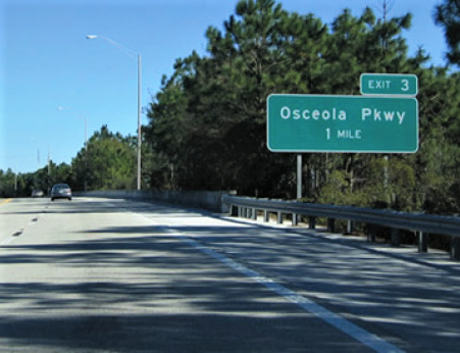
  • Exit 3 — Osceola Parkway: Links SR 417 back into northern Kissimmee and Buena Ventura Lakes.
  • Exit 10 — John Young Parkway: Mid-beltway access into Hunters Creek and the Orange County grid.
  • Exit 12 — Florida's Turnpike interchange: The critical systems interchange connecting SR 417 to all Turnpike destinations north and south.
  • Exit 17A/17B — Boggy Creek Road / MCO Airport: Your direct route into Orlando International Airport.

In 2024, SR 417 was extended via the Wekiva Parkway to form a complete beltway around Orlando — connecting uninterrupted from Kissimmee's edge all the way to Sanford. That's a significant advantage for anyone whose job or lifestyle spans multiple quadrants of the metro.

The Turnpike + SR 417 Interchange: Kissimmee's Secret Weapon

From this single interchange, Kissimmee residents can reach:

  • MCO Airport: ~20–30 minutes via SR 417 east to Exit 17A/17B
  • Downtown Orlando: ~30 minutes via Turnpike north to I-4 or SR 408
  • Lake Nona / Medical City: ~15–20 minutes via SR 417 to Narcoossee Road
  • Tampa: ~75–90 minutes via Turnpike north to I-4 west (~75 miles)
  • Miami: ~3.5–4 hours via Turnpike south (~240 miles)
  • Space Coast: ~45–60 minutes via SR 417 to SR 528 east

That kind of reach from one residential market is rare in Florida. St. Cloud is close but lacks the same direct Turnpike/417 interchange access. Poinciana is further south and more dependent on surface roads. Kissimmee's positioning is genuinely exceptional for the price point.

Going Cashless: What Kissimmee Drivers Need to Know in 2025

Both major toll roads have gone fully electronic, so if you're moving to Kissimmee or planning to use these roads regularly, a transponder is no longer optional — it's essential.

Florida's Turnpike (SR 91) completed its conversion to all-electronic tolling — no cash anywhere on the mainline. SR 417 followed in August 2025, when CFX removed its remaining cash toll options. Both roads accept SunPass and E-PASS interchangeably.

In practical terms: SunPass users pay roughly 6.7 cents per mile on the Turnpike and save about 25% compared to Toll-By-Plate billing. E-PASS customers on SR 417 save around 30% over Toll-By-Plate. For a Kissimmee commuter making daily runs to MCO or downtown Orlando, a transponder pays for itself quickly. Both SunPass and E-PASS are interoperable across Florida's entire toll network — pick whichever is more convenient at your local Publix. For more on navigating MCO as a local, check out our Orlando International Airport guide.

Tohoqua, Kindred, and the Turnpike Corridor Communities

One of the biggest real estate stories in Kissimmee right now is happening directly along the Turnpike corridor. The master-planned communities of Tohoqua and Kindred — two of the fastest-selling new construction developments in Osceola County — were deliberately positioned with direct Turnpike access in mind.

Both communities feature resort-style amenities, multi-use trails, and multiple builders — attracting buyers who commute to MCO, Lake Nona's Medical City, or the many employers accessible from this stretch of the Turnpike. This is Kissimmee development built squarely around toll-road connectivity, a departure from the resort-zone vacation rental construction that dominated the past three decades. Explore our Kissimmee home builders guide for a full rundown of active communities in this corridor.

What the Locals Know

Kissimmee's highway story gets undersold constantly. People hear "Kissimmee" and think vacation rentals and Disney — and those things are true. But the Florida Turnpike and SR 417 Greeneway give this city genuine statewide connectivity at a price point that still makes financial sense for first-time buyers, young families, and relocators from higher-cost metros. Miami is a single toll road away. MCO is 20 to 30 minutes out. Tampa is under 90 minutes. And with the Wekiva Parkway completing Orlando's full beltway in 2024, SR 417 now wraps all the way around the metro — giving Kissimmee residents access to the entire ring, not just one arc.

Get your SunPass or E-PASS sorted before you close on your home. It's one of the first things any local will tell you. 🚗

For real-time toll rates, trip calculators, and official road information, visit the Florida's Turnpike Enterprise and Central Florida Expressway Authority (CFX) websites.


Ready to find your home in Kissimmee and take advantage of this incredible highway access? Browse our Kissimmee homes for sale or explore our Kissimmee community guide for everything you need to know about life in Osceola County. Have questions? Contact us — we know this market inside and out.

March 11, 2026

John Young Parkway (US 17/92): Retail, Commuting & Connectivity Through Central Kissimmee

John Young Parkway (US 17/92): Retail, Commuting & Connectivity Through Central Kissimmee

The road named after a moonwalker is one of Kissimmee's most practical arteries — here's everything residents need to know

John Young Parkway in Kissimmee FL

John Young Parkway is a major north-south arterial road running through central Kissimmee and into Orlando, designated as US 17/92 through the Kissimmee portion. The road is named after NASA astronaut John Young, an Apollo 16 moonwalker with ties to the Orlando area. The Loop, a 500,000-square-foot open-air shopping center at 3208 N. John Young Parkway, is the corridor's retail anchor and one of central Kissimmee's primary shopping destinations. John Young Parkway intersects with Osceola Parkway (CR 522) near The Loop, providing east-west connectivity toward Walt Disney World and linking to Interstate 4 access further north in Orange County.

Here's something most people moving to the Kissimmee area figure out quickly: not all roads are created equal. Some are scenic. Some are chaos. And some — like John Young Parkway — are the kind of road you quietly come to depend on every single day.

If you're considering a home in Kissimmee, or you're already living here and wondering why your GPS keeps routing you this way, we've got the full picture. John Young Parkway is one of central Kissimmee's most important north-south arteries — and it comes with some genuinely interesting backstory.

Wait — This Road Is Named After an Astronaut?

Yes, really. John Young Parkway is named after NASA astronaut John Young — Apollo 16 commander and one of only twelve people to have walked on the Moon — who had ties to the Orlando area. It's designated State Road 423 through its Orange County section and picks up the US 17/92 designation entering Kissimmee.

The original section was built by FDOT in the early 1970s, running from Colonial Drive northward in western Orlando. Osceola County later extended it south, and around 2000 the Kissimmee stretch — previously Bermuda Avenue and a section of Orange Blossom Trail — was officially renamed to create a unified corridor. The road you drive today is really several decades of expansion stitched into one continuous spine.

How John Young Parkway Works as a Commuting Route

John Young Parkway runs north-south through the heart of central Kissimmee before crossing the Orange-Osceola county line and continuing toward Orlando. It's a six-lane divided surface road — not a limited-access expressway — so you will encounter traffic signals and shopping center driveways. That said, it's well-connected:

  • Osceola Parkway intersection: Near The Loop, John Young Parkway meets Osceola Parkway (CR 522), which runs east-west toward Walt Disney World and downtown Kissimmee. This junction is a key navigational anchor for northern Kissimmee. See our guide to Osceola Parkway for more.
  • Connection to I-4 and SR 408: Heading north through Orange County, the road ties into the SR 408 interchange area, giving Kissimmee residents a surface road path toward downtown Orlando without hitting Turnpike tolls.
  • Parallel to Orange Blossom Trail: John Young Parkway runs roughly parallel to US 441 and serves as an alternate when OBT gets congested — they serve slightly different commercial zones but handle the same north-south demand.

One heads-up for new residents: the Oak Street and John Young Parkway intersection has been one of the city's most accident-prone — over 180 crashes between 2020 and 2025, which triggered a $3.34 million city improvement project underway in 2025. If you drive this section regularly, the improvements will be welcome.

The Loop: The Retail Engine of the Corridor

You cannot talk about John Young Parkway without talking about The Loop. Anchored at 3208 N. John Young Parkway, The Loop is a 500,000-square-foot open-air shopping center that opened in 2005 and has grown into one of central Kissimmee's most-visited retail destinations. Major tenants include Kohl's, JCPenney, Books-A-Million, Michael's, a Nike Clearance Store, and Regal Cinemas with RPX large-format screenings. The dining mix — Chili's, Panera Bread, Chipotle, and more — makes it a genuine full-day destination. Hours run Monday–Saturday 10 a.m.–9:30 p.m. and Sunday 11 a.m.–6 p.m. For a full breakdown, see our The Loop Kissimmee guide.

Beyond The Loop, the broader corridor offers the practical retail that makes a neighborhood livable: grocery chains, auto dealerships, urgent care clinics, big-box stores, and service businesses. For everything Kissimmee has to offer, our Kissimmee shopping guide covers the full picture.

Which Kissimmee Neighborhoods Does It Serve?

John Young Parkway cuts through the geographic middle of Kissimmee's residential fabric, making it relevant to a wide swath of the city's neighborhoods.

Buena Ventura Lakes, a large established community just west of the northern corridor, is one of Kissimmee's most affordable options with a heavily Latin American character — residents here use John Young Parkway constantly. Buena Ventura Lakes is worth a look if you want corridor access at approachable prices.

Tapestry, Kissimmee's premier master-planned gated community near Shingle Creek, uses Osceola Parkway to reach the John Young junction easily. Tapestry residents depend on this intersection for everyday retail and northbound commutes. The central Kissimmee neighborhoods on both sides of the parkway — from downtown north to the county line — all benefit from walkable retail density and direct Orlando access.

John Young Parkway vs. Orange Blossom Trail: What's the Difference?

This question comes up constantly for newcomers. Both roads run roughly north-south through Kissimmee into Orlando, serving the same general commuting demand. The short version:

  • John Young Parkway is the newer, more planned corridor — generally cleaner commercial development and better lane geometry through most of Kissimmee.
  • Orange Blossom Trail (US 441) is older and more historically rooted — it carries stronger Latin grocery and restaurant density and remains Kissimmee's most culturally vital street. Our US 441 guide goes deeper on that corridor.

For most commuters, the choice comes down to where you live and where you're going. Our comprehensive Kissimmee commuting guide covers both corridors and helps you map the best route from your specific neighborhood.

Real Estate Along the Corridor: What to Expect

Living right on John Young Parkway isn't the goal — it's a busy six-lane arterial, and the immediate frontage is commercial. But neighborhoods set back a few blocks on either side offer established residential streets with all that convenience within a two-minute drive.

The upside: excellent everyday access, northbound commuting without toll roads, and The Loop just minutes away. The trade-off: the corridor isn't scenic, peak-hour congestion is real at key intersections, and homes closest to the road will have traffic noise — setback matters when buying.

Our Kissimmee market report can help you understand current pricing in these neighborhoods relative to the broader Osceola County market.

What the Locals Know

John Young Parkway doesn't get the same buzz as US 192 or the Florida Turnpike in Kissimmee conversations — but locals in central Kissimmee know it's one of the most useful roads they have. It gets you to The Loop for a movie, to groceries without a highway on-ramp, and toward downtown Orlando on days you'd rather avoid Turnpike tolls. The astronaut nameplate is a fun trivia note, but what actually matters is how reliably it moves you through your day.

If you're relocating to Kissimmee and central corridor access is part of your checklist, John Young Parkway is worth understanding before you commit to a neighborhood. The mix of retail density, north-south connectivity, and proximity to the Osceola Parkway junction makes it a genuine quality-of-life asset — even if it'll never make a "most scenic roads in Florida" list. 🚀

For current road conditions, ongoing improvement projects, and transportation planning updates along this corridor, visit the City of Kissimmee official website.


Ready to explore homes near John Young Parkway or anywhere in central Kissimmee? Browse our Kissimmee homes for sale, explore our complete Kissimmee location guide, or contact us for personalized neighborhood guidance in Osceola County.

March 11, 2026

Osceola Parkway (CR 522): Kissimmee's Toll Road Link Between Disney World and Downtown

Osceola Parkway (CR 522): Kissimmee's Toll Road Link Between Disney World and Downtown

Your complete guide to the road that ties Kissimmee's neighborhoods, Disney corridor, and the greater Orlando expressway network together

Osceola Parkway in Kissimmee

Osceola Parkway, signed as County Road 522 (CR 522), is a 17.5-mile partially tolled arterial road running east–west across northern Osceola County, Florida. It connects Walt Disney World's Animal Kingdom area in the west to Simpson Road near Buenaventura Lakes in the east, with interchanges at Interstate 4, SR 417, John Young Parkway, and Florida's Turnpike. The toll section runs between SR 417 and a plaza just east of Shingle Creek; the mainline toll is approximately $2.18 for transponder users (SunPass/E-PASS) and $2.50 via Pay-by-Plate, with the road operating fully cashless since May 2023. Osceola Parkway is maintained by Osceola County and operated by the Central Florida Expressway Authority (CFX). The road originally opened as Dart Boulevard in 1987 and was extended and upgraded to its current parkway form in 1995.

If you live in Kissimmee — or you're thinking about making the move to Osceola County — there's one road you'll get very familiar with very fast. Osceola Parkway (CR 522) isn't the flashiest expressway in Central Florida, but it might be the most strategically useful one for Kissimmee residents. It connects you to Walt Disney World in minutes, links up with every major highway in the region, and knits together Kissimmee's sprawling north side from the resort corridor all the way to Buenaventura Lakes.

Here's the thing: most people moving here hear about I-4, the Florida Turnpike, SR 417. But Osceola Parkway is the one that specifically serves Kissimmee — and understanding it can genuinely change how you evaluate neighborhoods when you're house hunting.

What Exactly Is Osceola Parkway?

Osceola Parkway is a 17.5-mile east-west road spanning northern Osceola County, running roughly parallel to the Orange County line. It connects Walt Disney World with Interstate 4 and Florida's Turnpike before terminating at Simpson Road near Buenaventura Lakes, maintained by Osceola County and operated by the Central Florida Expressway Authority (CFX).

The road has two distinct personalities. In its western half — from the Disney resort area through the SR 417 interchange — it operates as a limited-access expressway with grade separations. East of the Shingle Creek toll plaza, the tolled section ends and it becomes a surface street, continuing through residential and shopping areas with at-grade intersections at John Young Parkway, US 441, and Florida's Turnpike. The road operates fully cashless (SunPass, E-PASS, or Pay-by-Plate) since May 2023.

A Brief History: From Dart Boulevard to a Disney Co-Production

Osceola Parkway didn't start as the expressway it is today. The road originally opened as Dart Boulevard in 1987 as a two-mile stretch along US 441. In the early 1990s, Disney World and Osceola County co-financed a major extension — widening to four lanes and adding a Florida Turnpike interchange — with the full parkway opening August 18, 1995.

Disney's co-financing came with a condition: no toll plaza within a certain distance of Disney property. That's why the western segment from Animal Kingdom Lodge through communities like Storey Lake is toll-free today. Kissimmee residents have been benefiting from that negotiated deal for decades. The road was designated CR 522 around 2003.

The Toll Structure: What It Actually Costs You

Let's talk numbers. The toll section runs between SR 417 and a plaza just east of Shingle Creek. Transponder holders pay $2.18 for the Shingle Creek main plaza and $1.10 for the Poinciana Boulevard ramp. Pay-by-Plate rates are $4.36 and $2.20 respectively — literally double the transponder rate. Get a SunPass or E-PASS. For a regular commuter making 20 round trips per month through the main plaza, you're looking at roughly $87/month with a transponder versus $175/month Pay-by-Plate. That's real money.

Key practical note: Westbound commuters heading toward Disney and I-4, and residents in Storey Lake and communities west of the toll plaza, can reach Walt Disney World without paying any toll at all — that's the Disney co-financing deal at work. Find more detail on Kissimmee's broader toll network in our Florida Turnpike and SR 417 Greeneway guide.

The Full Route: West to East at a Glance

  • Disney's Animal Kingdom Lodge (western terminus) — The road begins here in Lake Buena Vista. No toll through the resort area.
  • I-4 interchange (Exit 65) — Connects to Central Florida's main highway spine. Note: Osceola Parkway and SR 536 ramps are separated, so you can't use one as a direct on-ramp to the other.
  • SR 417 (Southern Connector) interchange — Where the parkway becomes a limited-access expressway. SR 417 runs northeast to Orlando International Airport and northwest toward Celebration.
  • Shingle Creek toll plaza — The main toll point. East of this, the road transitions to surface street with traffic lights.
  • John Young Parkway (SPUI interchange) — Serves north Kissimmee's retail core, including The Loop. See our John Young Parkway guide for more.
  • Florida's Turnpike interchange — Access north toward Orlando and MCO, or south toward Miami and all points between.
  • Simpson Road (eastern terminus) — Near Buenaventura Lakes, the parkway ends as a residential surface street.

Why Osceola Parkway Matters for Kissimmee Homebuyers

Osceola Parkway essentially divides north Kissimmee into distinct lifestyle zones. Where you land relative to this road — and its toll plaza — can meaningfully shape your daily commute and quality of life.

Western Communities: Disney Workers' Express Lane

Communities west of the Shingle Creek toll plaza — including Tapestry, Storey Lake, and the US 192 Westside corridor — can access Disney World via Osceola Parkway without paying a toll. For the tens of thousands of Kissimmee residents who work at Walt Disney World, this geography is everything. A commute from Tapestry to Animal Kingdom can be under 10 minutes. That's practically unheard of in the greater Orlando market.

Central Kissimmee: The Shopping and Services Hub

The John Young Parkway interchange creates a commercial cluster serving central Kissimmee's daily needs. The Loop shopping center, big-box retail, and dining options sit right at this intersection — a convenient anchor for communities throughout the corridor. Explore the full retail landscape at our Kissimmee shopping guide.

Eastern Kissimmee: Turnpike Access and Connectivity

For residents of communities like Remington, Tohoqua, and Buena Ventura Lakes, the Turnpike interchange on Osceola Parkway is the key connection. Orlando International Airport sits roughly 17 miles to the east via CR 522 and Simpson Road, and for employees at Lake Nona's Medical City or downtown Orlando employment centers, the Turnpike ramp here is the daily lifeline. Learn more in our commuting from Kissimmee guide.

What the Locals Know

Osceola Parkway is one of those roads that Kissimmee residents navigate on autopilot, but newcomers often overlook when evaluating the area. The bottom line:

  • Get a SunPass or E-PASS immediately. The road is fully cashless since May 2023, and Pay-by-Plate charges double. There's no reason not to have a transponder.
  • West of the toll plaza = toll-free Disney access. Neighborhoods like Tapestry and Storey Lake give Disney employees express access without ever hitting a toll on this road.
  • The Turnpike interchange is east Kissimmee's gateway. It's the fastest route to MCO, Lake Nona, and points north and south across the state.
  • John Young Parkway junction = your daily commercial hub. The Loop and surrounding retail sit right at this intersection — it's the crossroads of central Kissimmee life.

If you're evaluating homes in Kissimmee, understanding Osceola Parkway's geography will help you pick the right neighborhood for your commute and lifestyle. Pair it with the Kissimmee location guide for the full geographic picture, and you'll be navigating like a local in no time. 🗺️

For the most current toll rates, transponder information, and road updates, visit the official Central Florida Expressway Authority (CFX) website.


Ready to find a Kissimmee home with the right commute for your needs? Browse our Kissimmee homes for sale listings or explore the full Kissimmee location guide to get oriented. Have questions? Contact us for personalized relocation advice from people who actually know these roads.