The Neighborhood Blog

The Neighborhood Blog features a variety of community, attraction and development update information for communities throughout the Orlando Metro and Central Florida Region.

March 20, 2026

Theme Park Capital: Hunter's Creek's Unbeatable Proximity to Walt Disney World, SeaWorld, and Universal Studios

Theme Park Capital: Hunter's Creek's Unbeatable Proximity to Walt Disney World, SeaWorld, and Universal Studios

No Orlando community puts you closer to all three major theme parks — and still feels like a real neighborhood
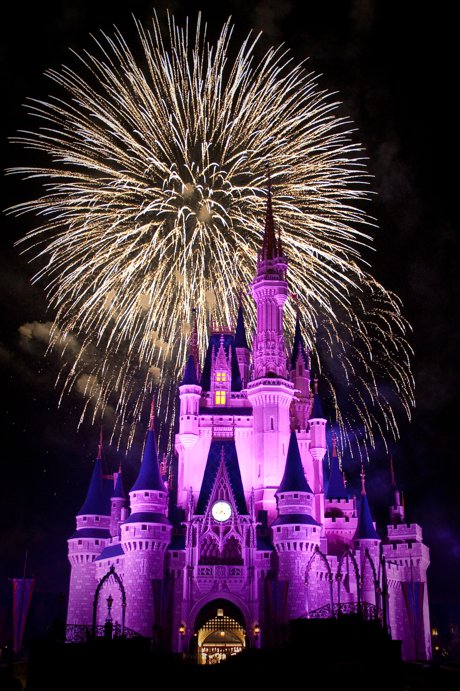
Walt Disney World

Hunter's Creek is a master-planned, unincorporated community in the southwest corner of Orange County, Florida, approximately 10–15 minutes from Walt Disney World, 15 minutes from SeaWorld Orlando, and 20–25 minutes from Universal Studios Orlando. Developed on 3,840 acres of former south Orange County land beginning in 1986, Hunter's Creek spans 6.5 square miles and is home to nearly 25,000 residents across 35 subdivisions. SR 417 (Central Florida GreeneWay) runs along the community's northern edge and serves as the primary expressway corridor to all three major theme park complexes. CNN Money ranked Hunter's Creek among the 21 best places to live in the United States.

Here's something most people relocating to Orlando don't fully appreciate until they start mapping things out: being near Disney isn't the same as being near all three parks. A lot of communities can claim a reasonable drive to Walt Disney World. Far fewer can say the same about SeaWorld and Universal Studios while still feeling like an actual, livable neighborhood — not a tourist district.

Hunter's Creek can say exactly that. Tucked into the southwest corner of Orange County, this master-planned community of nearly 25,000 residents has one of the most enviable theme park addresses in all of Central Florida. We're talking 10–15 minutes to Disney's main gates, roughly 15 minutes to SeaWorld, and about 20–25 minutes to Universal Orlando. All three, all the time, without the chaos of International Drive outside your front door.

A Quick Bit of History (Because Context Matters)

Hunter's Creek didn't happen overnight. Canada-based Genstar Development Company owned a massive 3,840-acre tract of south Orange County land, and planning began as early as 1984 — with an official construction kickoff in 1986. The majority of neighborhoods were built through the late 1980s and 1990s. Today the community spans 6.5 square miles, with 35 single-family neighborhoods and nearly 25,000 residents. It borders Kissimmee to the south and Williamsburg to the north, sitting just east of the resort corridors that feed directly into the theme park gates.

The Drive Times: Let's Get Specific

Real estate marketing loves to throw around "minutes from Disney!" as if it means anything without a map. So let's be precise about what living in Hunter's Creek actually means for your commute to each park.

Walt Disney World: 10–15 Minutes

Hunter's Creek is directly connected to Walt Disney World via SR 417 (Central Florida GreeneWay), which runs along the community's northern edge. Hop on 417 heading west, merge toward US-192 or World Drive, and you're pulling into Disney's parking structures well under 15 minutes from most neighborhoods in the community. For residents with annual passes, this is the kind of proximity that means a quick Saturday morning at the Magic Kingdom — and back home before the afternoon crowds even peak. For more on what Disney offers Central Florida residents specifically, see our guide to Walt Disney World Florida resident information.

SeaWorld Orlando: ~15 Minutes

SeaWorld sits right in the sweet spot between Hunter's Creek and International Drive. Head north on John Young Parkway or SR 417 toward the I-4 corridor, and you're at SeaWorld's gates in roughly 15 minutes. The route avoids most of the tourist traffic until you're nearly at the park itself. This makes SeaWorld one of the most spontaneously "let's just go" parks for Hunter's Creek families — it's close enough for a half-day visit without the commitment of a full theme park day. Our Sea World Orlando guide has the full Florida resident breakdown.

Universal Studios Orlando: 20–25 Minutes

Universal is the furthest of the three, but 20–25 minutes is still an easy Tuesday evening trip when you've got a flex annual pass and dinner reservations on CityWalk. The typical route from Hunter's Creek takes SR 417 north to I-4 westbound, exiting at Universal Boulevard. Traffic on I-4 is the variable here — mornings heading into Orlando can slow things down — but for park visits themselves, you're rarely fighting outbound commuter traffic. Check out our Universal Studios Orlando resident guide for more details.

How Does Hunter's Creek Compare to Other Nearby Communities?

It's worth putting Hunter's Creek in context. Celebration sits even closer to Disney's western entrance — but it's farther from Universal and SeaWorld, and its price premium reflects that. Dr. Phillips excels for SeaWorld and Universal access, but Disney requires more travel time heading southwest. Hunter's Creek genuinely sits in the geographic center of all three park clusters — not the absolute closest to any single park, but arguably the most balanced location in Central Florida if all three matter to your family. CNN Money recognized the area's quality of life by ranking Hunter's Creek 21st on its Best Places to Live in the United States list.

The SR 417 Factor: Your Theme Park Highway

One thing that makes Hunter's Creek's proximity so practical is SR 417 (Central Florida GreeneWay). This toll expressway runs along the community's northern edge and connects directly to Disney World and SeaWorld heading west, and to Orlando International Airport heading east. It also links northward to Universal via I-4. The Florida Turnpike is accessible as well, providing a southbound alternative to Disney's southern entry points. For residents, having two major toll roads within minutes means theme park visits are rarely a traffic negotiation — you just go. Our guide to The Florida Turnpike covers Central Florida's toll network in full.

Beyond the Big Three: More Entertainment Within Reach

Gatorland — the legendary 110-acre wildlife park operating since 1949 — sits just minutes from Hunter's Creek's northern edge. Annual passes make it an easy addition to your household entertainment rotation. Our Gatorland guide has the full story.

Disney Springs, Disney's free-admission shopping and dining district, is about a 9-mile drive — close enough for dinner without paying park admission. With 100+ shops and 60+ dining options, it functions almost like a neighborhood amenity at this distance. See our Disney Springs article for resident details.

The The Loop Shopping Center — an open-air mall adjacent to Hunter's Creek — puts movies, dining, and retail right at the community's doorstep. And Hunters Creek Town Center keeps everyday services even closer.

What the Locals Know

Hunter's Creek residents use their theme park access differently than tourists do. Annual passes are common, and the proximity makes visits casual — a quick EPCOT evening for the food festival, a rainy Saturday at SeaWorld, birthday dinner at CityWalk. The parks stop feeling like events and start feeling like extended neighborhood amenities.

The community adds to the appeal: seven parks with sports courts, playgrounds, and trails; a well-regarded school system through Orange County Public Schools; a strong HOA; and a family-forward culture built over four decades of planned development. Safety levels rank higher than 56% of Florida communities statewide.

Here's the honest bottom line: if your family loves theme parks and you want a real, established neighborhood — not a tourist corridor — Hunter's Creek is one of Central Florida's most compelling addresses. You're not choosing between "near the parks" and "good community." You get both. 🎢

For more information about living in Hunter's Creek, including community events, parks, and HOA details, visit the official Hunter's Creek Community Association website.


Ready to explore homes in Hunter's Creek or other Central Florida communities near the theme parks? Browse our Hunter's Creek homes for sale, check out our Kissimmee community guide, or explore Celebration — another Osceola County gem close to Disney. Questions? Contact us for personalized relocation advice!
March 20, 2026

Seasonal Festivals and Community Events That Celebrate the Arts in Hunter's Creek

Seasonal Festivals & Community Arts Events in Hunter's Creek

From helicopter marshmallow drops to holiday parades, Hunter's Creek keeps the calendar full all year long

Community Events

Hunter's Creek is a master-planned community in South Orange County, Florida, covering approximately 7 square miles with a population of roughly 24,433 residents. The Hunter's Creek Community Association (HCCA) organizes a full calendar of seasonal events, with three signature annual celebrations: Bunny in the Park (spring), the Fall Festival (mid-October at Osprey Park), and the Twilight Holiday Parade (December along Town Center Boulevard). The Bunny in the Park event features the famous Marshmallow Drop, where 25,000 marshmallows are dropped from a helicopter. Additional recurring events include National Night Out (first Tuesday in October), the Turkey Trot 5K (Saturday before Thanksgiving), and a bi-annual Community-Wide Garage Sale (first Saturday in May and November). Hunter's Creek was recognized as one of CNN Money magazine's "Best Places to Live in America" in 2011.

Here's something a lot of people scoping out South Orlando don't realize: Hunter's Creek isn't just a great place to live — it's a genuinely great place to belong. When a community drops 25,000 marshmallows from a helicopter at Easter or rolls a full holiday parade down Town Center Boulevard every December, that's telling you something important about the kind of neighbors you'd be signing up for.

If you're considering a move to Hunter's Creek, the community's arts and events scene is a great place to understand what life actually feels like here. Let's break it down, season by season.

A Little Context: What Makes Hunter's Creek Different

Hunter's Creek didn't just happen organically — it was deliberately designed. Planning began in 1984, with construction kicking off in 1986 as a master development on a 3,840-acre tract in South Orange County. Today it covers about 7 square miles, houses nearly 24,500 residents, and includes 38 single-family neighborhoods plus multiple apartment and condo communities.

The Hunter's Creek Community Association (HCCA) runs a dedicated Recreation & Special Events Department to keep the community engaged year-round. CNN Money recognized the results, naming Hunter's Creek one of the "Best Places to Live in America" in 2011.

The Big Three: Hunter's Creek Signature Annual Events

Bunny in the Park (Spring)

If you only attend one Hunter's Creek event all year, make it Bunny in the Park. This spring celebration draws massive crowds and earns its reputation as a must-attend for all ages. The lineup includes food vendors, crafts tables, music, inflatables, and a sidewalk chalk contest — but the undisputed headliner is the Marshmallow Drop. Yes, you read that right: a helicopter flies over and releases 25,000 marshmallows onto the crowd below. Bring a basket. Wear a hat you don't mind getting hit by confectionery. This is peak Central Florida community event energy.

Beyond the spectacle, Bunny in the Park is a genuinely community-oriented experience. It's one of those rare events where you actually meet your neighbors, not just wave at them from the driveway. For families relocating to the area, this is the kind of event that makes a new house feel like home fast.

Fall Festival (Mid-October)

Held in mid-October at Osprey Park — Hunter's Creek's main community gathering hub — the Fall Festival leans into Halloween-season fun. Think costume contests, craft activities, food vendors, and games geared toward younger kids. The timing is smart: it lands before the holiday crush but captures all the cozy autumnal energy that even Florida's October weather occasionally cooperates with.

Osprey Park itself is worth noting — it anchors most large community events in Hunter's Creek, featuring sports courts, multi-purpose fields, and open green space that get well-used during gatherings.

Twilight Holiday Parade (December)

The Twilight Holiday Parade is Hunter's Creek doing the holidays in classic suburban Florida style. The parade travels down Town Center Boulevard and draws participation from community groups, local churches, schools, and businesses. And yes — Santa and Mrs. Claus make an appearance. It's the kind of event that feels genuinely local rather than manufactured, and that matters.

The Fezziwig Festival, typically held at Hunter's Creek Village Park in December following the Twilight Parade, adds a festive evening dimension to the season with additional programming for all ages.

More Events Throughout the Year

National Night Out (First Tuesday in October)

Held at Osprey Park on the first Tuesday of October, National Night Out is Hunter's Creek's entry in a nationwide community safety initiative. The HCCA sweetens it with a free ice cream social — a low-key, high-connection event that gives residents a real reason to meet the people on their street.

Turkey Trot 5K (Saturday Before Thanksgiving)

The Turkey Trot is a well-attended 5K run/walk held the Saturday before Thanksgiving, with a shorter kids' race making it genuinely all-ages. Donations benefit Second Harvest Food Bank of Central Florida — so you can burn off calories and earn good-neighbor points simultaneously.

Community-Wide Garage Sale (First Saturday in May and November)

Twice a year, Hunter's Creek transforms into one giant neighborhood yard sale. The bi-annual Community-Wide Garage Sale draws bargain hunters from across South Orlando and gives residents a fun excuse to declutter. It's become a beloved local tradition, and if you're new to the area, it's genuinely one of the best ways to meet your neighbors while scoring some finds. Mark your calendar for the first Saturday of May and November.

Arts Programming and Cultural Access

Hunter's Creek doesn't operate its own dedicated arts center, but community events incorporate creative programming regularly — the sidewalk chalk contest at Bunny in the Park, craft vendors at the Fall Festival, and rotating activities through the HCCA's Recreation Department.

For deeper arts immersion, Hunter's Creek's location delivers. Downtown Orlando — with the Dr. Phillips Center for the Performing Arts and Lake Eola Park events — sits about 20 miles north via SR 417. The nearby Osceola County School for the Arts in neighboring Falcon Trace is an A-rated institution serving students in grades 6–12. For more on what's happening culturally, visit our Hunter's Creek Arts & Culture guide.

The broader Kissimmee corridor — just south of Hunter's Creek — also hosts regular events at venues like Kissimmee Lakefront Park, adding to the regional cultural calendar.

Shopping, Dining, and Everyday Community Life

Events don't exist in a vacuum — part of what makes Hunter's Creek's calendar work is the infrastructure around it. Hunter's Creek Town Center is the commercial heart of the community, with dining and retail that keep residents close to home on weeknights and weekends. The Loop in neighboring Kissimmee adds even more options just minutes away.

For dining details, see our Hunter's Creek Restaurants guide. For outdoor activity planning around events season, our Hunter's Creek Parks guide has the full rundown on the community's six parks.

What the Locals Know

Here's the thing about Hunter's Creek events: they're not flashy marketing — they're well-attended traditions residents genuinely look forward to year after year. A community that arranges a helicopter to drop 25,000 marshmallows on Easter weekend isn't checking a box. That's a neighborhood that takes its fun seriously.

For relocators, the event calendar tells a useful story. Hunter's Creek attracts families who want South Orange County suburban comfort and the connected feeling of a real community. The mix of creative elements in local events, easy access to regional arts institutions, and an HCCA Recreation Department that keeps programming fresh year-round makes this one of the most livable planned communities in the Orlando metro. The "Best Places to Live" recognition is well-earned — and the event calendar is a big part of the reason why.

For current event schedules, programming updates, and community news, visit the official Hunter's Creek Community Association website.


Curious about making Hunter's Creek your home base in Central Florida? Explore our Hunter's Creek homes for sale or browse our Hunter's Creek community events hub for more on what life looks like here. Ready to talk neighborhoods? Contact us for personalized relocation guidance. 🎉

March 20, 2026

A Hunter's Creek Resident's Guide to the Museum of Military History in Kissimmee

Museum of Military History: A Hunters Creek Resident's Guide

Honor, history, and heritage — just minutes from home on US 192 in Kissimmee

Museum of Military History

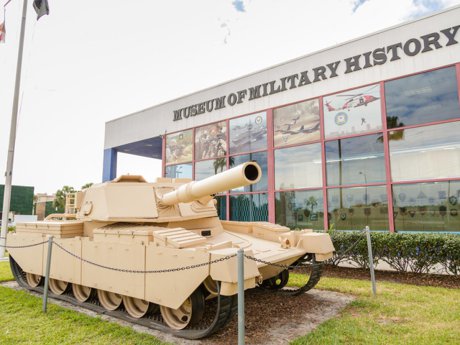
The Museum of Military History is located at 5210 West Irlo Bronson Memorial Highway (US 192) in Kissimmee, Florida 34746, approximately 5 to 6 miles from Hunters Creek — a 10-minute drive. The museum is the only veteran-owned military museum in Florida and covers American conflicts from the Revolutionary War through modern operations. Admission is $14 for adults, $13 for seniors, $11 for veterans, and free for active military and children 5 and under. The museum is open Tuesday through Sunday, 10:00 AM to 6:00 PM, and closed Mondays, Thanksgiving, and Christmas Day.

Here's something a lot of Hunters Creek residents don't realize: one of the most meaningful cultural destinations in Osceola County is sitting just 5 to 6 miles down the road on US 192 — and it has nothing to do with theme parks. The Museum of Military History in Kissimmee is a volunteer-powered, veteran-owned institution covering American conflicts from the Revolutionary War through Operation Enduring Freedom, and for a community with as many veterans and military families as Hunters Creek, it genuinely deserves a spot on your radar.

What Is the Museum of Military History?

The Museum of Military History is the only military museum in Florida owned and operated by veterans — and that shapes everything about the experience. This isn't a slick, government-funded institution. It's a labor of love: dedicated volunteers who have assembled an extraordinary collection of artifacts, uniforms, weapons, medals, personal letters, and stories spanning more than two centuries of American service.

The museum represents all military branches and makes a point of honoring the full breadth of American service — including the Buffalo Soldiers, the Tuskegee Airmen, and women in the military. TripAdvisor currently rates it #2 of 105 things to do in Kissimmee, with a Travelers' Choice award — and reviewers consistently single out the volunteer guides, who don't just point at exhibits but tell stories, correct misconceptions, and make the whole visit feel personal.

What You'll See Inside

The exhibits are organized chronologically, walking visitors through American military conflicts in sequence. You'll move from the Revolutionary War and the War of 1812 through the Civil War, World War I, World War II, Korea, Vietnam, and into more recent conflicts like Desert Storm and Operation Enduring Freedom. Budget about 1.5 to 2 hours to do it justice — one reviewer who spent two hours still described it as a highlight of his visit to Central Florida.

One of the most emotionally significant elements of the museum is the Florida Vietnam Wall — a replica of the national memorial that lists all 1,952 Floridians who did not return from the Vietnam conflict. For anyone with a Florida connection to that era, standing in front of this wall carries a weight that's hard to put into words.

Other standout elements include:

  • Authentic uniforms and personal gear from multiple conflicts and all military branches
  • An extensive reference library and archives on military history
  • Weapons, medals, and personal letters from service members
  • Exhibits dedicated to the Tuskegee Airmen and Buffalo Soldiers
  • Displays on women in the military across different eras
  • Coverage of modern conflicts through Operation Enduring Freedom

Admission, Hours & Getting There from Hunters Creek

Here's the practical information you need:

Admission Rates:

  • Adults: $14
  • Seniors: $13
  • Students: $12
  • Veterans: $11
  • Active Military: Free
  • Children 5 and under: Free

Hours: Tuesday through Sunday, 10:00 AM – 6:00 PM. Closed Mondays, Thanksgiving Day, and Christmas Day. Phone: 407-507-3894.

Address: 5210 West Irlo Bronson Memorial Highway (US 192), Kissimmee, FL 34746.

Getting there from Hunters Creek: The museum is approximately 5 to 6 miles from Hunters Creek — about a 10-minute drive. Head north on John Young Parkway, then west on US 192 (Irlo Bronson Memorial Highway). The museum sits directly on the US 192 corridor, with parking on-site. It's a genuinely easy trip.

For more on navigating Osceola County's roads, check out our guide to US 192 — Irlo Bronson Memorial Highway, which covers the full 192 corridor through Kissimmee.

Why This Museum Matters for Hunters Creek Families

Hunters Creek has a significant military and veteran population — it's one of the things that gives the community its grounded, community-oriented character. The Museum of Military History is one of the few cultural institutions in the immediate area that speaks directly to that experience. For active-duty families, it's a free admission opportunity to spend a meaningful afternoon. For veterans, the $11 admission gets you into one of the most authentic tributes to service in all of Central Florida.

It's also an exceptional homeschool or family education destination. Multiple reviews specifically call out its value for homeschool families, and the chronological exhibit structure makes it genuinely educational rather than overwhelming. The museum strikes a thoughtful balance between honoring the sacrifice of soldiers and presenting history in a way that's accessible to children and teenagers.

Special Events and Community Programs

The Museum of Military History isn't just open Tuesday through Sunday — it's an active community institution. The museum hosts special events throughout the year, including commemorative ceremonies, guest lectures, and educational programs tied to significant military anniversaries.

In August 2025, the museum hosted "Keep the Spirit of '45 Alive" — a full-day event marking the 80th anniversary of World War II's end, featuring free daytime programming and an evening dinner. The City of Kissimmee co-sponsored the event, reflecting the strong community relationship the museum has built over the years.

The museum also has a membership program and accepts volunteers, which is worth knowing if you're looking for ways to connect with a meaningful local organization. Explore more Kissimmee arts and culture options — including Pioneer Village at Shingle Creek and Osceola Arts — in our comprehensive guide.

What Else Is Nearby on US 192

If you're making the trip from Hunters Creek, you're already on one of the most storied corridors in Osceola County. The museum sits within easy reach of Old Town Kissimmee and several dinner shows — making it easy to turn the visit into a half-day outing. Kissimmee's downtown Broadway corridor is about 10 minutes further east if you want to add a lakefront lunch; our Kissimmee Lakefront Park and downtown guide has all the details.

Looking for more family-friendly options? Our complete Kissimmee entertainment guide covers the full range of what this city has to offer.

What the Locals Know

The Museum of Military History doesn't show up on most Hunters Creek residents' radar — and that's honestly a shame, because it's one of the best afternoons you can spend for under $15. The volunteer guides make the experience feel personal in a way that no audio tour ever could. The Florida Vietnam Wall alone is worth the drive. And for the military households throughout Hunters Creek, this museum isn't just a cultural destination — it's a tribute to people you know, people you are, and people you've lost.

Plan about two hours, bring the family, and go on a weekday if you want a quieter experience with more time to talk to the guides. Tuesday through Friday mornings tend to be the least crowded. And if you're active military — walk right in. Your admission is free, and they mean it.

For current hours, events, and information, visit the official Museum of Military History website or call 407-507-3894.


Curious about life in Hunters Creek or exploring homes near Kissimmee? Browse our Kissimmee homes for sale or explore our full Hunters Creek Town Center guide to discover everything this community has to offer. Ready to talk? Contact us for personalized relocation advice!

March 20, 2026

Cultural Diversity in Hunter's Creek: How a Master-Planned Community Became a Melting Pot of Art and Tradition

Cultural Diversity in Hunter's Creek: How a Master-Planned Community Became a Melting Pot of Art and Tradition

From Venezuelan arepas to Twilight Parades, here's how Hunter's Creek quietly became one of Central Florida's most vibrant multicultural communities

Cultural Diversity

Hunter's Creek is a master-planned, unincorporated community in Orange County, Florida, located approximately 20 miles south of Downtown Orlando. Its current population of roughly 21,000 residents is approximately 50.6% Hispanic, 31.1% White, and 8% Asian, making it one of the most diverse communities in the greater Orlando metro area. Spanish is spoken at home by an estimated 59% of Hunter's Creek households. The community is governed by the Hunter's Creek Community Association, which organizes annual cultural events including Bunny in the Park, a Fall Festival, and the signature Twilight Parade. The median household income in Hunter's Creek is approximately $99,942.

When developers broke ground on Hunter's Creek back in 1986, the vision was straightforward: build a high-quality master-planned community on 3,840 acres of south Orange County land. What nobody could have fully planned for was the extraordinary cultural mosaic that would take root here over the next four decades. Today, Hunter's Creek isn't just a well-manicured collection of neighborhoods — it's a living, breathing celebration of where the world has landed in Central Florida.

Here's something that surprises people researching Orlando-area communities: Hunter's Creek isn't predominantly one thing. It's Puerto Rican families at Sunday cookouts, Indian professionals on the tech corridor, South American newcomers building businesses, and multi-generational households where grandparents speak one language and grandkids answer in another. It's everything — and somehow, it works beautifully.

The Numbers Behind the Melting Pot

The demographics tell a remarkable story. Today, Hunter's Creek is roughly 50.6% Hispanic, 31.1% White, and 8% Asian, with residents tracing ancestry to Puerto Rico (23.6% in some sub-neighborhoods), South America, Asia, Europe, and beyond. Approximately 59% of Hunter's Creek households speak Spanish at home — not a statistic you'd expect from a community that launched with a Canadian development company building "upscale suburban" housing in 1986, yet here we are. For families relocating from Latin American countries, Puerto Rico, or heavily Hispanic metros in the U.S., Hunter's Creek offers immediate cultural familiarity without sacrificing safety, amenities, or school quality.

Visit our Hunter's Creek community guide to explore neighborhoods and current listings.

Food as the First Language of Culture

If you want to understand a community's cultural DNA, follow the food. In Hunter's Creek, the dining landscape has evolved from classic American chain staples into something far more interesting. Along the John Young Parkway corridor and around Hunter's Creek Town Center, you'll find a growing constellation of mom-and-pop restaurants reflecting the community's international roots.

"We're getting a lot of mom-and-pop restaurants now," longtime community association coordinator Cyndi Collao has noted. "We've got Latin food, Mexican, Indian, Thai, everything you can think of." Venezuelan fast-casual spots, family-run taquerias, authentic Indian curry houses — these aren't novelties here. They're the neighborhood's everyday fabric.

This is what happens when a community becomes genuinely diverse rather than just demographically mixed: people bring their culinary traditions with them, and everyone benefits. Long-time residents who moved to Hunter's Creek for the quiet streets 20 years ago now have access to a global dining scene that rivals much larger urban neighborhoods. For relocating families, finding familiar flavors close to home eases the transition in ways that square footage and school ratings simply can't.

Explore even more area dining options with our comprehensive Hunter's Creek restaurants guide.

Art, Tradition, and the Community Calendar

One of the most revealing things about a community's culture is what it chooses to celebrate together. The Hunter's Creek Community Association has built an events calendar that brings residents of every background into shared spaces, and the results are genuinely special.

The signature annual events tell the story:

  • Bunny in the Park — An Easter celebration with food, vendors, crafts, music, inflatables, and the legendary Marshmallow Drop, where 25,000 marshmallows rain from a helicopter.
  • The Fall Festival — A community-wide gathering blending seasonal tradition with Hunter's Creek's multicultural character.
  • The Twilight Parade — The holiday kickoff bringing together community groups, churches, schools, and businesses for a parade down Town Center Boulevard.
  • National Night Out — Held at Osprey Park each October, this community safety event doubles as a neighborhood social with a free ice cream gathering.

These aren't just HOA-mandated formalities. They're genuine cross-cultural gatherings where kids from dozens of different national backgrounds run alongside each other, and parents who might otherwise only wave from their driveways actually talk. That's the kind of community glue that planners can't engineer — it emerges organically when diversity is embraced rather than just tolerated.

Find out about upcoming community events in our Hunter's Creek events guide.

Schools as Cultural Crossroads

One of the most powerful indicators of how a community handles diversity is what happens inside its schools. Hunter's Creek Elementary and West Creek Elementary both carry strong ratings, and Hunter's Creek Middle School mirrors the community's demographics — roughly 67% Latino students alongside Asian, White, and Black classmates, creating classrooms where cultural exchange is simply the daily reality.

Older students can attend Freedom High School, which offers academies in mass media, engineering, and hospitality — career pathways built for a globally connected workforce. Nearby, the Osceola County School for the Arts gives artistically inclined students access to specialized education that honors creative expression. For relocating families, this means your children gain not just an education, but global fluency: learning to understand and collaborate with people from backgrounds very different from their own.

Browse our comprehensive Hunter's Creek schools guide for ratings, boundaries, and enrollment details.

The Broader Orlando Cultural Scene at Your Doorstep

Hunter's Creek's internal cultural richness is amplified by its access to Orlando's wider arts scene. Sitting about 20 miles south of Downtown Orlando via South Orange Blossom Trail or SR 417, residents reach a metro area that has become one of the most culturally active in the Southeast. Within a short drive:

  • The Loop Shopping Center in nearby Kissimmee, which anchors a commercial corridor reflecting the area's diverse population
  • International Drive's Icon Park, museums, and entertainment venues — less than 5 miles west
  • Kissimmee's Lakefront Park and vibrant downtown dining scene, just minutes east
  • The cultural institutions of Downtown Orlando, reachable via SunRail from the nearby Tupperware Station
  • Dr. Phillips' famed Restaurant Row along Sand Lake Road, approximately 10 miles north

The result is a community that punches well above its size when it comes to cultural access — suburban serenity with easy entry into one of Florida's most vibrant multicultural metros.

Explore arts and culture programming across the region with our Hunter's Creek arts and culture guide.

What the Locals Know

Hunter's Creek started as a blueprint — careful, engineered, deliberate. What it became is something no blueprint could have anticipated: a community where cultural diversity isn't a marketing tagline, it's Tuesday night. It's the aroma from the Venezuelan restaurant two blocks from the Ale House. It's kids from a dozen countries racing through Osprey Park during the Fall Festival. It's a Twilight Parade where the whole neighborhood shows up together.

For families considering Central Florida, Hunter's Creek offers something increasingly rare: a well-resourced, beautifully maintained master-planned community that is also genuinely, authentically diverse. You don't have to choose between quality of life and cultural richness here. You get both. 🌎

For more on community governance, neighborhood amenities, and upcoming events, visit the official Hunter's Creek Community Association website.


Ready to explore Hunter's Creek homes and find your neighborhood match? Visit our Hunter's Creek real estate guide, or browse our Osceola County community guides to discover all that South Orlando has to offer. Questions? Contact us for personalized relocation advice!

March 20, 2026

Public Art and Community Pride: Exploring the Murals and Installations in Hunter's Creek

Public Art and Community Pride in Hunter's Creek, FL

Exploring the murals, monuments, and installations that give Hunter's Creek its colorful, close-knit identity

Public art and community mural in Hunter's Creek, Orange County, Florida

Hunter's Creek is a master-planned community of approximately 25,000 residents in southwest Orange County, Florida, established in the late 1980s on former citrus groves and pastureland. The community features a veterans monument at Osprey Park, HOA-curated entrance landscaping and signage, and commercial art elements at Hunter's Creek Town Center. Public murals and cultural installations in the broader Central Florida region — including the SEE ART Orlando sculpture collection at Lake Eola Park (about 20 miles north) and the Maitland Art & History Museums (about 30 miles north) — are accessible within a short drive. Hunter's Creek was named one of CNN Money magazine's "Best Places to Live in America" in 2011.

Here's something that surprises a lot of people researching Hunter's Creek: this community puts an enormous amount of thought into its visual identity — it just expresses it differently than you might expect. While you won't find an Instagram-famous street mural on every corner, you will find a meticulously maintained master-planned community where the aesthetics of public spaces, parks, and gathering areas are treated as a collective responsibility. That, too, is a form of public art.

Whether you're already living in Hunter's Creek and want to better know your community's creative side, or you're a prospective buyer weighing the lifestyle fit — let's dig into what community pride actually looks like here, and where to find great public art both inside and just beyond Hunter's Creek's borders.

A Community Built with Intention

Before we talk about art, a little context helps. Planning for Hunter's Creek began as early as 1984, with construction officially kicking off in 1986 — a 15-to-20-year project carved out of nearly 4,000 acres in southwest Orange County. The original developers (Genstar Development Company, later American Newland Associates) had a vision: a cohesive, self-contained suburban community where design standards were the point.

What emerged is 35 single-family neighborhoods, seven apartment communities, seven community parks, and a Town Center — all bound together by the Hunter's Creek Community Association (HCCA), which oversees architectural standards, landscaping, and public spaces. In a master-planned community like this, the HOA doesn't just cut grass and enforce parking rules. It actively shapes what the community looks like — and that includes how public-facing spaces are designed, maintained, and celebrated.

The Veterans Monument at Osprey Park

One of Hunter's Creek's most meaningful public installations is the veterans monument at Osprey Park, which honors members of the armed forces. It's a modest but quietly powerful tribute — the kind of community landmark that becomes a gathering point for reflection, especially around holidays like Memorial Day and Veterans Day.

Osprey Park itself is the heart of the Hunter's Creek community event calendar. With covered pavilions, picnic tables, sports fields, a playground, and a dog park, it's where neighbors actually show up and mix. Events like Bunny in the Park, the Independence Day Celebration, and Hunter's Creep Nights each October give the park a festive, community-celebrating energy that — if you've spent time in other Orlando-area suburbs — is noticeably genuine. Local artisans and craft vendors often participate in these seasonal events, adding a creative marketplace dimension to the park experience.

Eagle Park, another community anchor, rounds out the recreational infrastructure with baseball and softball fields, tennis courts, and multipurpose green space. Together, these parks represent Hunter's Creek's most deliberate investment in shared community identity.

Hunter's Creek Town Center: Where Commerce Gets Creative

The Hunters Creek Town Center is worth a closer look as a locus of visual community identity. While it's primarily a retail and dining corridor, Town Center reflects the aesthetic standards the HCCA enforces across the community — consistent signage, maintained landscaping, and a clean, welcoming environment that says "people care about this place."

Local businesses here have embraced this identity, with signage and storefront design that tends toward the polished rather than the generic strip-mall look. As Hunter's Creek has matured as a community (and as its demographic has evolved over nearly four decades), the commercial spaces have followed suit with more personality and local flair.

Just about a mile east, The Loop Shopping Center in Kissimmee offers a larger outdoor retail experience with more decorative and branding-forward design elements. Many Hunter's Creek residents consider The Loop a natural extension of their shopping and dining world, and the commercial art installations and theming there add to the overall visual richness of the south Orange County lifestyle.

The Broader Picture: Public Art Within Easy Reach

Let's be real: if you're a dedicated mural hunter or public sculpture enthusiast, Hunter's Creek's internal art scene is going to feel more "curated suburban" than "street art district." That's not a critique — it's just accurate. What Hunter's Creek does exceptionally well is community-scale design and cohesion. But for those craving large-scale public art experiences, Central Florida delivers richly — and Hunter's Creek's location puts you close to several outstanding options.

SEE ART Orlando at Lake Eola Park

About 20 miles north of Hunter's Creek (roughly a 25-minute drive on a good traffic day), Lake Eola Park in Downtown Orlando hosts six of the nine permanent sculptures in the SEE ART Orlando collection, unveiled in 2013 and supported by private philanthropy. Highlights include Take Flight by Douwe Blumberg and The Muse of Discovery by Meg White. It's a free, walkable outdoor experience that doubles as a lovely afternoon outing.

The Maitland Art & History Museums

About 30 miles north, the Maitland Art & History Museum is a National Historic Landmark and one of Central Florida's hidden gems for public art lovers. The campus contains over 2,000 carvings, sculptures, and murals within lush courtyard gardens. Four of the original artist studios established by founder Jules André Smith in 1932 are still active today. It's a genuinely extraordinary place.

Downtown Orlando's Mural Districts

The Mills 50, Milk District, and SODO neighborhoods in Downtown Orlando have developed into some of the richest mural landscapes in Florida. The City of Orlando's Public Art Program maintains a collection of more than 900 pieces — paintings, sculptures, tapestries, and mixed media — throughout city parks and public buildings. For Hunter's Creek residents, a day trip into the city to explore these districts is genuinely worth building into your quarterly calendar.

What the Locals Know

Hunter's Creek isn't a community that expresses its identity through splashy street art — it expresses it through consistently high standards for its shared spaces, through neighbor-driven events that pack Osprey Park with families and kids year-round, and through the quiet pride of a community that has maintained its quality of life for nearly four decades. The veterans monument stands as a reminder of something deeper: that community art, at its most meaningful, isn't always about aesthetics. Sometimes it's about acknowledgment, memory, and shared values.

For art lovers considering a move to Hunter's Creek: you'll find your creative fix within a short drive. And you'll come home to a neighborhood that's beautiful in its own, carefully maintained way — one that a lot of people clearly love, judging by the fact that it was named one of the best places to live in America by CNN Money back in 2011. That reputation hasn't faded. 🎨

For more on community events, parks, and programming in Hunter's Creek, visit the official Hunter's Creek Community Association website.


Curious about everything Hunter's Creek has to offer? Explore our Hunter's Creek Homes for Sale guide, browse nearby dining at the Hunters Creek Town Center, or contact us for personalized relocation advice!
March 20, 2026

A Guide to the Orange County Regional History Center: Hunter's Creek Residents' Window Into Central Florida's Pas

Orange County Regional History Center: Hunter's Creek Residents' Window Into Central Florida's Past

Why this downtown Orlando museum deserves a spot on your cultural bucket list — and how easy it is to get there from Hunter's Creek

Orange Country Regional History Center

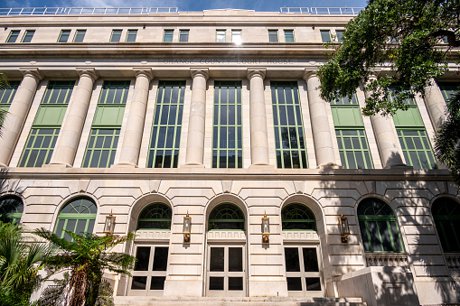
The Orange County Regional History Center is a Smithsonian Institution-affiliated history museum located at 65 E. Central Blvd. in downtown Orlando, approximately 14–15 miles and a 20–25 minute drive north of Hunter's Creek. Housed in a restored 1927 courthouse, the museum spans four floors and covers roughly 12,000 years of Central Florida history, from the region's Indigenous peoples to the Walt Disney World era. Adult admission is $8, with reduced pricing for students and children; the museum is open Monday through Saturday from 10 a.m. to 5 p.m. and Sunday from noon to 5 p.m. On the third Thursday of each month, admission is free from 5 to 8 p.m. The museum is accredited by the American Alliance of Museums and is operated by Orange County and the Historical Society of Central Florida.

Here's something a lot of people moving to Hunter's Creek discover after settling in: they're living in one of the most historically rich corners of the country — and most of that story is sitting in a gorgeous old courthouse in downtown Orlando, just 20 minutes up John Young Parkway. The Orange County Regional History Center isn't the flashiest attraction in Central Florida (no roller coasters, no costumed characters), but for anyone who wants to truly understand the place they've chosen to call home, it might be the most rewarding stop you'll make all year.

Whether you're a family looking for a rainy-day outing or a couple wanting a genuinely interesting date night, this museum delivers. And for Hunter's Creek residents, the logistics couldn't be easier.

What Is the Orange County Regional History Center?

Let's start with the basics. The Orange County Regional History Center is a full-scale history museum housed in a beautifully restored five-story 1927 county courthouse right in the heart of Downtown Orlando. It opened in 2000 and is operated jointly by Orange County government and the Historical Society of Central Florida. The address is 65 E. Central Blvd., Orlando, FL 32801 — sitting at the corner of Magnolia Avenue and Central Boulevard, across from the Orlando Public Library.

It's a Smithsonian Institution affiliate — which is no small thing. That designation means the museum meets rigorous standards for collections management, scholarship, and public programming, and it gives the History Center access to limited-run traveling exhibitions from the Smithsonian's vast network. It's also accredited by the American Alliance of Museums, putting it in the same company as the country's premier cultural institutions. For a museum in a city that's more famous for its theme parks than its archives, that's a genuinely impressive pedigree.

The Story the Museum Tells — and Why It Hits Different for Central Floridians

The museum spans four floors and covers approximately 12,000 years of Central Florida history. That's not a typo. Long before Walt Disney broke ground on anything, this region had a rich and layered story — and the History Center makes it come alive in a way that's genuinely engaging for adults and kids alike.

The permanent exhibits walk you through roughly 12,000 years of regional history: the Indigenous peoples who called Central Florida home long before European contact, the Spanish colonial era, the cattle-and-citrus economy that shaped the land, a century of pre-Disney Florida tourism, and then the seismic shift of 1971 when Walt Disney World opened and changed everything. There's also a deeply moving section on Central Florida's African American heritage, featuring works by the legendary Florida Highwaymen painters, and a gallery on the region's surprising aviation roots.

For Hunter's Creek residents especially, the community-growth storyline hits close to home. Hunter's Creek was agricultural land before Genstar Development Company began planning the community in 1984 — right in the thick of Central Florida's post-Disney explosion. Seeing that transformation laid out floor by floor is a genuinely illuminating experience.

Practical Visit Info for Hunter's Creek Families

Getting There

From Hunter's Creek, the drive is about 14–15 miles and typically takes 20–25 minutes via John Young Parkway north into the downtown core. For those who'd rather skip parking altogether, SunRail stops put you in reasonable walking distance of the museum.

Parking is available in the Library Parking Garage at 112 East Central Boulevard — and your museum ticket gets you up to two hours of validated parking. That's a genuine perk in downtown Orlando.

Hours and Admission

  • Monday – Saturday: 10 a.m. – 5 p.m.
  • Sunday: Noon – 5 p.m.
  • Third Thursday of each month: Extended hours 5–8 p.m. with free admission

Admission is refreshingly affordable: $8 for adults, $7 for students (with ID), and $6 for children ages 5–12. Kids ages 4 and under get in free. Discounts are available for seniors, military members, and Orange County employees, and the museum participates in the Local Wanderer program.

How Long to Plan For

Budget about 90 minutes to two hours for a relaxed visit through all four floors — longer if there's a traveling exhibition on display. A good Hunter's Creek strategy: arrive at 10 a.m. when doors open, explore the museum, then walk a few blocks to Lake Eola Park for a picnic lunch before heading back south.

The Third Thursday Secret

Here's what the locals know that tourists usually miss: the third Thursday of every month, the History Center stays open from 5 to 8 p.m. with completely free admission. They often pair these evening hours with guest lectures from historians, authors, and local experts — covering everything from Orlando's civil rights history to architectural tours of the courthouse building itself. It's the kind of cultural evening that feels genuinely special, and it's free. It's a fantastic date night for Hunter's Creek couples who want something more substantive than another dinner-and-a-movie.

Kids, Families, and Making It a Full Day

The museum is genuinely kid-friendly — not just "tolerable for kids." The Pioneer Cabin gallery (a walk-through recreation of 19th-century Florida frontier life) tends to be a crowd favorite, and the exhibits are interactive enough to keep younger visitors engaged. Beyond the permanent collection, the museum runs summer camps, homeschool days, and school field trips throughout the year. For Hunter's Creek families in the Orange County Public Schools system, there's a decent chance your kids will visit on a field trip — making a family outing before or after all the more rewarding.

The downtown location opens up the rest of the day nicely. Lake Eola Park is just a short walk east — ideal for a post-museum stroll, or a stop at the Sunday farmer's market if your timing lines up. The History Center's website keeps an updated events calendar, so you can plan around a lecture, a Smithsonian traveling exhibition, or one of the museum's cultural festivals.

What the Locals Know

The Orange County Regional History Center is one of Central Florida's most underappreciated cultural assets — it has something the theme parks can't manufacture: genuine history. For Hunter's Creek residents, it's a 20-minute drive that offers something increasingly rare in this region: a quiet, thoughtful look at the land beneath all the concrete and commerce.

The price is right, the parking is manageable, and the Third Thursday free nights make it easy to build into a regular routine. If you haven't made the trip yet, put it on the calendar. You'll come home understanding your corner of Florida a little better.

For current hours, traveling exhibitions, event calendars, and ticket purchases, visit the official Orange County Regional History Center website.


Curious about arts and culture near Hunter's Creek or anywhere across Central Florida? Explore our Hunter's Creek community guide or check out our Maitland Art & History Museum guide for another great cultural day trip option. Ready to find your place in Central Florida? Contact us for personalized relocation advice!
March 20, 2026

Gatorland: Hunter's Creek's Iconic Wildlife Attraction and Living Piece of Florida History

Gatorland: Hunter's Creek's Iconic Wildlife Attraction and Living Piece of Florida History

From its legendary gator-mouth entrance to zip lines soaring over crocodiles, Gatorland has been Central Florida's wild heart since 1949

Gatorland near Hunters Creek in Orlando FL

Gatorland is a 110-acre wildlife theme park and preserve located at 14501 S. Orange Blossom Trail in south Orlando, immediately north of the Hunter's Creek community. Founded in 1949 by Owen Godwin and still family-owned, it is one of Central Florida's oldest continuously operating attractions. Gatorland houses thousands of alligators and crocodiles, including four rare leucistic "white" alligators, along with a free-flight aviary, petting zoo, natural breeding marsh, and live shows. The park is open daily from 10 AM to 5 PM; standard adult general admission is approximately $29, with Florida resident discounts available at the gate. The Screamin' Gator Zip Line spans 1,200 feet from towers standing over seven stories tall above the animal habitats.

Here's something that surprises relocators scoping out south Orlando: Hunter's Creek has a theme park basically in its backyard. Not just any theme park — one that's been roaring since before Walt Disney World was even a glimmer in a Florida swamp. Gatorland, the self-proclaimed "Alligator Capital of the World," sits right on South Orange Blossom Trail just north of the Hunter's Creek subdivision, making it one of the most accessible major attractions to any Central Florida residential community.

While visitors from across the globe make pilgrimages to Gatorland, Hunter's Creek residents get to treat it like a neighborhood amenity — a wild, scaly, thoroughly Florida one. Let's dig into what makes this place so special and what it means to live this close to a living piece of state history.

Over 75 Years of "Old Florida" That Never Got Old

Gatorland opened in 1949, founded by Owen Godwin, who started with a modest collection of alligators along the old Orange Blossom Trail highway corridor. Long before Universal Studios, SeaWorld, and the Disney empire reshaped Central Florida, this was the kind of roadside attraction that defined the state's identity — a place where Florida's authentic wild side was the main event.

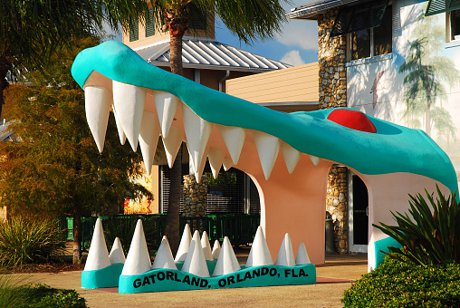
What's remarkable is that Gatorland is still family-owned and still very much itself. In a region where every square mile seems absorbed by corporate entertainment, that's genuinely rare. The park has grown from a simple alligator farm to a 110-acre wildlife preserve, but the "Old Florida" DNA runs through everything here — including the iconic concrete alligator mouth entrance you literally walk through, a landmark since the 1960s.

One Hollywood footnote worth knowing: Gatorland's natural alligator breeding marsh served as a filming location for Indiana Jones and the Temple of Doom in 1984. That marsh is still there, still full of gators, and still just as atmospheric.

What's Actually Inside (It's More Than Just Gators)

The name says "Gatorland" but this place has evolved into a full wildlife preserve. Yes, the alligators and crocodiles are the stars — we're talking thousands of them, ranging from hatchlings you can hold to 14-foot monsters that have been here for decades. Among the most extraordinary residents are four leucistic "white" alligators, a genetic rarity found at only a handful of facilities in the world.

Beyond the reptiles, the 110 acres hold a free-flight aviary with tropical birds including macaws and cockatoos, a petting zoo with tortoises, capybaras, and deer, the natural alligator breeding marsh with a boardwalk and observation tower, the Gator Gully Kids Splash Park (included with admission), a Flamingo Island habitat, and Pearl's Smokehouse — because of course there's food at an alligator park, and of course the menu is exactly what you're imagining.

The Live Shows

Three live shows are included with general admission: the Gator Jumparoo, where handlers coax massive gators to leap four to five feet out of the water for food; Alligators: Legends of the Swamp, an educational presentation with close-up animal interaction; and the Up-Close Encounter, featuring reptiles and other wildlife you wouldn't normally see this near. Plan at least 3–4 hours to catch shows, explore habitats, and do the place justice.

The Screamin' Gator Zip Line: Not for the Faint of Heart

Gatorland added a serious adrenaline element when it launched the Screamin' Gator Zip Line — a 1,200-foot zip line system launching from towers more than seven stories tall. You're not just soaring above the treetops; you're sailing directly over Cuban and Nile crocodiles and the alligator breeding marsh below. Multi-level launch pads extend the experience, and the views from the top are legitimately spectacular.

The zip line is a separate ticket add-on from general admission. For Hunter's Creek residents, this is the kind of thing you can realistically do on a Saturday afternoon without making a whole production of it — proximity has its privileges.

Tickets, Hours, and What Locals Actually Pay

Standard general admission runs approximately $29 for adults and $21 for children ages 3–12 (children under 3 are free). That's a bargain compared to any of the major theme parks nearby, and it's all-inclusive for general admission attractions and shows.

Here's the real insider tip: Florida residents can purchase discounted tickets at the gate with proof of a Florida ID — rates have run as low as $17.50 for adults during promotional periods. Annual passes are also available and make serious financial sense for Hunter's Creek residents who'll realistically visit multiple times a year. The park is open daily from 10 AM to 5 PM, including all holidays, with last admission at 4 PM. Weekday mornings are the quietest; April through May offers the added spectacle of alligator breeding season, when the marsh comes alive with courtship displays.

Gatorland also runs a conservation mission worth mentioning: the park regularly accepts nuisance alligators rescued by trappers — animals that would otherwise be euthanized for their hide and meat. Living near Gatorland means living near an active wildlife conservation operation, which adds a dimension to the place that most Central Florida attractions simply don't have. For more on the region's wildlife parks and recreation options, browse our SeaWorld Orlando guide and Kissimmee Lakefront Park guide.

What This Means for Hunter's Creek Residents

Hunter's Creek is a planned community of roughly 20,000 residents in south Orlando, bordered by Williamsburg to the north and Kissimmee to the south. Its position along SR 441 and SR 417 makes it one of south Orlando's most accessible communities — Orlando International Airport is about 10 minutes away, Walt Disney World roughly 15–20 minutes, and Dr. Phillips' Restaurant Row a short hop up the Florida Turnpike.

Gatorland sits immediately north of the Hunter's Creek subdivision — so close that Gatorland's own driving directions cite Hunter's Creek as the landmark before you arrive. For residents, that means spontaneous family outings, easy entertainment for visiting relatives, and a legitimate backyard bragging right. The Hunter's Creek Town Center and The Loop shopping center keep daily conveniences just as close as the gators.

What the Locals Know

Gatorland is one of those Central Florida institutions that tourists discover and residents take for granted — until they think about it from an outsider's perspective and realize how genuinely cool it is. Where else in the country do you have a 75-year-old, family-owned wildlife preserve with white alligators, a zip line over crocodiles, and a movie filming history literally steps from your neighborhood?

Buy the annual pass. Bring out-of-town guests here first. Let the kids feed a baby gator. And appreciate the fact that Hunter's Creek's most famous neighbor has been doing its own thing, on its own terms, since 1949 — and shows absolutely no signs of stopping. 🐊

For hours, special events, and current Florida resident discounts, visit the official Gatorland website before your visit.


Curious about living in south Orlando near Gatorland and all the area has to offer? Explore the Walt Disney World resident guide for another major neighbor, check out the Florida Turnpike guide for commuting context, or browse Kissimmee homes and surrounding communities to find your perfect Central Florida fit.

Posted in Your Hunters Creek
March 18, 2026

Commuting from Celebration to Downtown Orlando, Lake Nona, and Major Employment Centers

Commuting from Celebration to Downtown Orlando, Lake Nona, and Major Employment Centers

Your real-world guide to drive times, expressways, and insider tips for getting to work from Osceola County's most beautiful neighborhood

Community in Orlando

Celebration, Florida is located in Osceola County off I-4 and World Drive, approximately 25 miles southwest of downtown Orlando. The commute from Celebration to downtown Orlando takes 20–30 minutes under normal conditions via I-4 east, covering about 20 road miles. Celebration to Lake Nona Medical City is approximately 30–40 minutes via SR 417 north to SR 528 east. Walt Disney World is just 5–10 minutes from Celebration via World Drive or US 192, making Celebration one of the closest residential communities to the resort. Kissimmee's NeoCity tech district is approximately 20–25 minutes southeast via the Florida Turnpike.

Here's something a lot of people shopping for homes in Central Florida don't think about until they're deep into the process: commuting from Celebration can actually be surprisingly efficient — in some directions. Disney cast members know this better than anyone. But what about commuters heading to downtown Orlando, Lake Nona's booming medical city, or Kissimmee's NeoCity tech district?

If you're considering a move to Celebration, your commute experience depends heavily on which direction you're heading. Let's break it down with real drive times, the roads you'll actually use, and the tips that separate a tolerable commute from a daily grind.

Your Command Center: The Roads Out of Celebration

Celebration is accessed via US Highway 192 to the north and World Drive to the west. From there, three highways do the heavy lifting:

  • Interstate 4 (I-4): The free interstate running northeast toward downtown Orlando. Fastest route north, but peak-hour congestion through the theme park corridor is legendary.
  • SR 417 Greeneway: The toll expressway arcing east and north — your secret weapon for reaching Lake Nona, MCO, and eastern Orlando while bypassing I-4's worst bottlenecks.
  • Florida Turnpike: Runs north-south along Celebration's eastern edge, ideal for Kissimmee and NeoCity to the south. Quick access from US 192.

All three are SunPass/E-PASS compatible. For a broader look at how these roads connect across the metro, see our Interstate 4 Florida resident guide.

Celebration to Downtown Orlando: The I-4 Run

Downtown Orlando is approximately 20 road miles from Celebration, and under normal conditions the drive via I-4 east takes 20–30 minutes. During morning rush hour (7–9 AM), the same trip can stretch to 35–50 minutes through the theme park corridor.

Experienced Celebration commuters know: leaving before 7 AM makes a dramatic difference. A 6:30 AM departure that takes 22 minutes can balloon to 45 minutes at 8:15 AM. If your employer offers any schedule flexibility, use it.

Alternatives for downtown commuters include hopping north on SR 417 to the 408 Expressway westbound — it adds mileage but sidesteps the worst I-4 segments on heavy traffic days. It's also worth exploring whether your employer participates in SunRail; while Celebration doesn't have its own SunRail station, the Kissimmee station is roughly 10 minutes east via US 192 and serves downtown Orlando directly. Check out the SunRail Florida resident guide for schedules and stops.

Celebration to Walt Disney World: Practically Next Door

This one almost doesn't count as a "commute" — it's more of a short drive through a familiar neighborhood. Walt Disney World's main gate entrances are 5–10 minutes from Celebration via World Drive or US 192. Disney's Magic Kingdom, EPCOT, Hollywood Studios, and Animal Kingdom are all within that window depending on which entrance you need.

It's no accident: Celebration was originally developed by The Walt Disney Company in the 1990s, which is exactly why the community sits so close to the resort property. For the tens of thousands of Disney cast members who call Central Florida home, Celebration represents one of the most efficient housing locations in the entire metro. Our article on World Drive: Celebration to Walt Disney World has the full routing breakdown.

Celebration to Lake Nona Medical City: The 417 East Route

Lake Nona Medical City is one of Central Florida's most significant employment clusters — home to UCF College of Medicine, Nemours Children's Hospital, the VA Medical Center, AdventHealth, Lockheed Martin, and a growing constellation of medical research institutions. If you work in healthcare, biotech, or defense, this destination matters.

From Celebration, the best route is SR 417 north to the Beachline Expressway (SR 528) east, covering roughly 25–30 road miles in 30–40 minutes under normal conditions. Peak hour adds 10–20 minutes. The 417 runs cleaner than I-4 — less congestion and SunPass lanes that keep traffic moving. Check out our Lake Nona Medical City guide for a full look at what's driving employment growth there.

Celebration to NeoCity (Kissimmee): The Turnpike South Run

Here's the employment destination flying under the radar right now: NeoCity, Osceola County's 500-acre semiconductor and tech district near Kissimmee. Originally launched in 2014 to diversify the county's tourism economy, it has grown into a genuine tech powerhouse focused on smart sensors, photonics, and advanced microchip manufacturing — backed by over $50 million in federal funding. In late 2025, Osceola County approved a major NeoCity City Center adding hotels, restaurants, a performing arts center, and an AdventHealth hospital campus, making it an increasingly complete employment destination.

From Celebration, the best route is US 192 east to the Florida Turnpike south, covering 15–20 miles in 20–25 minutes. That's a genuinely compelling commute story — tech workers can live in Celebration's walkable community with a sub-30-minute drive to a growing semiconductor campus.

Commute Quick-Reference: Celebration to Major Destinations

  • Walt Disney World Resort: 5–10 min via World Drive or US 192
  • Downtown Orlando: 20–30 min (off-peak) via I-4 east; 35–50 min (rush hour)
  • Orlando International Airport (MCO): 20–25 min via SR 417 north to SR 528
  • Lake Nona Medical City: 30–40 min via SR 417 north to SR 528 east
  • NeoCity (Kissimmee): 20–25 min via US 192 east to Florida Turnpike south
  • International Drive / Convention Center: 10–15 min via I-4 north

Toll Costs: What to Budget

The Central Florida expressway network is toll-heavy, and Celebration commuters will use toll roads daily. Realistic round-trip estimates: downtown Orlando via I-4 express lanes runs $2–5/day; Lake Nona via SR 417 and SR 528 runs $4–7/day; NeoCity via the Florida Turnpike runs $3–6/day. At $4–7/day, Lake Nona commuters spend roughly $80–140/month on tolls — factor that into your housing budget. SunPass and E-PASS both discount rates versus cash, so they're essentially mandatory for daily drivers.

What the Locals Know

Celebration's commute story is genuinely underrated for certain worker profiles. If you work at Disney, on International Drive, or at NeoCity, you're looking at some of the most efficient commutes available from a community with Celebration's quality of life. The I-4 corridor toward downtown Orlando is where things get complicated — rush hour is real, and the 7:30–8:30 AM window on weekdays is no joke.

The practical tips: get a SunPass, leave early, and use live traffic navigation any time your route touches I-4. The SR 417 Greeneway is consistently Celebration's most reliable expressway — use it whenever possible. And don't overlook SunRail for downtown commuters; the Kissimmee station is close enough to be a legitimate alternative on heavy traffic days. Our full breakdown of how I-4 and SR 417 connect Celebration to Greater Orlando is worth a read before you settle on a daily route.

For more information about NeoCity's growth, employers, and future development, visit the official NeoCity website.


Thinking about making Celebration your home base for a Central Florida commute? Explore our Celebration homes for sale listings and browse our Celebration location guide — or contact us for personalized relocation advice from people who know this community inside and out.

March 18, 2026

US Highway 192 and Its Role as Celebration's Northern Gateway

US Highway 192: Celebration's Northern Gateway to Dining, Shopping, and Everyday Services

A guide to the Irlo Bronson Memorial Highway and everything it puts within a mile of Celebration's front door

US Hwy 192 Irlo Bronson Highway

US Highway 192 — officially the Irlo Bronson Memorial Highway — runs directly along Celebration's northern boundary in Osceola County, Florida, serving as the community's primary commercial corridor for everyday dining, shopping, and services. The Publix-anchored Water Tower Shoppes at 6070 W Irlo Bronson Memorial Hwy sits approximately 0.5 miles from Celebration's Town Center and includes tenants such as Chick-fil-A, Orange Theory Fitness, Little Greek, Orlando Health, and banking services. US 192 sees approximately 56,000 vehicles per day at this stretch, connecting I-4 to the west and extending east through Kissimmee toward the Space Coast. Celebration residents reach the 192 corridor in under 5 minutes from any village neighborhood.

Here's something worth knowing before you move to Celebration: that beautifully designed Town Center on Lake Rianhard is the community's social heart, but US Highway 192 is its practical spine. Running right along the northern edge of the community, this major east-west corridor is where Celebration residents pick up groceries, grab a quick lunch, hit the gym, and handle every errand that the boutique shops on Market Street weren't designed for.

And that's exactly how the community's founders intended it. Celebration was master-planned to keep commercial clutter away from its residential streets and lakeside promenade — and US 192 absorbs all of that everyday retail energy just far enough north to keep things tidy, while staying close enough to be genuinely convenient.

A Little History: The Road Named for an Osceola Legend

US 192 didn't get its formal name by accident. The Irlo Bronson Memorial Highway honors Irlo O. Bronson Sr., a Florida state senator and prominent Osceola County cattleman who shaped the region's development during the mid-20th century. The highway stretches 75 miles from Lake County in the west all the way to Indialantic on Florida's Space Coast — earning it a second nickname, the Space Coast Parkway.

The stretch near Celebration has evolved dramatically since Walt Disney World opened in 1971. What was once a rural road through citrus groves became one of Central Florida's busiest tourist corridors — and by the time Disney broke ground on Celebration in the mid-1990s, the 192 was already a full commercial strip. That's exactly why the community's planners drew its northern boundary to meet the highway rather than sprawl along it.

Water Tower Shoppes: Celebration's Everyday Retail Anchor

Pull up to the intersection of Celebration Avenue and US 192, and the landmark is impossible to miss — there's a literal water tower standing above the shopping center that took its name from it. The Water Tower Shoppes at 6070 W Irlo Bronson Memorial Hwy is the community's closest full-service retail node, and it's a well-stocked one.

The Publix here is the anchor, and it's a busy one — drawing residents from Celebration's 21 villages as well as the surrounding resort and residential communities just north of the 192. But the center packs in a solid mix of services alongside the grocery store:

  • Dining: Chick-fil-A, Little Greek, Tropical Smoothie Café, and Posto Pizza
  • Fitness: Orange Theory Fitness
  • Healthcare: Orlando Health walk-in services
  • Auto: Pep Boys
  • Financial: Truist Bank, Regions Bank
  • Services: The UPS Store, 7-Eleven, Carpet One

The center runs 7 a.m. to 10 p.m. seven days a week, making it a reliable stop for early-morning coffee runs and late-evening grocery needs alike. For Celebration residents, this is essentially the community's back-door convenience hub — close enough to reach on a bike via the trail network, close enough to drive in three minutes from North Village.

For a deeper look at what's available, visit our comprehensive Celebration shopping guide.

The Broader 192 Corridor: More Options Heading East

The Water Tower Shoppes anchor the western end of the most active commercial stretch, but Celebration residents willing to drive a few miles east into Kissimmee find a much wider array of choices. The 192 corridor is one of Osceola County's most commercially dense roads, carrying approximately 56,000 vehicles per day at the Celebration segment alone.

Heading east from Celebration, the corridor adds national chain dining — Chipotle, Five Guys, Bonefish Grill, IHOP, and dozens more — plus big-box retail and entertainment venues. The most distinctive is Old Town at 5770 W Irlo Bronson Memorial Hwy: an 18-acre entertainment district that's been a 192 landmark for over 30 years, featuring 70+ shops, restaurants, weekly car shows, and family-friendly rides.

The W192 Development Authority has invested significantly in beautifying this stretch — adding landscaping and coordinated signage that gives the road a more organized feel than a typical Florida tourist strip. Celebration residents find services for everything from car rentals to urgent care well within a 10-minute drive east.

How 192 Fits Into Celebration's Bigger Transportation Picture

US 192 doesn't operate in isolation — it's one piece of a genuinely well-connected transportation network that makes Celebration one of the most accessible residential communities in Osceola County. Here's how it fits together:

I-4 and US 192 intersect almost at Celebration's front door, giving residents instant access to both corridors. Head west on 192 toward Dr. Phillips and Four Corners. Head east into Kissimmee. Head north on I-4 and downtown Orlando is 25–30 minutes away; head south to connect with Champions Gate and the US 27 corridor.

For residents who rely on 192 for daily errands, the road sees heaviest traffic on weekends and during peak tourist season (late November through January, and mid-June through mid-August). The Water Tower Shoppes stretch moves more smoothly than the tourist-heavy segments closer to Walt Disney World's main entrance — so timing grocery runs to off-peak hours pays dividends.

For the full picture of how Celebration connects to Greater Orlando, check out our article on Interstate 4 and the SR 417 Expressway, and our guide to World Drive connecting Celebration to Walt Disney World.

What the Locals Know

Celebration's residents have an interesting relationship with US 192. The Town Center gets all the attention — and rightfully so, because Market Street is genuinely lovely — but the 192 corridor is where real life happens. Weeknight grocery runs, weekend gym sessions, quick lunches between work calls, and the occasional chain-restaurant craving all point north to the highway.

The design genius of Celebration's master plan is visible in how seamlessly 192 integrates without visually intruding on the community. Residents in North Village are closest to the commercial activity; those in South Village or along the western trail loops have a slightly longer ride but still reach the corridor in under five minutes. The community's 26+ miles of trails — documented in our Celebration parks and recreation guide — even provide a car-free route to the Water Tower Shoppes for those who prefer to pedal.

Prospective buyers moving from denser urban markets sometimes worry about the car-dependence of Central Florida living. Celebration's relationship with US 192 is a useful answer to that concern: essential retail is close, the road is accessible, and the community's walkable core means your car stays parked for more of the day than in most Osceola County neighborhoods. For everything else, the 192 is right there — a five-minute drive and a world away from Market Street's lakeside charm.

Explore more dining and services in our complete Celebration restaurants and dining guide, or browse our comprehensive Celebration shopping guide to see everything within reach of the community.

For current information on the corridor's businesses, events, and development updates, visit the official W192 Development Authority website.


Thinking about making Celebration your home? Browse our Celebration homes for sale listings or explore Osceola County real estate to discover everything this corner of Central Florida has to offer. Have questions? We're happy to help.

March 18, 2026

Interstate 4 and the SR 417 Expressway: How Celebration Connects to Greater Orlando

Interstate 4 and the SR 417 Expressway: How Celebration Connects to Greater Orlando

Two major highways give Celebration residents direct access to downtown Orlando, MCO airport, Lake Nona, and all of Central Florida

Interstate 4

Celebration, Florida sits at the intersection of Interstate 4 and the SR 417 Central Florida GreeneWay (Greeneway) in Osceola County, roughly 22 miles southwest of downtown Orlando. The SR 417 Southern Connector Extension enters Celebration at Exit 2 (Celebration Avenue), providing a direct toll expressway link north to Orlando International Airport (MCO) in approximately 20–30 minutes and south to US 192. Interstate 4 runs directly through the northern edge of Celebration, with exits at US 192 (Exit 64) and World Drive (Exit 65) serving the community. SR 417 is a 55-mile toll road operated jointly by the Central Florida Expressway Authority (CFX) and Florida's Turnpike Enterprise; E-PASS tolls on SR 417 range from $0.50 to $1.56 per plaza for two-axle vehicles.

Here's something that surprises a lot of people researching Celebration: this beautifully planned community isn't tucked away in some quiet corner of Osceola County. It sits right at the crossroads of two of Central Florida's most powerful expressways. Interstate 4 runs along the community's northern edge, and SR 417, the Central Florida GreeneWay, enters Celebration through a dedicated interchange on Celebration Avenue.

Whether you're heading to a downtown Orlando office, catching a flight at MCO, working at Lake Nona Medical City, or just trying to reach I-Drive for a night out, Celebration's highway access gets you there efficiently. Let's break down exactly how it all works.

Interstate 4: Celebration's Direct Line to Orlando and Beyond

I-4 is the big one — the highway that ties Central Florida together, running diagonally from Daytona Beach through downtown Orlando, past the theme park corridor, and down to Tampa. For Celebration residents, I-4 is the primary gateway to the region.

Two I-4 exits serve Celebration directly. Exit 64 (US 192 / Irlo Bronson Memorial Highway) anchors Celebration's commercial northern boundary, connecting to Kissimmee, US 192 shopping, and westbound access toward Walt Disney World. Exit 65 (World Drive) is the more direct community entry, funneling you south through the Disney corridor and into Celebration via Celebration Boulevard.

For commuters: downtown Orlando sits roughly 22 miles northeast via I-4 East — a 25–35 minute drive in normal conditions, or 45–60 minutes during peak rush hours through the I-4/SR 408 interchange. It's the classic Central Florida trade-off.

SR 417: The GreeneWay Changes the Game

If I-4 is Celebration's main artery, SR 417 is the smarter bypass. The Central Florida GreeneWay is a 55-mile toll expressway operated jointly by the Central Florida Expressway Authority (CFX) and Florida's Turnpike Enterprise, forming Orlando's eastern beltway — with its southernmost end connecting directly into Celebration.

Celebration Avenue intersects SR 417 at Exit 2, making it one of the most community-specific expressway ramps in the metro. From there, SR 417 North sweeps up through eastern Orange County, passing Lake Nona, connecting to Orlando International Airport via the SR 528 Beachline interchange, and continuing north toward UCF, Oviedo, and I-4 in Sanford.

Celebration residents can reach MCO in approximately 20–30 minutes entirely on toll expressways, never touching I-4's congested core — meaningful for frequent fliers or airport-corridor workers.

SR 417 Destination Quick Reference from Celebration

  • Orlando International Airport (MCO) — approx. 20–25 minutes via SR 417 North to SR 528
  • Lake Nona Medical City — approx. 20–25 minutes via SR 417 North
  • University of Central Florida (UCF) — approx. 35–40 minutes via SR 417 North
  • International Drive (I-Drive) — approx. 15–20 minutes via SR 417 North to SR 536/535
  • Downtown Orlando — approx. 25–35 minutes via I-4 East or SR 417 North to SR 408

Understanding the Toll Situation

SR 417 is a toll road, so let's talk real numbers. Per CFX, E-PASS tolls on SR 417 run $0.50 to $1.56 per plaza for a standard two-axle vehicle, with rates adjusted annually by 1.5% or the Consumer Price Index. A typical one-way trip from Celebration to MCO passes two or three toll points; budget roughly $2–$4 per trip with E-PASS. Without a transponder, Pay By Plate rates run up to double the E-PASS rate — so if you're commuting regularly on SR 417, a transponder pays for itself quickly.

Both E-PASS and SunPass transponders work interchangeably on SR 417 and all CFX roads. E-PASS users get volume discounts (20% off for 40–79 monthly transactions, 25% off for 80+), which stacks up to real savings for daily commuters. Interstate 4 itself has no tolls on the main lanes, though the I-4 Express Lanes near the downtown core use dynamic toll pricing — useful when you need to guarantee travel time during peak hours.

For Windermere or Dr. Phillips neighbors used to SR 429 access, the SR 417 dynamic is a slight learning curve — but the principle is the same. Central Florida's expressway network rewards transponder users with meaningful savings over surface streets.

The SR 417 Southern Connector: A Little History Worth Knowing

The piece of SR 417 that directly serves Celebration — the Southern Connector Extension — has an interesting backstory. Building this 6.4-mile segment required coordination between the state, Osceola County, Walt Disney World, the Reedy Creek Improvement District, and private landowners. Florida's Turnpike completed construction in mid-1996 at a cost of nearly $153 million, with roughly $74 million coming from private parties including Disney — one of Florida's earliest major public-private infrastructure projects. The result was a seamless expressway link that was far from guaranteed when Celebration was being master-planned. Check out our Interstate 4 guide for a deeper dive into the highway that ties it all together.

What This Means If You're Relocating to Celebration

The highway picture is genuinely one of Celebration's strongest selling points — but it requires honest context. Here's our take:

The Good News

  • SR 417 provides a reliable, congestion-beating route to MCO and Lake Nona that bypasses I-4's worst stretches entirely
  • Two I-4 exits mean flexibility — reach both Disney-area destinations and the broader metro with minimal backtracking
  • The I-4 / SR 417 interchange puts you on a major corridor within minutes of home
  • Celebration Pointe at I-4 and World Drive handles errands right at your on-ramp

The Real Talk

  • I-4 eastbound toward downtown is notoriously congested at peak hours — factor 45–60 minutes during rush periods
  • SR 417 toll costs add up; budget $80–$120/month or more for regular commuters
  • Going north or west requires either I-4 or a longer SR 417 loop — neither is fast at peak times

Relocators coming from cities with major urban highway systems will feel right at home. The key is factoring your specific employment destination into the commute equation. Our Celebration commuter guide breaks down drive times to specific major employers across the metro.

What the Locals Know

Celebration's location at the I-4 / SR 417 junction wasn't accidental — it was engineered into the original master plan. Disney and the state invested significantly to ensure this community would be expressway-connected from day one, resulting in a neighborhood that feels removed from Orlando's sprawl while staying meaningfully close to everything.

Savvy Celebration residents use SR 417 North as their default route for anything east or north — MCO, Lake Nona, UCF — and reserve I-4 for the downtown commute or heading toward Tampa. US 192 along Celebration's northern edge offers a free (and slower) surface-road alternative for local errands. Learning to read the expressway signs your first week here pays dividends for years. 🗺️

For more information about SR 417 toll rates, transponder programs, and expressway projects across the metro, visit the official Central Florida Expressway Authority SR 417 page.


Thinking about making Celebration your home base in Central Florida? Explore our Celebration Community Guide for neighborhood details, or browse our Celebration Market Report to see what homes are selling for right now. Questions? We'd love to help you find the right fit.