The Neighborhood Blog

The Neighborhood Blog features a variety of community, attraction and development update information for communities throughout the Orlando Metro and Central Florida Region.

Feb. 23, 2026

Woodlawn Memorial Park Visiting the Final Resting Place of Bob Ross and Other Notable Figures in Gotha

Woodlawn Memorial Park: Visiting the Final Resting Place of Bob Ross and Other Notable Figures in Gotha

A nearly century-old cemetery that draws art lovers from around the world to this quiet Central Florida community

Woodlawn Memorial Park in Gotha Florida

Here's something most people moving to Orlando don't realize: one of the most beloved artists in American history is buried just 20 minutes west of downtown, in the tiny community of Gotha. Woodlawn Memorial Park, a peaceful cemetery nestled among rolling, oak-shaded hills, is the final resting place of Bob Ross — the man who taught millions of us that there are no mistakes, just "happy little accidents."

But Woodlawn Memorial Park is far more than just one famous gravesite. Founded in 1926, this nearly century-old landmark tells the story of Central Florida itself, housing the remains of baseball players, musicians, a U.S. Congressman, and generations of Orlando-area families. Whether you're an art pilgrim, a history lover, or simply curious about the hidden gems in your own backyard, Woodlawn is worth knowing about.

A Brief History of Woodlawn Memorial Park

Woodlawn Memorial Park was founded in 1926 by Asher Peter and a group of civic leaders during the Florida land boom era. Located at 400 Woodlawn Cemetery Rd in Gotha, the cemetery was designed as an inclusive, non-denominational resting place — a fitting home for a community originally settled by German freethinkers who valued intellectual openness and independence.

Over the decades, the park has grown into one of Central Florida's most distinguished memorial parks. The grounds feature beautifully landscaped gardens, fountains, a serene lake, and a stunning mausoleum housing the "Life of Christ" mosaic — crafted in Italy using 11 million pieces of glass. Woodlawn also has its own full-size Liberty Bell replica, commissioned from France's Paccard Bell Foundry in 1972 for the nation's Bicentennial. It's one of only four Liberty Bells in the state of Florida.

Bob Ross: Gotha's Most Famous Resident

Let's be real — most visitors come to Woodlawn for one reason: Bob Ross. Born Robert Norman Ross in Daytona Beach in 1942, he served 20 years in the United States Air Force before launching his legendary PBS show, The Joy of Painting, which aired from 1983 to 1994. After his passing on July 4, 1995, Ross was laid to rest at Woodlawn Memorial Park in Section O, Lot 537.

His grave-site has become a pilgrimage for art lovers worldwide. Visitors regularly leave paintings, paintbrushes, flowers, painted rocks, and small figurines of squirrels (a nod to Ross's famous wildlife friends from the show) at his modest marker. The outpouring of love, even decades later, is genuinely moving. The grave sits beneath a sprawling oak draped in Spanish moss — a setting that feels like something Bob himself would have painted.

How to Find Bob Ross's Grave

Finding the grave-site is fairly straightforward. Enter through the main entrance (not the crematory gate), and head toward the back of the cemetery. Look for the marble colonnade with statues near the lake, then locate the Section O marker. Bob's grave is about eight rows from the monument. You'll likely spot it by the collection of mementos left by fans. The cemetery grounds staff is also happy to point you in the right direction if you need help.

Other Notable Figures at Woodlawn

While Bob Ross draws the most visitors, Woodlawn Memorial Park is the final resting place of several other notable individuals who shaped sports, music, and politics.

Tim Crews pitched relief for the Los Angeles Dodgers during their 1988 World Series championship season. Mike Cuellar, a four-time All-Star who pitched for the Baltimore Orioles dynasty of the early 1970s, also rests here. Music fans will recognize Teddy Randazzo, a Songwriters Hall of Fame inductee who penned "Goin' Out of My Head," and Dave "Lonesome Dave" Peverett of the rock band Foghat. From the world of politics, U.S. Congressman T. Vincent Quinn is also buried at Woodlawn.

Why Woodlawn Matters to the Gotha Community

Woodlawn Memorial Park isn't just a cemetery — it's an active part of the Gotha community. The park hosts events throughout the year, including an Easter sunrise service, a Mother's Day celebration, and a December holiday remembrance. The staff also participates in the Homeless Veterans Burial Program, providing dignified military funerals for veterans with no family.

For residents of nearby neighborhoods like Aliso Ridge, Siena Gardens, and Lake Fischer Estates, Woodlawn is part of the daily landscape — a landmark that connects the present to nearly a century of Central Florida history. It sits along the same Hempel Avenue corridor that houses other Gotha treasures like Nehrling Gardens and the Yellow Dog Eats café.

Woodlawn is also a natural complement to the broader arts and culture scene in the area. Explore more area arts and culture options in our comprehensive Gotha arts and culture guide.

Visitor Tips: Planning Your Visit to Woodlawn

Here's what you need to know before you go:

  • Address: 400 Woodlawn Cemetery Rd, Gotha, FL 34734
  • Hours: Dawn to dusk daily (the cemetery is gated after hours)
  • Cost: Free — the park is open to the public for respectful visits
  • Phone: (407) 293-1361
  • Parking: Available on the cemetery grounds; you can drive close to most sections

A few insider tips: visit on a weekday morning for a quieter experience. The grounds are expansive and mostly flat, but some areas can be uneven, so wear comfortable shoes. If you're leaving mementos at Bob Ross's grave, consider items that can withstand Florida's rainy weather — paper items tend not to last. And please be respectful of other visitors and families who have loved ones resting here.

Getting to Woodlawn Memorial Park

Woodlawn is easily accessible from most of metro Orlando. It sits near Lake Rose and can be reached via the Florida Turnpike, the 408 Expressway, or Old Winter Garden Road:

  • From Downtown Orlando — 20 minutes
  • From Windermere — 10 minutes
  • From Winter Garden — 10-15 minutes
  • From Dr. Phillips — 10-15 minutes
  • From Walt Disney World — About 30 minutes

If you're making a day of it, Woodlawn is a perfect stop on a tour of historic Gotha. Combine it with a visit to Nehrling Gardens, lunch at Yellow Dog Eats, and a ride along the West Orange Trail for a full day exploring one of Central Florida's best-kept secrets. Check out our complete Gotha entertainment guide for even more things to do in the area.

What the Locals Know

Woodlawn Memorial Park perfectly captures what makes Gotha special — a place where nearly 100 years of Central Florida history meets small-town charm and a surprising connection to pop culture. For residents of Gotha and the surrounding communities of Ocoee, Horizon West, and beyond, it's a reminder that some of the most meaningful landmarks aren't theme parks — they're quiet, oak-shaded parks where stories live on.

Whether you come to pay respects to Bob Ross, explore the stunning Life of Christ mosaic, or simply enjoy a peaceful walk through beautifully landscaped grounds, Woodlawn is worth the visit. And who knows — you might just leave feeling a little more inspired to paint some happy little trees of your own.

For more information about services, events, and visiting hours, check out Woodlawn Memorial Park & Funeral Home.


Have questions about Gotha neighborhoods or anywhere else in Central Florida? Explore our Gotha community guide or check out our guide to visiting Bob Ross's grave for even more details on planning your trip!

Feb. 23, 2026

Zion Lutheran Church Over a Century of Faith and Community in Gotha

Zion Lutheran Church: Over a Century of Faith and Community in Gotha

How a small gathering of German settlers in 1886 became one of Florida's most enduring congregations

Historic Zion Lutheran Church in Gotha Florida

When people think of Gotha, they usually picture the quirky charm of Yellow Dog Eats, the lush beauty of Nehrling Gardens, or maybe the fact that Bob Ross is buried here. But there's another piece of Gotha's story that runs even deeper — Zion Lutheran Church, a congregation whose roots stretch all the way back to 1886 and the very German settlers who founded this little community.

Here's the thing: Zion Lutheran Church isn't just a place of worship. It's a living timeline of Gotha itself — from citrus booms and devastating freezes to world wars and a remarkable return to its roots. Whether you're drawn to history, faith, or just understanding what makes this corner of Orange County so special, Zion's story is worth knowing.

From Homes to a Sanctuary: Zion's Humble Beginnings

Gotha was founded in 1885 by German immigrant Henry Hempel, who named his new settlement after his hometown in Thuringia, Germany. Just a year later, a small group of Lutheran Christians — part of that same wave of German freethinkers and settlers — began gathering in their homes for worship. A traveling missionary named Rev. Thomae served as their first pastor, and within his first year he had baptized 33 people.

By 1891, Rev. Carl Frederick Brommer was called as Zion's first mission pastor, and the congregation formally organized with a constitution in 1892. The following year, they purchased land along Hempel Avenue and built their first sanctuary — a simple one-room, wood-frame church completed in 1894. A small parochial school was established, and things were looking up for the young congregation.

Fun fact: Zion is recognized as the oldest congregation in the entire Florida-Georgia District of the Lutheran Church-Missouri Synod. That's a distinction that carries some serious historical weight for such a small community!

Surviving Freezes, Wars, and Change

If Zion's story teaches us anything, it's resilience. The Great Freezes of 1894 and 1895 devastated Central Florida's citrus industry — the economic backbone of Gotha at the time — and forced many families to leave. Only nine Lutheran families remained, and the congregation endured severe financial hardship for years.

Then came World War I. Anti-German sentiment swept the country, and because "Lutheran" was closely associated with "German," the congregation faced hostility and even vandalism. Zion discontinued its German-language services, and the parochial school was closed. Through it all, the small congregation held on.

The postwar era brought growth to Central Florida, but rural Gotha was largely bypassed by the development boom. By the late 1950s, the congregation made the difficult decision to relocate to Pine Hills, where a new sanctuary and education building were completed in 1958. For decades, Zion grew in its new location — membership peaked at around 450 — but eventually the congregation's journey would bring it full circle back to the West Orange area.

A Return to West Orange County

In 2000, under the leadership of Rev. Paul M. Foust, Zion sold its Pine Hills property and purchased 18 acres in the rapidly growing Winter Garden area. During the transition, the congregation actually met in its former church building back in Gotha — a poetic homecoming, even if temporary.

By 2008, with just 42 devoted members, the congregation opened a Child Development Center on Marsh Road in Winter Garden and adopted the name Zion New Life Lutheran Church. In 2014, Rev. Roberto E. Rojas Jr. was called as pastor, and he guided the congregation back to its confessional and liturgical roots — a fitting return to the traditions the original German settlers had established nearly 130 years earlier.

A Brand-New Sanctuary with Old-World Soul

Here's where it gets really exciting. In 2020, the congregation voted to build a brand-new traditional sanctuary on their remaining acreage. Designed and built by McCree General Contractors and Architects of Orlando, the new church features elements that would make European Lutherans feel right at home: heavy hammered-beam timber trusses, gothic arched windows, flying buttresses, marble flooring, stained glass, and custom wood pews.

The new sanctuary was dedicated on February 17, 2023, and the congregation officially resumed its full historic name — Zion Evangelical Lutheran Church. It's a stunning structure that blends timeless design with modern construction, complete with a fellowship hall, classrooms, and offices — a true community hub.

The Historic Gotha Site: Preserving the Past

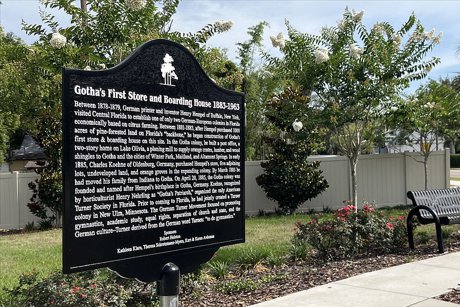
While the active congregation now worships in Winter Garden, Zion's historic footprint in Gotha remains. The original church site and the Zion Lutheran Cemetery on Hempel Avenue — at the corner of Hempel and Morton Jones Road — are preserved through a dedicated foundation. A historical marker was erected in 2023 recognizing the site's significance.

The cemetery, which was in use from the 1890s until 1982, contains the graves of many of Gotha's pioneering families. It sits just steps from other historic Gotha landmarks like Nehrling Gardens and the Gotha 1916 Schoolhouse. Walking along Hempel Avenue past these sites, you get a real sense of the layers of history that make this tiny community so remarkable.

Why Zion's Story Matters for Gotha Residents

It's Central to Gotha's Identity

Zion Lutheran Church is inseparable from Gotha's German heritage story. The church was established by the same families who planted the citrus groves, established the schools, and created the culture that still defines Gotha today. For residents of neighborhoods like Aliso Ridge, Siena Gardens, and Lake Fischer Estates — all near the historic Hempel Avenue corridor — this history is literally in their backyard.

It Reflects the Community's Resilience

Gotha itself has faced the same pressures — modernization, the expansion of surrounding cities, and the constant threat of losing its rural character. The Gotha Rural Settlement Association works tirelessly to preserve what makes this community special, and Zion's preservation efforts are part of that same spirit.

It Connects Gotha to Winter Garden

Zion's journey from Gotha to Pine Hills and back to the West Orange area reflects the broader growth patterns of the region. Today, the congregation's home in Winter Garden keeps it closely connected to the Gotha community, and residents of both areas benefit from this historic institution's continued presence.

Visiting and Getting Involved

If you'd like to experience Zion's worship services, the congregation holds Sunday Divine Service at 9:30 AM and offers Bible studies, Sunday School, and confirmation classes throughout the week. They also host a monthly "Theology on Tap" gathering. The church welcomes visitors warmly.

For the history-minded, a visit to the Zion Lutheran Cemetery and historical marker on Hempel Avenue in Gotha is a must. Pair it with a walk through historic Gotha's main street and you've got a wonderful afternoon exploring one of Central Florida's most charming hidden gems.

What the Locals Know

Zion Lutheran Church is more than a place of worship — it's a cornerstone of Gotha's identity. From those first gatherings in German settlers' homes in 1886 to a stunning new sanctuary dedicated in 2023, this congregation's story mirrors the resilience and community spirit that defines Gotha. Even if church isn't your thing, understanding Zion's history helps you appreciate why this little rural settlement has held onto its character so fiercely. That preservation of heritage, that refusal to be swallowed by sprawl — that's the Gotha way.

Explore more area arts and culture in our comprehensive Gotha arts and culture guide, or discover all the things that make this community unique in our complete Gotha entertainment guide.

For worship times, visitor information, and the full history of the congregation, visit Zion Evangelical Lutheran Church.


Have questions about living in Gotha or exploring neighborhoods in this historic community? Check out our Gotha homes for sale or browse nearby communities like Windermere, Ocoee, and Dr. Phillips for personalized relocation advice!

Feb. 23, 2026

Inside the Gotha 1916 Schoolhouse Preserving a One Room Schoolhouse Turned Community Center

Inside the Gotha 1916 Schoolhouse: Preserving a One-Room Schoolhouse Turned Community Center

How a tiny schoolhouse built for freethinker families became the heart of one of Orlando's most charming historic settlements

Historic Gotha 1916 Schoolhouse and Community Center

Here's something most people moving to the Orlando area don't realize: tucked between Windermere and Ocoee, there's a tiny historic settlement with a building that tells one of Central Florida's most endearing stories. The Gotha 1916 Schoolhouse is exactly what it sounds like – a one-room schoolhouse built over a century ago – and it's still standing, still serving the community, and still worth knowing about if you live in or are considering Gotha.

Before you write this off as just another old building, stick with us. This little schoolhouse is a window into what makes Gotha one of the most uniquely charming communities in all of Orange County – and understanding its story helps you understand why people love living here.

From Sawmill Lumber to School Bells: The History

To understand the Gotha 1916 Schoolhouse, you have to go back to the beginning. In the 1880s, German immigrant Henry Hempel used wealth from his printing invention to purchase about 1,000 acres in what's now southwest Orange County. He built a general store, post office, and community hall, and invited fellow German freethinkers to join him. The colony he named after his hometown of Gotha, Germany, quickly became a lively settlement with Turner Hall gatherings, musical events, and even a bowling alley by the 1890s.

Education was a priority for these intellectually driven settlers. Hempel established an early school using lumber from his sawmill. By 1916, the community had outgrown that setup and constructed a dedicated one-room schoolhouse. Built in the Frame Vernacular architectural style common to early 20th-century rural Florida, this modest building accommodated students of all ages under one roof.

What Makes the Schoolhouse Special

Central Florida isn't exactly known for preserved historic buildings. With all the growth in the Orlando metro, it's remarkable that a 100-plus-year-old wooden schoolhouse is still standing. But the Gotha 1916 Schoolhouse isn't just surviving – it's thriving as the Gotha Community Center, serving as the gathering place for a settlement that takes its heritage seriously.

The building sits in Gotha's historic core along the Hempel Avenue corridor, surrounded by other landmarks like Zion Lutheran Church (founded 1915), Nehrling Gardens, and the legendary Yellow Dog Eats café. Walking past these landmarks, you genuinely feel like you've stepped back in time – a rare sensation in a metro area of nearly three million people.

The schoolhouse's Frame Vernacular architecture is itself a piece of Florida history. This style, characterized by simple wood-frame construction adapted to the subtropical climate, was once standard for rural public buildings throughout the state. Very few examples remain intact, which is part of why the Gotha Rural Settlement Association is pursuing listing on the National Register of Historic Places for the building.

The Gotha Rural Settlement Association: Keeping It Alive

The real heroes of this story are the volunteers of the Gotha Rural Settlement Association, Inc. – a 501(c)(3) non-profit that has taken on the mission of preserving Gotha's historic character. The schoolhouse is their top preservation priority.

Their project list includes stabilizing the foundation, restoring the original architecture, installing pollinator gardens with Florida native species, and restoring a trophy case displaying photographs from 1920s Gotha agriculture exhibits. It's a labor of love driven entirely by community volunteers.

The Association meets every third Wednesday of the month at 6:30 PM at the community center, and everyone is welcome. If you're a resident of neighborhoods like Aliso Ridge, Siena Gardens, or Lake Fischer Estates – all within easy distance of the historic center – getting involved is a great way to connect with your community.

What Happens at the Community Center Today

The Gotha 1916 Schoolhouse isn't a museum piece behind a velvet rope – it's an active, working community space.

Monthly Association Meetings: The Gotha Rural Settlement Association holds open meetings where residents discuss preservation projects, community events, and local issues. These gatherings are the closest thing Gotha has to a town hall.

Annual Rummage Sale: Every February, the schoolhouse hosts a popular two-day rummage sale. Proceeds directly support preservation efforts – treasure hunting for a good cause.

Private Rentals: You can rent the 1916 Schoolhouse for private events. Imagine hosting a gathering in a building that's been bringing people together for over a century. Contact the Association at GothaRSA@gmail.com or (321) 300-6191 for availability.

Why This Matters for Gotha Residents

In a settlement without its own city government, the schoolhouse-turned-community-center serves as Gotha's unofficial town hall. It's where decisions get made, neighbors connect, and the community's identity is actively shaped. For residents of Citrus Oaks, Falcon Pointe, and other Gotha neighborhoods, it provides a tangible sense of belonging that's hard to find in modern subdivisions.

Historic preservation also isn't just about sentimentality – it protects property values. Communities that maintain their historic character tend to see stronger, more stable home prices over time. Gotha's designation as a historical preservation district since 1995, and the ongoing work at landmarks like the schoolhouse, helps maintain the unique rural character that makes Gotha real estate so desirable.

Visiting the Schoolhouse: What to Know

The Gotha 1916 Schoolhouse is located in the heart of Gotha's historic district along Hempel Avenue. The building isn't open daily for walk-in visits, but you can see it during Association meetings (third Wednesday of each month at 6:30 PM), community events like the annual February rummage sale, and by appointment for rentals.

While you're in the area, make a day of it. Walk up Hempel Avenue to grab lunch at Yellow Dog Eats, stroll through Nehrling Gardens, and pay respects at Woodlawn Memorial Park (the final resting place of painter Bob Ross). You can also hop on the West Orange Trail, which runs right through Gotha's backyard. Explore more in our comprehensive Gotha arts and culture guide.

The Bigger Picture: Gotha's Preservation Story

The 1916 Schoolhouse is part of Gotha's broader commitment to preserving its rural heritage despite being surrounded by Orlando's rapid growth. Neighboring communities like Winter Garden, Dr. Phillips, and Horizon West have experienced massive development, but Gotha has maintained its tree-lined streets and tight-knit feel.

That balance between rural character and urban convenience is what draws homebuyers here. You get historic charm with the practical benefit of being minutes from Walt Disney World, major employment centers, and Restaurant Row dining. For families, local zoning to Thornebrooke Elementary, Gotha Middle School, and Olympia High School (rated among the best in Orange County) is another major draw. Learn more in our comprehensive Gotha schools and education guide.

What the Locals Know

The Gotha 1916 Schoolhouse might look like a modest old building from the outside, but it represents something far bigger: a community's determination to remember where it came from while moving into the future. In an era of cookie-cutter subdivisions, having a century-old gathering place in the center of your neighborhood is genuinely rare and genuinely special.

Whether you end up attending a rummage sale, volunteering with the Association, or renting the space for a family event, the schoolhouse reminds you why Gotha isn't just another Orlando suburb. It's a community with roots, character, and people who care enough to preserve both.

For more information about the schoolhouse, preservation projects, and upcoming events, visit the official Gotha Rural Settlement Association website.


Interested in learning more about life in Gotha and the surrounding communities? Explore our Gotha community guide or discover more about what makes this area special in our Gotha entertainment guide. Have questions about finding the right neighborhood in Central Florida? Contact us for personalized relocation advice!

Feb. 23, 2026

The History of Gotha's German Heritage How a Freethinker Colony Shaped a Florida Community

The History of Gotha's German Heritage: How a Freethinker Colony Shaped a Florida Community

From a German printer's dream to one of Central Florida's most charming hidden gems

Gotha's German Heritage - Freethinker Colony

Here's something most people moving to Orlando don't realize: tucked between Ocoee and Windermere in southwest Orange County sits a tiny community with roots that go all the way back to 19th-century Germany. We're talking about Gotha – a place that was literally founded as a German freethinker colony in the Florida wilderness. And the story of how it got here? It's one of the most fascinating origin stories in all of Central Florida.

Before you picture a quaint Bavarian village (though honestly, the vibe isn't too far off), let's rewind to 1879 and meet the man who started it all. Because the history of Gotha's German heritage isn't just a fun piece of trivia – it's the key to understanding why this community feels so different from everywhere else in metro Orlando.

Henry Hempel: The Inventor Who Built a Colony

The story of Gotha begins with Henry A. Hempel, a German-born printer living in Buffalo, New York. In 1878, Hempel invented and patented a printing tool that changed how pages were set up for printing. Suddenly wealthy from his invention, he did what any forward-thinking German immigrant might do – he decided to build an entirely new community in the wilds of Central Florida.

Hempel arrived in the area in 1879 and started purchasing land. By 1883, he had acquired a whopping 1,000 acres of largely unsettled territory. He laid out a town plat, named it after his hometown of Gotha in Thuringia, Germany, and established a post office. To get things rolling, he built a sawmill that generated lumber for a general store, a school, a community hall, and other essential buildings. He even supplied wood shingles for some of the first homes in Winter Park and Maitland.

But Hempel wasn't just building a town. He was building something much more intentional.

What Made Gotha Different: The Freethinker Connection

Here's where the story gets really interesting. Hempel was a freethinker – part of an intellectual movement that valued forming opinions based on logic, reason, and evidence rather than authority, tradition, or religious dogma. He wasn't just looking for warm weather and cheap land. He was looking to build a colony of like-minded people who shared his values of intellectual independence.

Hempel mailed promotional pamphlets to northern cities and even to Europe, advertising the warm climate and mild winters. His pamphlet, titled "On the Back Bone of Florida – Gotha, New Colony, Orange County, Florida," did its job. German-American families began making the journey south, drawn by the promise of community among fellow freethinkers.

On April 20, 1885, Gotha was officially designated as a community with roughly 99 residents. Around 30 German residents established a Turnverein (a German gymnastics and social club) and built Turner Hall in 1887 for meetings, dances, and gymnastics. Yes, Gotha had a bowling alley in the 1890s – because these settlers were serious about recreating the rich cultural life they left behind.

The Golden Age: Citrus, Culture, and Community

Through the late 1800s, Gotha was a lively community. The settlers brought their work ethic to the citrus industry while Turner Hall hosted musical events, dances, and community gatherings. The Turnverein offered calisthenics and gymnastics. It was a community where German intellectuals were rebuilding their old culture – right in the woods of Florida.

Then came the Big Freeze of 1894-95, which devastated orange crops statewide. Some original families left, but the community endured. As citrus recovered, new families arrived from neighboring states, and the distinctively German identity began to evolve. Explore more of this cultural heritage in our Gotha arts and culture guide.

The Heritage You Can Still See Today

What makes Gotha so special is that you don't need a history book to feel its German roots – they're woven into the fabric of the community. Here's what's still standing:

Hempel Avenue: The historic main street of Gotha is named after its founder and remains the heart of the community. Stroll down Hempel Avenue and you'll find Yellow Dog Eats, a legendary café housed in a historic country store that's become a destination dining experience for all of Central Florida.

Zion Lutheran Church: Built in 1913, this beautiful Gothic church has provided over a century of continuous faith and community service, anchoring Gotha's spiritual life and representing the enduring German heritage of the settlement. Learn more in our article about Zion Lutheran Church.

The 1916 Schoolhouse: This preserved one-room schoolhouse has been repurposed as the Gotha Community Center, serving as a living testament to the community's commitment to preserving its rural heritage.

Nehrling Gardens: German-American scientist Dr. Henry Nehrling arrived in Gotha around 1902 and created Palm Cottage Gardens, a tropical botanical treasure that helped establish Florida's ornamental horticulture industry. Today, Nehrling Gardens is listed on the National Register of Historic Sites and hosts open garden days and the annual Amaryllis Festival.

Preserving the Past for the Future

The Gotha Rural Settlement Association works tirelessly to protect the community's historic character. Since 1995, Gotha has been recognized as a historical preservation district, and the Association's volunteers ensure that development doesn't erase what makes this place unique.

Neighborhoods like Aliso Ridge, Siena Gardens, and Lake Fischer Estates sit right along the historic Hempel Avenue corridor, giving residents a daily connection to Gotha's founding story. Meanwhile, the West Orange Trail – a 22-mile biking and walking path – runs right through Gotha's backyard, connecting the community to Winter Garden and beyond. Check out our West Orange Trail guide for more details.

Why This Matters If You're Moving to the Area

The Pros of Living in a Historic Community

  • Genuine sense of history and community identity you won't find in newer developments
  • Tree-lined streets and a rural feel, despite being minutes from Orlando's attractions
  • Proximity to Dr. Phillips dining, Horizon West shopping, and Walt Disney World
  • Active preservation efforts that protect the character of the area
  • Access to the West Orange Trail and excellent parks – see our Gotha parks and recreation guide

Things to Keep in Mind

  • Gotha is small – there's limited commercial development within the community itself
  • Some homes sit on larger lots with a more rural feel, which isn't for everyone
  • You'll likely head to Ocoee, Winter Garden, or Windermere for everyday shopping and dining

Our Take

If you're the kind of person who values character over cookie-cutter, who appreciates knowing the story behind the street names, and who wants a peaceful home base that's still close to everything Central Florida has to offer – Gotha might just be your perfect match. Students in Gotha are zoned for Thornebrooke Elementary, Gotha Middle School, and Olympia High School, making it a solid choice for families too. For detailed school information, visit our Gotha schools and education guide.

What the Locals Know

Gotha's German freethinker heritage isn't just a historical footnote – it's the DNA of the community. From Henry Hempel's bold vision in 1879 to the volunteers preserving that legacy today, this little settlement between Ocoee and Windermere has managed to hold onto something rare in a region defined by rapid growth: a genuine sense of place. Whether it's the century-old church, the botanical gardens started by a German-American scientist, or the simple pleasure of walking Hempel Avenue on a Saturday morning, Gotha offers something you can't build from scratch. And that's pretty special.

For more information about Gotha's history, preservation efforts, and community events, visit the official Gotha Rural Settlement Association website.


Have questions about living in Gotha or anywhere else in Central Florida? Explore our Gotha homes for sale or Gotha entertainment guide to learn more about life in this one-of-a-kind community!

Feb. 23, 2026

Hempel Avenue: The Heart of Gotha and Its Historic Main Street

Hempel Avenue: The Heart of Gotha and Its Historic Main Street

How one road tells the story of a German freethinker colony turned Central Florida gem

Hempel Avenue in Gotha Florida

Most Central Florida roads are defined by traffic lights, strip malls, and the occasional Wawa. But Hempel Avenue in Gotha? This road is a time machine. Named after the German immigrant who founded the entire community back in 1885, Hempel Avenue is arguably the most character-packed street in all of West Orange County. It's where century-old buildings sit alongside botanical treasures, where a legendary barbecue joint operates out of a 1910 general store, and where you can feel the spirit of a freethinker colony that shaped one of Florida's most unique rural settlements.

Whether you're already a Gotha resident, thinking about moving to the area, or just looking for a Central Florida day trip, Hempel Avenue is worth knowing. Let's take a drive down this historic main street and explore what makes it special.

The History Behind the Name

Here's the thing about Hempel Avenue: it's not just a street name on a map. It's a tribute to H.A. Hempel, a German immigrant, printer, and inventor from Waltershausen (near Gotha, Germany) who purchased 1,000 acres of what was then essentially wilderness in the 1880s. Hempel was a freethinker — someone who believed in forming opinions based on logic and reason rather than tradition or dogma — and he set out to build a colony of like-minded individuals in the Florida sunshine.

He laid out his town, named it after his birthplace, and then did something brilliantly entrepreneurial: he mailed promotional pamphlets to northern cities and to Europe, advertising Florida's warm climate and mild winters. It worked. German American families began arriving, and Gotha grew into a thriving settlement complete with Turner Hall (for musical events, dances, and gymnastics), a bowling alley, and a rich German cultural life. Hempel Avenue became the community's main thoroughfare, and it's carried his name ever since — over 140 years of history running through the heart of Gotha.

What You'll Find Along Hempel Avenue Today

Driving down Hempel Avenue today is a study in contrasts — and we mean that in the best possible way. You won't find a single chain store. Instead, you'll discover a collection of landmarks that feels more like a curated historic walking tour than a Florida road.

Yellow Dog Eats

Let's start with the big draw. Yellow Dog Eats, located at 1236 Hempel Avenue, is the kind of restaurant people drive across metro Orlando to visit. Housed in the historic Brockman House (built around 1910 and originally a residence before becoming a country store), this family-owned café has been serving up creative barbecue, gourmet sandwiches, and craft cocktails since 1998. Chef Fish Morgan, a Culinary Institute of America graduate, transformed the space into a destination dining experience with rustic charm and one of the best outdoor dining atmospheres in Central Florida. Open daily from 11am to 9pm. Explore more dining options in our complete Gotha restaurants and dining guide.

Nehrling Gardens

At 2267 Hempel Avenue sits Nehrling Gardens, listed on the National Register of Historic Places. Dr. Henry Nehrling, a pioneering horticulturist, established his experimental gardens here around 1902, importing thousands of plant species new to Florida. Today the property serves as a living museum, hosting open garden days on the first and second Saturdays of each month and the annual Amaryllis Festival each December. Explore more in our comprehensive Gotha arts and culture guide.

Zion Lutheran Church

At the intersection of Gotha Road and Hempel Avenue, Zion Lutheran Church has been anchoring Gotha's spiritual life for over a century. Originally built by Presbyterians in 1913 and purchased by Lutherans in 1921, the church represents the enduring German heritage that defines this community.

Orlando Health Advanced Rehabilitation Institute

At 1300 Hempel Avenue, the Orlando Health Advanced Rehabilitation Institute (OHARI) provides specialized inpatient rehabilitation for brain injury, spinal cord injury, and comprehensive medical needs — a significant healthcare resource right on Gotha's main street. For a complete directory of healthcare providers, visit our comprehensive Gotha health and wellness guide.

Living Near Hempel Avenue: The Neighborhoods

If you're drawn to Gotha's historic charm and considering putting down roots, several neighborhoods sit right along the Hempel Avenue corridor. Aliso Ridge and Siena Gardens are both adjacent to Hempel Avenue and within easy walking distance of Nehrling Gardens and the historic core. Lake Fischer Estates offers waterfront living less than half a mile from the historic center, while Citrus Oaks and Azalea Ridge provide close access from the northern end of the community.

What makes living along the Hempel corridor special is genuine small-town character — tree-lined streets, historic landmarks, a real sense of community — while still being about 20 minutes from downtown Orlando and minutes from Windermere, Ocoee, and Winter Garden shopping and dining.

How Hempel Avenue Connects to Greater Gotha

Hempel Avenue runs roughly north-south through the center of Gotha, intersecting with Gotha Road at what is essentially the community's historic crossroads. From that intersection, you can head east toward Dr. Phillips and Orlando proper, or west toward Winter Garden and the growing Horizon West area.

For commuters, Hempel Avenue provides a quiet residential alternative to busier corridors. The SR 429 and the 408 Expressway are both easily accessible, connecting residents to Walt Disney World, downtown Orlando, and major employment centers. For more on getting around, check out our guide to commuting from Gotha.

Visiting Hempel Avenue: Tips for Newcomers

Planning to explore Hempel Avenue for yourself? Here are a few things to keep in mind:

  • Pace yourself: Hempel Avenue is a two-lane road through a rural settlement, not a highway. Drive slowly and enjoy the scenery — the tree canopy and historic homes are part of the experience.
  • Arrive early for Yellow Dog Eats: Weekends can get busy, especially during peak lunch hours. Getting there when they open at 11am is your best bet for a relaxed meal.
  • Check Nehrling Gardens' schedule: Open garden days are typically the first and second Saturdays of each month. Special events like the Amaryllis Festival in December are worth planning around.
  • Combine it with the West Orange Trail: The West Orange Trail runs through Gotha's backyard and is easily accessible from the Hempel Avenue area — perfect for a bike ride before or after lunch.
  • Visit Bob Ross's gravesite: Woodlawn Memorial Park, the final resting place of the beloved painter, is nearby and makes for a meaningful side trip for art lovers.

Discover more parks, trails, and outdoor recreation in our detailed Gotha parks and recreation guide.

What the Locals Know

Hempel Avenue isn't just a street — it's the spine of one of Central Florida's most unique communities. In a region where new development can feel interchangeable, Gotha's historic main street stands apart because it tells a real story. It's the story of a German freethinker who saw opportunity in the Florida wilderness, of families who built a thriving cultural community in the 1890s, and of modern residents who've chosen to preserve that character rather than pave over it.

For residents and prospective homebuyers, Hempel Avenue is a reminder that Central Florida offers more than theme parks and master-planned communities. Sometimes the best neighborhoods are the ones with 140 years of history running right down their main street. That's Gotha — a small road with a very big story. ✈️

For more information about Gotha's historic landmarks, community events, and preservation efforts, visit the official Gotha Rural Settlement Association website.


Have questions about neighborhoods along Hempel Avenue or anywhere else in Gotha and Central Florida? Explore our Gotha community guide or Contact Us for personalized relocation advice!

Feb. 23, 2026

Old Winter Garden Road: Gotha's Northern Corridor to Ocoee | Orlando Living Guide

Old Winter Garden Road: Navigating Gotha's Northern Corridor to Ocoee and Beyond

How this historic route connects Gotha residents to healthcare, shopping, and the greater Orlando area

Old Winter Garden Road in Gotha Florida

If you've spent any time looking at a map of Gotha, you've probably noticed that this tight-knit community is defined as much by its roads as by its landmarks. While Hempel Avenue gets most of the love as Gotha's historic main street, there's another road that quietly does a lot of the heavy lifting for daily life: Old Winter Garden Road.

Running east to west along Gotha's northern edge, Old Winter Garden Road is the corridor that connects this small, charming community to its bustling neighbor Ocoee — and from there, to just about everything else in metro Orlando. Whether you're heading to the hospital, grabbing groceries, or jumping on a toll road for a downtown commute, this road is probably part of your routine. Let's take a closer look at why Old Winter Garden Road matters to Gotha residents.

A Road With Deep Roots in West Orange County

Old Winter Garden Road has been part of the Central Florida roadway network for well over a century. Before the modern highway system carved up Orange County with expressways and toll roads, this road was one of the primary routes connecting the small agricultural settlements of West Orange County. It predates many of the roadways we take for granted today — think of it as part of the original connective tissue between communities like Gotha, Ocoee, and Winter Garden.

The road's name itself tells the story: this was the old route to Winter Garden, back when citrus groves and dirt roads defined the landscape. As Central Florida grew, newer and wider roads like Colonial Drive (SR 50) took over as the main east-west arteries. But Old Winter Garden Road stuck around, and today it serves a vital role as a local connector that lets Gotha residents skip the chaos of Colonial Drive entirely for many everyday errands.

What You'll Find Along Old Winter Garden Road

The Gotha End: Where Rural Meets Residential

Starting from the Gotha side, Old Winter Garden Road intersects with Hempel Avenue — the historic heart of the community. Near this intersection, you're close to some of Gotha's defining landmarks, including Nehrling Gardens, the 1916 Schoolhouse, and the legendary Yellow Dog Eats café. The road has a quieter, tree-lined character here that reflects Gotha's rural settlement roots.

Several Gotha neighborhoods sit along or near this northern corridor. Azalea Ridge, Citrus Oaks, Aliso Ridge, and Siena Gardens all enjoy easy access to Old Winter Garden Road, which means a quick shot into Ocoee whenever residents need something beyond Gotha's small-town offerings.

The Ocoee End: Healthcare, Shopping, and Connectivity

As you head east into Ocoee, the road widens and the landscape shifts to a more commercial and suburban feel. Here's where things get practical for Gotha residents. Orlando Health Health Central — the closest full-service hospital to Gotha — sits right along Old Winter Garden Road in Ocoee. That proximity is a significant quality-of-life factor, especially for families and retirees. For a full overview of nearby medical options, check out our comprehensive Gotha health and wellness guide.

Beyond the hospital, the road connects you to a stretch of everyday conveniences: gas stations, restaurants, and retail plazas. You're also just a short jog from West Oaks Mall and the shopping options along West Colonial Drive. For more on what's available, explore our Gotha shopping guide.

Why Old Winter Garden Road Matters for Your Commute

Here's the thing about living in Gotha — the community itself is peaceful and rural, but you're never far from the highway connections you need. Old Winter Garden Road feeds into Ocoee's road network, which gives you quick access to both the 408 Expressway and the Florida Turnpike. From there, downtown Orlando is roughly 20–25 minutes, Walt Disney World is about 20 minutes via the 429, and the tourist corridor along I-Drive is around 25 minutes.

For commuters, Old Winter Garden Road also serves as a handy alternative route when Colonial Drive is backed up (which, let's be real, happens more than we'd like). Locals know that cutting through Old Winter Garden Road can save time and frustration during peak hours. For more on getting around from Gotha, see our guide to commuting from Gotha.

Living Near Old Winter Garden Road: The Pros and Cons

The Pros:

  • Direct access to Ocoee's healthcare, shopping, and dining without needing to hop on a highway
  • Quick connections to the 408, Florida Turnpike, and SR 429 for broader Orlando commuting
  • A less congested alternative to Colonial Drive for east-west travel
  • Neighborhoods along the corridor enjoy the best of both worlds — Gotha's rural charm with Ocoee's urban conveniences just minutes away

The Cons:

  • Traffic has been increasing as Ocoee continues to develop, with new residential projects along the road adding more vehicles
  • The Gotha end can be narrow and lacks streetlights in some stretches — something to keep in mind at night
  • Construction from ongoing Ocoee development projects may cause occasional slowdowns

Our Take:

If you're looking at homes in northern Gotha — neighborhoods like Azalea Ridge, Citrus Oaks, or Aliso Ridge — Old Winter Garden Road is going to be your lifeline. It's the road that makes Gotha's small-town feel practical rather than isolating. You get the tree-lined streets, the historic landmarks, and the tight-knit community vibe, all while being five to ten minutes from a full-service hospital, a grocery store, and a highway on-ramp. That's a pretty solid deal.

New Development Along the Corridor

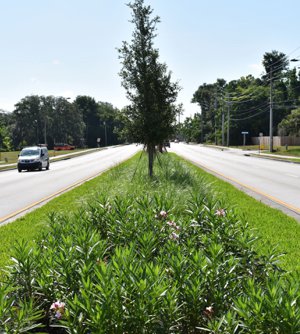
It's worth noting that Old Winter Garden Road isn't standing still. The City of Ocoee has invested in median landscaping improvements along the road, beautifying the stretch between Maguire Road and Hempel Avenue with new plantings and irrigation upgrades. New residential developments, including multi-family projects like the Regency at Ocoee near Maguire Road, are bringing additional housing options and extending the road's footprint.

For anyone considering Gotha as a home base, this growth along Old Winter Garden Road signals continued investment in the area's infrastructure. More development typically means more amenities, better road maintenance, and improved connectivity — all positives for current and future residents.

What the Locals Know

Old Winter Garden Road may not have the name recognition of I-4 or even Colonial Drive, but for Gotha residents, it's one of the most important roads in daily life. It's the quiet corridor that bridges Gotha's peaceful, historic character with Ocoee's practical conveniences — from Orlando Health Health Central to everyday shopping and dining. Locals know that this road is the reason Gotha doesn't feel remote, even though it looks and feels like a world away from the Orlando hustle.

And here's a little local tip: if you're visiting Gotha for the first time, take Old Winter Garden Road from Ocoee heading west. You'll watch the scenery shift from suburban commercial strips to shaded canopy roads in just a few minutes. It's one of the best visual introductions to why people fall in love with this community.

For more information about road projects and community improvements along the corridor, visit the official City of Ocoee Old Winter Garden Road page.


Have questions about living in Gotha or exploring neighborhoods near Old Winter Garden Road? Discover more in our Where is Gotha location guide, or explore our complete Gotha entertainment guide to see everything the area has to offer. You can also browse our Gotha restaurants and dining guide for the best eats near the corridor!

Feb. 23, 2026

Gotha Road and Morton Jones Road: East-West Routes Through the Center of the Community

Gotha Road and Morton Jones Road: East-West Routes Through the Center of the Community

How two quiet roads connect Gotha's historic heart to the rest of Central Florida

Gotha Road and Morton Jones Road in Gotha Florida

When people think about getting around Central Florida, they usually picture the big toll roads – the 408, the Florida Turnpike, SR 429. But if you live in Gotha, two much quieter roads are the ones you'll actually use every day: Gotha Road and Morton Jones Road. These east-west routes cut right through the center of the community, connecting Gotha’s historic core to the neighborhoods, landmarks, and major highways that make this little town so conveniently located.

Before you think these are just unremarkable neighborhood streets – they're not. These roads tell the story of Gotha itself, winding past century-old oaks, lakefront properties, and landmarks that have been here since German freethinkers founded this settlement in 1885. Understanding Gotha Road and Morton Jones Road is basically understanding the lay of the land in one of West Orange County's most charming communities.

Gotha Road: The Community's East-West Backbone

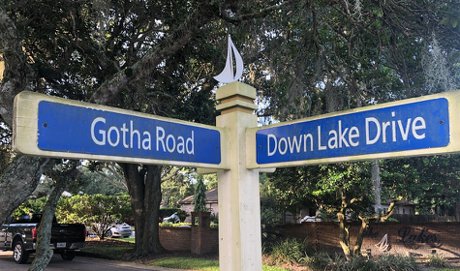
Gotha Road is one of the defining streets of the community. It runs east-west and intersects with Hempel Avenue – Gotha’s historic main street, named after town founder Henry Hempel. That intersection is essentially the heart of Gotha, putting you steps from the Yellow Dog Eats café, the historic Zion Lutheran Church (founded in 1915), and the preserved 1916 Gotha Schoolhouse that now serves as the community center.

Heading east, Gotha Road takes you toward Dr. Phillips and eventually connects to the Florida Turnpike corridor near the Turkey Lake Service Plaza. The Turnpike even has a Gotha Road overpass – a small but satisfying nod to the community's presence on the regional map. Heading west, the road leads deeper into Gotha's rural settlement character, past tree-canopied stretches that feel more like old Florida than suburban Orlando.

Morton Jones Road: Lakefront Living and Larger Lots

Morton Jones Road is the other key east-west route, running through central and southern Gotha. If Gotha Road is the community's front porch, Morton Jones Road is more like its spacious backyard. This road passes through some of the most desirable residential areas in Gotha, with properties featuring larger lots – often an acre or more – mature tree canopies, and views of peaceful lakes.

You can access Morton Jones Road from Hempel Avenue by heading south under the rail bridge – a route that locals know well. Along the way, you'll pass near Lake Fischer Estates, one of Gotha's most sought-after neighborhoods with its waterfront properties and lakefront appeal. Nearby, the Aliso Ridge and Siena Gardens neighborhoods sit within easy reach of both Morton Jones Road and Hempel Avenue's historic corridor.

Here's the thing about Morton Jones Road: it has deep roots in Gotha history. Old photographs show families living along this road as far back as the early 1900s, when Gotha was a thriving German freethinker colony surrounded by citrus groves. This has always been a place where people built homes and put down roots.

What These Roads Connect You To

Major Highways and Commuter Routes

One of the best things about living in Gotha is the deceptive proximity to everything. These quiet roads might feel a world away from the urban grind, but they connect to major transportation arteries quickly:

  • SR 408 (East-West Expressway) – The interchange at the Florida Turnpike near Gotha provides direct access to SR 408, which runs straight to downtown Orlando in about 20-25 minutes
  • SR 429 (Western Beltway) – Accessible via Old Winter Garden Road to the north, connecting to Winter Garden, Horizon West, and Walt Disney World
  • Highway 50 (West Colonial Drive) – Reachable via Ocoee to the north, providing access to shopping, dining, and employment centers

For a full breakdown of toll road connections, check out our guide to SR 429 and the 408 Expressway from Gotha.

Historic Landmarks and Local Gems

These roads also serve as the gateway to Gotha's top landmarks. From Gotha Road and Morton Jones Road, you're within a short drive (or walk) of:

Explore more area arts and cultural landmarks in our comprehensive Gotha arts and culture guide.

Neighborhoods Along These Routes

If you're house hunting in Gotha, the neighborhoods near these roads offer some of the community's most appealing options. Lake Fischer Estates is a standout for waterfront lovers, while Citrus Oaks and Pearl Lake Park offer lake-adjacent living with that quintessential Gotha feel.

Near Morton Jones Road to the south, you'll find properties bordering the Windermere line, including Oaks of Windermere and Windermere Chase. These spots give you Gotha's rural character with the cachet of being next to one of Central Florida's most prestigious communities.

What sets properties along Morton Jones Road apart is the lot sizes. Many properties sit on a full acre or more of wooded, private land, and some areas have no HOA restrictions. Browse our Gotha no HOA homes listings and Gotha land for sale.

Schools, Shopping, and Everyday Essentials

Families along Gotha Road and Morton Jones Road are zoned to some solid Orange County Public Schools: Thornebrooke Elementary, Gotha Middle School, and Olympia High School. That A-rated school zoning is one of the biggest draws for families considering the area. For detailed school information, visit our comprehensive Gotha schools and education guide.

For everyday shopping, the Plantation Grove Shopping Center with its Publix supermarket is just a quick drive north, and the Winter Garden Village shopping center offers big-box retail options nearby. Discover even more shopping options with our comprehensive Gotha shopping guide.

Driving Tips and What to Expect

Let's be real – these are not wide, multi-lane boulevards. Gotha Road and Morton Jones Road are two-lane roads with a distinctly rural feel. Here's what to know:

  • Speed limits are lower – Expect 30-35 mph, appropriate for a residential area with pedestrians and cyclists
  • Tree canopy is gorgeous but narrow – Those overhanging oaks make for a scenic drive, but road shoulders are minimal in spots
  • Watch for cyclists – Proximity to the West Orange Trail means cyclists frequently use local roads
  • Rail crossing on Hempel – Be aware of the rail bridge underpass near Yellow Dog Eats when connecting between these two roads

For a full scenic tour of the area's roads, check out our guide to A Scenic Drive Through Gotha.

What the Locals Know

Gotha Road and Morton Jones Road aren't the kind of roads that show up on traffic apps or regional transportation plans. They're neighborhood roads – the kind you drive every day without really thinking about it. But that's exactly why they're worth knowing about if you're considering life in Gotha.

These roads give you a feel for what daily life here is actually like: tree-canopied drives past historic landmarks, quick connections to major highways when you need them, and the sense that you're living in a genuine community rather than just another subdivision. In a region growing as fast as Central Florida, that kind of authenticity is increasingly rare – and increasingly valuable. ✨

For more information about Gotha's history, preservation efforts, and community events, visit the official Gotha Rural Settlement Association website.


Have questions about neighborhoods along Gotha Road, Morton Jones Road, or anywhere else in Gotha? Explore our Gotha homes for sale listings or browse our complete Gotha community contacts guide for personalized relocation advice!

Feb. 23, 2026

SR 429 & 408 Expressway: How Gotha Connects to Greater Orlando via Toll Roads | Orlando Living Guide

SR 429 (Western Beltway) and the 408 Expressway: How Gotha Connects to Greater Orlando via Toll Roads

Your insider's guide to the toll roads that make Gotha one of the best-connected small communities in Central Florida

408 Expressway in Orlando

Here's something most people moving to Central Florida don't realize: Gotha might feel like a quiet rural escape with its tree-lined streets and historic charm, but it's sitting at one of the most strategic transportation crossroads in the Orlando metro area. The SR 429 (Western Beltway) and the 408 Expressway practically wrap around this little community, giving residents fast access to downtown Orlando, Walt Disney World, the Florida Turnpike, and just about everywhere else.

If you're considering a move to Gotha, understanding these two toll roads is essential. They're the reason you can enjoy peaceful, small-town living and still get to your downtown office in under 20 minutes.

The 408 Expressway: Gotha's Express Lane to Downtown Orlando

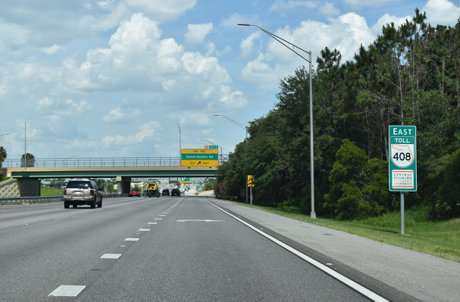
Let's start with the big one. State Road 408, officially named the Spessard L. Holland East-West Expressway, is a 22-mile toll road running east-west through the heart of Orlando. And here's the kicker — its western terminus is right at Florida's Turnpike in Gotha. The 408 literally begins in your backyard.

Operated by the Central Florida Expressway Authority (CFX), it carries over 164,000 vehicles daily at peak and provides a faster alternative to the congested SR 50 (Colonial Drive) that runs parallel. For Gotha commuters, the 408 means you can bypass all the stop-and-go traffic and cruise straight into the city center.

A Little History on the 408

The East-West Expressway has been part of Orlando's infrastructure since the early 1970s, originally built as a downtown bypass for Colonial Drive. The western extension to Florida's Turnpike at Gotha opened in October 1990, and a full interchange was completed in 2006. A section was even renamed the "Arnold Palmer Expressway" in 2017 to honor the golf legend who called Orlando home for nearly 50 years. Fun fact for your next trivia night!

SR 429 (Western Beltway): The North-South Connector

While the 408 handles your east-west commute, SR 429 — the Daniel Webster Western Beltway — is the north-south powerhouse. This nearly 53-mile toll road loops around western Orlando from Interstate 4 in Osceola County up through Ocoee, Winter Garden, and Apopka, connecting to I-4 again at Sanford via the Wekiva Parkway.

For Gotha residents, SR 429 is accessible via Florida's Turnpike at the Veterans Memorial Interchange near Ocoee. From there, you can head south toward Walt Disney World and Championsgate, or north toward Apopka and beyond. The final segment of the Wekiva Parkway opened in January 2024, completing a full beltway around Greater Orlando when combined with SR 417 on the east side. That means Gotha now sits near a complete loop of expressways circling the metro area.

The first section of SR 429 opened in July 2000, featuring Central Florida's first open-road tolling system. It was named after Daniel Webster, Florida's longest-serving state legislator who helped secure funding for the Western Beltway.

What This Means for Gotha Residents

Commute Times That Might Surprise You

Despite Gotha's peaceful, rural settlement feel, toll road access translates into seriously competitive commute times:

  • Downtown Orlando — 15-20 minutes via the 408
  • Walt Disney World — 15-20 minutes via SR 429 south
  • Orlando International Airport (MCO) — 25-30 minutes via the 408 to SR 528
  • Winter Garden / Downtown Hamlin — 10 minutes via local roads or SR 429

Neighborhoods like Falcon Pointe, Park Ridge, and Lake Fischer Estates all benefit from quick access to the Turnpike corridor. For a deeper dive, check out our blog on Commuting From Gotha.

Toll Payment Options and Costs

Now let's address the elephant in the room: tolls cost money. The good news is that electronic transponders like E-PASS and SunPass save you up to 30% over cash rates and 50% over Pay By Plate tolling, with additional volume discounts for frequent drivers. A typical daily round-trip from Gotha to downtown Orlando via the 408 runs about $2-4 with a transponder. Both E-PASS and SunPass work interchangeably across all Central Florida toll roads.

How These Roads Connect to the Bigger Picture

The beauty of Gotha's location is that SR 429 and the 408 connect to a full network of expressways. From the Turnpike interchange near Gotha, you can access:

  • Florida's Turnpike — North toward Leesburg and Ocala, or south toward Kissimmee and Miami
  • Interstate 4 — Via the 408, connecting to Tampa westbound or Daytona Beach eastbound
  • SR 417 (Central Florida GreeneWay) — Via either the 408 or SR 429, connecting to Lake Nona and Seminole County
  • SR 528 (Beachline Expressway) — Getting you to Orlando International Airport and the Space Coast

This connectivity is why adjacent communities like Windermere, Dr. Phillips, and Horizon West have seen tremendous growth. But Gotha offers something those larger communities often can't — a historic, tight-knit village atmosphere with comparable highway access.

Future Improvements on the Horizon

Central Florida's expressway network keeps evolving. The Central Florida Expressway Authority has been widening SR 429 from Tilden Road to SR 414, expanding it to six lanes. Florida's Turnpike Enterprise is also planning to widen the Turnpike from 8 to 12 lanes between SR 408 in Gotha and SR 50, including a new collector-distributor system connecting SR 408 directly with SR 429 — a major improvement for Gotha-area commuters.

Pros and Cons of Toll Road Living

The Pros:

  • Fast commute times to downtown Orlando, Disney, and major employment centers
  • Access to a complete beltway system circling Greater Orlando
  • Bypass congested surface streets like SR 50 and I-4
  • Seamless electronic tolling with E-PASS and SunPass
  • Gotha's rural charm at a fraction of the price of similarly connected communities

The Cons:

  • Daily toll costs add up over time (budget $40-80/month for regular commuters)
  • Rush hour congestion at key interchanges, particularly the 408/I-4 junction

Our Take:

For most Gotha residents, the time savings from toll road access far outweigh the costs. When you factor in lower housing prices compared to Dr. Phillips or Windermere, plus the West Orange Trail, Yellow Dog Eats, and Gotha's German freethinker heritage, it's a compelling package. Learn more in our Where is Gotha location guide.

Tips for Gotha Commuters

Get an E-PASS or SunPass immediately. If you're relocating to Gotha, this should be one of your first errands. The savings add up fast.

Time your commute wisely. The 408 westbound gets congested between 4:30-6:30 PM near the I-4 interchange. Shifting your schedule even 30 minutes makes a big difference.

Know your alternative routes. Gotha Road and Morton Jones Road provide local east-west alternatives, while Hempel Avenue and Old Winter Garden Road connect northward to Ocoee when the expressways are backed up.

What the Locals Know

The SR 429 and 408 Expressway might not be the most glamorous topic about Gotha (that honor goes to Nehrling Gardens or the fact that Bob Ross is buried here at Woodlawn Memorial Park), but these toll roads are one of the best things about living in this community. They let you have your cake and eat it too — a peaceful, historic village plus the ability to reach anywhere in Central Florida in under 30 minutes.

Whether you're commuting downtown, heading to Walt Disney World for a spontaneous evening, or catching a flight at MCO, Gotha's toll road access makes it all surprisingly easy. Discover more parks, trails, and outdoor recreation in our detailed Gotha parks and recreation guide.

For more information about tolls, routes, and projects, visit the official Central Florida Expressway Authority website.


Thinking about making Gotha home? Explore all available listings in our Gotha homes for sale guide, or check out our Gotha entertainment guide to see what life in this community is really like!

Feb. 23, 2026

A Scenic Drive Through Gotha: Tree-Lined Streets & Historic Landmarks | Central Florida Living

A Scenic Drive Through Gotha: Exploring the Tree-Lined Streets and Historic Landmarks of a Rural Settlement

Roll down the windows and discover why this tiny Florida settlement feels like a step back in time

Gotha Florida scenic Drive

Here's something most people driving through Central Florida don't realize: tucked between Windermere, Ocoee, and Winter Garden is a scenic drive that feels like it belongs in the rural South rather than minutes from Walt Disney World. Welcome to Gotha – a tiny settlement with tree-canopied roads, century-old landmarks, and a story that stretches back to a group of German freethinkers who chose this very spot in the 1880s.

Whether you're a weekend explorer, a history enthusiast, or someone scoping out neighborhoods in West Orange County, a scenic drive through Gotha is one of the most unexpectedly charming things you can do in the Orlando area. No toll booths, no traffic jams, no crowded parking lots – just live oaks, local character, and a whole lot of Florida history hiding in plain sight.

A Brief History: How German Freethinkers Built a Florida Settlement

Before we hit the road, a little context makes the drive so much richer. Gotha was founded in the 1880s by German freethinkers who named their new settlement after the city of Gotha in Thuringia, Germany. These weren't typical homesteaders – they were intellectuals drawn to the idea of building a community rooted in independent thinking and self-reliance. That spirit still shapes Gotha's character today, from its volunteer-driven preservation efforts to its fiercely protected rural atmosphere.

For generations, Gotha was a citrus-growing community surrounded by orange groves and lakes. While Orlando sprawled in every direction, Gotha held its ground as a rural settlement – and the Gotha Rural Settlement Association continues to make sure it stays that way. Explore more of this fascinating heritage in our Gotha arts and culture guide.

Your Scenic Drive Route: Starting on Hempel Avenue

The heart of any scenic drive through Gotha starts on Hempel Avenue – the community's historic main street. This road is essentially Gotha's spine, connecting most of the settlement's landmarks and giving you that immediate feeling of "wait, where am I?" as the live oaks close in overhead and suburban strip malls vanish from view.

Stop 1: Yellow Dog Eats

Your first landmark along Hempel Avenue is Yellow Dog Eats, Gotha's legendary café housed in a historic country store. This isn't just a restaurant – it's a destination. Creative BBQ, live music on the weekends, and an eclectic atmosphere that perfectly captures Gotha's independent spirit. Even if you don't stop to eat (though you absolutely should), slowing down to take in the building's rustic charm sets the tone for the rest of your drive. Check out our Gotha restaurants and dining guide for more local eats.

Stop 2: Nehrling Gardens

Continuing south on Hempel, you'll pass near Nehrling Gardens – one of Florida's earliest botanical treasures. Created by Dr. Henry Nehrling, this living museum of rare tropical plants hosts open garden days and the beloved annual Amaryllis Festival. The gardens are a quiet reminder that Gotha has been cultivating beauty (literally) for well over a century. Neighborhoods like Aliso Ridge, Siena Gardens, and Lake Fischer Estates are all within a short walk of this hidden gem.

Stop 3: The Gotha 1916 Schoolhouse

A little further down the road, you'll spot the Gotha 1916 Schoolhouse – a preserved one-room schoolhouse turned community center. This building is a living testament to Gotha's commitment to preserving its rural heritage. It still hosts community events and gatherings, connecting modern residents to the settlement's roots in a way that few Central Florida landmarks can.

Expanding the Drive: Park Ridge Gotha Road and Beyond

Turning onto Park Ridge Gotha Road, the scenery shifts but the charm stays constant. You'll pass Gotha Park – a 10-acre community park with playgrounds, sports fields, and picnic areas shaded by mature trees. The Park Ridge and Saddlebrook neighborhoods sit right along this stretch, offering that coveted walkable access to both the park and the West Orange Trail. Discover more outdoor spots in our Gotha parks and recreation guide.

Zion Lutheran Church

Keep your eyes open for Zion Lutheran Church, which has anchored Gotha's spiritual life for over a century. This church represents the enduring German heritage of the settlement and is one of the most photographed buildings in the community. It's a beautiful drive-by even if you don't stop, with its classic architecture framed by the surrounding tree canopy.

Woodlawn Memorial Park: A Pilgrimage for Art Lovers

One of Gotha's most surprising claims to fame is Woodlawn Memorial Park – the final resting place of beloved painter Bob Ross. Art lovers from around the world make pilgrimages to this small, peaceful cemetery. It's a quiet and respectful stop, and it always sparks great conversation about how a tiny Florida settlement ended up connected to one of America's most iconic cultural figures. Find even more things to do in our complete Gotha entertainment guide.

What Makes This Drive Special

Central Florida has no shortage of scenic roads, but what makes Gotha's back roads different is the combination of history, nature, and community identity packed into such a small area. In the span of a few miles, you experience German freethinker heritage, century-old churches, botanical gardens, a legendary restaurant, and a connection to Bob Ross – all under a canopy of live oaks that makes you forget you're 15 minutes from the Magic Kingdom.

The roads themselves tell the story. No six-lane highways or traffic signals here – just two-lane roads where the pace naturally slows. You'll share the road with cyclists on the West Orange Trail, families walking to Gotha Park, and the occasional golf cart cruising to Yellow Dog Eats. It's the kind of driving experience that reminds you why people fall in love with Florida's smaller communities.

Living Along the Scenic Route: Neighborhoods Worth Knowing

If a drive through Gotha has you thinking "I could live here," you're not alone. Several neighborhoods sit right along these scenic roads, offering the rare combination of rural character and urban convenience:

The best part? Despite the rural atmosphere, residents are just minutes from Dr. Phillips dining, Winter Garden shopping, and Orlando's major employment centers via SR 429 and the 408 Expressway. Browse current listings on our Gotha homes for sale page.

Tips for Your Scenic Drive

  • Best time to go: Weekend mornings offer the quietest roads and the best light filtering through the live oak canopies
  • Pair it with a meal: Plan your drive around lunch at Yellow Dog Eats – the weekend wait is worth it
  • Bring a bike: Park at Gotha Park and combine your drive with a ride on the West Orange Trail for the full experience
  • Check Nehrling Gardens' schedule: Open garden days are limited, so check ahead if you want to walk the grounds
  • Go slow: These are residential roads – enjoy the pace and watch for cyclists and pedestrians

What the Locals Know

A scenic drive through Gotha isn't just a pleasant way to spend an afternoon – it's a window into what makes this corner of Orange County so special. The tree-lined streets, the century-old landmarks, and the unmistakable feeling that this community has chosen to preserve its character rather than pave over it – that's something you can't replicate in a master-planned development. Gotha proves that Central Florida isn't all theme parks and subdivisions. Sometimes, the best discoveries are the ones hiding right around the corner.

For more information about Gotha's history, community events, and preservation efforts, visit the Gotha Rural Settlement Association website.


Curious about living in Gotha or the surrounding West Orange County area? Explore our Where is Gotha location guide or browse neighborhoods in nearby Horizon West and Windermere to find your perfect fit!

Feb. 23, 2026

Commuting from Gotha: Guide to Downtown Orlando, Disney & Employment Centers | Orlando Living

Commuting from Gotha: Your Guide to Getting to Downtown Orlando, Disney, and Major Employment Centers

How Gotha's quiet rural charm comes with surprisingly easy access to everywhere you need to be

Community to Orlando from Gotha

Here's something most people moving to Orlando don't realize: one of Central Florida's most charming small communities also happens to have some of the best commuter access in the metro area. Gotha might feel like a world away from the hustle of the city with its tree-lined streets and historic German freethinker heritage, but getting to work? That's easier than you'd think.

Whether you're commuting from Gotha to Downtown Orlando, heading to Walt Disney World as a cast member, or working at one of Central Florida's other major employment hubs, Gotha's location in West Orange County puts you in a sweet spot. Let's break down everything you need to know about commuting from Gotha.

Gotha's Secret Weapon: Location, Location, Location

Gotha sits in a pocket of West Orange County that's surrounded by major transportation corridors without being right on top of them. That means you get the peaceful, rural-settlement feel at home but have quick access to the highways that connect all of Greater Orlando. Neighborhoods like Falcon Pointe, Park Ridge, and Lake Fischer Estates are all just minutes from the main highway on-ramps.

The two roads that make Gotha commuting work are SR 429 (the Western Beltway) and the 408 Expressway (East-West Expressway). Together, they connect Gotha to practically every corner of the metro area. If you haven't already grabbed a SunPass or E-PASS transponder, that's step one for any Gotha resident. Electronic tolling saves you both time and money on these routes.

Commute Times from Gotha to Major Destinations

Let's get right to the numbers. Here are the approximate drive times from Gotha during typical conditions (and let's be real, rush hour adds about 10-20 minutes to most of these):

  • Walt Disney World – 15-20 minutes via SR 429 south
  • Downtown Orlando – 20-25 minutes via the 408 East
  • Universal Orlando Resort – 20-25 minutes via the 408 to I-4
  • Orlando International Airport (MCO) – 30-35 minutes via the 408 to SR 528
  • Winter Garden – 10 minutes via Old Winter Garden Road or CR 535
  • Dr. Phillips / Restaurant Row – 10-15 minutes
  • Lake Nona Medical City – 35-40 minutes via 408 to 417 South
  • Ocoee – 5-10 minutes via Old Winter Garden Road north

That Disney commute is really the standout here. For the tens of thousands of people who work at Walt Disney World and its surrounding hospitality corridor, Gotha offers some of the shortest drive times you'll find from a residential community that isn't sitting right on top of the parks.

The Key Routes: How to Get Where You're Going

SR 429 (Western Beltway) – Your North-South Lifeline

SR 429 is the toll road that makes Gotha commuting click. Running north-south just west of the community, it connects you to Disney and the southern employment corridor in one direction and to Apopka and northern Orange County in the other. Most Gotha residents hop on the 429 at the Seidel Road or the Good Homes Road interchange.

Heading south, the 429 connects directly to Western Way, which is the back entrance to the Walt Disney World property. This route avoids the worst of the I-4 congestion that makes so many Central Florida commuters miserable. It also links to the Florida Turnpike for trips to South Florida and connects to I-4 south of the theme parks.

The 408 Expressway – Your East-West Express Lane

Need to get to Downtown Orlando or points east? The 408 is your road. This east-west toll expressway connects directly to downtown and continues east to the UCF area and beyond. From Gotha, you can access the 408 via the Hiawassee Road or Powers Drive interchanges. During off-peak hours, you can be sitting at your desk downtown in about 20 minutes.

The Surface Street Options

Not every trip requires a toll road. Old Winter Garden Road runs along Gotha's northern edge and connects to Ocoee, where you'll find quick access to the 408 and Highway 50 (West Colonial Drive). Gotha Road and Morton Jones Road provide east-west routes through the center of the community, while Hempel Avenue is the historic main street running north-south through town.

For commuters heading to Windermere or Dr. Phillips, surface streets like Apopka-Vineland Road are often just as fast as taking the tolls, especially during non-peak hours.

Commuting to Disney and the Tourism Corridor

Let's be real – a huge number of Central Florida residents work somewhere in the Disney, Universal, or International Drive tourism corridor. If that's you, Gotha is a seriously underrated home base. The SR 429 to Western Way route to Disney avoids the I-4 nightmare entirely, and you're often heading in a reverse-commute direction since most morning traffic flows east toward downtown.

Universal Orlando is a quick shot down the 408 to I-4, and International Drive is accessible via multiple routes. Even SeaWorld is only about 25 minutes away. If you work in the theme park and hospitality industry, this kind of proximity without the tourist-zone traffic noise is hard to beat.

Toll Costs: What to Budget

Here's the thing about commuting from Gotha – those toll roads come with a price tag. Most Gotha commuters using the 429 and 408 daily should budget approximately $4-8 per day in tolls, or roughly $80-160 per month. SunPass and E-PASS both offer discounted rates compared to Toll-by-Plate, so make sure you're set up with a transponder. Many residents consider the toll costs well worth it for the time savings. Check out our Gotha location guide for more on the community's geographic advantages.

The Remote Work Advantage

Here's where Gotha really shines in the post-pandemic world. If you work from home full-time or on a hybrid schedule, Gotha gives you the best of both worlds: a peaceful, community-oriented setting for your work-from-home days and easy highway access when you do need to head into the office. Imagine wrapping up your morning meetings and taking a midday ride on the West Orange Trail right outside your door. That's the Gotha lifestyle.

Neighborhoods like Saddlebrook and Oaks of Windermere offer the kind of quiet, spacious homes that make working from home genuinely enjoyable.

Airport Access from Gotha

For frequent business travelers, Orlando International Airport (MCO) is about 30-35 minutes via the 408 to SR 528. Orlando Sanford International Airport is about 45 minutes north for certain carriers.

What the Locals Know

Commuting from Gotha comes down to a pretty simple equation: you're trading toll costs for quality of life. You get to live in a community with genuine character, one that was founded by German freethinkers in the 1880s and still maintains its rural settlement charm with landmarks like the 1916 Schoolhouse and the legendary Yellow Dog Eats. And in return, your commute to Disney is 15 minutes, downtown is 20-25, and you've got toll road access to practically anywhere in the metro.

For families looking at Horizon West or Windermere for their commute, don't overlook Gotha. You may find more home for your money with an equally good (or better) commute. Explore homes and neighborhoods in our Gotha community guide, and check our Gotha market report for the latest pricing trends.

For current toll rates, road conditions, and route planning, visit the official Central Florida Expressway Authority website. You can also check traffic conditions in real time at FL511.


Have questions about neighborhoods in Gotha or commuting from other Central Florida communities? Browse our Gotha entertainment guide to see what's happening around town, or Contact Us for personalized relocation advice!