The Neighborhood Blog

The Neighborhood Blog features a variety of community, attraction and development update information for communities throughout the Orlando Metro and Central Florida Region.

Dec. 28, 2025

Orlando for Young Professionals: Your Guide to Thriving in the City Beautiful | Orlando Living Guide

Why Central Florida is becoming the go-to destination for ambitious millennials and Gen Z

Orlando for young professionals

Let's be honest — when you think "young professional hotspot," Orlando might not be the first city that pops into your head. You're probably picturing Austin, Denver, or maybe Nashville. But here's the thing: Orlando has quietly become one of the best cities in America for young professionals, and the secret is definitely getting out.

Forget what you think you know about Orlando being "just a theme park town." Sure, Mickey Mouse lives here, but so do thousands of ambitious twenty and thirty-somethings who've discovered what makes this city genuinely special. From a booming job market to a social scene that rivals cities twice its size, Orlando is having a major moment — and young professionals are paying attention.

Ready to find out if Orlando is your next chapter? Let's dive in.

The Job Market: More Than Just Hospitality

Yes, Orlando's tourism industry is massive (we're talking about one of the most visited destinations on the planet). But if you think that's all there is, you're missing the bigger picture. The Orlando job market has diversified significantly over the past decade, creating opportunities across industries you might not expect.

Healthcare and life sciences have exploded, particularly around Lake Nona's Medical City, which houses the UCF College of Medicine, the VA Medical Center, and numerous research facilities. Tech companies are establishing offices here, drawn by the growing talent pipeline from UCF and the lower cost of doing business compared to Silicon Valley or the Northeast.

The simulation and training industry (think flight simulators and defense contractors) has deep roots here, and Orlando's film and gaming sectors continue to grow. Oh, and did we mention Florida has no state income tax? That's essentially a built-in raise compared to working in California or New York.

Where Young Professionals Are Living

Location matters, especially when you're building your career and social life simultaneously. Here's where Orlando's young professional crowd tends to congregate:

Downtown Orlando is the obvious choice for those who want maximum walkability and urban energy. You'll find high-rise condos, easy access to Lake Eola, and you're steps away from the best nightlife and dining the city offers. It's perfect if you want that big-city feel without the big-city price tag.

Baldwin Park offers something different — a new urbanist community with a village center, tree-lined streets, and a genuine neighborhood vibe. It's ideal for young professionals who want convenience but also appreciate Saturday morning farmers markets and evening jogs around the lake.

Winter Park attracts those with slightly more refined tastes (and budgets). Think boutique shopping on Park Avenue, world-class dining, and cultural attractions like the Morse Museum. It's sophisticated without being stuffy.

College Park has become a favorite for its historic bungalows, walkable Edgewater Drive corridor, and decidedly local feel. It's artsy, unpretentious, and increasingly popular with the creative professional crowd.

The Social Scene: Work Hard, Play Harder

Here's where Orlando really shines for the young professional set. The city's nightlife scene is legitimately impressive, ranging from rooftop bars with downtown skyline views to dive bars where everybody knows your name within a few visits.

Wall Street Plaza downtown is practically a rite of passage for Orlando newcomers, while the Mills 50 district offers a more eclectic mix of Vietnamese restaurants, breweries, and indie venues. The dining scene has evolved dramatically, with James Beard-nominated chefs and innovative concepts popping up regularly.

But it's not all late nights and bottomless brunches (though there's plenty of that). Orlando's professional networking scene is surprisingly robust. Young professional organizations host regular events, industry-specific meetups are easy to find, and the city's entrepreneurial community is welcoming and collaborative. Making connections here feels natural rather than forced.

The Lifestyle Factor

What really sells Orlando for young professionals is the overall quality of life. The cost of living remains reasonable compared to other growing metros — you can actually afford a nice apartment (or even buy property) without needing three roommates or a trust fund.

The weather? It's Florida. Expect sunshine most days, which means year-round access to parks, trails, and outdoor activities. Kayaking after work is totally normal here. So is hitting the beach (either coast is about an hour away) on a random Tuesday.

And yes, those theme parks you've been dismissing? Annual passes become a surprisingly fun perk when you actually live here. Sunday brunch at a Disney resort or catching a concert at Universal's CityWalk hits differently when it's just part of regular life rather than a once-a-year vacation splurge.

Getting Around

Let's keep it real: Orlando is a car city. The transportation infrastructure is improving with SunRail commuter service and Brightline connecting Orlando to South Florida, but you'll probably want a vehicle for daily life.

The good news? Traffic, while annoying during rush hour, doesn't compare to Atlanta or LA gridlock. Plus, the Orlando International Airport is excellent for both business travel and weekend getaways.

The Bottom Line

Orlando isn't trying to be Austin or Denver — it's carving its own path as a destination for ambitious young professionals who want career opportunities, an active social life, and a cost of living that doesn't require selling a kidney. The city is growing, evolving, and attracting talent from across the country.

Is it perfect? No city is. Summer humidity is real, you'll probably miss having four seasons, and explaining to out-of-state friends that you don't actually work at Disney gets old. But for young professionals looking for a place to build their careers and enjoy life while doing it, Orlando deserves serious consideration.

The secret's getting out. Might be time to get ahead of the curve.

For more information about Orlando's growing young professional community and networking opportunities, visit the Orlando Economic Partnership.


Ready to explore Orlando neighborhoods and find your perfect fit? Check out our Moving to Orlando Complete Guide or browse Orlando homes for sale. Have questions? Contact us for personalized relocation advice!


Dec. 28, 2025

Pet-Friendly Orlando: Your Complete Guide to Living with Pets | Orlando Living Guide

Why your four-legged family members will love calling Orlando home

Pet Friendly Orlando

If you're relocating to Central Florida with a furry companion (or two, or three – we don't judge!), you're probably wondering: is Orlando actually a good place for pets? Here's the short answer: absolutely. Pet-friendly Orlando isn't just a marketing phrase – it's a lifestyle that thousands of dog parents, cat lovers, and exotic pet enthusiasts enjoy every single day.

From sprawling dog parks where your pup can run wild to outdoor patios that welcome your four-legged bestie, Orlando has built a reputation as one of the most welcoming cities for pet owners in the Southeast. And honestly? It makes sense. When you live somewhere with year-round sunshine and endless green spaces, bringing your pets along for the adventure just feels natural.

Whether you're moving from up north and worried about how Fido will handle the heat, or you're a local looking to discover new spots for your adventurous kitty, this guide has you covered. Let's dive into everything that makes Orlando a pet paradise!

Dog Parks Galore: Where Your Pup Can Run Free

Orlando takes its dog parks seriously – and we mean seriously. The city and surrounding counties have invested heavily in creating off-leash spaces where dogs can socialize, exercise, and do all the zoomies their hearts desire.

Some standout favorites include Fleet Peeples Park in Winter Park (with separate areas for large and small dogs), Dr. Phillips Dog Park near Restaurant Row, and the massive Barber Park in South Orlando. Many of these parks feature water stations, shaded areas, and agility equipment – basically, doggy Disneyland.

For an even more comprehensive look at green spaces throughout the region, check out our Orlando Parks and Recreation guide. You'll find tons of options across Orange County, Seminole County, and beyond.

The Most Pet-Friendly Neighborhoods in Orlando

Not all neighborhoods are created equal when it comes to pet ownership. Some communities just get it – they have the sidewalks, the green spaces, the welcoming vibe that makes daily walks a joy rather than a chore.

Baldwin Park

Baldwin Park tops many lists for pet-friendly living, and for good reason. This new urbanist community was literally designed for walkability. Wide sidewalks, tree-lined streets, multiple parks, and a Village Center where dogs are welcomed at outdoor cafes – it's basically pet owner paradise. Plus, the community hosts regular dog-friendly events throughout the year.

Lake Nona

Lake Nona is another top pick, especially if your pup loves long walks or runs. The master-planned community features over 44 miles of trails connecting neighborhoods, parks, and amenities. Your dog will never get bored exploring different routes!

Winter Park

The charming streets of Winter Park are incredibly dog-friendly. Park Avenue shops often have water bowls outside, and the lakeside parks provide beautiful spots for morning strolls. The community's love for outdoor living extends to welcoming well-behaved pets almost everywhere.

Celebration

Celebration offers abundant green spaces, sidewalk-lined streets, and a downtown area perfect for evening walks with your pup. The town's emphasis on community and outdoor living makes it naturally pet-friendly.

For more neighborhood options, browse our complete Orlando Neighborhoods Guide or check out Best Places to Live in Orlando to find your perfect match.

Pet-Friendly Dining and Shopping

One of the best parts about Orlando's pet culture? You don't have to leave your buddy at home when you want to grab brunch or browse some shops. The city's outdoor dining scene is incredibly welcoming to well-behaved pets.

Areas like Park Avenue in Winter Park, the Milk District, and College Park's Edgewater Drive are known for their pet-welcoming patios. Many restaurants keep water bowls outside and some even have special doggy menus (yes, really!).

For a deep dive into dog-friendly eateries, check out our Orlando Pet Friendly Dining Guide. Your pup will thank you.

Practical Tips for Orlando Pet Owners

Living with pets in Florida does come with some unique considerations. Here's what you need to know:

Beat the Heat

Florida summers are no joke. Plan walks for early morning or evening when temperatures are cooler. Always check the pavement with your hand – if it's too hot for you, it's too hot for paw pads. Many Orlando pet owners become early risers by necessity (your dog will love the 6 AM park visits, trust us).

Watch for Wildlife

This is Florida, which means alligators, snakes, and other critters are part of the landscape. Keep your pets leashed near water bodies and be aware of your surroundings, especially at dawn and dusk. It's not meant to scare you – just something to stay mindful of.

Stay Current on Preventatives

Year-round warm weather means year-round fleas, ticks, and mosquitoes. Heartworm prevention is absolutely essential in Florida – talk to your vet about the best preventative schedule for your pet.

Know the Rules

Orange County requires dogs to be leashed (6 feet max) in public areas except designated off-leash parks. Licenses and rabies vaccinations are also required. For official regulations, visit Orange County Animal Services.

Veterinary Care and Pet Services

Orlando has no shortage of excellent veterinary care. From 24-hour emergency hospitals to specialized veterinary services, you'll find everything your pet needs. The Lake Nona area, in particular, has seen growth in veterinary services thanks to its focus on health and wellness.

Pet services like grooming, boarding, daycare, and training are abundant throughout the metro area. Many neighborhoods have multiple options within a short drive, making it easy to keep your pets happy and healthy.

The Bottom Line

Pet-friendly Orlando isn't just hype – it's a genuine lifestyle that makes living here with animals genuinely enjoyable. Between the abundant parks, welcoming neighborhoods, outdoor dining culture, and year-round weather that invites exploration, your pets will thrive in Central Florida.

The key is choosing the right neighborhood for your lifestyle, staying on top of Florida-specific health considerations, and taking advantage of everything the region offers. Whether you're a dog person, cat person, or proud parent of something more exotic, Orlando welcomes you and your furry, feathered, or scaled family members.

For more details on pet regulations, licensing, and local resources, visit Orange County Animal Services or the City of Orlando website.


Ready to find your perfect pet-friendly home in Orlando? Browse our Orlando neighborhood guides or check out our Moving to Orlando Complete Guide to start planning your relocation. Have questions? Contact us – we'd love to help you and your pets find home! 🐾

Dec. 28, 2025

Orlando Hurricane Preparedness: Your Complete Safety Guide | Orlando Living Guide

What every Central Florida resident needs to know before, during, and after a storm

Hurricane Preparedness in Orlando

Here's the thing about living in Florida: the sunshine, the palm trees, the year-round outdoor lifestyle — it's all pretty amazing. But there's one aspect of Florida living that newcomers (and even some longtime residents) don't always fully appreciate until they experience it: hurricane season. If you're considering moving to Orlando or recently relocated, understanding hurricane preparedness isn't just smart — it's essential.

Don't panic, though! Orlando's inland location offers some natural protection compared to coastal cities, and with the right preparation, you can weather any storm with confidence. Let's break down everything you need to know to stay safe and prepared.

Understanding Hurricane Season in Orlando

Atlantic hurricane season runs from June 1 through November 30, with the peak activity happening between mid-August and late October. Now, Orlando isn't sitting right on the coast, which is genuinely good news. By the time hurricanes reach Central Florida, they've typically weakened from their coastal strength. That said, "weakened" doesn't mean "harmless."

What Orlando residents actually deal with during tropical systems includes sustained high winds (sometimes 70+ mph even from weakened storms), heavy rainfall and flooding, power outages that can last days, fallen trees and debris, and the occasional tornado spawned by outer bands. Understanding Orlando's weather patterns helps you appreciate why preparation matters so much here.

Building Your Hurricane Emergency Kit

Every Orlando household needs a hurricane kit ready to go before the season starts. Scrambling to buy supplies when a storm is three days out means you'll be fighting crowds and finding empty shelves. Trust us on this one — prepare early.

The Essentials

Water: Plan for one gallon per person per day, and stock enough for at least seven days. Yes, seven. Power outages can last longer than expected, and you'll need water for drinking, cooking, and basic hygiene.

Food: Non-perishable items that don't require cooking are your best friends. Think canned goods (with a manual can opener!), peanut butter, crackers, granola bars, and dried fruit. Don't forget pet food if you have furry family members.

Medications: Keep at least a two-week supply of all prescription medications. If you have specific medical needs, check with your healthcare provider about emergency planning. Our Orlando Health and Wellness guide can help you locate medical resources in your area.

Power and Light: Flashlights, batteries (lots of them), portable phone chargers, and a battery-powered or hand-crank radio for emergency broadcasts. A portable power station is a worthwhile investment for keeping essential devices charged.

Important Documents: Store copies of insurance policies, identification, medical records, and property deeds in waterproof containers. Better yet, have digital backups stored in the cloud.

Cash: When power is out, ATMs don't work and stores can't process cards. Keep several hundred dollars in small bills on hand.

Preparing Your Home

Your home is your shelter during a hurricane, so making sure it's ready is crucial. If you're house hunting in areas like Lake Nona or Winter Park, ask about hurricane features like impact windows and reinforced garage doors.

Before each hurricane season, trim trees and remove dead branches that could become projectiles, clear your yard of loose items (patio furniture, decorations, potted plants), check that your gutters and drains are clear, know how to shut off your utilities if needed, and verify your homeowner's insurance coverage — especially flood insurance, which is separate and takes 30 days to take effect.

When a storm is approaching, install hurricane shutters or board up windows, bring outdoor furniture inside, fill your bathtub with water for flushing toilets, charge all devices fully, and fill your car's gas tank.

Know Your Evacuation Zone

Here's something many Orlando newcomers don't realize: not everyone evacuates during a hurricane, and in fact, most Orlando residents shelter in place. Evacuation orders are typically issued for coastal areas and flood-prone zones.

That said, you should absolutely know your evacuation zone. Orange County, Seminole County, and the surrounding areas each have designated zones. Check with your county's emergency management office to determine your zone and identify the nearest evacuation shelter if needed.

If you do need to evacuate, plan your route in advance. Major highways like I-4 and the Florida Turnpike become heavily congested during evacuations. Know alternative routes and have a destination in mind — whether that's a friend's inland home or a hotel outside the storm's projected path.

During the Storm

Once the storm arrives, your job is simple: stay inside and stay safe. Here's what to remember:

Stay away from windows and doors. The safest place is an interior room on the lowest floor. If you hear a tornado warning, get to that interior space immediately — bathrooms and closets work well.

Do not go outside during the eye of the storm. It might seem calm, but the back half of the hurricane will arrive suddenly with winds from the opposite direction.

Keep your phone charged and monitor local news. The National Hurricane Center provides official updates, and local stations offer Orlando-specific information.

After the Storm

The danger doesn't end when the wind stops. Post-hurricane hazards include downed power lines, standing water hiding debris or electrical hazards, compromised structures, and carbon monoxide from generators (never use them indoors!).

Wait for official all-clear announcements before venturing out. Document any property damage with photos and contact your insurance company promptly. Be patient with power restoration — utility crews work around the clock, but some areas take longer than others. Knowing your local utility providers and their outage reporting systems helps.

The Bottom Line

Living in Orlando means embracing everything about Florida — including hurricane season. But here's the reality: thousands of residents weather these storms every year without major incident because they prepared properly. The key is taking action before a storm threatens, not when one is already spinning toward Central Florida.

Start building your kit today. Know your evacuation zone. Have a family communication plan. These simple steps transform hurricane season from something scary into something manageable. And honestly? After you've been through a storm or two, you'll feel like a pro. That's just part of Florida living.

For official emergency preparedness resources, evacuation zone maps, and shelter locations, visit Orange County Emergency Management and the Florida Division of Emergency Management.


Considering a move to Orlando and want to learn more about life in Central Florida? Browse our Orlando Neighborhoods Guide or Contact Us for personalized relocation assistance!

Posted in Your Orlando
Dec. 28, 2025

Orlando Winter Holiday Guide: Christmas Events & Festive Fun | Orlando Living Guide

From theme park magic to hometown charm — discover why Central Florida sparkles during the holidays

Orlando Holiday Guide

Who says you need snow to have a magical holiday season? Here in Orlando, we trade in the white Christmas for palm trees wrapped in lights, theme parks decked out in festive splendor, and outdoor celebrations where you can actually feel your toes. If you're living in Central Florida — or thinking about making the move — you're about to discover why the holidays here are absolutely special.

From world-famous theme park extravaganzas to charming hometown traditions, Orlando and its surrounding communities offer an incredible variety of things to do during the winter season. Whether you want the over-the-top spectacle of Mickey's Christmas Party or a quiet evening strolling through a neighborhood light display, we've got you covered.

Theme Park Holiday Celebrations

Let's start with what Orlando does best — theme parks. During the holiday season, our world-class attractions transform into winter wonderlands (minus the actual winter, thankfully). Here's what you can expect at the big three:

Walt Disney World Resort

Walt Disney World goes all-out for the holidays. Mickey's Very Merry Christmas Party returns to Magic Kingdom on select evenings through December 21st, featuring exclusive entertainment, holiday-themed fireworks, complimentary cookies and hot cocoa, and rare character meet-and-greets. It's a separate ticketed event, but Disney fans swear it's worth every penny.

Over at EPCOT, the International Festival of the Holidays (running through December 30th) brings global holiday traditions to life, including the beloved Candlelight Processional where celebrity narrators share the Christmas story accompanied by a full orchestra and choir. Disney Springs transforms into a twinkling wonderland with over 20 themed Christmas trees and nightly snowfall — all free to enjoy!

Universal Orlando Resort

Universal Orlando hosts its holiday celebration from November 21st through January 4th, and this year is extra special with Epic Universe celebrating its very first holiday season! Grinchmas in Seuss Landing is always a crowd favorite, featuring "The Grinchmas Who-liday Spectacular" — a heartwarming retelling of the classic tale.

The Wizarding World of Harry Potter gets decked out in festive decorations across Hogsmeade, Diagon Alley, and now the Ministry of Magic at Epic Universe. Universal's Holiday Parade featuring Macy's caps off each evening with larger-than-life balloons and an 80-foot Christmas tree lighting. Best part? All holiday entertainment is included with regular park admission!

SeaWorld Orlando

SeaWorld's Christmas Celebration runs November 15th through December 31st and offers a unique blend of marine life magic and holiday cheer. The "Sea of Trees" light show features a 70-foot Christmas centerpiece, while Rudolph's Christmas Town brings the beloved reindeer tale to life. New this year: outdoor ice skating at Bayside Stadium — yes, ice skating in Florida!

Immersive Holiday Experiences

Beyond the theme parks, Central Florida offers some truly spectacular holiday experiences that have become annual traditions for residents.

ICE! at Gaylord Palms

Running through January 7th, ICE! at Gaylord Palms Resort in Kissimmee is Central Florida's most unique holiday attraction. This year features scenes from "Rudolph the Red-Nosed Reindeer" hand-carved from over 2 million pounds of ice. Bundle up (the venue is kept at 9 degrees!) and marvel at colorful ice sculptures, then warm up with the resort's Snow Flow Mountain tubing and the new "POMP, SNOW & CIRQUEumstance" holiday show.

Dazzling Nights at Harry P. Leu Gardens

Through January 4th, Harry P. Leu Gardens transforms into an illuminated wonderland for Dazzling Nights. Stroll through the 50-acre botanical garden as it sparkles with themed light displays, a 50-foot star, holiday villages, and even snowball fights with elves! It's become one of Orlando's most Instagram-worthy holiday experiences.

Free & Low-Cost Community Celebrations

Here's where living in Central Florida really pays off. Our communities go all out for the holidays with events that are completely free or very affordable — perfect for families or anyone wanting to soak in some local holiday spirit.

Downtown Orlando at Lake Eola

The Downtown Orlando Tree Lighting Celebration kicks off the season at Lake Eola Park with the lighting of a stunning six-story tree featuring 88,000 lights! From there, the Eola Wonderland Christmas Tree lights up to synchronized music five times each evening through the holidays. Weekends bring nightly snowfall, holiday markets, and photos with Santa — all free to enjoy.

Winter Park Holiday Magic

Winter Park knows how to do the holidays right. The season kicks off with Christmas in the Park on December 4th, featuring the Bach Festival Society, followed by Winter on the Avenue on December 5th with carolers, s'mores, and an outdoor movie. Don't miss the 73rd Annual Winter Park Christmas Parade on December 6th — it's a beloved tradition that brings the entire community together.

Winter Garden's Festive Downtown

Winter Garden transforms historic Plant Street into a holiday wonderland with decorations, horse-drawn carriage rides, carolers, and 25-minute synchronized light shows on select weekends. The Winter Garden Christmas Parade is a highlight that celebrates community and the true spirit of the season.

Lake Nona's Oh, What Fun! Festival

The 9th annual Oh, What Fun! Holiday Festival at Lake Nona Town Center runs December 5th through 21st, featuring nightly snowfall (yes, in Florida!), a 24-foot Christmas tree, circus performances, Santa's Cottage, and a holiday market. They're even hosting a Hanukkah celebration on December 21st with a menorah lighting ceremony.

Holiday Performances & Entertainment

Orlando's arts scene shines bright during the holiday season. The Dr. Phillips Center hosts an impressive lineup including "The Nutcracker," Sarah Brightman's Winter Symphony, and the Trans-Siberian Orchestra. The Orlando Philharmonic offers free Holiday Pops concerts at various locations, while Orlando Shakes presents their annual production of "A Christmas Carol."

The Bottom Line

Whether you're a lifelong Orlando resident or just moved here, the holiday season reveals something special about Central Florida. Yes, you'll miss the snow (okay, maybe not really), but you'll gain something better: a season where you can enjoy outdoor celebrations in pleasant weather, world-class entertainment, and community traditions that make the area feel like home.

From the magic of the theme parks to the charm of neighborhood parades, Orlando proves that holiday spirit isn't about the temperature outside — it's about the warmth of community, the joy of shared experiences, and yes, maybe a little Christmas magic courtesy of a certain mouse (and a few wizards, minions, and Whos).

For comprehensive information on holiday events happening throughout Central Florida, visit Visit Orlando for the latest updates and event schedules.


Ready to make Central Florida your home? Explore our Orlando Neighborhoods Guide to find your perfect community, or contact us for personalized relocation assistance! 🎄

Dec. 28, 2025

Orlando Summer Living Guide: Beat the Heat Like a Local | Florida Neighborhood Realty

Because surviving Florida summers is an art form – and we're here to teach you

Orlando Summer Living Guide

Here's the truth nobody tells you before you move to Orlando: summer isn't just a season here – it's a lifestyle. From roughly May through October, the Sunshine State earns its nickname in the most intense way possible. But here's the thing: once you learn the local secrets, Orlando summers become less about survival and more about actually thriving.

Whether you're a recent transplant wondering what you got yourself into or a longtime resident looking for fresh ideas, this guide covers everything you need to know about making the most of Orlando's steamiest months. Spoiler alert: it involves a lot of water, strategic timing, and embracing the afternoon thunderstorms like the free air conditioning they are.

For a deeper dive into what to expect weather-wise, check out our comprehensive Orlando Weather and Climate Guide. But for now, let's talk about staying cool!

Understanding the Orlando Summer Rhythm

The first rule of Orlando summer living? Respect the heat. We're talking temperatures in the low to mid-90s with humidity levels that make 95°F feel like 105°F. But here's what separates the newbies from the veterans: understanding the daily pattern.

Mornings in Orlando are genuinely pleasant – often in the mid-70s with lower humidity. By early afternoon, the heat peaks, and then (like clockwork) those famous afternoon thunderstorms roll in around 3-4 PM. These storms typically last 30-45 minutes, drop the temperature by 10-15 degrees, and provide the perfect excuse for an indoor break. Smart locals plan their days around this rhythm.

Best Ways to Beat the Heat

Hit the Water Parks and Springs

Central Florida is blessed with an abundance of water-based entertainment. The theme parks offer world-class water attractions – Universal Orlando's Volcano Bay, Disney's Typhoon Lagoon and Blizzard Beach, and SeaWorld's Aquatica are all fantastic options. But the real local secret? Florida's natural springs.

Within an hour's drive of Orlando, you'll find crystal-clear springs maintaining a constant 72°F year-round. Wekiwa Springs (near Wekiva Springs), Blue Spring State Park, and Kelly Park/Rock Springs offer refreshing swims without the theme park crowds or prices. These natural oases are perfect for kayaking, tubing, and simply floating your stress away.

Embrace Indoor Activities

When the afternoon heat hits its peak, smart Orlandoans head indoors. Fortunately, the area offers plenty of air-conditioned entertainment:

For more ideas, our Things to Do in Orlando guide has you covered year-round.

Community Pools and Splash Pads

Orlando's parks system includes numerous splash pads and community pools that are either free or very affordable. Many master-planned communities like Lake Nona, Celebration, and Baldwin Park feature resort-style pools for residents. If you're house hunting, access to community water amenities should definitely be on your checklist!

Summer Survival Tips from the Locals

After years of helping people relocate to Orlando, we've collected some wisdom from residents who've mastered the summer heat:

Hydrate like it's your job. Seriously, drink water constantly. Keep a reusable water bottle with you everywhere. Add electrolytes if you're spending extended time outdoors.

Dress for the weather. Light colors, breathable fabrics, and moisture-wicking materials are your friends. And forget about perfect hair – embrace the humidity or invest in good anti-frizz products.

Time your outdoor activities wisely. Early morning workouts, evening dog walks, and sunrise golf tee times aren't just preferences – they're necessities. Our Orlando Parks and Recreation guide can help you find the best spots for outdoor activities.

Don't forget your furry friends. Hot pavement can burn pet paws, so walk dogs on grass and during cooler hours. Check out our Pet-Friendly Orlando Guide for more tips on keeping pets comfortable.

Embrace the rain. Those afternoon storms are predictable and brief. Use them as a natural break in your day, and enjoy the cooler temperatures they bring.

Making Summer Your Favorite Season

Here's something that might surprise you: many Orlando residents actually love summer here. The crowds at attractions thin out (locals know the secret: theme parks are least crowded in September when kids are back in school). Restaurant reservations are easier to snag. And there's something magical about floating down a lazy river or watching lightning storms roll across the evening sky.

Plus, summer is prime time for Orlando's food and drink scene. Waterfront dining at sunset, happy hours that start early, and the best frozen cocktails you've ever had – summer has its perks.

The Bottom Line

Orlando summers are intense, but they're also full of opportunities if you know how to approach them. The key is adapting your lifestyle to work with the heat rather than against it. Plan outdoor activities for cooler hours, have a list of indoor options ready, and always – always – stay hydrated.

Once you settle into the rhythm, you might find yourself actually looking forward to summer in Orlando. The slower pace, the spectacular storms, the excuse to spend every weekend at the springs or pool – it's a lifestyle that grows on you. Welcome to summer in the City Beautiful!

For official information about Orlando's parks, pools, and summer programs, visit the City of Orlando Parks & Recreation website.


Planning a move to Orlando? Understanding the seasons is just part of getting to know your new home. Browse our Moving to Orlando Complete Guide or explore neighborhoods in our Orlando Neighborhoods Guide. Questions? Contact us for personalized relocation advice!

Dec. 28, 2025

Moving from Philadelphia to Orlando: Your Complete Relocation Guide | Orlando Living Guide

Trading the Liberty Bell for year-round sunshine? Here's what every Philly native needs to know.

Moving to Orlando

So you're thinking about leaving the City of Brotherly Love for the City Beautiful? You're not alone. Every year, thousands of Philadelphians make the trek down I-95 to start a new chapter in Central Florida. And honestly? We get it. No more shoveling snow, no more bundling up in three layers just to grab a hoagie, and definitely no more that bone-chilling wind whipping through Center City in January.

But before you pack up your Wawa coffee mug and Eagles gear (yes, you can still rep the Birds down here), there are some things you should know about making the Philly-to-Orlando move. This isn't just about swapping cheesesteaks for Cuban sandwiches – it's a real lifestyle change that deserves some thoughtful planning.

Whether you're relocating for work, retirement, or just desperately need to escape another winter, this guide covers everything you need to make your transition as smooth as possible. Check out our comprehensive Moving to Orlando Complete Guide for even more detailed information.

The Weather: Yes, It's Really That Different

Let's address the elephant in the room first. You know those Philly winters where your car turns into an ice sculpture and your face hurts from the cold? Gone. But here's what replaces them: summers that feel like you're living inside a warm, wet blanket. Orlando's subtropical climate means temperatures regularly hit the 90s from May through September, and the humidity is... let's just say it's an experience.

The good news? You'll quickly learn to love afternoon thunderstorms (they're actually refreshing), and "winter" in Orlando means maybe grabbing a light jacket for that one week in January when it dips into the 50s. For more details on what to expect, our Orlando Weather and Climate Guide breaks it all down. And yes, hurricanes are a thing – our Hurricane Preparedness Guide is essential reading for all newcomers.

Cost of Living: The Good News (Mostly)

Here's something that'll make your Philly budget happy: Florida has no state income tax. That's right – every dollar you earn stays a little more yours. According to the Bureau of Labor Statistics, the Orlando metro area generally offers a lower cost of living than Philadelphia, especially when it comes to housing.

However, there are some trade-offs to consider. Homeowners insurance is typically higher in Florida due to hurricane risk, and while property taxes are generally lower than Pennsylvania's, they vary significantly by county. The Orange County Property Appraiser website can give you specifics on what to expect.

The Pros:

  • No state income tax (this one's worth repeating)
  • Generally lower housing costs, especially compared to Center City or the Main Line
  • Lower property taxes in most areas
  • Year-round farmers markets and outdoor activities
  • Theme park annual passes actually become cost-effective when you live here

The Cons:

  • Higher homeowners and auto insurance rates
  • Air conditioning is a necessity, not a luxury (budget accordingly)
  • Some specialty items and foods cost more (RIP cheap soft pretzels)
  • Toll roads are everywhere – budget for SunPass

Finding Your Orlando Neighborhood

One thing Philly transplants often love about Orlando is the variety of neighborhoods. Whether you're looking for walkable urban vibes reminiscent of Rittenhouse Square, or quiet suburbs that remind you of the Main Line, there's something here for everyone.

If you loved the energy of Center City, check out Downtown Orlando or Winter Park – both offer walkable streets, great restaurants, and that urban feel. For something more like the suburbs outside Philly, Lake Mary and Oviedo offer excellent schools and family-friendly communities. Browse our full Orlando Neighborhoods Guide or our ranking of the Best Places to Live in Orlando to explore all your options.

Getting Around: It's Different Here

Here's the honest truth: Orlando is a car city. While SEPTA might have spoiled you with options (even if you complained about it), Orlando's public transit is more limited. The SunRail commuter train connects some areas, and LYNX buses cover the metro, but most residents rely on personal vehicles.

The upside? Parking is plentiful and usually free – a concept that might blow your Philly-parking-trauma mind. Our Orlando Transportation Guide covers everything from toll roads to the new Brightline high-speed rail connecting Orlando to South Florida.

Local Tips from Fellow Transplants

Find your people: There's a surprisingly large Philly expat community in Orlando. Eagles bars exist. You will find other people who understand why "wooder ice" is the correct pronunciation.

Embrace the theme parks: Yes, tourists crowd them. But with an annual pass and knowledge of when to go, they become your backyard playground. Many locals hit Disney or Universal on random Tuesday evenings.

Get to know the real Orlando: The Orlando dining scene has exploded in recent years. From James Beard-nominated restaurants to incredible international cuisine, there's way more here than chain restaurants near the parks.

Prepare for the job market: Orlando's economy has diversified significantly beyond tourism. Tech, healthcare, aerospace, and simulation industries are booming. Check out our Orlando Job Market and Economy guide for specifics.

The Bottom Line

Moving from Philadelphia to Orlando is more than just a change of scenery – it's a lifestyle shift. You'll trade snow boots for flip-flops, SEPTA for SunPass, and Wawa for... well, actually there are Wawas here now, so you're covered there. The adjustment period is real, especially that first summer when you understand why everyone takes August vacations out of Florida.

But for many Philly transplants, the trade-offs are worth it. Lower taxes, year-round outdoor living, and the chance to build a life without ever scraping ice off your windshield again? That's a pretty compelling offer. Plus, with direct flights from Orlando to Philadelphia taking just over two hours, Philly's never too far when you need a real cheesesteak fix or want to catch an Eagles game.

For more detailed information about relocating to Central Florida, visit Orlando.gov for official city resources and resident services.


Ready to start your Orlando house hunt? Explore our Orlando neighborhood guides or contact us for personalized relocation advice. We've helped plenty of Philly folks find their perfect Florida home – and we'd love to help you too!

Posted in Relocation Guide
Dec. 28, 2025

Moving from Boston to Orlando: Your Complete Relocation Guide | Florida Living

Your guide to swapping snow shovels for sunscreen (and never looking back)

Moving to Orlando

So you're thinking about trading your parka for flip-flops and saying goodbye to those brutal Nor'easters? Welcome to the club! The Boston-to-Orlando pipeline is real, and there's a reason so many New Englanders are making the move south. Whether you're chasing warmer weather, lower taxes, or just tired of paying $2,500 for a cramped one-bedroom in Somerville, Orlando might be calling your name.

But before you start packing your Red Sox gear (yes, you can still wear it here – we're a tolerant bunch), let's talk about what this move actually looks like. Having helped countless Boston transplants find their perfect Orlando home, we've got the inside scoop on everything you need to know.

The Big Picture: Boston vs. Orlando

Let's address the elephant in the room first: these are two very different cities. Boston is historic, walkable, and has four distinct seasons (even if three of them feel like winter). Orlando is sprawling, car-dependent, and basically has two seasons: hot and slightly less hot. But here's the thing – that's exactly why people love making this move.

The cost of living difference alone is enough to make your jaw drop. According to the Bureau of Labor Statistics, Orlando's overall cost of living runs about 20-30% lower than Boston's. And that's before we even talk about Florida's lack of state income tax. For high earners, that's not pocket change – it's a game-changer.

What You'll Love About Orlando

The Weather (Obviously)

Look, we're not going to pretend this isn't a major factor. After years of scraping ice off your windshield at 6 AM, the idea of year-round sunshine is pretty appealing. Orlando averages 233 sunny days per year, and while summers are hot and humid, most Boston transplants find it way more tolerable than another February blizzard. For the full breakdown, check out our Orlando Weather and Climate Guide.

Housing You Can Actually Afford

Remember when you thought $600,000 for a "cozy" (read: tiny) condo in Cambridge was normal? In Orlando, that same budget gets you a spacious single-family home with a pool, maybe even in a gated community. The Florida Realtors Association reports median home prices that would make any Bostonian do a double-take. Explore your options in our Orlando Neighborhoods Guide.

A Thriving Job Market

Orlando isn't just theme parks anymore (though those are pretty great for weekend fun). The city has transformed into a hub for tech, healthcare, aerospace, and simulation industries. Major employers like Lockheed Martin, Siemens, and a growing roster of tech startups mean there are opportunities beyond hospitality. Our Orlando Job Market and Economy guide breaks down the major industries and employers.

The Honest Truth: What Takes Getting Used To

You'll Need a Car (Like, Really Need One)

If you've been spoiled by the T, commuter rail, and walkable neighborhoods, this is your biggest adjustment. Orlando is a car city through and through. While SunRail and Lynx buses exist, they're not comparable to Boston's transit system. The good news? Parking is plentiful and (usually) free.

Hurricane Season Is Real

June through November brings hurricane season, and yes, you need to take it seriously. The upside? Orlando is inland, so we're better protected than coastal cities. You'll learn to stock up on water and batteries, have a plan, and check the weather app more than you ever did tracking Nor'easters. Our Hurricane Preparedness in Orlando guide will get you ready.

Summer Humidity Is No Joke

Boston gets humid, sure. But Orlando summers are a different beast. The good news is that everything is air-conditioned – and we mean everything. You'll adapt faster than you think, and honestly, is it worse than trudging through slush in February? We think not.

Neighborhoods Boston Transplants Love

Here's where it gets fun. Orlando has neighborhoods to match pretty much any Boston vibe you're missing:

Miss the walkability of Cambridge or Brookline? Check out Winter Park. Tree-lined streets, charming downtown with boutiques and restaurants, and that intellectual vibe thanks to Rollins College. It's the closest thing to New England charm you'll find in Central Florida.

Coming from Back Bay or the Seaport? Downtown Orlando offers that urban energy with high-rise condos, walkable entertainment, and Lake Eola as your new waterfront. The SODO district is especially popular with young professionals.

Family with kids in the suburbs? Lake Mary and Oviedo have excellent schools and that suburban feel you might know from Newton or Wellesley – but with bigger yards and lower property taxes. Check out our Orlando Schools Guide for details.

Want something brand new and modern? Lake Nona is Orlando's master-planned community of the future, complete with a medical city, innovation hub, and resort-style amenities.

Moving Tips: Boston to Orlando Edition

Time your move wisely. Moving in summer means brutal heat but lower demand. Late fall or early spring offers the best weather for moving day. Avoid hurricane season if you can – August through October is peak storm time.

Purge before you pack. That heavy winter coat collection? Donate most of it. You'll need maybe one jacket for those "cold" 50-degree days. Same goes for snow boots, heavy sweaters, and anything else designed for sub-zero survival.

Get quotes from multiple movers. The Boston-to-Orlando route is popular, so you have options. Long-distance moves typically cost $3,000-$7,000 depending on your stuff. Book at least 6-8 weeks in advance, especially during peak moving season.

Update your stuff early. Florida driver's license, car registration, voter registration – knock these out in your first 30 days. The Florida DHSMV has locations throughout Orlando. Our Moving to Orlando Complete Guide has the full checklist.

The Bottom Line

Moving from Boston to Orlando is more than a change of address – it's a lifestyle upgrade. Yes, you'll miss certain things about New England (fall foliage, the accent, Dunkin' on every corner... okay, we have Dunkin' too). But what you gain is significant: financial breathing room, year-round outdoor living, no more seasonal depression, and a quality of life that's hard to beat.

The Boston-to-Orlando move isn't about escaping – it's about choosing a different kind of life. And based on the thousands of New Englanders who've made this journey before you, it's a choice most people don't regret. ☀️

For more information about relocating to Central Florida, visit City of Orlando's official relocation resources.


Ready to explore Orlando neighborhoods and find your perfect Florida home? Check out our Best Places to Live in Orlando guide or Contact Us for personalized relocation advice from people who've helped hundreds of Boston transplants find their place in the sun!

Posted in Relocation Guide
Dec. 28, 2025

Moving from North Carolina to Orlando: Your Complete Relocation Guide | Orlando Living Guide

Everything Tar Heel State residents need to know about making the Sunshine State home

moving to Orlando

So you're thinking about trading the Blue Ridge Mountains for palm trees and theme parks? You're not alone! North Carolina to Orlando is one of the most popular relocation routes we see, and honestly, it makes a lot of sense. Both states have that Southern charm, a growing economy, and plenty of outdoor activities – just with very different scenery.

Whether you're leaving Charlotte, Raleigh, the Triangle, or one of NC's beautiful coastal towns, this guide will help you understand what to expect when you make the move to Central Florida. Spoiler alert: you're going to love the no state income tax situation.

Before we dive in, check out our comprehensive Moving to Orlando Complete Guide for all the nuts and bolts of relocating. But right now, let's talk about what makes the NC-to-Orlando transition unique.

What to Expect: The Big Differences

The Weather Situation

Here's the thing – you already know humidity from North Carolina summers, so you're not starting from zero. But Orlando takes it up a notch. Our summers are longer (think May through October), hotter, and wetter. The good news? You'll never have to scrape ice off your windshield again, and "snow days" become "hurricane days" (which are actually pretty rare despite what the news might have you believe).

The trade-off is worth it for most folks: mild winters where 50 degrees feels absolutely frigid, and you can genuinely enjoy outdoor activities year-round. For more details on what to expect weather-wise, our Orlando Weather and Climate Guide breaks it all down.

The Terrain (Or Lack Thereof)

This is the adjustment that catches most North Carolinians off guard. Orlando is flat. Like, really flat. If you're coming from the mountains or even the Piedmont region, you'll miss those rolling hills at first. The highest point in Orlando is probably an overpass. But what we lack in elevation, we make up for in lakes – there are over 100 named lakes in the Orlando metro area alone!

The Tax Advantage

Let's talk money. North Carolina has a flat state income tax of 5.25%. Florida? Zero. Nada. Nothing. For many families, this alone offsets differences in property taxes or insurance costs. It's one of the main reasons Florida consistently ranks as a top destination for relocating professionals and retirees alike.

Choosing Your Orlando Neighborhood

One thing NC folks appreciate about Orlando is that we have distinct neighborhoods with their own personalities – kind of like how Charlotte has its various areas or how the Triangle has different vibes. Our Best Places to Live in Orlando guide can help you narrow down options, but here's a quick cheat sheet based on what we've seen work well for NC transplants:

Coming from Charlotte's suburbs? Check out Lake Mary or Winter Garden – excellent schools, family-friendly, with that suburban feel you're used to.

Missing the artsy vibe of Asheville? Winter Park has a charming downtown, great restaurants, and that walkable community feel.

Want something newer and master-planned? Lake Nona is Orlando's innovation district with modern homes and top-tier amenities.

Moving Tips: NC to Orlando Edition

Timing Your Move

Avoid moving during peak summer months (June-August) if you can. Not only is it brutally hot for unloading a moving truck, but it's also hurricane season. September through November or February through April are sweet spots – milder weather and you'll be settled before the busy seasons.

The Drive Down

Most NC residents drive to Orlando, and the I-95 or I-77 to I-26 to I-95 routes are your main options. Budget 8-10 hours depending on where you're starting and how many Buc-ee's stops you make (pro tip: the one in Daytona Beach is massive). For those wondering about getting around once you're here, our Orlando Transportation Guide covers highways, toll roads, and public transit options.

Update Your Insurance ASAP

Florida auto and homeowner's insurance works differently than NC. Shop around before you move – rates vary significantly between companies, and you'll need specific coverage for hurricanes and floods that you may not have needed before. Start getting quotes early so you're not surprised.

Local Tips from Fellow NC Transplants

We've helped plenty of North Carolina families make this move, and here's what they wish they'd known:

  • Get a SunPass immediately. Orlando has more toll roads than you can imagine, and paying cash tolls is a nightmare. Order one before you even move.
  • Join a Publix rewards program. Publix is the Publix of the South (you'll understand when you shop there), and you'll love it even more than Harris Teeter. Trust us.
  • Embrace the afternoon thunderstorms. From June to September, expect rain almost every afternoon around 3-4 PM. Don't cancel outdoor plans – just plan around it. It usually passes in 30 minutes.
  • Bug spray is your friend. Mosquitoes in Florida are... ambitious. Stock up.
  • Get your Florida driver's license within 30 days. It's the law, and you'll need it to establish residency for things like in-state tuition if you have college-bound kids.

Jobs and Economy

Orlando's job market is incredibly diverse and growing. While tourism is a major player, we also have booming tech, healthcare, aerospace, and simulation industries. If you're in banking or finance (lots of Charlotte folks!), there are plenty of opportunities here too. Our Orlando Job Market and Economy guide has the full rundown on major employers and growing industries.

Schools for the Kids

If you're moving with children, you'll want to research school districts early. Orange County, Seminole County, and Lake County all have highly-rated schools, but specific neighborhoods make a big difference. Check out our Orlando Schools Guide to compare districts and find the right fit for your family.

The Bottom Line

Moving from North Carolina to Orlando is a transition that thousands of families make successfully every year. You'll miss the mountains (everyone does at first), but you'll gain year-round sunshine, no state income tax, world-class entertainment, and a genuinely welcoming community. The Southern hospitality you're used to? We've got plenty of that too – just with more flip-flops and fewer sweet tea arguments (we like it sweet, and that's that).

The key to a smooth move is planning ahead, visiting neighborhoods before you commit, and giving yourself grace during the adjustment period. Within a year, you'll wonder why you didn't make the move sooner.

For official information about relocating to Florida, including DMV requirements and voter registration, visit Florida Department of Health for health-related relocating needs and the Florida DHSMV for driver's license requirements.


Ready to start your house hunt in Orlando? Explore our Orlando Neighborhoods Guide or Contact Us for personalized relocation assistance. We love helping fellow Southerners find their perfect Florida home!

Posted in Relocation Guide
Dec. 28, 2025

Moving from Coastal Florida to Orlando: What Beach Lovers Need to Know | Orlando Living Guide

Trading salt air for sweet tea? Here's the real scoop on making the move inland.

Moving to Orlando

So you've been living the coastal Florida dream – morning beach walks, afternoon paddleboarding, the sound of waves lulling you to sleep. But something's pulling you toward Orlando. Maybe it's a job opportunity, lower cost of living, or you're just tired of hurricane evacuations and flood insurance premiums. Whatever your reason, you're not alone.

Thousands of Floridians make this exact move every year, trading their flip-flops-at-the-office lifestyle for Orlando's unique blend of urban convenience and suburban charm. And here's the thing: it's not as dramatic a change as you might think. You're still in Florida, after all! But there are definitely some adjustments to prepare for.

Whether you're coming from Miami, Tampa, Jacksonville, or any beach town in between, here's your insider guide to making the transition smoothly.

What You'll Gain (That You Might Not Expect)

Let's start with the good stuff, because there's plenty of it. First up: your wallet will thank you. Orlando's housing costs are typically lower than South Florida's coastal communities, and you'll say goodbye to those sky-high flood insurance premiums. According to the Florida Realtors Association, inland properties often come with significantly lower insurance costs than their coastal counterparts.

You'll also discover that Orlando has water everywhere – just not salt water. With over 100 lakes within the city limits alone, plus natural springs like Wekiva within easy reach, you won't be starved for waterfront living. Check out our Orlando Parks and Recreation guide to explore all the aquatic options.

What You'll Miss (And How to Cope)

Let's be real: you're going to miss the beach. There's no sugarcoating it. That spontaneous after-work swim? That's now a planned weekend trip. The ocean breeze that kept summer temperatures bearable? Orlando's humidity hits different without it.

But here's the silver lining: Cocoa Beach and New Smyrna Beach are only about an hour east via the Beachline Expressway, and suddenly beach day becomes an event – something special to look forward to rather than something you take for granted. Many Orlando transplants actually find they appreciate the coast more after moving away from it.

Pro tip: If you're really struggling with the beach withdrawal, consider neighborhoods on Orlando's east side like Lake Nona or Waterford Lakes – they'll shave precious minutes off your beach commute.

The Climate Adjustment

Here's something coastal transplants don't always anticipate: Orlando gets hotter in summer. Without that ocean breeze moderating temperatures, summer afternoons can feel more intense. On the flip side, winter nights get cooler inland – you might actually need that light jacket you forgot you owned.

The good news? Orlando's afternoon thunderstorms are legendary for cooling things down. And hurricane season, while still relevant, is far less stressful when you're not in a mandatory evacuation zone. Our Orlando Weather and Climate Guide breaks down what to expect throughout the year.

Moving Tips for Coastal-to-Orlando Transplants

Time Your Move Strategically

Avoid moving during peak summer months if possible. August in Orlando without your new AC set up? No thank you. Fall and early spring offer the most pleasant moving conditions.

Reconsider Your Vehicle

That convertible was perfect for coastal cruising, but Orlando's afternoon rain showers and longer highway commutes might have you reconsidering. Orlando is a driving city – check out our Orlando Transportation Guide to understand the road system.

Explore Before You Commit

Orlando's neighborhoods vary dramatically. The vibe in Winter Park is completely different from Downtown Orlando or Dr Phillips. Spend a weekend exploring different areas before deciding where to settle. Our Best Places to Live in Orlando guide is a great starting point.

Update Your Hurricane Kit

You'll still need one, but the priorities shift. Less emphasis on evacuation supplies, more focus on extended power outage preparedness since inland areas can go longer without restoration. See our Hurricane Preparedness in Orlando guide.

Embrace What Makes Orlando Special

Once you're settled, dive into what makes Orlando unique. The dining scene rivals any coastal city. The arts and culture offerings will surprise you. And yes, having world-class theme parks in your backyard means you can pop in for a couple hours rather than planning a whole vacation.

Orlando also offers something many coastal cities lack: affordable space. Bigger homes, actual yards, and neighborhoods designed for families rather than tourists. The Orlando Economic Partnership reports consistent job growth across multiple industries, making it an increasingly attractive destination for career-focused Floridians.

The Bottom Line

Moving from coastal Florida to Orlando isn't about giving up the Florida lifestyle – it's about trading one version of it for another. You're swapping beach sunsets for lake sunrises, ocean kayaking for spring-fed swimming holes, and seafood shacks for an incredibly diverse culinary scene. Yes, you'll miss the sand between your toes on Tuesday evenings. But you might just find that Orlando offers something the coast couldn't: room to grow, both personally and financially.

The coast will always be there for weekend getaways. And who knows? You might discover that being an hour from the beach makes you appreciate it even more than when it was in your backyard.

For comprehensive relocation planning, check out Visit Florida for state resources and regional information to help plan your move.


Ready to explore Orlando neighborhoods and find your perfect fit? Browse our Orlando Neighborhoods Guide or check out our Moving to Orlando Complete Guide for everything you need to know. Have questions? Contact us for personalized relocation advice!
Posted in Relocation Guide
Dec. 28, 2025

Moving from Texas to Orlando: Your Complete Relocation Guide | Florida Neighborhood Realty

Trading BBQ for theme parks? Here's your honest guide to the big move

moving from Texas to Orlando

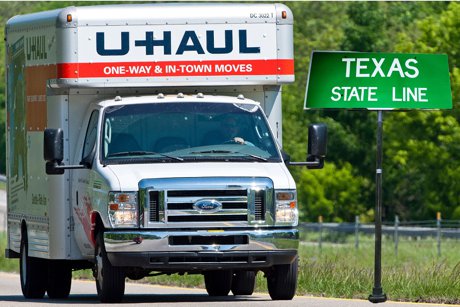
So you're thinking about swapping your cowboy boots for flip-flops and trading Texas sunsets for Florida sunrises? You're not alone. Thousands of Texans make the move to Orlando every year, drawn by job opportunities, the famous Florida lifestyle, and — let's be honest — the allure of having world-class theme parks in your backyard.

But here's the thing: while Texas and Florida share some similarities (hello, no state income tax!), they're also worlds apart in ways that might surprise you. Before you start packing up your Whataburger cravings and heading east on I-10, let's talk about what you really need to know about making Central Florida your new home.

Whether you're relocating from Houston, Dallas, Austin, or San Antonio, this guide will help you navigate the transition and set realistic expectations. Check out our comprehensive Moving to Orlando Complete Guide for even more details on getting settled.

Weather: Yes, It's Different (But Maybe Not How You Think)

Texans know heat. But Orlando heat is a different beast entirely. While Texas summers can be scorching and dry (especially in the western regions), Orlando serves up humidity levels that'll make your hair do things you never thought possible. The good news? You'll quickly learn to appreciate afternoon thunderstorms that cool things down — a daily summer occurrence you'll come to expect around 3 PM.

The real upside comes in winter. While your friends back in Dallas might be dealing with ice storms and those surprise cold snaps, you'll be enjoying temps in the 60s and 70s. Orlando winters are genuinely pleasant, and you'll probably find yourself dining outdoors in February while everyone back home is bundled up. For the full breakdown, check out our Orlando Weather and Climate Guide.

One heads-up: hurricane season is real here. June through November means keeping an eye on tropical weather. It's manageable — locals have it down to a science — but it's something Texans from non-coastal areas might need to adjust to. Our Hurricane Preparedness in Orlando guide has you covered.

Cost of Living: The Good News Keeps Coming

Here's something that'll make you smile: both Texas and Florida have no state income tax. That's right — you're not trading one tax-friendly state for a tax nightmare. Your paycheck will thank you for staying in a no-income-tax zone.

Housing costs in Orlando are generally comparable to major Texas metros, though it varies by neighborhood. If you're coming from Austin, you might actually find Orlando more affordable. From Houston or San Antonio? Expect similar price points with slightly different dynamics. The key is finding the right neighborhood for your budget and lifestyle — and Orlando has plenty of options.

What Costs More (and Less) in Orlando:

  • Insurance: Florida home insurance is typically higher than Texas due to hurricane risk. Budget for this.
  • Utilities: AC runs year-round here, but you'll save on heating. Check out our Orlando Utilities and Services guide for provider info.
  • Gas: Generally comparable, sometimes slightly lower than Texas.
  • Entertainment: Theme park annual passes offer incredible value for locals — something Texas doesn't really have an equivalent to.

Jobs and Economy: What's Driving Orlando

If you're relocating for work, you'll find Orlando's economy is surprisingly diverse. Yes, tourism and hospitality are huge (we're talking Walt Disney World, Universal, and countless hotels), but that's just the beginning. The tech sector is booming, healthcare is a major employer thanks to medical centers like those in Lake Nona, and the aerospace industry has deep roots here.

Defense contractors, simulation companies, and a growing startup scene round out the opportunities. If you're in oil and gas in Texas, the transition might require some career pivoting — but Orlando's job market is robust and growing. The University of Central Florida (one of the largest universities in the country) also creates a steady pipeline of talent and innovation.

Finding Your Neighborhood: Where Texans Tend to Land

Orlando's metro area offers something for everyone, and where you land often depends on what you loved about Texas. Here's a quick translation:

If you loved Austin's vibe: Check out Winter Park for that walkable, artsy downtown feel, or Downtown Orlando for urban energy.

If you're a Houston suburban family: Lake Nona or Windermere offer master-planned communities with excellent schools and amenities.

If you want that small-town Texas feel: Winter Garden or Mount Dora deliver charming downtown areas with strong community vibes.

For a complete overview of options, browse our Best Places to Live in Orlando guide.

The Pros and Cons: An Honest Assessment

The Pros:

  • No state income tax (just like home!)
  • Mild winters — say goodbye to ice and freezing temps
  • World-class entertainment at your doorstep
  • Beaches within an hour's drive
  • Growing, diverse job market
  • Friendly people (Southern hospitality extends to Florida!)

The Cons:

  • Higher humidity than most of Texas
  • Hurricane season requires preparation
  • Home insurance costs more
  • You'll miss Tex-Mex (Orlando's Mexican food is... improving)
  • Traffic can be challenging, especially near attractions
  • No H-E-B or Buc-ee's (yet — Buc-ee's is expanding into Florida!)

Practical Moving Tips for Texans

Timing your move: Avoid moving during peak summer (June-August) when it's hottest and most humid. Late fall or early spring offers the most comfortable moving conditions.

The drive: If you're driving from Houston, it's about 12-13 hours via I-10. From Dallas, budget 16-17 hours. Consider breaking it up with an overnight stop in Louisiana or the Florida Panhandle.

Update your documents: You'll have 30 days to get a Florida driver's license after establishing residency. The Florida DMV process is fairly straightforward — and you'll be pleased to know Florida license plates don't require front mounting (just like Texas!).

Vehicle considerations: Florida requires annual vehicle registration but no state inspections. You'll save time and money there.

The Bottom Line

Moving from Texas to Orlando is a transition that makes sense for a lot of families and professionals. You're keeping the tax advantages, gaining milder winters and beach access, and trading in Texas-sized spaces for Florida's unique lifestyle blend of outdoor living and entertainment options.

Will you miss some things about Texas? Absolutely. The BBQ, the Tex-Mex, the wide-open spaces, and that particular Texas pride are hard to replicate. But Orlando offers its own magic — and we're not just talking about the theme parks. The diversity, the year-round outdoor lifestyle, and the genuine warmth of the community make it an easy place to call home.

For official information about relocating to Florida, including residency requirements and state services, visit MyFlorida.com, the state's official portal for residents.


Ready to explore Orlando neighborhoods and find your perfect Florida home? Check out our Orlando Neighborhoods Guide or Contact Us for personalized relocation advice from people who help Texans make the move every day!

Posted in Relocation Guide