The Neighborhood Blog

The Neighborhood Blog features a variety of community, attraction and development update information for communities throughout the Orlando Metro and Central Florida Region.

Dec. 28, 2025

Moving from Atlanta to Orlando: What Georgia Transplants Need to Know | Orlando Living Guide

Your fellow Southerners' guide to swapping peaches for oranges
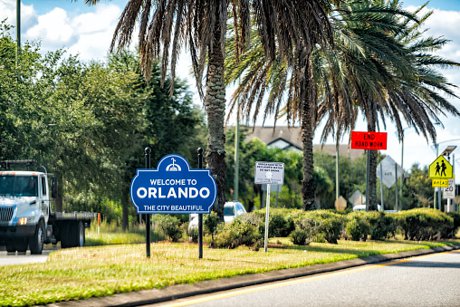
Moving to Orlando

So you're thinking about trading Peachtree Street for palm trees? As an Atlanta resident considering the move to Orlando, you're in good company. Thousands of Georgians make this southbound journey every year, drawn by Florida's sunshine, no state income tax, and that unmistakable theme park magic. But before you load up the U-Haul and say goodbye to Waffle House (don't worry, we have those here too), let's talk about what to really expect.

Here's the thing: moving from Atlanta to Orlando isn't quite the culture shock you might experience relocating from, say, New York or Chicago. You're already fluent in sweet tea, understand why Publix is basically a lifestyle, and know that "bless your heart" can mean about twelve different things. But there are still some key differences that'll make your transition smoother if you know about them upfront.

Ready to dive in? Let's break down everything you need to know about making Central Florida your new home. For a comprehensive overview of the relocation process, check out our Moving to Orlando Complete Guide.

The Drive Down: Your First Taste of Florida Life

At roughly 440 miles, the Atlanta-to-Orlando drive is a solid 6-7 hours on I-75 South (traffic willing). You'll cruise through Macon, cross into Florida near Valdosta, and watch the landscape gradually flatten as pine forests give way to scrub palms. Pro tip: once you hit Florida, Buc-ee's in Daytona Beach makes an excellent final pit stop before reaching Orlando.

If driving isn't your thing, direct flights between Hartsfield-Jackson and Orlando International Airport take about 90 minutes. And here's some exciting news: Brightline high-speed rail has announced plans to eventually connect Atlanta and Orlando, which would be a game-changer for those wanting to visit family back in Georgia.

Weather: It's Different (But Not That Different)

Let's address the elephant in the room: yes, Orlando is hotter and more humid than Atlanta. But honestly? It's not as dramatic a difference as you might think. You already know Southern summers. Orlando just turns the dial up a notch and adds an afternoon thunderstorm almost every day from June through September.

The biggest weather adjustment for Atlanta transplants is usually the lack of fall. Georgia gives you those gorgeous changing leaves and crisp October days. In Orlando, "fall" basically means the humidity drops slightly and you can finally wear jeans without melting. Christmas might be 75 degrees, which takes some getting used to. For a deeper dive into what to expect, our Orlando Weather and Climate Guide covers everything from hurricane season to those perfect spring months.

Finding Your Neighborhood: Atlanta Vibes in Orlando

One of the best things about moving from Atlanta to Orlando? You can likely find a neighborhood that matches whatever you loved about your Georgia community. Our Best Places to Live in Orlando guide breaks down all the options, but here are some quick comparisons:

Loved Buckhead's upscale vibe? Check out Windermere or Dr. Phillips for luxury living, excellent schools, and that refined atmosphere.

More of a Midtown/Virginia-Highland person? Winter Park has that same walkable, tree-lined charm with boutiques, restaurants, and a thriving arts scene along Park Avenue.

Miss the energy of Downtown Atlanta? Downtown Orlando offers urban living around Lake Eola with growing nightlife, cultural attractions, and that city buzz.

Looking for that suburban new-construction feel like Alpharetta? Lake Nona is Orlando's master-planned darling with top-rated schools, wellness focus, and a growing tech presence.

The Job Scene: What Atlanta Professionals Should Know

Atlanta's economy is famously diverse, and you might wonder if Orlando can match it. The answer is yes – just in different ways. While Atlanta dominates in film production and has a larger corporate headquarters presence, Orlando's job market is booming in healthcare, tech, aerospace, and yes, hospitality.

Lake Nona's Medical City is drawing healthcare professionals from across the country. The simulation and defense industries centered around UCF's research park offer opportunities you won't find in Georgia. And that no state income tax thing? It effectively gives you a 5-6% raise compared to what you were making in Georgia. Not too shabby.

The Real Differences: What Might Surprise You

Traffic: Different Beast, Same Frustration

You survived I-285 and Spaghetti Junction, so Orlando traffic won't break you. That said, I-4 has earned its reputation as one of America's deadliest highways. The good news? Orlando's toll road system (the 408, 417, and 429) offers alternatives that Atlanta's highway network doesn't really match. Check out our Orlando Transportation Guide to learn the routes.

Sports Culture Shift

This might sting: Orlando doesn't have an NFL team. If you're a Falcons fan, you'll need to find a sports bar or make the trek to Jacksonville or Tampa for games. On the bright side, the Orlando Magic and Orlando City Soccer have passionate followings, and UCF Knights football is a legitimate Big 12 program now.

Theme Park Perks

Here's something Atlanta can't offer: annual passes to world-class theme parks. Many Orlando residents grab Disney or Universal passes and treat the parks like their personal playgrounds. Spontaneous Tuesday night at Magic Kingdom? Totally normal here. Explore all the things to do in Orlando beyond the parks.

Moving Tips: The Practical Stuff

Now for the nuts and bolts of your move:

  • Timing matters: Move during fall or winter if possible. Summer moving in Orlando's heat is brutal, and you'll pay premium rates during peak moving season.
  • Update your license quickly: Florida requires new residents to get a Florida driver's license within 30 days. The Florida DHSMV handles this process.
  • Register your vehicle: You'll also need Florida plates within 30 days of establishing residency or starting employment.
  • Homestead exemption: If you're buying, file for Florida's homestead exemption immediately. It caps annual property tax increases and protects your home from creditors.
  • Hurricane prep: Get your hurricane kit ready before your first June in Orlando. Our Hurricane Preparedness Guide walks you through everything.

The Bottom Line

Moving from Atlanta to Orlando is less of a culture shock and more of a lifestyle upgrade – at least for those who prioritize sunshine, tax savings, and year-round outdoor living. You'll miss the fall colors, probably complain about the humidity (but you already did that in Georgia), and definitely have opinions about whether Zaxby's or PDQ makes better chicken fingers.

The transition is smooth because both cities share that Southern hospitality DNA. Orlando just adds a little extra magic – sometimes literally. Welcome to the Sunshine State, future neighbor. You're going to love it here.

For official information about relocating to Orlando, including city services and resources for new residents, visit the City of Orlando website.


Ready to find your perfect Orlando neighborhood? Explore our Orlando Neighborhoods Guide or contact us for personalized relocation advice tailored to Atlanta transplants!
Posted in Relocation Guide
Dec. 28, 2025

Moving from Washington DC to Orlando: Everything You Need to Know | Orlando Living Guide

Trading monuments and metros for theme parks and sunshine – your complete guide to the DC to Orlando move

moving to Orlando

If you've been considering a move from the nation's capital to the theme park capital, you're not alone. More and more DC residents are trading their metro cards and winter coats for sunshine, lower taxes, and a completely different pace of life in Orlando. But here's the thing – while both cities are major metropolitan areas, the day-to-day experience couldn't be more different.

Whether you're moving for work, retirement, or just ready for a major lifestyle change, understanding what you're getting into will make your transition so much smoother. We've helped countless DC transplants make the move to Central Florida, and we're here to give you the real scoop – the good, the surprising, and the things nobody tells you until you're already here.

Let's break down what you need to know about swapping the Potomac for the theme parks and actually making Orlando feel like home.

What to Expect: The Big Differences

The first thing you'll notice when moving from Washington DC to Orlando? It's not just warmer – it's a fundamentally different way of living. DC is all about power suits, networking happy hours, and that constant buzz of political energy. Orlando? Think shorts and flip-flops, backyard pool parties, and conversations that rarely involve Capitol Hill drama.

The pace is slower here (except on I-4 during rush hour – we'll get to that). People are generally more laid-back, customer service feels friendlier, and the obsession with job titles and where you went to school is basically non-existent. If you thrived on DC's intensity and fast-paced professional culture, Orlando might take some adjustment. But if you're ready to exhale and enjoy life without the constant political undercurrent, you're going to love it here.

One of the biggest shocks for DC transplants? The lack of walkability. While DC has extensive metro coverage and walkable neighborhoods, Orlando is decidedly car-centric. You'll need reliable transportation, and saying goodbye to your metro card is just the beginning. But on the flip side, parking is abundant and usually free – imagine that after years of DC's parking nightmare!

Cost of Living Reality Check

Let's talk money, because this is probably one of your biggest motivations for considering the move. The cost of living in Orlando is significantly lower than DC – but it's not quite the bargain paradise some people imagine, especially with Florida's recent growth.

Housing: Here's where you'll see the biggest savings. The median home price in Orlando is roughly half what you'd pay in DC for comparable square footage. That Georgetown condo that costs $800,000? You can get a gorgeous single-family home with a pool in a great Orlando neighborhood for half that. Many DC transplants find they can upgrade to a much larger home with a yard – something that might have been out of reach in the DMV area.

Taxes: No state income tax in Florida. Let that sink in for a minute. If you're coming from DC where you're paying both federal and DC income tax, this alone can save you thousands annually. However, be aware that property taxes and insurance costs in Florida can be higher than you're used to, especially with rising home insurance rates.

Daily expenses: Groceries, gas, and utilities tend to be slightly cheaper than DC, though the gap isn't as dramatic as housing. Dining out is generally more affordable, and you'll find yourself with more discretionary income for entertainment and travel. Check out our Orlando Dining and Restaurant Scene to see what your food budget will get you.

The Weather Adjustment

You've survived DC winters – the snow, the slush, the icy sidewalks, the metro delays during even a dusting of snow. Orlando winters will feel like a gift from the heavens. We're talking 70-degree days in January, outdoor brunches in February, and never having to shovel anything ever again.

But summer? That's a different story. DC summers are humid and hot, but Orlando takes it to another level. From June through September, you're looking at 90+ degree days with humidity that makes you feel like you're swimming through the air. The good news? Every building has excellent AC, you'll spend a lot of time in your pool, and you learn to schedule outdoor activities for early morning or evening. Many Orlando residents actually prefer summer because the tourists thin out and everything is less crowded. For a detailed breakdown of what to expect throughout the year, check out our Orlando Weather and Climate Guide.

Hurricanes are real, but don't let the news coverage scare you too much. Orlando is inland enough that we typically get tropical storms rather than direct hurricane hits. You'll learn to keep batteries, water, and supplies on hand during hurricane season (June through November), but it becomes routine rather than terrifying. Most DC transplants find that dealing with occasional hurricane prep is far preferable to dealing with snow and ice all winter.

Finding Your Perfect Orlando Neighborhood

DC has its distinct neighborhoods – Georgetown, Dupont Circle, Capitol Hill – each with its own vibe. Orlando's the same way, but the geography is spread out. Here's how some Orlando neighborhoods might translate for DC folks:

If you loved Adams Morgan/U Street's urban vibe: Check out Downtown Orlando or SODO (South Downtown). These areas offer walkable neighborhoods, condos, and an arts/nightlife scene. It's the closest you'll get to DC's urban energy, though on a smaller scale.

If you were a Georgetown/Chevy Chase type: Winter Park is your answer. Historic, upscale, tree-lined streets, boutique shopping on Park Avenue, and excellent restaurants. It's got that established, cultured feel that DC professionals appreciate.

If you liked Arlington's suburban convenience: Baldwin Park or Lake Mary might be perfect. Master-planned communities with good schools, shopping, and a suburban feel without being too far from the action.

If you were eyeing Northern Virginia's newer developments: Lake Nona is Orlando's answer – a modern, master-planned community with cutting-edge development, excellent amenities, and a forward-thinking vibe.

Browse our complete Orlando Neighborhoods Guide or check out our Best Places to Live in Orlando for a comprehensive comparison of neighborhoods based on your lifestyle needs.

Job Market and Career Opportunities

Let's address the career elephant in the room: Orlando's job market is different from DC's government-and-contractor-heavy economy. But that doesn't mean there aren't excellent opportunities – they're just in different sectors.

Orlando's economy is diverse, with major industries including:

  • Technology and Simulation: Thanks to UCF's research programs and the legacy of the space program, Orlando has a growing tech sector, particularly in simulation, gaming, and defense contracting
  • Healthcare: Major systems like Orlando Health and AdventHealth are constantly hiring, and Lake Nona is becoming a significant medical city
  • Hospitality and Tourism: Obviously huge here, but it's not just theme park jobs – there's convention planning, hotel management, and tourism marketing at every level
  • Finance and Professional Services: Growing sectors as more companies establish Florida presences for tax advantages

Many DC transplants successfully transition to remote work before moving, which solves the job challenge entirely. If you're established in your DC career, negotiating a remote arrangement before moving gives you the best of both worlds – DC salary with Orlando cost of living. Learn more about the economic landscape in our Orlando Job Market and Economy guide.

Transportation and Getting Around

Time to have the talk: you're going to need a car. Actually, if you're a two-adult household, you'll probably want two cars. There's no getting around Orlando's car-dependent culture the way you could rely on DC's metro system.

The good news? No more metro delays, track fires, or waiting in the rain for buses. Gas is cheaper than DC, parking is everywhere and usually free, and traffic – while it exists – is more predictable. Yes, I-4 can be a nightmare, but it's not the constant gridlock of the Beltway. Most Orlando residents find that even with a longer commute distance-wise, their actual commute time ends up being similar to or shorter than their DC commute.

Orlando does have SunRail, a commuter rail system, but it's limited in scope compared to DC Metro. There's also Lynx bus service, but let's be real – most people drive. Get familiar with our Orlando Transportation Guide to understand your options.

One huge perk? Orlando International Airport (MCO) is fantastic – modern, efficient, and with direct flights to everywhere. Plus, with Brightline high-speed rail now connecting Orlando to South Florida, you can be in Miami in three hours without dealing with I-95 traffic.

What You'll Miss (and What You Won't)

You'll miss:

  • The Smithsonians and free world-class museums on every corner
  • The metro system (even with its flaws)
  • Cherry blossoms and actual fall foliage
  • Being at the center of national political conversations
  • The dense walkability of certain neighborhoods
  • The diverse international food scene (Orlando's is good, but DC's is exceptional)

You won't miss:

  • Winter. Just... winter.
  • The insane cost of housing
  • DC's status anxiety and competitive culture
  • State and local income taxes
  • The constant political intensity of everyday life
  • Tourist crowds 24/7 (Orlando has tourists too, but you can avoid them)

Orlando has its own cultural scene – check out Orlando Arts and Culture and discover the Dr Phillips Center for world-class performing arts.

Moving Tips for the DC to Orlando Transition

Ready to make the move? Here are some practical tips from people who've done it:

Before You Move:

  • Visit Orlando during summer, not just winter – make sure you can handle the heat before committing
  • Research neighborhoods thoroughly and spend time driving around during different times of day
  • If keeping your DC job remotely, get everything in writing about your work arrangement
  • Start researching homeowners and flood insurance early – it's more complex in Florida

During the Move:

  • The drive is about 900 miles and takes 13-14 hours – plan for overnight stops in North Carolina or South Carolina
  • Consider hiring professional movers who specialize in long-distance moves – the heat can make DIY moving brutal
  • Ship winter clothes and coats to storage or donate them – you'll wear them maybe once a year

After You Arrive:

  • Update your driver's license within 30 days (Florida DMV is actually pretty efficient)
  • Register to vote if you want to participate in local elections
  • Join local groups or clubs to build your social network – Orlando residents are generally welcoming to newcomers
  • Get annual passes to the theme parks if you have kids (or if you're a kid at heart) – they make great weekend entertainment

For a complete moving checklist, see our Moving to Orlando Complete Guide.

The Bottom Line

Moving from Washington DC to Orlando is a major lifestyle shift, not just a change of address. You're trading power suits for swimsuits, metro cards for car keys, and political intensity for a more relaxed pace of life. The cost of living savings alone can be life-changing, especially when you see what your DC housing budget can buy you in Orlando – think pools, space, and actual yards.

Is it the right move for everyone? No. If you thrive on DC's political energy, need urban density and walkability, or your career is tied to the federal government, Orlando might feel like too much of a departure. But if you're ready for lower taxes, better weather, more space, and a lifestyle that prioritizes fun and family over climbing the ladder, Orlando could be exactly what you're looking for.

The DC transplants we've worked with almost universally say the same thing: they wish they'd made the move sooner. Once you adjust to the pace and embrace the Florida lifestyle, it's hard to imagine going back to those DC winters and that insane cost of living.


For more information about making Florida your home, visit the official Visit Orlando website to explore everything Central Florida has to offer.


Ready to start your DC to Orlando adventure? Browse our Orlando Neighborhoods Guide to find your perfect community, or contact us for personalized relocation advice from people who understand both cities! 🌴

Posted in Relocation Guide
Dec. 28, 2025

Moving from Chicago to Orlando: What to Expect | Complete Guide

What every Chicagoan needs to know before trading deep-dish for sunshine

moving from Chicago to Orlando

If you're a Chicagoan contemplating a move to Orlando, you're definitely not alone. In fact, thousands of people from the Windy City have already made the leap to Central Florida, and the numbers keep growing. Between the brutal winters, high taxes, and rising cost of living in Chicago, it's no wonder more folks are saying "see ya later" to Lake Michigan and "hello" to year-round sunshine and significantly lower living costs.

But moving from Chicago to Orlando isn't just about swapping snow for palm trees (though that's certainly a perk!). It's a significant lifestyle change that comes with both exciting opportunities and important adjustments. Whether you're relocating for a job, retirement, or simply seeking a better quality of life, understanding what you're getting into will help make your transition smoother.

Here's the thing—Orlando isn't just "warm Chicago." It's a completely different experience with its own unique culture, pace of life, and yes, some challenges you'll want to prepare for. So let's break down everything you need to know about making the move from the Second City to the City Beautiful.

The Weather Reality Check: Trading Parkas for Sunscreen

Let's start with the obvious: the weather. After enduring Chicago's bone-chilling winters, Orlando's climate probably sounds like paradise. And honestly? For most former Chicagoans, it absolutely is. No more scraping ice off your windshield at 6 AM or worrying about your pipes freezing. Orlando's winters are mild, with average temperatures in the 60s and 70s—what Chicagoans call "perfect fall weather."

However, here's what you need to know about Orlando Weather and Climate Guide:

The Summer Heat is Real

While Chicago summers can get hot, Orlando's summer heat operates on a different level. We're talking 90+ degrees with humidity that makes it feel like you're walking through soup. From June through September, you'll quickly learn why locals schedule outdoor activities for early morning or evening. The good news? You'll adapt faster than you think, and unlike Chicago, you won't spend months dreading the next polar vortex.

Hurricane Season vs. Blizzards

Trading blizzards for hurricanes might sound scary, but here's the reality: while hurricane season runs June through November, direct hits on Orlando are relatively rare because we're inland. Most storms that reach us have weakened significantly. Plus, you'll have days of advance warning—unlike Chicago's surprise snowstorms that can shut down the city overnight. That said, having Hurricane Preparedness in Orlando plan is essential.

The Daily Afternoon Rain

From May through October, expect brief but intense afternoon thunderstorms almost daily. They roll in around 2-3 PM, dump rain for 30-60 minutes, then clear out. It's nothing like Chicago's all-day drizzle—these storms are dramatic and over quickly. You'll learn to check the radar before planning outdoor activities.

Cost of Living: Where Your Dollar Goes Further

Here's where Orlando really shines compared to Chicago—your money will stretch significantly further in Central Florida. Let's break down the numbers:

Housing Costs

This is probably the biggest financial relief you'll experience. The median home price in Orlando metro is substantially lower than Chicago's. A 3-bedroom, 2-bath single-family home in a decent Orlando neighborhood might run you $350,000-450,000, while a comparable property in many Chicago neighborhoods would easily cost $150,000-200,000 more. If you're looking at Best Places to Live in Orlando, you'll find options across all price ranges.

No State Income Tax!

This is huge. Illinois has a flat income tax rate of 4.95%, plus Chicago has its own local taxes. Florida has zero state income tax. For a household earning $100,000, that's nearly $5,000 back in your pocket every year. When you factor this in with the lower housing costs, your quality of life can improve dramatically even if you're making the same salary.

Property Taxes

While Florida's property taxes aren't as low as some states, they're generally more manageable than Chicago's notoriously high property tax burden. Plus, Florida offers homestead exemption (up to $50,000 off your home's assessed value) once you establish residency, which can significantly reduce your annual property tax bill.

Lower Utilities (Mostly)

Your heating bills will virtually disappear—many months you won't need heat at all. However, expect your summer AC costs to be higher than your Chicago cooling bills. Overall, most transplants report lower total utility costs year-round.

Everything Else

Groceries, gas, and general goods are comparable or slightly cheaper. Dining out is typically less expensive than Chicago, though you'll miss the deep-dish pizza and Italian beef (sorry, Orlando hasn't quite mastered those yet). Car insurance might be slightly higher due to uninsured motorist rates, but you'll save on auto maintenance since road salt won't be eating away at your vehicle.

Job Market and Career Opportunities

Orlando's economy is diverse and growing, though it differs significantly from Chicago's business landscape. While Chicago is a major financial and corporate hub, Orlando's economy centers around tourism, healthcare, technology, and increasingly, aviation/aerospace. According to the Orlando Economic Partnership, the region has been one of the fastest-growing job markets in the nation.

Major Industries

  • Tourism & Hospitality: Theme parks, resorts, and tourism infrastructure employ thousands. While Chicago has tourism, Orlando operates at a different scale.
  • Healthcare: With major health systems like Orlando Health, AdventHealth, and the growing Lake Nona Medical City, healthcare opportunities are abundant.
  • Technology: Orlando is developing a thriving tech scene, especially around UCF's research park and downtown innovation district.
  • Simulation & Training: Due to military presence and theme park expertise, Orlando is a simulation and training hub.
  • Film & Entertainment: Orlando has significant production facilities and post-production companies.

The Orlando Job Market and Economy offers opportunities across salary ranges, though it's worth noting that wages in some sectors may be lower than Chicago equivalents. However, when you factor in the lack of state income tax and lower cost of living, your take-home purchasing power often increases.

Remote Work Advantage

If you're keeping a Chicago-based remote job, you're in the perfect position—Chicago salary, Orlando cost of living, and no more winter commutes. Many Chicagoans have made this exact move during the remote work revolution.

Transportation: Life Beyond the CTA and Metra

Here's where you'll notice a major difference: Orlando is a car-dependent city. Unlike Chicago's extensive public transit system, Orlando's transit options are limited. You'll absolutely need a vehicle for daily life.

The Driving Reality

The good news: traffic is generally less intense than Chicago's rush hours (no Kennedy or Dan Ryan nightmares!). The not-so-great news: you'll be driving more often since everything is spread out. Major routes like Interstate 4 (I-4), 408 Expressway, and 417 Expressway will become your new familiar routes.

Many toll roads exist in Orlando (the Florida Turnpike system), so get a SunPass transponder as soon as you arrive—it'll save you money and hassle. Gas prices are typically lower than Chicago, which helps offset the increased driving.

Public Transit Options

SunRail is Orlando's commuter rail system—think of it as the Metra equivalent, but much smaller. It's useful if you live and work along the route, but it won't take you everywhere like the CTA. Lynx operates bus service, though it's primarily used for essential transportation rather than general commuting.

Finding Your Perfect Orlando Neighborhood

Choosing where to live in Orlando depends on what you valued about your Chicago neighborhood. The metro area offers diverse options from urban condos to suburban family neighborhoods to golf communities. Here's a quick guide based on what Chicago neighborhood vibes you're looking for:

If You Loved Chicago's Walkable Urban Neighborhoods:

  • Downtown Orlando: Urban living with condos, restaurants, and Lake Eola. Think River North meets Streeterville.
  • Winter Park: Charming downtown with boutiques and dining, walkable streets. Similar to Lincoln Park's vibe but with more trees.
  • Baldwin Park: New urbanist community with village center. Comparable to South Loop's planned areas.

For Young Families Seeking Good Schools:

  • Lake Mary: Excellent schools, family-oriented, newer developments. Think Naperville but more affordable.
  • Oviedo: Top-rated schools, suburban feel, growing area.
  • Winter Garden: Charming downtown, excellent schools, strong community feel.

If You Want Something More Affordable:

  • Kissimmee: Budget-friendly, diverse community, near theme parks.
  • Apopka: Northwest Orlando, good value, growing area.
  • Sanford: Historic downtown being revitalized, waterfront, affordable.

For Tech-Savvy or Medical Professionals:

  • Lake Nona: Master-planned community, Medical City, tech corridor. Modern and innovative.

Check out the comprehensive Orlando Neighborhoods Guide to explore all your options in detail.

Lifestyle Changes You'll Experience

The Slower Pace

Orlando moves at a different speed than Chicago. People are generally more laid-back and friendly. The aggressive urgency of Chicago life gives way to a more relaxed "we'll get there when we get there" attitude. Some Chicagoans love this change; others find it takes adjustment.

The Culture Shift

Orlando is younger and more transient than Chicago—people move here from everywhere, creating a diverse but sometimes less rooted community feel. You won't find the deep neighborhood pride and multi-generational connections common in Chicago neighborhoods. The flip side? It's easy to make friends because everyone else is also figuring it out.

Food Scene Differences

Let's be honest—Orlando's food scene doesn't match Chicago's legendary status. You won't find authentic deep-dish pizza, proper Italian beef sandwiches, or that incredible Chicago hot dog culture. However, Orlando excels at other cuisines: amazing Latin American food, creative fusion restaurants, and obviously theme park dining experiences. The Orlando Dining and Restaurant Scene is constantly improving, with new restaurants opening regularly.

Sports Allegiances

You'll need to decide: remain a loyal Chicago sports fan (you'll find plenty of Bears/Cubs/Bulls bars) or embrace Orlando's teams. The Orlando Magic (NBA), Orlando City Soccer Club (MLS), and Orlando Solar Bears (hockey) offer local sports excitement. Plus, you're now close enough for occasional Tampa Bay or Miami team games.

Practical Moving Tips for Chicagoans

Timing Your Move

If possible, move between November and April when the weather is ideal. Summer moves mean dealing with extreme heat and afternoon storms. Plus, this timing lets you experience Orlando's "winter" (the best season) immediately, helping you fall in love with your decision.

What to Bring, What to Leave

  • Bring: Your winter clothes (for the rare cold snap and trips back to Chicago), professional work attire, outdoor furniture
  • Leave: Heavy winter coats, snow gear, ice scrapers, block heaters
  • Invest in: Quality sunscreen (you'll use it year-round), hurricane supplies, lighter-weight clothing

Establishing Residency

To benefit from no state income tax and other Florida resident perks:

  • Get a Florida driver's license within 30 days of establishing residency
  • Register your vehicle in Florida
  • Register to vote in Florida
  • Update your address with IRS, bank, and insurance companies
  • File for homestead exemption if buying a home (must be your primary residence as of January 1)

Our comprehensive Moving to Orlando Complete Guide covers all these details and more.

Finding Your People

Missing the Chicago connection? There's actually a sizable Chicago transplant community in Orlando. Look for Chicago-themed sports bars (especially during Bears or Cubs games), join Facebook groups for Chicago expats in Florida, and attend Chicago alumni events. You'll be surprised how many former Chicagoans you'll meet.

The Honest Pros and Cons

Pros of Moving from Chicago to Orlando:

  • No more brutal winters or snow shoveling
  • Significantly lower cost of living and no state income tax
  • Year-round outdoor activities
  • More affordable housing
  • Proximity to beaches (about an hour drive)
  • World-class theme parks and entertainment
  • Growing job market with opportunities
  • Mild winters with pleasant weather
  • Lower utility costs overall
  • More space for your money in housing

Cons to Consider:

  • Hot, humid summers with intense afternoon storms
  • Hurricane season (though direct hits are rare)
  • Car dependency—you'll need to drive everywhere
  • Less robust public transportation than Chicago
  • Potentially lower salaries in some industries
  • Different food scene (no deep-dish pizza, Italian beef)
  • Less established neighborhoods and community roots
  • Tourist traffic around theme parks areas
  • Higher auto insurance costs
  • Need to be more vigilant about sun protection

The Bottom Line

Moving from Chicago to Orlando represents a major lifestyle shift, but for most people making the move, the benefits far outweigh the adjustments. The combination of year-round warm weather, lower cost of living, no state income tax, and better housing affordability makes Orlando an increasingly attractive destination for Chicagoans seeking a change.

Yes, you'll miss certain things about Chicago—the food, the CTA, the distinct neighborhood characters, maybe even (gasp!) the snow occasionally. But most Chicago transplants tell us that once they've experienced their first full year in Orlando—especially that first winter when they're wearing shorts in January while their friends back home are dealing with another blizzard—they know they made the right choice.

Orlando isn't perfect, and it's definitely different from Chicago. But if you're tired of high taxes, brutal winters, and watching your cost of living climb year after year, Central Florida offers a compelling alternative with a strong job market, diverse neighborhoods, and that famous Florida sunshine.


For more detailed information about relocating to Central Florida, including neighborhood guides, school information, and local resources, visit the Visit Orlando official tourism and relocation website and explore additional resources from the City of Orlando.


Ready to start your search for the perfect Orlando home? Browse our Orlando Neighborhoods Guide to explore all your options, or contact us for personalized relocation assistance. We specialize in helping Chicago transplants find their perfect Central Florida home! ☀️

Posted in Relocation Guide
Dec. 28, 2025

Moving from NYC to Orlando: What Every New Yorker Should Know | Orlando Living Guide

Trading the subway for sunshine? Here's your insider guide to the NYC-to-Orlando transition

moving to Orlando

So you're thinking about swapping the Empire State Building for the Sunshine State? You're not alone. Thousands of New Yorkers make the move to Orlando every year, drawn by lower costs, warmer weather, and a completely different pace of life. But let's be real – moving from NYC to Orlando isn't just a change of address. It's a lifestyle reset.

As someone who's helped countless New Yorkers navigate this transition, I can tell you that while it's exciting, it definitely comes with a learning curve. The good news? Once you adjust, most people wonder why they didn't make the move sooner. Here's everything you need to know to make your NYC-to-Orlando transition as smooth as possible.

The Big Stuff: What to Expect

Cost of Living Reality Check

Let's start with what's probably on your mind: money. Orlando's overall cost of living is approximately 40-50% lower than NYC, according to data from the Bureau of Labor Statistics. But here's what that actually means in your daily life:

Housing is where you'll see the biggest difference. That cramped studio in Manhattan that costs $3,000/month? In Orlando, you could rent a spacious two-bedroom apartment with a pool for the same price – or less. The median home price in Orlando hovers around $380,000, compared to well over $700,000 in NYC. Suddenly, homeownership might actually be within reach.

But here's the catch New Yorkers don't always anticipate: you'll probably need to buy a car (or two). Between car payments, insurance, gas, and maintenance, budget an extra $500-800 per month. Still, even with these costs, most NYC transplants find they're saving significant money each month. Plus, Florida has no state income tax, which means more money in your paycheck.

Weather: Prepare for the Heat

You've survived NYC winters, so how bad can Orlando summers be? Well, it's different. Instead of bundling up for snow, you'll be cranking the AC from May through October. Summer temperatures regularly hit the mid-90s with humidity that makes it feel like you're walking through hot soup. Your electric bill will reflect this – budget $200-300 monthly for AC during summer.

The upside? You'll never shovel snow again. You can wear shorts year-round. And that vitamin D deficiency you developed surviving NYC winters? Problem solved. Just invest in good sunscreen and embrace the fact that "winter" in Orlando means temperatures in the comfortable 60s-70s. For the full weather breakdown, check out our Orlando Weather and Climate Guide.

The Pace of Life

Here's something that catches every New Yorker off guard: Orlando moves at a completely different speed. That hustle mentality that's second nature in NYC? Dial it down about 40%. People actually make small talk in elevators here. Customer service is friendlier but slower. Rush hour exists, but it's nothing like the Cross Bronx Expressway.

You'll either love this or find it frustrating at first. Most New Yorkers go through a transition period where they're simultaneously relieved by the slower pace and impatient with it. Give it six months – you'll adjust. And honestly, your stress levels will probably thank you.

Practical Moving Tips

Choosing Your Neighborhood

Orlando isn't one homogeneous suburb – there are actually distinct neighborhoods with different vibes. If you're looking for walkable, urban living that feels somewhat familiar, check out Downtown Orlando, Baldwin Park, or Winter Park. These areas have sidewalks, local shops, and community events – the closest you'll get to that neighborhood feel you might miss from NYC.

For families prioritizing excellent schools, Lake Nona, Winter Garden, and Oviedo are popular choices. Young professionals often gravitate toward areas near UCF or the Dr. Phillips area. Browse our Best Places to Live in Orlando guide to find your perfect match.

The Logistics

Moving 1,000+ miles isn't simple, but here's what worked for other NYC transplants:

Purge ruthlessly. Moving costs are based on weight and distance, so this is your chance to Marie Kondo your entire life. That winter coat collection? You'll need exactly one light jacket in Orlando. Those books you've been meaning to read? Library card is free.

Consider timing. Moving during summer (May-August) is cheaper because it's hurricane season and brutally hot. But if you can handle the heat and humidity, you'll save money on moving costs and possibly negotiate better rental/purchase prices.

Get your Florida driver's license within 30 days. Florida requires new residents to switch their license quickly, and you'll need it to register your car. The DMV can be busy, so make an appointment through the Florida Department of Highway Safety website.

Local Tips for NYC Transplants

Transportation Reality

This is perhaps the biggest adjustment: you'll need a car. Orlando's public transportation exists but is limited compared to the MTA. SunRail serves some areas during commute times, and Lynx buses cover the metro area, but for day-to-day life, you'll be driving.

The adjustment period can be rough if you haven't driven regularly in years. Consider taking a refresher course, and know that Orlando drivers are generally more courteous than NYC drivers, but I-4 during rush hour is its own special kind of chaos. GPS is your friend – roads here don't follow the grid system you're used to.

Finding Your People

Orlando has a surprisingly large NYC transplant community. You'll find "New York-style" everything here – pizza, bagels, delis (though honestly, they're not quite the same, so manage expectations). There are even NYC sports bars where you can watch the Yankees or Giants with fellow expatriates.

Join local groups on Facebook like "NYC Transplants in Orlando" or check out Meetup groups for New Yorkers. Having friends who understand why you still call it "the city" when referring to NYC makes the transition easier.

Embracing Orlando Culture

Orlando isn't trying to be NYC, and that's okay. Instead of Broadway, you've got theme parks (annual passes are actually worth it if you live here). Instead of MoMA, there's the Orlando arts scene with its own charm. The food scene is growing rapidly, with an emphasis on fresh seafood, Latin cuisine, and Southern comfort food.

Get involved in your community – join an HOA board, volunteer, or take up a hobby you never had time for in NYC. Many transplants discover they have time for things like paddle boarding, golf, or just sitting outside on their patio without feeling guilty about not being productive.

The Bottom Line

Moving from NYC to Orlando is a significant lifestyle change, but for most people who make the move, it's absolutely worth it. You'll save money, enjoy better weather, and probably feel less stressed. Yes, you'll miss some things about New York – the energy, the convenience, the pizza (seriously, the pizza). But you'll gain space, sunshine, and the ability to actually save money each month.

The transition takes about six months to a year. Give yourself grace during that adjustment period. Some days you'll love it. Some days you'll wonder what you were thinking. But talk to any New Yorker who's been here for a few years – most will tell you they can't imagine going back.


For comprehensive information about making your move, visit the official City of Orlando website for resources on utilities, services, and local government information.


Ready to start your Orlando journey? Check out our Moving to Orlando Complete Guide for detailed checklists and tips, or contact us for personalized help finding your perfect Central Florida home. We've helped hundreds of New Yorkers make the transition – let us help you too!

Posted in Relocation Guide
Dec. 28, 2025

Orlando vs Jacksonville: Which Florida City Is Right for You? | Florida Living Guide

Comparing Central Florida's theme park capital with Northeast Florida's biggest city

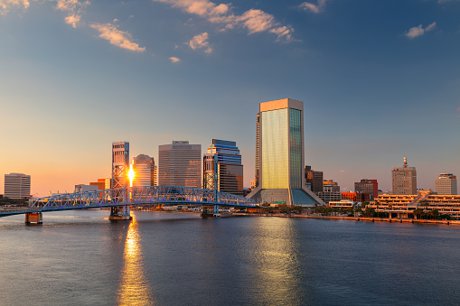
Jacksonville Florida

So you've decided Florida is calling your name, but you're stuck between two very different cities: Orlando and Jacksonville. We get it — both have a lot to offer, but they couldn't be more different in vibe, lifestyle, and what they bring to the table. Think of it this way: Orlando is the friend who's always ready for an adventure and never says no to fun, while Jacksonville is the laid-back beach buddy who prefers coastal living and a more relaxed pace.

Here's the good news: there's no wrong choice between Orlando vs Jacksonville. Both cities are growing like crazy, have strong job markets, and offer that coveted Florida lifestyle. The real question is which one matches your priorities. Are you all about world-class entertainment and a bustling urban energy? Or does a sprawling coastal city with miles of beaches and a more affordable lifestyle sound like your speed?

Let's break down everything you need to know about Orlando and Jacksonville so you can make the right call for your Florida move. We'll cover the basics, dive into lifestyle differences, talk money, and give you the honest truth about what it's really like living in each city.

The Tale of Two Cities: A Quick Overview

Orlando is located in Central Florida and has become synonymous with theme parks, tourism, and endless entertainment. With a metro population of about 2.7 million, it's the third-largest metro area in Florida and one of the fastest-growing regions in the country. The city has evolved from a citrus town to a global tourism destination, and these days it's also a major tech hub and healthcare center. If you're looking for a comprehensive guide to all Orlando has to offer, check out our Moving to Orlando Complete Guide.

Jacksonville, on the other hand, is Florida's largest city by area (yes, it's absolutely massive at 875 square miles) and sits in the northeast corner of the state. With a metro population around 1.6 million, it's the most populous city in Florida proper and the largest city by area in the contiguous United States. Jacksonville is a major port city and military hub with a rich history dating back to the 1500s. It's got serious coastal vibes with 22 miles of beaches and a more Southern, laid-back feel compared to Orlando's tourist-driven energy.

Climate and Weather: Sunny with a Chance of Differences

Both cities enjoy Florida's famous sunshine, but there are some notable differences. Orlando has a humid subtropical climate with hot, humid summers (think 90°F+ from June through September) and mild, pleasant winters. Summer afternoons bring those classic Florida thunderstorms that cool things down for about 20 minutes before the humidity comes roaring back. Our Orlando Weather and Climate Guide breaks down what to expect throughout the year.

Jacksonville's climate is similar but slightly milder overall. Being coastal means cooler breezes and slightly lower humidity, which can be a welcome relief during summer months. Winters in Jacksonville are a touch cooler than Orlando — you might actually need a light jacket in January — and the city sees less rainfall overall. Jacksonville's proximity to the Atlantic also means occasional nor'easters in winter and a slightly higher hurricane awareness (though both cities are vulnerable to storms).

Job Market and Economy: Different Industries, Different Vibes

When it comes to employment, Orlando and Jacksonville have distinctly different economies. Orlando's job market is heavily influenced by tourism and hospitality, with theme parks like Walt Disney World, Universal Orlando, and SeaWorld being major employers. But don't let that fool you into thinking it's all Mickey Mouse jobs — Orlando has a thriving tech sector (nicknamed "Silicon Beach"), a booming healthcare industry anchored by facilities like AdventHealth and Orlando Health, and a growing film and TV production scene. The Orlando Job Market and Economy is diverse and growing rapidly.

Jacksonville's economy is more diversified and blue-collar in nature. As a major port city, logistics and shipping are huge. The military presence (Naval Air Station Jacksonville, Naval Station Mayport) provides stable employment for thousands. Banking and finance are major players too, with companies like FIS and Black Knight headquartered there. Healthcare is also strong, and the cost of doing business tends to be lower than in Orlando, attracting corporate relocations.

Both cities offer solid job opportunities, but Orlando tends to skew toward service, tech, and creative industries, while Jacksonville leans more industrial, military, and corporate.

Cost of Living: Your Dollar Goes Further Up North

Here's where Jacksonville starts to pull ahead for budget-conscious movers: it's generally cheaper across the board. Housing costs in Jacksonville are noticeably lower than Orlando. While Orlando's median home price hovers around $400,000 (and climbing in popular areas), Jacksonville's median is closer to $320,000-$350,000. You'll get more square footage and often more land in Jacksonville for the same money.

Everyday expenses like groceries, utilities, and gas are roughly comparable, but housing savings in Jacksonville can add up significantly over time. That said, Orlando's rental market can be competitive too, especially near popular areas like Lake Nona or Winter Park.

Florida's lack of state income tax applies to both cities (score!), but property taxes and insurance costs should be factored into your budget regardless of which city you choose.

Lifestyle and Things to Do: Theme Parks vs Beaches

This is where personal preference really comes into play. Orlando is all about entertainment and attractions. Beyond the obvious theme parks, you've got world-class dining, incredible shopping at places like the Mall at Millenia, a vibrant arts scene with institutions like the Dr. Phillips Center, and professional sports including the Orlando Magic (NBA), Orlando City Soccer, and Orlando Pride (NWSL). There's always something happening, and the city has a youthful, energetic vibe. Check out our Things to Do in Orlando guide for the full scoop.

Jacksonville offers a different kind of lifestyle — more spread out, more outdoorsy, and definitely more beach-focused. With neighborhoods stretching from Atlantic Beach to Neptune Beach to Jacksonville Beach, you're never far from sand and surf. The city has a strong local food and brewery scene, historic neighborhoods like Riverside and Avondale, and great outdoor recreation. The NFL's Jacksonville Jaguars bring big-time football excitement, and the city has a growing arts district downtown.

If you love theme parks, entertainment variety, and urban energy, Orlando wins. If you prefer beach life, outdoor activities, and a more relaxed coastal vibe, Jacksonville's your city.

Transportation: Getting Around Each City

Both cities are car-dependent, but in different ways. Orlando has a more developed public transit system with SunRail commuter rail and Lynx bus service, though you'll still want a car for practical day-to-day life. The region is also served by Orlando International Airport (MCO), one of the busiest airports in the country with direct flights pretty much everywhere. Traffic can be intense, especially on I-4, which is perpetually under construction. Learn more in our Orlando Transportation Guide.

Jacksonville's sprawling layout means you'll definitely need a car, and public transit options are more limited. However, traffic is generally less congested than Orlando (a big plus!), and the city's layout along I-95 and I-10 makes highway access convenient. Jacksonville International Airport is smaller than MCO but still offers good connectivity for a city its size.

Schools and Education: Quality Options in Both Cities

For families, school quality is crucial. Orlando is served by Orange County Public Schools and Seminole County Public Schools (depending on where you live), with some standout schools in areas like Lake Mary, Oviedo, and Winter Springs. The region also has excellent private school options and is home to the University of Central Florida (UCF), one of the largest universities in the nation. Our Orlando Schools Guide covers all the details.

Jacksonville is served by Duval County Public Schools, which has a mix of ratings across different schools. Like Orlando, there are pockets of excellent schools, particularly in areas like Ponte Vedra, Mandarin, and San Marco. The University of North Florida (UNF) and Jacksonville University provide higher education options.

Both cities have their strong school districts — it really comes down to researching specific neighborhoods and schools that match your needs.

Orlando vs Jacksonville: The Pros and Cons

Orlando Pros:

  • World-class entertainment and attractions year-round
  • Diverse and growing job market, especially in tech and healthcare
  • Major international airport with extensive flight options
  • Vibrant restaurant and nightlife scene
  • More diverse cultural experiences and events
  • Multiple professional sports teams

Orlando Cons:

  • Higher cost of living, especially housing
  • Intense traffic, particularly on I-4
  • Tourist crowds can be overwhelming in certain areas
  • Summer heat and humidity are brutal
  • More inland — no beach access (closest is about an hour away)

Jacksonville Pros:

  • More affordable housing and overall cost of living
  • Beautiful beaches within city limits
  • Less traffic congestion
  • More laid-back, Southern lifestyle
  • Larger city by area means more variety in neighborhoods
  • Strong military and port-related job stability

Jacksonville Cons:

  • More spread out, requiring more driving
  • Fewer entertainment and cultural options compared to Orlando
  • Less diverse economy (though improving)
  • Smaller airport with fewer direct flight options
  • Less name recognition and "coolness factor"

The Bottom Line: Which City Wins?

There's no universal winner in the Orlando vs Jacksonville debate — it all depends on your priorities. Choose Orlando if you want urban energy, world-class entertainment at your doorstep, diverse job opportunities in growing industries, and don't mind paying a premium for that lifestyle. It's perfect for young professionals, families who love theme parks, and anyone who wants that quintessential Central Florida experience.

Choose Jacksonville if affordability matters, you're drawn to beach living, prefer a more relaxed Southern vibe, and want a city that feels less touristy and more "real Florida." It's ideal for families seeking value, military personnel, outdoor enthusiasts, and people who want space to spread out.

Both cities are growing, both offer great weather (most of the time), and both have strong job markets. You really can't go wrong — it's just about which version of Florida life speaks to you. And hey, they're only about two hours apart, so visiting the other city is always an easy road trip!


For more information about living in Northeast Florida, visit the official Visit Jacksonville website to explore what the city has to offer.


Ready to explore Orlando neighborhoods and find your perfect home in Central Florida? Check out our Orlando Neighborhoods Guide or browse our Best Places to Live in Orlando to discover which community matches your lifestyle. Contact us today for personalized relocation assistance!

Posted in Relocation Guide
Dec. 28, 2025

Orlando vs Miami: Which Florida City is Right for You?

Comparing lifestyle, cost, climate, and culture in Florida's two biggest metros

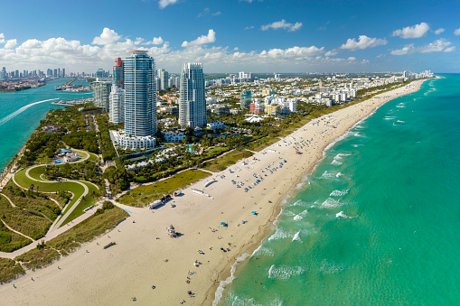
Miami South Beach

So you've made the big decision to move to Florida (smart choice!), but now you're stuck between two of the Sunshine State's most popular cities: Orlando and Miami. It's a classic Florida dilemma, and honestly, we get asked about this comparison all the time.

Here's the thing – both Orlando and Miami are incredible places to live, but they offer completely different lifestyles, career opportunities, and daily experiences. Choosing between them isn't about which city is "better" (because that's subjective), but rather which city aligns better with your priorities, lifestyle, and long-term goals.

Whether you're relocating for work, escaping cold winters, seeking better value for your money, or just craving that Florida lifestyle, this guide breaks down everything you need to know about Orlando vs Miami. Let's dive in and help you figure out which city should be your new home!

The Tale of Two Floridas: Orlando vs Miami at a Glance

Before we get into the nitty-gritty, let's set the scene. Orlando, located in Central Florida, is the undisputed theme park capital of the world and a rapidly growing tech and healthcare hub. With a metro population of about 2.7 million, it's spacious, family-oriented, and decidedly more suburban in feel.

Miami, anchoring South Florida, is an international coastal metropolis with a metro population exceeding 6 million. It's glamorous, multicultural, beach-focused, and has an unmistakable Latin American influence that permeates everything from food to music to business culture.

Think of it this way: Orlando is where families thrive and young professionals find opportunity, while Miami is where beach lovers, culture enthusiasts, and international professionals feel at home. Both have their magic – it's just different flavors of sunshine.

Cost of Living: Where Your Dollar Goes Further

Let's talk money, because that's often the deciding factor for many relocators. Orlando wins the affordability battle – and it's not even close. The median home price in Orlando hovers around $390,000, while Miami's median is pushing $560,000+ (and significantly higher in desirable neighborhoods like Coral Gables or Coconut Grove).

But it's not just housing. Across the board – dining, entertainment, insurance, and general cost of living – Orlando is about 15-20% cheaper than Miami. You can rent a nice two-bedroom apartment in a solid Orlando neighborhood for what a mediocre studio costs in South Beach.

That said, Miami does offer higher average salaries in certain industries, particularly finance, international trade, and luxury hospitality. So while things cost more, you might also earn more depending on your field. For families or those looking to maximize their purchasing power, Orlando's affordability is hard to beat. If you're curious about specific neighborhoods, check out our guide to the Best Places to Live in Orlando where you can find great value.

Quick Cost Breakdown:

  • Median Home Price: Orlando $390K | Miami $560K+
  • Average Rent (2BR): Orlando $1,800 | Miami $2,500+
  • Overall Cost of Living Index: Orlando 100 | Miami 120
  • State Income Tax: Neither city (Florida has no state income tax!)

Weather and Climate: Sunshine with Subtle Differences

You're moving to Florida for the weather, right? Both cities deliver sunshine in spades, but there are important differences. Miami enjoys a tropical climate with warm winters (rarely dropping below 65°F) and consistent ocean breezes that moderate the heat. Those ocean breezes are a game-changer during summer.

Orlando has a humid subtropical climate, meaning winters can actually get a bit chilly (yes, really – we're talking 40s and 50s on cold fronts), and summers are hot and humid without the coastal relief. However, Orlando experiences more weather variety, which some people actually prefer.

Miami's biggest advantage? You're always minutes from the beach. There's nothing quite like starting your day with an ocean swim or catching a sunset over Biscayne Bay. Orlando doesn't have oceanfront property, though you're only an hour from either coast. For more details on what to expect weather-wise in Central Florida, our Orlando Weather and Climate Guide breaks it all down.

Job Market and Career Opportunities

Both cities boast strong, diverse economies, but they excel in different sectors. Orlando's job market is booming in tourism and hospitality (obviously), but also in healthcare, tech (especially simulation, gaming, and defense contracting), and aerospace. Companies like Lockheed Martin, AdventHealth, and Electronic Arts have major presences here, and UCF's research park continues attracting tech companies.

Miami's economy is more internationally focused. It's the gateway to Latin America, making it ideal for careers in international trade, banking, cruise lines, and Latin American business operations. The finance sector is strong, healthcare is massive (think world-class medical centers), and the creative industries thrive here.

Orlando's job market is growing faster percentage-wise, while Miami offers higher salaries in specialized fields. If you work remotely, Orlando's lower cost of living means your paycheck stretches further. For a deeper dive into career opportunities, visit our Orlando Job Market and Economy guide.

Lifestyle and Culture: Urban Energy vs Family-Friendly Vibe

This is where things get really interesting. Miami pulses with international energy – it's cosmopolitan, fast-paced, and culturally rich. The nightlife is legendary, Art Basel brings global attention, and you'll hear as much Spanish as English in many neighborhoods. It's sophisticated, trendy, and undeniably glamorous.

Orlando has a more laid-back, family-oriented vibe. Yes, we have Walt Disney World and Universal Orlando, but locals often forget these exist (until visitors come to town). The real Orlando is suburban neighborhoods, excellent school districts, community events, and a growing arts and food scene that doesn't require VIP access or dress codes.

Miami is for people who want to see and be seen. Orlando is for people who want to settle down and build a life. Neither is wrong – they're just different priorities. Miami's beach culture is unmatched, while Orlando's family-friendly attractions and outdoor recreation options are incredible for raising kids.

Transportation and Getting Around

Let's be honest – you'll need a car in both cities, but traffic patterns differ significantly. Miami's traffic is notoriously bad, especially on I-95 and during rush hours. The city is working on expanding public transit (Metrorail, Metromover, Brightline to Orlando), but most residents still rely heavily on cars.

Orlando's traffic can be heavy on I-4, particularly near the theme park corridor and downtown, but it's generally more manageable. The metro area is more spread out, and commutes from suburbs are reasonable. Plus, tolls and parking are cheaper in Orlando. Both cities have international airports – Orlando International (MCO) and Miami International (MIA) – with excellent connectivity.

The Bottom Line: So Which City Should You Choose?

Choose Orlando if you:

  • Want more affordable housing and lower overall cost of living
  • Prioritize family-friendly communities and top-rated schools
  • Prefer a more suburban, spacious lifestyle
  • Work in tourism, tech, healthcare, or aerospace
  • Don't mind being an hour from the beach
  • Want room to grow (literally and financially)

Choose Miami if you:

  • Can't imagine life without ocean access
  • Thrive in diverse, international, fast-paced environments
  • Work in international business, finance, or cruise industries
  • Love nightlife, world-class dining, and cultural events
  • Value sophisticated urban living and beach culture
  • Are willing to pay premium prices for premium lifestyle

Here's our take: there's no wrong answer. Orlando offers incredible value, growth potential, and quality of life, especially for families and young professionals starting out. Miami offers unparalleled cultural richness, international flavor, and that undeniable beach lifestyle magic. Both are quintessentially Florida, just with different personalities.

The best approach? Visit both cities if you can. Spend time in different neighborhoods, talk to locals, imagine your daily routine. Where do you feel more at home? Where can you see yourself building your life for the next 5, 10, 20 years? That's your answer.


For more detailed information about Orlando, visit the official City of Orlando website. To learn more about Miami, check out Miami's official city website.


Ready to make Orlando your new home? Explore our comprehensive Moving to Orlando Complete Guide for everything you need to know about relocating to Central Florida. Have questions? Contact us for personalized relocation advice – we'd love to help you find your perfect Orlando neighborhood!

Posted in Relocation Guide
Dec. 28, 2025

Orlando vs Tampa: Which Florida City is Right for You?

Two great Florida cities, two totally different vibes – here's how to choose your perfect match

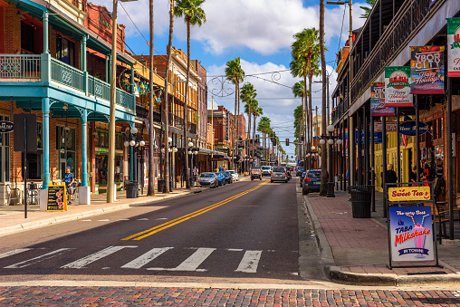
Orlando vs Tampa comparison

So you've decided Florida is calling your name – smart move! The Sunshine State has a lot to offer, from no state income tax to year-round warmth. But now comes the million-dollar question (literally, given real estate prices): Orlando or Tampa?

Here's the thing – these two Central Florida powerhouses are only about 85 miles apart, yet they couldn't be more different in personality. Orlando is the world's theme park capital with an inland, attractions-focused vibe. Tampa brings coastal culture, professional sports, and a more traditional city feel with actual beaches nearby. Both are booming with new residents, job opportunities, and development, but which one matches your lifestyle?

Let's break down everything from cost of living to weekend activities so you can make the right call for your move. Trust us – we've helped countless people navigate this exact decision, and while both cities are fantastic, one of them is probably a better fit for you.

The Tale of Two Cities: History and Vibe

Understanding where Orlando and Tampa came from helps explain why they feel so different today.

Tampa has deep historical roots as a port city, dating back to the 1800s when it became a center for cigar manufacturing and shipping. Ybor City, Tampa's historic Latin quarter, still echoes with this Cuban and Spanish influence. The city grew around its natural harbor, developing industries like shipping, fishing, and later defense. Today, Tampa feels like a "real" city – it has an urban core, waterfront dining, professional sports (hello, Buccaneers and Lightning!), and legitimate beach access via Clearwater and St. Pete beaches.

Orlando, on the other hand, was mostly citrus groves and sleepy neighborhoods until Walt Disney decided to build a little theme park in the swamps west of downtown in the 1970s. That decision transformed Orlando from a mid-size Southern town into an international destination. Today, Orlando's identity is inextricably linked to tourism, entertainment, and increasingly, technology and life sciences. The vibe is more suburban-sprawl meets international resort town, with pockets of serious urban development downtown and in master-planned communities.

What This Means for Your Wallet: Cost of Living Breakdown

Let's talk money – because your paycheck goes further in some places than others.

Housing Costs

Both cities are experiencing rapid growth and rising home prices, but Orlando generally has a slight edge in affordability. As of 2025, the median home price in Orlando hovers around $385,000, while Tampa's median sits closer to $410,000. However, these are metro-wide averages, and specific neighborhoods can vary wildly.

In Orlando, you'll find everything from affordable new construction in Apopka ($300,000s) to luxury waterfront estates in Windermere ($1M+). Tampa offers similar range – you can grab a starter home in suburbs like Brandon or Riverview for under $350,000, or drop $800,000+ for a South Tampa bungalow within walking distance of Hyde Park.

One advantage Tampa has: beach proximity. If you're willing to live in Clearwater, St. Petersburg, or other beach communities in the Tampa metro, you can actually have a waterfront lifestyle (though you'll pay for it). Orlando is landlocked – we've got lakes, but you're looking at an hour-plus drive to reach actual ocean beaches on either coast.

Taxes, Utilities, and Daily Expenses

Both cities benefit from Florida's lack of state income tax – a huge selling point if you're coming from New York, California, or other high-tax states. Property taxes are relatively similar, though Tampa's Hillsborough County has slightly higher millage rates than Orlando's Orange County in some areas.

Utility costs are comparable, though Tampa residents might see slightly lower air conditioning bills thanks to coastal breezes. (In Orlando, your AC will run from April through October – budget accordingly!)

Groceries and daily expenses? Pretty much a wash between the two cities. Both have the full range of stores – Publix, Whole Foods, Trader Joe's, Target, you name it.

Job Markets: Where You'll Actually Work

Both Orlando and Tampa have diverse, growing economies, but they excel in different industries.

Orlando's job market is famously dominated by tourism and hospitality – Disney, Universal, SeaWorld, and countless hotels employ tens of thousands of people. But here's what many people don't realize: Orlando has grown way beyond Mickey Mouse. The Lake Nona Medical City is becoming a national hub for life sciences and health innovation. Simulation and training technology companies (often defense-related) cluster around Orlando due to proximity to military bases. Tech companies are increasingly setting up shop here, and the University of Central Florida (one of the nation's largest universities) feeds a steady stream of educated workers into the market.

Check out our Orlando Job Market and Economy guide for more details on employment opportunities.

Tampa's job market is arguably more diverse from the start. Major employers include:

  • Financial services (Raymond James, JPMorgan Chase, Bank of America have major operations)
  • Healthcare (BayCare, Tampa General Hospital, Moffitt Cancer Center)
  • Defense contractors (MacDill Air Force Base drives a huge military-industrial sector)
  • Port and logistics (Port Tampa Bay is one of Florida's largest)
  • Insurance and professional services

Tampa also has a growing tech scene and startup culture, particularly in areas like Ybor City and downtown. Both cities are increasingly attracting remote workers who can live anywhere – and let's be honest, if you're working from home, why not do it in Florida?

Lifestyle and Things to Do

This is where the cities really diverge.

If You Choose Orlando...

You're choosing theme park proximity (whether you want it or not!). Living in Orlando means annual passes to Disney and Universal become a genuine lifestyle choice. Want to grab dinner at EPCOT on a random Tuesday? Done. Need to entertain visiting relatives? You've got world-class attractions in your backyard.

Beyond the parks, Orlando offers a surprisingly robust local scene. Winter Park brings art museums, Park Avenue shopping, and a charming historic downtown. Downtown Orlando has evolved into a legitimate urban center with professional sports (Orlando Magic, Orlando City Soccer Club), performing arts at the Dr. Phillips Center, and an active nightlife scene around Church Street and Wall Street.

Outdoors, Orlando leans more toward lakes and springs. You can paddleboard on Lake Baldwin, kayak on the Wekiva River, or explore nearby state parks. But let's be real – you're not choosing Orlando for pristine beaches. For more on outdoor activities, check out our Orlando Parks and Recreation guide.

If You Choose Tampa...

You're choosing a more traditional city lifestyle with a coastal twist. Tampa delivers genuine professional sports energy with the Buccaneers (NFL), Lightning (NHL), and Rays (MLB, technically in St. Pete). The Gasparilla Pirate Festival is a blast, and the city has a year-round festival culture.

The Tampa Bay area's biggest selling point is beach access. Clearwater Beach regularly ranks among America's best beaches. St. Petersburg (St. Pete) offers an incredible arts scene, waterfront parks, and a cool downtown vibe. You can legitimately make weekend beach trips a regular part of your life here.

Food-wise, Tampa brings serious game with Cuban sandwiches in Ybor City, fresh seafood everywhere, and an increasingly sophisticated restaurant scene. The city feels more culturally diverse and has deeper historic roots than Orlando.

Schools and Education

Both metro areas have excellent school options, but you'll need to be strategic about where you live.

In Orlando, top-rated public school districts include Winter Park, Lake Mary/Seminole County schools, and parts of Orange County like the Dr. Phillips area. The University of Central Florida (UCF) is a major research university and one of the largest in the nation. Valencia College provides excellent community college options.

Tampa's top public school zones include South Tampa, New Tampa, and parts of Hillsborough County. The University of South Florida (USF) is a major research institution, and the area has strong private school options.

For families with kids, this decision often comes down to finding the right neighborhood in either city rather than one city being definitively better. Check out our Orlando Schools Guide for comprehensive education information.

Weather: It's Hot Either Way (But There Are Differences)

Let's address the obvious: both cities are hot and humid in summer. We're talking mid-90s temperatures with humidity that makes it feel like you're breathing through a wet towel from June through September. Daily afternoon thunderstorms are the norm in summer months.

The difference? Tampa's coastal location provides some relief. Sea breezes can knock a few degrees off the temperature and make humidity slightly more bearable. Tampa also gets marginally less rainfall annually than Orlando.

Orlando, being inland, can feel more oppressive in summer – but winters are slightly milder and you're less exposed to tropical systems coming off the Gulf. Both cities are in hurricane zones, but Tampa's Gulf Coast location puts it at higher risk for direct hits.

Neither city gets "cold" by northern standards, but both can have brief cold snaps in January where temperatures dip into the 40s overnight. (This is when Floridians break out the winter coats, much to the amusement of Northern transplants.)

Traffic and Transportation

Neither city is going to win any awards for public transportation, but both are investing in improvements.

Orlando has SunRail (commuter rail) that connects downtown to suburbs like Winter Park, Lake Mary, and Sanford, but it's limited. Most people drive everywhere. I-4, the main highway connecting Orlando and Tampa (and running through downtown Orlando), is notorious for congestion and construction. Orlando also has an extensive toll road system with the 408, 417, and 429 expressways.

Tampa has similar car-dependency. The TECO Line streetcar serves downtown and Ybor City, but it's more of a novelty than serious transit. Traffic on I-275 through downtown Tampa can be brutal during rush hour, and the Courtney Campbell Causeway to Clearwater becomes a parking lot on summer weekends.

Bottom line: plan on owning a car in either city. Learn more about getting around in our Orlando Transportation Guide.

The Verdict: Making Your Decision

Here's our take after helping hundreds of families choose between these two great cities:

Choose Orlando if:

  • Theme parks and attractions genuinely excite you (or you have kids who would love this)
  • You work in hospitality, simulation/tech, or healthcare/life sciences
  • You prefer a more suburban, master-planned community lifestyle
  • You want slightly lower overall cost of living
  • You don't need regular beach access and prefer lakes/springs
  • You value a super-international, tourism-driven culture

Choose Tampa if:

  • Beach access and coastal lifestyle are non-negotiable priorities
  • You work in finance, defense, logistics, or port-related industries
  • You prefer a more traditional city feel with historic neighborhoods
  • Professional sports and year-round festivals are important to you
  • You want more cultural diversity and deeper Latin/Cuban influence
  • You value proximity to the Gulf Coast and islands like Anna Maria

The Bottom Line

Look, there's no wrong answer here. Both Orlando and Tampa are thriving Florida cities with strong job markets, great weather (mostly!), no state income tax, and endless things to do. The question isn't which city is "better" – it's which city fits your priorities.

If you're the type who wants to maximize beach weekends and doesn't care about Disney, Tampa's your answer. If you've got kids obsessed with theme parks or work in Orlando's booming medical/tech sectors, Orlando makes more sense. If you can't decide? You're only 85 miles apart – you can always drive over and experience what you're missing on weekends!

The beautiful thing about this part of Florida is that you truly can't make a bad choice. Both cities are booming, both offer sunshine and opportunity, and both have vibrant communities welcoming new residents every single day. The key is matching your lifestyle, career goals, and personal priorities to the right city.


For more information about both cities, you can explore the official City of Orlando and City of Tampa websites to learn about services, events, and relocation resources.

Ready to make Orlando your home? Browse our Orlando Neighborhoods Guide to explore communities that match your lifestyle, or check out our Moving to Orlando Complete Guide for everything you need to know about relocating to Central Florida. Have questions? We're here to help you find your perfect Florida home! 🌴

Posted in Relocation Guide
Dec. 28, 2025

Orlando Job Market and Economy Guide: Opportunities in Central Florida | Orlando Living

Beyond the theme parks: Why Orlando's diverse economy is attracting talent from across the country

Orlando Job Market & Economy Guide

Let's get something straight right away: Orlando is way more than Mickey Mouse and roller coasters. Sure, we're the theme park capital of the world (and proud of it!), but if you think that's all our economy has going on, you're missing about 90% of the story.

The Orlando metro area has quietly become one of the most dynamic economic regions in the country, with a job market that's as diverse as it is robust. From cutting-edge medical technology in Lake Nona's Medical City to aerospace innovation, from digital media startups to world-class hospitality management – Central Florida's economy is firing on all cylinders.

If you're considering relocating to Orlando for work (or just curious about what makes our local economy tick), buckle up. We're about to take you on a tour of one of America's most interesting and fastest-growing job markets.

From Orange Groves to Economic Powerhouse: A Brief History

Orlando's economic transformation is actually pretty remarkable. Just 50 years ago, this was primarily an agricultural region known for citrus and cattle. Then Walt Disney decided to build a little theme park in the swamps west of town, and, well, everything changed.

The opening of Walt Disney World in 1971 didn't just bring tourism – it brought infrastructure, investment, and most importantly, a business-friendly environment that attracted companies from around the world. The region's population exploded, and with it came the need for schools, hospitals, roads, and all the services that support a major metropolitan area.

Fast forward to today, and the Orlando metro is home to over 2.6 million people and more than 1.3 million jobs. We're the nation's 23rd largest metro area, and according to the Orlando Economic Partnership, the region has consistently outpaced national job growth for the past decade.

What Makes Orlando's Economy Special?

Diversity Is the Secret Sauce

Here's what sets Orlando apart from a lot of other Sun Belt metros: our economy isn't dependent on just one or two industries. We've got:

Tourism and Hospitality: Obviously. With more than 75 million visitors annually (yes, really), tourism generates over $75 billion in economic impact. But it's not just theme parks – we're talking convention centers, world-class restaurants, entertainment venues, and a hospitality industry that's incredibly sophisticated.

Simulation and Training Technology: This one surprises people, but Orlando is actually the global leader in modeling, simulation, and training technology. Organizations like Lockheed Martin and the Army's Program Executive Office for Simulation, Training, and Instrumentation are major employers here.

Healthcare and Life Sciences: Lake Nona's Medical City is one of the largest healthcare and life sciences clusters in the Southeast. We're talking the UCF College of Medicine, the VA Medical Center, Nemours Children's Hospital, and dozens of biotech and medical device companies all in one concentrated area.

Aerospace and Defense: With proximity to Cape Canaveral and a strong military presence, aerospace is huge here. Companies like Lockheed Martin, Northrop Grumman, and a growing number of commercial space ventures have significant operations in Central Florida.

Digital Media and Tech: Orlando has one of the fastest-growing tech scenes in the Southeast. From EA Sports (yes, the video game company has a massive campus here) to countless startups, the digital economy is booming. The presence of UCF – one of the nation's largest universities – provides a constant pipeline of tech talent.

No State Income Tax (This Is a Big Deal)

Florida has no state income tax, which means your paycheck goes further here than in states like California or New York. When you're comparing job offers, don't just look at the base salary – factor in that you'll keep more of what you earn. For many professionals, this can mean an effective 5-10% raise compared to high-tax states.

Lower Cost of Living (But It's Rising)

Let's be honest – Orlando isn't the bargain it used to be. Housing costs have increased significantly in recent years as more people discover Central Florida. That said, compared to other major metros with similar job opportunities (think Austin, Seattle, or Boston), Orlando still offers better value for money.

You can actually afford to buy a house on a middle-class salary here, which is increasingly rare in American cities. Check out our Best Places to Live in Orlando guide to explore neighborhoods across various price points.

Major Employers and Where the Jobs Are

So who's actually hiring in Orlando? The list of major employers might surprise you:

Walt Disney World remains the region's largest employer with over 75,000 cast members (that's what Disney calls employees). But they're not just hiring for theme park operations – Disney has corporate jobs in everything from IT to finance to engineering.

Universal Orlando Resort is expanding rapidly with the upcoming Epic Universe theme park and employs tens of thousands in hospitality, entertainment, and creative roles.

AdventHealth and Orlando Health are massive healthcare systems with opportunities ranging from clinical positions to administration, research, and healthcare IT. Our Orlando Health and Wellness guide covers the major medical centers.

Lockheed Martin has one of its largest facilities here, focusing on simulation, training, and missile systems.

UCF isn't just educating students – the university employs thousands and is a major driver of research and innovation in the region.

For young professionals, the tech scene in areas like Downtown Orlando and the UCF area is particularly vibrant, with a growing startup ecosystem and increasing presence of major tech companies opening satellite offices.

Industry Insights: Where to Focus Your Job Search

If you're moving to Orlando and wondering which industries offer the best opportunities, here's our take:

Healthcare: This is perhaps the safest bet for long-term career growth. With an aging population and continued expansion of medical facilities, healthcare jobs are projected to grow significantly. Plus, healthcare wages in Orlando are competitive with national averages.

Technology: Orlando's tech scene is still emerging compared to Silicon Valley or Austin, which means there's huge upside potential. The cost of living advantage allows tech companies to offer competitive packages while maintaining lower overhead.

Aerospace and Defense: If you have relevant experience or education, this sector offers excellent salaries and job stability. The concentration of aerospace companies creates a strong professional community and plenty of networking opportunities.

Hospitality Management: Don't overlook this one. While entry-level hospitality jobs may not pay as well, management positions at major resorts and convention facilities can be quite lucrative. Plus, many hospitality employers offer benefits like park passes and travel discounts.

Local Tips for Job Seekers

Here's some insider knowledge for navigating Orlando's job market:

Network at UCF events: Even if you're not a recent grad, UCF career fairs and networking events are open to the community and attract major employers.

Consider the commute carefully: Orlando is sprawling, and traffic on I-4 can be brutal. When evaluating job offers, factor in commute time. Living in Lake Mary but working in Lake Nona could mean 90+ minutes each way during rush hour.

Leverage the no-income-tax advantage in negotiations: When negotiating salary, remember that Florida's lack of state income tax is worth real money. Don't be afraid to point this out if a company is relocating you from a high-tax state.

Explore the startup scene: Orlando's entrepreneurial community is growing. Check out venues like Canvs, Catalyst, and various coworking spaces where you can network with founders and discover opportunities before they hit the job boards.

The Bottom Line

Orlando's job market is one of the region's best-kept secrets. While everyone knows about our theme parks, the real story is a diverse, growing economy with opportunities across multiple high-growth sectors. Whether you're a recent college grad, an experienced professional looking for a change, or someone ready to launch your own venture, Central Florida offers a compelling combination of career opportunities, quality of life, and financial advantages.

Yes, housing costs are rising and traffic can be challenging, but you're getting access to a major metro economy with the weather, lifestyle, and tax benefits that make Florida attractive. For many professionals, especially those relocating from high-cost, high-tax areas, Orlando represents an opportunity to significantly improve their financial position while maintaining or even advancing their career.

The Orlando economy isn't just surviving – it's thriving. And with continued investment in infrastructure, education, and innovation, the trajectory looks strong for years to come.

For comprehensive economic data and resources, visit the Orlando Economic Partnership, which provides detailed information about industries, incentives, and opportunities in the region.


Ready to make your move to Orlando? Whether you're relocating for a new job or searching for opportunities in Central Florida, our team can help you find the perfect neighborhood for your lifestyle and budget. Check out our Moving to Orlando Complete Guide or contact us for personalized relocation assistance!

Posted in Relocation Guide
Dec. 28, 2025

Orlando Weather Guide: What to Expect Year-Round | Florida Climate

Everything you need to know about Central Florida's weather before making the move

Orlando Weather and Climate

So you're thinking about moving to Orlando and wondering what the weather is really like? Smart question. While "sunny and warm" covers the basics, there's definitely more to Orlando's climate story than endless beach weather and theme park sunshine.

Here's the thing: Orlando weather isn't quite what most people expect. Yes, we get plenty of sunshine (about 233 sunny days per year according to the National Weather Service), but we also have distinct seasons, afternoon thunderstorms that could set your watch by, and yes, the occasional cold snap that has Floridians breaking out the winter coats while visitors laugh in shorts.

Whether you're relocating from snowy Chicago, temperate California, or humid Houston, understanding Orlando's climate will help you pack the right wardrobe, choose the best neighborhood, and know exactly what you're signing up for. Let's break down what Central Florida weather is actually like, month by month and season by season.

The Big Picture: Orlando's Humid Subtropical Climate

Orlando sits right in the middle of Florida's peninsula, about 50 miles from both coasts, which gives us what meteorologists call a "humid subtropical climate." Translation? Hot, humid summers and mild, pleasant winters with rainfall distributed throughout the year (though summer definitely wins the precipitation contest).

According to NOAA's National Centers for Environmental Information, Orlando's average annual temperature hovers around 73°F, with average highs of 92°F in summer and average lows of 49°F in winter. But averages don't tell the whole story, so let's dig deeper into what each season actually feels like.

Winter in Orlando (December - February): The "Secret Season"

Here's what surprises most newcomers: Orlando actually has winter. Not the icy, snow-blowing kind (we've had measurable snow exactly twice in recorded history — 1977 and 1989, both just flurries), but genuine cool weather that requires a jacket and maybe even a light sweater indoors.

Winter temperatures typically range from the mid-40s at night to the low-70s during the day. Some mornings you'll see frost on car windshields in areas like Winter Park and Lake Mary. December through February are Orlando's driest months, making this the perfect time to enjoy the city's amazing parks and outdoor spaces without battling humidity or afternoon thunderstorms.

What to expect:

  • Daytime highs: 65-75°F
  • Nighttime lows: 45-55°F
  • Occasional cold fronts dropping temps into the 30s
  • Low humidity and comfortable conditions
  • Minimal rainfall (about 2-3 inches per month)

Insider tip: Locals absolutely love winter. This is when we take full advantage of outdoor dining, hiking, and basically living outside. If you're visiting to scope out neighborhoods before moving, come in January or February to see Orlando at its absolute best.

Spring (March - May): The Goldilocks Season

Spring in Orlando is just right — not too hot, not too cold, and not yet drowning in humidity. March starts off cool and gradually warms up through May, which can feel decidedly summer-like by the end of the month. This is prime time for festivals, outdoor events, and exploring everything Central Florida has to offer.

Rainfall starts picking up in late April and May as we transition toward summer storm patterns. You'll notice the humidity creeping up too, especially by late May when it can feel downright sticky even at 8 a.m.

What to expect:

  • Daytime highs: 75-88°F (increasing through the season)
  • Nighttime lows: 55-68°F
  • Increasing humidity as summer approaches
  • Occasional afternoon showers in late spring
  • Beautiful weather for exploring neighborhoods like Baldwin Park or Winter Garden

Summer (June - September): Hot, Humid, and Stormy

Let's be real — Orlando summers are intense. This is when that "Sunshine State" nickname gets tested, because while we do get sun, we also get daily thunderstorms, oppressive humidity, and heat that makes you wonder why humans ever settled in Florida before air conditioning was invented.

Summer temperatures regularly hit the low-to-mid 90s, but the humidity makes it feel like 100°F or higher. The good news? Those daily afternoon thunderstorms (usually between 2-5 p.m.) cool things down temporarily and create the most spectacular lightning shows you'll ever see. Our summer living guide has great tips for making the most of the season.

What to expect:

  • Daytime highs: 90-95°F
  • Nighttime lows: 72-76°F
  • Heat index regularly 100°F+
  • High humidity (often 70-90%)
  • Daily afternoon thunderstorms
  • About 7 inches of rain per month (June-September)
  • Hurricane season (June 1 - November 30)

Summer survival tips: Schedule outdoor activities for early morning or evening. Always carry an umbrella in your car. Embrace the AC and indoor attractions. And yes, you'll run your air conditioning pretty much 24/7 from June through September — factor this into your utility budget when house hunting.

Fall (October - November): The Second Spring

Fall in Orlando feels like getting a second chance at spring. October still has some summer heat hanging on, but by November, we're back to that perfect weather that makes you remember why you moved to Florida in the first place. Humidity drops, afternoon storms become less frequent, and you can actually enjoy being outside past 9 a.m. again.

November is one of the absolute best months weather-wise in Orlando. Locals are back outside, restaurant patios fill up, and there's a collective sigh of relief that we survived another summer.

What to expect:

  • Daytime highs: 80-88°F
  • Nighttime lows: 60-70°F
  • Decreasing humidity
  • Fewer afternoon storms
  • Comfortable conditions for outdoor activities

The Hurricane Question

Now let's address what you're really wondering about: hurricanes. Yes, Orlando is in Florida, and yes, we're part of hurricane season. However — and this is important — Orlando's inland location (about 50 miles from either coast) means we typically don't face the devastating direct hits that coastal cities can experience.

What we do get are tropical storms, heavy rain, and strong winds from hurricanes that hit the coast. Power outages can happen, and you'll want to be prepared, but Orlando rarely experiences catastrophic hurricane damage. Our comprehensive hurricane preparedness guide covers everything you need to know about staying safe and ready.

Most Orlando residents view hurricane season as something to be aware of and prepared for, but not something that dominates daily life. It's similar to tornado season in the Midwest or earthquake awareness in California — you prepare, stay informed, and carry on with life.

What This Means for Your Daily Life

Understanding Orlando weather helps you make better decisions about everything from which neighborhoods to consider to what kind of lifestyle you'll enjoy. Here are some practical considerations:

For outdoor enthusiasts: You'll love winter through spring for hiking, biking, and exploring. Summer outdoor activities work best early morning or evening. Communities with pools and covered patios (basically all of them) make summer much more enjoyable.

For families: Year-round outdoor play is possible, but summer means embracing indoor activities during peak afternoon hours. Neighborhoods with community pools like Avalon Park or Lake Nona become essential gathering spots.

For retirees: Orlando's mild winters attract snowbirds for a reason. You can golf year-round, though summer rounds require early tee times. Communities designed for active adults typically have excellent covered amenities for hot months.

Utility costs: Expect AC costs to be significant from May through September. Good insulation and energy-efficient HVAC systems aren't luxuries — they're necessities. When home shopping, ask about recent electric bills and check HVAC age and efficiency ratings.

The Bottom Line

Orlando weather isn't perfect year-round (despite what the tourism brochures might suggest), but it offers something many other climates can't: genuinely pleasant winters, abundant sunshine, and the ability to enjoy outdoor activities nearly every day of the year if you time it right.

Yes, summer is hot and humid. Yes, afternoon thunderstorms are a daily occurrence for several months. And yes, you'll need to be hurricane-aware during storm season. But in exchange, you get to skip shoveling snow, dealing with months of gray skies, and you can wear flip-flops and shorts approximately 10 months out of the year.

For most people who relocate to Orlando, the weather becomes one of their favorite things about Central Florida living. The key is understanding what you're getting into and planning accordingly. Visit in both summer and winter if possible to experience the full range of what Orlando's climate offers.

For detailed weather forecasts, historical climate data, and current conditions, visit the National Weather Service Melbourne office, which covers the Orlando area, or check Climate.gov for comprehensive climate information.


Ready to experience Orlando's year-round sunshine for yourself? Explore our Orlando neighborhood guides to find your perfect Central Florida home, or check out our complete moving to Orlando guide for everything you need to know about relocating to the Sunshine State!

Dec. 28, 2025

Moving to Orlando Complete Guide | Everything You Need to Know

Your comprehensive roadmap to making Central Florida your new home in 2025

Moving to Orlando Guide

So you're thinking about moving to Orlando? Join the club! Central Florida has become one of the hottest relocation destinations in the country, and it's not just because of the theme parks (though that doesn't hurt). Every year, thousands of people from across the United States and around the world choose to call Orlando home, drawn by the combination of economic opportunity, year-round sunshine, no state income tax, and a quality of life that's hard to beat.

But here's the thing about moving to Orlando – it's not just one massive tourist attraction. The metro area is actually a diverse, sprawling region with distinct neighborhoods, each with its own personality and perks. Whether you're relocating for a job at UCF, retiring to sunny Florida, or just ready for a fresh start in a dynamic city, this guide will help you navigate everything you need to know before making the move.

Let's dive into what makes Orlando such a compelling place to live, what you need to know about the cost of living, where to settle down, and all the practical details that'll make your transition smoother than a freshly paved Florida highway.

Why People Are Moving to Orlando in Droves

The Orlando metro area has been experiencing explosive population growth for years, and the momentum isn't slowing down. Here's what's driving the migration:

  • No State Income Tax: Florida doesn't tax personal income, which means more money in your pocket. For high earners, this can translate to significant annual savings.
  • Booming Job Market: Beyond tourism and hospitality, Orlando has thriving tech, healthcare, aerospace, and simulation/training industries. Check out our Orlando Job Market and Economy guide for the full scoop.
  • Affordable Housing (Relatively): Compared to major metros like New York, San Francisco, or even Miami, Orlando offers more bang for your housing buck – though prices have been rising.
  • Weather: Let's be honest, 300+ days of sunshine is a major draw. Yes, it gets hot and humid in summer, but for many relocators, that beats snow and ice. Read more in our Orlando Weather and Climate Guide.
  • World-Class Amenities: From theme parks to professional sports, fine dining to cultural institutions, Orlando punches above its weight for a metro of its size.

A Quick History: From Cattle Town to Theme Park Capital

Orlando wasn't always the gleaming metropolis you see today. The city was incorporated in 1875 and spent its early decades as a modest citrus and cattle town. The big transformation began in 1971 when Walt Disney World opened its gates, fundamentally changing Orlando's trajectory forever.

What followed was unprecedented growth. Universal Orlando arrived in 1990, SeaWorld expanded, and suddenly Orlando wasn't just a city with theme parks – it became a global destination. But here's what many people don't realize: the modern Orlando economy has diversified far beyond tourism. Today, it's home to major healthcare systems, one of the nation's largest universities (UCF), cutting-edge simulation and training companies, and a growing tech sector that's earned the nickname "Orlando Tech."

What to Expect: Cost of Living Breakdown

Let's talk numbers. Orlando's cost of living sits slightly below the national average overall, but there's nuance to consider:

Housing Costs

The median home price in the Orlando metro area hovers around $400,000 as of late 2025, though this varies significantly by neighborhood. Rent for a two-bedroom apartment typically ranges from $1,600 to $2,500 depending on location and amenities. Areas like Winter Park and Lake Nona command premium prices, while neighborhoods like Apopka and Kissimmee offer more affordable options.

Other Living Expenses

  • Utilities: Expect higher electricity bills due to air conditioning running most of the year – budget around $150-250/month
  • Transportation: Gas prices are typically lower than the national average, but Orlando is car-dependent
  • Groceries: Slightly below national average
  • Healthcare: On par with national averages, with excellent facilities available

Where to Live: Finding Your Perfect Orlando Neighborhood

Here's where moving to Orlando gets interesting – the metro area is massive and incredibly diverse. Your ideal neighborhood depends on your priorities, budget, and lifestyle. Here's a quick breakdown:

For Families with School-Age Kids

Focus on areas with top-rated schools like Oviedo, Lake Mary, and Winter Park. These communities offer excellent public schools, family-friendly amenities, and safe neighborhoods. Check out our Orlando Schools Guide for detailed information.

For Young Professionals

Downtown Orlando, Baldwin Park, and Winter Garden offer walkable urban living with restaurants, nightlife, and shorter commutes to city center jobs.

For Retirees and Active Adults

Consider master-planned communities in Clermont, Mount Dora, or the numerous 55+ communities throughout the metro area. Our Orlando for Retirees guide has all the details.

For Budget-Conscious Movers

Look at growing areas like Apopka, Sanford, and Kissimmee where you'll get more house for your money while still accessing Orlando's amenities.

For a comprehensive look at all your options, browse our Best Places to Live in Orlando guide.

Getting Around: Transportation Reality Check

Let's be real – Orlando is a car city. While there are public transit options like SunRail (commuter rail) and Lynx (bus system), most residents rely on personal vehicles for daily life. The good news? Parking is plentiful and gas is relatively affordable. The bad news? Traffic on Interstate 4 can be challenging, especially during rush hour.

The area is served by two airports – Orlando International Airport (MCO), one of the busiest in the nation, and Orlando Sanford International Airport (SFB) to the north. Additionally, Brightline high-speed rail now connects Orlando to South Florida, making Miami just a few hours away by train.

The Weather: What You're Really In For

Yes, Orlando has beautiful weather much of the year. But let's set realistic expectations:

  • Summer (June-September): Hot, humid, and rainy. Afternoon thunderstorms are nearly daily. Temperatures regularly hit 90-95°F with high humidity.
  • Fall (October-November): Absolutely perfect. Warm days, cool evenings, lower humidity.
  • Winter (December-February): Mild and pleasant, though occasional cold fronts can bring temperatures into the 40s. No snow, but you'll want a light jacket.
  • Spring (March-May): Beautiful, though humidity starts ramping up by late May.

Hurricane season (June-November) is real, but direct hits to Orlando are rare due to our inland location. Still, it's wise to have a hurricane preparedness plan.

The Orlando Lifestyle: What Makes It Special

Beyond the obvious theme park access (yes, annual passes are a thing, and yes, locals actually use them), Orlando offers a surprisingly rich lifestyle:

  • Arts & Culture: The Dr. Phillips Center hosts Broadway shows, the Orlando Museum of Art showcases world-class exhibitions, and the Orlando Fringe Festival is one of the nation's largest.
  • Sports: Root for the NBA's Orlando Magic, MLS's Orlando City Soccer Club, NWSL's Orlando Pride, and the UCF Knights.
  • Dining Scene: Orlando's restaurant scene has exploded in recent years. From upscale dining to diverse international cuisines, there's something for every palate.
  • Outdoor Recreation: Hundreds of parks, trails, and lakes offer kayaking, hiking, biking, and more. The nearby Atlantic coast and Gulf beaches are both about an hour away.

Practical Moving Tips: Making Your Transition Smooth

Ready to make the move? Here's what you need to know:

Before You Move

  • Visit First: Spend time exploring different neighborhoods beyond the tourist areas
  • Research Utilities: Check out our Orlando Utilities and Services guide to understand providers in different areas
  • Consider Timing: Moving during summer means heat and higher humidity, but potentially better housing inventory
  • Plan for No Basements: Florida homes typically don't have basements due to the high water table – factor this into your storage plans

After You Arrive

  • Update your driver's license within 30 days (Florida DMV)
  • Register your vehicle and get Florida plates
  • Register to vote if desired
  • Find a new doctor, dentist, and other healthcare providers
  • Explore your new neighborhood – find your favorite coffee shop, grocery store, and local hangouts

The Honest Pros and Cons

Pros of Moving to Orlando:

  • No state income tax
  • Year-round warm weather
  • Growing job market across multiple industries
  • Excellent amenities and entertainment options
  • Relatively affordable compared to other major metros
  • Easy access to beaches, springs, and natural attractions
  • Diverse, international community

Cons to Consider:

  • Hot, humid summers
  • Hurricane season requires preparedness
  • Traffic can be challenging, especially on I-4
  • Car-dependent lifestyle in most areas
  • Tourist crowds in certain areas
  • High property insurance costs
  • Summer afternoon thunderstorms are intense

The Bottom Line

Moving to Orlando offers an incredible opportunity to enjoy Florida living without the sky-high prices of coastal cities. You're getting a dynamic, growing metro area with legitimate career opportunities, excellent amenities, and that Florida sunshine everyone's always talking about. Yes, it has challenges – the summer heat is real, traffic can test your patience, and you'll need to embrace hurricane preparedness – but for many people, the trade-offs are absolutely worth it.

The key to a successful move is doing your homework. Spend time researching neighborhoods, visit in different seasons if possible, and connect with locals to get the real scoop. Orlando has something for everyone, whether you're a young professional chasing career opportunities, a family seeking great schools and a safe community, or a retiree ready to enjoy the Florida lifestyle.

One final piece of advice? Don't try to see or do everything at once. Orlando is huge, and getting to know it takes time. Give yourself permission to explore gradually, make mistakes, and discover your own favorite spots. Before you know it, you'll be the one giving relocation advice to the next wave of Orlando newcomers! 🌴


For comprehensive information about living in Central Florida and official city resources, visit the City of Orlando website and the Visit Orlando tourism bureau.

Ready to start your Orlando house hunt? Browse our Orlando Neighborhoods Guide to explore homes for sale across the metro area, or contact our local experts for personalized relocation assistance. We know Orlando inside and out, and we're here to help you find your perfect Central Florida home!

Posted in Relocation Guide