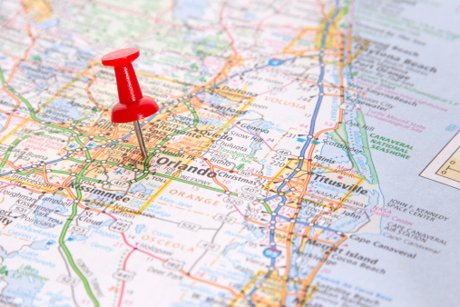
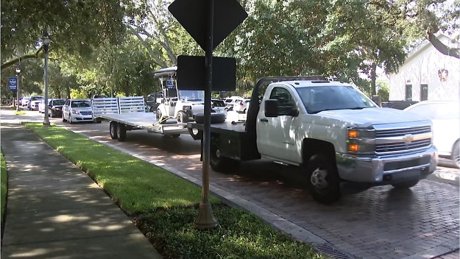
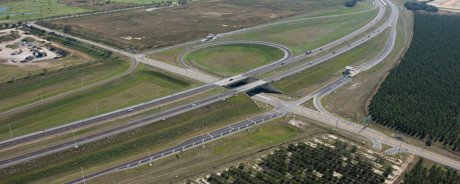
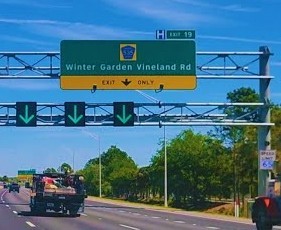
The Neighborhood Blog

The Neighborhood Blog features a variety of community, attraction and development update information for communities throughout the Orlando Metro and Central Florida Region.

May 3, 2026

Winter Garden Heritage Museum: Citrus, Railroads, and the Story of West Orange County

Winter Garden Heritage Museum: Citrus, Railroads, and the Story of West Orange County

A free downtown museum where Orange Belt Railway crates, Lake Apopka fishing trophies, and a town's juicy past all live under one roof

The Winter Garden Heritage Museum in Downtown Winter Garden FL

The Winter Garden Heritage Museum is a free local-history museum at 1 N Main Street in downtown Winter Garden, FL 34787, housed inside a historic Atlantic Coast Line Railroad depot. Operated by the Winter Garden Heritage Foundation (founded 1998), the museum tells the story of West Orange County through exhibits on the citrus industry, the Orange Belt Railway, Lake Apopka, and Native American history. The museum is open Tuesday through Saturday from 11 a.m. to 3 p.m. and sits one block north of Plant Street and the West Orange Trail. It is one of three Heritage Foundation properties in downtown Winter Garden, alongside the Central Florida Railroad Museum at 101 S Boyd Street and the Healthy West Orange Heritage and Cultural Center at 21 E Plant Street.

Most people who visit downtown Winter Garden come for the brewery scene, the Saturday farmers market, and a long, lazy ride on the West Orange Trail. Almost nobody plans their day around a small free museum tucked into an old train depot one block off Plant Street — and that's a mistake. The Winter Garden Heritage Museum is the kind of place that explains why the rest of downtown looks the way it does.

What the Museum Actually Is

The Heritage Museum sits at 1 North Main Street, on the corner of Plant Street, in Winter Garden's National Register Historic District. The building is part of the exhibit: a former Atlantic Coast Line Railroad depot from the early 1900s that once handled the citrus and produce moving out of West Orange County by rail.

The collection is run by the Winter Garden Heritage Foundation, a nonprofit founded in 1998 that also operates the Central Florida Railroad Museum two blocks south and the Healthy West Orange Heritage and Cultural Center next door at 21 E Plant Street — together, a small downtown campus dedicated to West Orange County's past.

The Citrus Story (And Why It Still Matters Here)

One full room of the museum is dedicated to citrus, and it earns the space. A sign inside notes that, at one point, Winter Garden shipped more vegetables and citrus than any other town in the United States. That's not a typo. Before Disney, before SR 429, before Horizon West existed as a master plan, this stretch of West Orange County was a national-scale agricultural shipping hub — and the railroad depot you're standing in was one of the reasons.

The exhibit walks you through it with orange crate labels, a picker's bag and ladder, packing-house photos, and a recorded oral history. There's also a corner devoted to Hoyle Pounds, who moved his Case tractor dealership to Winter Garden in 1926 and is credited with inventing a rubber tractor tire that replaced spiked metal wheels.

If you're house hunting in Horizon West, Ocoee, or Windermere, this room is worth slowing down for. The orange groves that once covered the rolling sand hills west of Orlando are why those subdivisions exist today — they were the land that got sold and replatted.

Lake Apopka, Trains, and the Native American Wing

The other half of the museum covers everything that wasn't citrus. There's a substantial Lake Apopka exhibit — mounted trophy bass from when the lake was widely called the largemouth bass capital of the world, plus a more sobering archive on decades of agricultural pollution and the long restoration effort. For anyone considering the lake's south shore, or planning a visit to the Lake Apopka Wildlife Drive, this is useful context.

A separate display covers the Timucua people who lived along Lake Apopka long before settlers arrived: pottery fragments, deer-bone tools, trade beads, and arrowheads. There's also a wall of local government and school history, including yearbooks from old Lakeview High School and a profile of Mildred Dixon, the first African American to serve on the Winter Garden city commission.

The Building Is the Story

When the Orange Belt Railway pushed through Central Florida in 1886, the soil on the south shore of Lake Apopka — paired with mild winters and a way to ship crates north — turned a quiet stretch of pine and scrub into prime farmland. Settlers built the first depot in 1893 and named the stop "Winter Garden" for the year-round growing season; the town was officially established in 1903. Every artifact in the building was, at some point, on a train that left from very close to where you're standing.

Pair It with the Central Florida Railroad Museum

If you have an hour, do the Heritage Museum. If you have two, walk two blocks south to 101 S Boyd Street and add the Central Florida Railroad Museum, housed in the 1913 Tavares & Gulf Railroad depot. Inside: route maps, depot photographs, salvaged station signs, and a notable collection of railroad china and crystal. Outside the main Heritage Foundation building you'll see a yellow caboose from the late 1940s, plus tractors and equipment kids can climb on.

Pair the visit with a beer at Crooked Can Brewery in the Plant Street Market, or extend the day with a few miles on the West Orange Trail, which runs right past the front door along the former Orange Belt Railway right-of-way.

Visitor Info: Hours, Cost, and How to Get There

Here is the practical stuff you actually need:

  • Address: 1 N Main Street, Winter Garden, FL 34787
  • Hours: Tuesday – Saturday, 11 a.m. – 3 p.m. (closed Sunday and Monday)
  • Admission: Free (donations and Heritage Foundation memberships welcomed)
  • Phone: 407-656-3244
  • Parking: Free public lots and on-street parking throughout downtown — easiest access is from Plant Street or Main Street
  • Approximate drive times: 5 minutes from Ocoee, 10–15 minutes from Horizon West and Gotha, 15–20 minutes from Windermere, and 25–30 minutes from Downtown Orlando via SR 408 and SR 429

Verify hours before you go — small museums adjust around holidays and private events. The Heritage Foundation also offers walking and biking tours of the historic district by appointment.

Why This Matters If You're House Hunting

Real estate listings in West Orange County lean heavily on "small-town charm" and "historic downtown." In Winter Garden those phrases are load-bearing — Plant Street is on the National Register of Historic Places, and the Heritage Foundation has been the organized voice behind preservation since 1998. Towns that fund and visit a free local-history museum tend to be the same ones with walkable downtowns and active civic life.

The Locals' Honest Take

The Pros

  • It's free, central, and small enough to absorb in 45–60 minutes
  • Anchors a full day in Downtown Winter Garden — pair with the trail, the farmers market, and Plant Street dining
  • Genuinely educational for kids without being a "kids' museum"
  • Real artifacts and oral histories, not just plaques

The Cons

  • Limited hours: Tuesday – Saturday, 11–3, which doesn't work for everyone's schedule
  • Small footprint — if you're expecting Smithsonian scale, recalibrate
  • Parking downtown can be tight on Saturday mornings during the farmers market

What the Locals Know

The Heritage Museum is the rare downtown attraction that's better the second time you visit. The first trip is the orientation pass — citrus, railroad, Lake Apopka, done. The second is when you start reading the small print on the crate labels, recognizing family names from your kid's school, and connecting the photos on the wall to street names you drive past every day. If you're seriously evaluating West Orange County for a relocation, this is one of the cheapest, most useful 90 minutes you can spend.

For current hours, exhibit information, walking tour schedules, and Heritage Foundation membership details, visit Winter Garden Heritage Foundation.


Thinking about making West Orange County your next home? Explore Orange County homes for sale, browse our Ocoee community guide, or contact David Myers for personalized relocation advice.

May 3, 2026

Central Florida Railroad Museum: Inside the 1913 Tavares and Gulf Depot on Boyd Street

Central Florida Railroad Museum: Inside the 1913 Tavares & Gulf Depot on Boyd Street

A free, hour-long detour into Winter Garden's railroad past — housed in the depot that started it all

The Central Florida Railroad Museum in Downtown Winter Garden

The Central Florida Railroad Museum is located at 101 South Boyd Street in Winter Garden, FL, housed in the 1913 Tavares and Gulf Railroad Depot. The museum opened in 1983 and is operated through a cooperative agreement between the City of Winter Garden, the Winter Garden Heritage Foundation, and the Central Florida Railway Historical Society. Admission is free. The museum is open Tuesday-Friday 11:00 AM to 3:00 PM and Saturday 10:00 AM to 3:00 PM, closed Sunday, Monday, and major holidays. The collection includes one of the largest public displays of railroad dining car china in the Southeast, a 1938 Fairmont motor car, a velocipede hand car, and a Clinchfield Railroad caboose.

Most people who walk through historic downtown Winter Garden never make it one block south of Plant Street. They grab a beer at Crooked Can, browse the Saturday farmers market, and head home. But one block south on the corner of Boyd and Joiner sits a small white building older than every restaurant on the block put together — the Central Florida Railroad Museum, housed in the 1913 Tavares & Gulf Depot. Free to enter, volunteer-run, and easy to miss if you're not looking for it. Here's why it's worth the detour.

The Building Itself Is the Main Exhibit

The Tavares & Gulf Railroad Depot was built in 1913 to serve the T&G line — locals nicknamed it the "Tug & Grunt" for its slow, rough run from Tavares down through the cypress and citrus country of West Orange County. Passengers bought tickets here. Crates of citrus that built Central Florida's early economy moved out through this exact building.

That history changes how you experience the museum. You're not in a purpose-built exhibit hall — you're standing in the actual room where Winter Garden's railroad business happened for decades. The depot is part of the Winter Garden Downtown Historic District, listed on the National Register of Historic Places.

What's Actually Inside

The collection is small but unusually focused. The headline piece is the dining car china and silver service display — one of the largest public collections of its kind in the Southeast. Actual tableware from America's historic passenger trains, the kind of thing you'd see if you'd booked a Pullman car in 1940.

Beyond the china, the museum's collection includes:

  • A 1938 Fairmont motor car (a small inspection vehicle that ran the rails)
  • A velocipede hand car (the three-wheeled, hand-pumped contraption from old movies)
  • A Clinchfield Railroad caboose on outdoor display
  • An extensive lantern, telegraph, and signal collection
  • Historical photographs, timetables, uniforms, and station signage
  • Rotating exhibits — recent ones include "Railroad Depots of Central Florida" and a 250-year history of American railroads

Plan on roughly 45 minutes to an hour for a full visit — longer if you're a railroad buff or you've got curious kids.

Why Should Orlando Residents Care About a Small Train Museum?

It's One of the Few Truly Free Things to Do in Central Florida

"Free admission" carries weight in a region where a single day at a theme park can run a family of four north of $500. The museum costs nothing to enter, and the gift shop is the only place you'd spend a dollar — and only if you want to. For families looking for low-cost weekend activities, or out-of-town guests who've already done Disney, this is a legitimate option.

It Anchors the Less-Traveled Side of Downtown Winter Garden

Most visitors stick to Plant Street. The museum sits one block south on Boyd, exactly far enough off the main drag to change the rhythm of a downtown visit. Park near the museum, walk through the exhibits, then loop up to Downtown Winter Garden for lunch or a stop at Crooked Can Brewery. It turns a one-stop trip into a half-day plan.

The Railroad Story Is the Winter Garden Story

If you're new to West Orange County, the railroad history isn't trivia — it's the explanation for why Winter Garden, Ocoee, and the surrounding citrus belt developed where they did. The T&G and the Atlantic Coast Line shaped settlement patterns, agriculture, and ultimately the road network residents drive today.

The West Orange Trail Connection

Here's the part that ties everything together: the West Orange Trail, the 22-mile paved path that runs through Winter Garden, follows the former route of the Orange Belt Railway. The whole trail is a former rail corridor. So if you've biked from Killarney through Winter Garden over to Apopka, you've been riding the bones of a 19th-century railroad.

That makes the museum a natural pairing with a trail visit. Walk through the museum for the rail context, then walk or bike a stretch of trail and you're literally retracing the history you just looked at.

Visiting: Hours, Parking, and What to Know

Address: 101 S. Boyd Street, Winter Garden, FL 34787 (southeast corner of Boyd and Joiner)

Hours: Tuesday-Friday 11:00 AM - 3:00 PM, Saturday 10:00 AM - 3:00 PM. Closed Sunday, Monday, and major holidays. Call (407) 656-0559 to confirm before driving over.

Admission: Free. Donations are welcomed and genuinely help — this is a volunteer-run nonprofit.

Parking: Street parking on Boyd, plus the public lots that serve historic downtown. Saturdays during farmers market hours, park a few blocks out and walk in.

Accessibility: The depot is a historic structure — compact, single-level, and manageable for most visitors, but those with mobility needs may want to call ahead.

How It Fits Into West Orange County's Heritage Story

The Railroad Museum doesn't exist in isolation. The Withers-Maguire House in Ocoee (built 1888, also on the National Register) and Gotha's German freethinker history both pair well with a Railroad Museum visit if you're building a heritage day in West Orange County.

For broader context, our Winter Garden arts and culture guide covers the city's full slate of cultural assets, and our Ocoee arts and culture guide covers the heritage sites just to the north.

The Real Estate Angle (Briefly)

If you're considering a move to West Orange County and you care about walkable, character-driven neighborhoods, the historic core of Winter Garden is one of the few in metro Orlando that actually delivers. The depot, the West Orange Trail, the brick streets, and a downtown that hasn't been demolished and rebuilt — those things are increasingly rare in Central Florida, and they show up in property values.

For nearby options, our Horizon West and Gotha guides cover adjacent communities with their own distinct characters.

What the Locals Know

The Central Florida Railroad Museum isn't going to compete with Disney, ICON Park, or the Kennedy Space Center. It doesn't try. What it offers instead is something Central Florida has surprisingly little of: a small, free, authentic, volunteer-run institution that takes 45 minutes of your time and gives you back a deeper understanding of why this place looks the way it does.

Locals tend to discover it the same way — walking around downtown, noticing the small white building, ducking inside. An hour later they walk out knowing more about Central Florida than when they walked in. That's a pretty good return on a Saturday morning. 🚂

For current hours, exhibit schedules, membership information, and event details, visit the official Central Florida Railroad Museum website, operated by the Central Florida Railway Historical Society. The museum is also referenced in resources from the Winter Garden Heritage Foundation and is listed in the National Register of Historic Places records for the Winter Garden Downtown Historic District.


Looking for a home base near downtown Winter Garden, the West Orange Trail, and West Orange County's heritage sites? Browse our Horizon West homes for sale, Ocoee homes for sale, and Gotha homes for sale guides — or contact us for personalized West Orange County relocation advice.

May 3, 2026

Garden Theatre: Downtown Winter Garden's Restored 1935 Performing Arts Venue

Garden Theatre: Downtown Winter Garden's Restored 1935 Performing Arts Venue

A 90-year-old Mediterranean Revival jewel, a sudden 2024 closure, and a fresh 2026 relaunch — here's where Winter Garden's most important small venue actually stands today

The Garden Theater in Downtown Winter Garden FL

The Garden Theatre is a 299-seat Mediterranean Revival performing arts venue at 160 West Plant Street in Downtown Winter Garden, FL. Originally opened in December 1935 as the first Central Florida cinema built for sound films, it closed in 1963 and was restored by the Winter Garden Heritage Foundation, reopening in February 2008. The resident theatre company closed in October 2024 due to financial issues, after which the City of Winter Garden purchased the building and rebranded it as Garden Theatre on Plant. On April 23, 2026, the Winter Garden City Commission unanimously approved a two-year partnership with Winter Park-based DNA Event Creative to relaunch full programming — plays, musicals, concerts, comedies, films, and summer camps — starting summer 2026.

Depending on when you last heard about it, the Garden Theatre might mean three different things: the beloved professional theater that ran 16 years on Plant Street, the shuttered building everyone worried might be lost, or the city-run cinema showing holiday classics last December. All true — and as of late April 2026, there's a new chapter starting. If you're considering a move to Winter Garden or nearby West Orange County communities, this is the venue you'll hear about.

What the Garden Theatre Actually Is

The Garden Theatre is a 299-seat performing arts venue in a restored 1935 Mediterranean Revival cinema at 160 West Plant Street, in the heart of historic Downtown Winter Garden. The interior is modeled after a Spanish courtyard — Romeo and Juliet balconies, Spanish tile detailing, a dark blue ceiling sprinkled with stars, and a retro marquee out front that demands a photo. The official rebrand under city management is "Garden Theatre on Plant," though most locals still just call it the Garden Theatre.

From 1935 Talkie House to 2008 Cultural Anchor

The Garden Theatre opened in December 1935 as a single-screen cinema, and the Orlando Evening Star declared it the first theater in Central Florida built specifically for sound films. It ran as a movie house until 1963, when television killed off small-town cinemas, and the building was gutted and used as a farm supply warehouse for nearly 40 years.

In 2002 the City of Winter Garden bought the building and handed restoration to the Winter Garden Heritage Foundation. After more than $2.4 million in fundraising, the Garden Theatre reopened on February 1, 2008 as a 299-seat performing arts venue, running professional theater, music, dance, films, and summer camps — averaging over 200 events a season at its peak.

The 2024 Closure (And Why It Matters)

In October 2024 the Garden Theatre's resident theatre company abruptly closed due to financial duress — a 16-year run ended. The City of Winter Garden, which owns the building, stepped in and reopened with temporary holiday programming by December 2024. Through 2025 it operated as a city-run classic-film venue: family films during the day, classics in the evening, plus events like "Holiday Flix at the Garden" during the December festival season. Cashless tickets, online-only, no on-site box office. Meanwhile, the city engaged a performing arts consultant, drafted a business plan, and issued a Request for Qualifications for a long-term presenting partner.

The April 2026 Relaunch

On April 23, 2026, the Winter Garden City Commission unanimously approved a two-year presenting partnership (running through April 22, 2028) with Winter Park-based DNA Event Creative, an event production company with more than 20 years of experience. DNA will manage a season of plays, musicals, concerts, comedies, films, special-interest events, summer camps, and showcases for local performing arts schools and nonprofits. The city retains scheduling priority and final approval on productions to keep things family-friendly. Programming commences summer 2026, with no major renovations needed.

Why This Matters If You're Moving to West Orange County

Central Florida has plenty of big-name venues — Dr. Phillips Center, Amway, Hard Rock Live. What it doesn't have a lot of is the small, walkable, intimate community theater that used to anchor American downtowns. The Garden Theatre is exactly that. It sits in Downtown Winter Garden, consistently ranked one of Florida's best historic main streets. Walk out the lobby and within a couple of blocks you've got the Crooked Can Brewery inside Plant Street Market, the Winter Garden Farmers Market pavilion, dozens of independent restaurants and shops, and direct access to the West Orange Trail. Make a night of it: dinner on Plant Street, show at the Garden, walk back to your car.

Drive Times From Nearby Communities

For deeper community context, see our Ocoee arts and culture guide and Horizon West arts and culture guide.

Visiting the Garden Theatre: What to Expect

Address: 160 West Plant Street, Winter Garden, FL 34787 | Capacity: 299 seats | Tickets: Online only (cashless venue) | Parking: Free public parking throughout Downtown Winter Garden, including the Plant Street garage and several surface lots within a 2–3 block walk.

Heads up on the new operating model: tickets must be purchased online ahead of time — no walk-up box office. For city-hosted films, tickets are available up to 30 minutes after start time via on-site QR code, but third-party events vary. Check the listing first.

Local Tips From People Who Actually Go

  • Arrive 45 minutes early. Plant Street parking fills up on weekends, especially during Saturday Farmers Market hours.
  • Eat first. Plant Street Market, Axum Coffee, and the row of independent restaurants on Plant are part of the experience.
  • Don't expect Broadway scale. This is a 299-seat community-scale venue. Intimacy is the feature.

The Real Deal: Pros and Cons

The Pros:

  • Historic 1935 venue with intact period architecture
  • 299-seat intimate setting — no bad sightlines
  • Walkable downtown with restaurants, brewery, and trail access
  • City-owned, meaning stable long-term ownership
  • DNA Event Creative partnership signals return to full programming

The Cons:

  • Programming is in transition — full DNA-led season starts summer 2026
  • Cashless and online-only ticketing isn't ideal for everyone
  • No on-site box office for most last-minute walk-up purchases
  • Plant Street parking can be tight on event weekends

What the Locals Know

The Garden Theatre is one of those places that defines a town's character — not because it's the biggest venue, but because it's the venue. When the company closed in October 2024, a community asset went dark and people noticed. The April 2026 DNA Event Creative announcement was met with audible relief at city hall.

For people relocating from larger metros, the Garden Theatre is a useful tell about Winter Garden and West Orange County: the area cares enough about its small cultural anchors to buy them, restore them, and keep them running. That's part of why downtown has the foot traffic and identity it does — and why home values along the Plant Street corridor have held up. Plan to go at least once. Dinner before, show at the Garden, drinks after — that's the whole pitch. 🎭

For current performance schedules, ticket purchases, and operational updates, visit the official Garden Theatre on Plant page on the City of Winter Garden website.


Curious about life in the West Orange County communities surrounding Downtown Winter Garden? Explore our community guides for Ocoee, Horizon West, Windermere, and Gotha, or contact us for relocation advice.

April 28, 2026

Commuting From Windermere: Drive Times to Downtown Orlando, Lake Nona, MCO, and Major Employment Centers

Commuting From Windermere: Drive Times to Downtown Orlando, Lake Nona, MCO, and Major Employment Centers

A real-world driver's guide to the toll roads, rush hours, and route choices that shape life in 34786.

Community in Orlando

Windermere, FL is approximately 13-15 miles west of downtown Orlando, 18-22 miles from Orlando International Airport (MCO), 22-26 miles from Lake Nona Medical City, and 6-10 miles from Walt Disney World. Typical drive times from Windermere are 20-25 minutes to downtown Orlando via SR 408, 25-35 minutes to MCO via SR 417 or FL 528, 30-40 minutes to Lake Nona via SR 417, and 10-20 minutes to Disney property via SR 429 south. The four toll roads that define commuting from Windermere are SR 408, SR 429, SR 417, and FL 528, all of which accept SunPass and E-PASS.

Here's the thing nobody mentions when you fall in love with a Butler Chain lakefront listing: every morning, you have to get somewhere. Maybe that's a desk in Downtown Orlando, a research lab in Lake Nona, a flight out of MCO, or a costume call at Disney. The good news is that Windermere is genuinely well-positioned for almost all of it. The less-good news? Central Florida runs on toll roads, and which one you pick matters more than most newcomers realize.

Below is the honest breakdown — drive times, routes, traffic patterns, and which exit you'll actually want to take when the GPS lies to you (and it will).

The Four Toll Roads That Run Your Life

If you commute anywhere meaningful from Windermere, you'll use at least one of these four:

  • SR 408 (East-West Expressway) — the artery to Downtown Orlando, accessed via Conroy Road or Hiawassee Road.
  • SR 429 (Western Beltway) — north-south access to Disney property, the Florida Turnpike, and Apopka.
  • SR 417 (Central Florida GreeneWay) — eastern bypass for Lake Nona, MCO, and the south end of metro Orlando.
  • FL 528 (the Beachline) — the airport-and-cruise-port connector, picked up via Sand Lake Road or I-4.

All four are tolled. A SunPass or E-PASS transponder is essentially mandatory; pay-by-plate billing is meaningfully more expensive over time. Most Windermere households running two commuters spend roughly $80-150 per month on tolls combined, depending on routes. For deeper background on the western corridor, see our piece on the SR 429 Western Beltway and how it connects Windermere to Disney, the Turnpike, and Apopka.

Windermere to Downtown Orlando

Distance: ~13-15 miles. Drive time: 20-25 minutes off-peak; 30-40 minutes in rush hour.

The standard route is Conroy-Windermere Road east to SR 408 east, exit at Orange Avenue or Mills Avenue depending on your destination. SR 408 is the workhorse, and it works — most days. Things slow down at the Kirkman Road interchange and again where 408 meets I-4, especially around 5:00-6:30 PM heading west on the way home.

The Conroy-Windermere Road segment between downtown Windermere and Kirkman gets congested between 7:30-9:00 AM as schools dismiss and parents merge with commuters. For more on this corridor, our guide to navigating Conroy-Windermere Road covers the school zones, intersections, and traffic-light timing in detail.

Windermere to MCO (Orlando International Airport)

Distance: ~18-22 miles. Drive time: 25-35 minutes.

Two reasonable routes:

  • The Sand Lake Road / FL 528 route — east on Sand Lake Road, south on John Young Parkway or directly onto FL 528 east. Best for southern Windermere (Summerport, Lakes of Windermere) and slightly faster off-peak.
  • The SR 408 / SR 417 route — east on 408, south on 417 to the airport exit. Better when Sand Lake is backed up around Dr. Phillips' Restaurant Row and International Drive.

Realistic planning rule: leave 45-60 minutes before your boarding cutoff during weekday rush hours, 35-40 minutes off-peak. Both routes use tolls. For more on the larger airport, see our guide to Orlando International Airport.

Windermere to Lake Nona Medical City

Distance: ~22-26 miles. Drive time: 30-40 minutes; 45+ in rush hour.

Lake Nona is the longest of the major Windermere commutes, and it's the one most people underestimate. The route is SR 417 south the entire way — a toll road that becomes a parking lot southbound between 4:30-6:30 PM, particularly between the airport exit and Narcoossee Road. If you work at one of the hospitals, the VA, KPMG's Lake Nona campus, or the USTA, give yourself a real 40 minutes both ways and don't be surprised when it's 50.

Northern Windermere addresses (Isleworth, Keene's Pointe, anything on the Butler Chain proper) take longer than southern ones (Summerport, Lakes of Windermere) because you start farther from the 417 onramp. Add 5-8 minutes for the northern half of 34786.

Windermere to Disney Property

Distance: ~6-10 miles to property entrances, depending on where you live. Drive time: 10-20 minutes.

This one's almost cheating. SR 429 south to Western Way drops you at Disney's western back-of-house entrance, used by cast members and savvy resort guests. CR 535 south is the alternate. From Horizon West-adjacent neighborhoods like Summerport and Windermere Trails, you can be at the Magic Kingdom toll plaza in under 15 minutes. Cast members commuting from southern Windermere have one of the easiest theme-park commutes in Central Florida — see our deeper piece on Walt Disney World for Florida residents.

Other Major Employment Centers

A handful of destinations don't fit the four-quadrant breakdown but matter for plenty of Windermere households:

  • Dr. Phillips / Restaurant Row / Sand Lake Road business district — 8-12 minutes via Conroy-Windermere Road or Apopka-Vineland.
  • Universal Orlando and the I-Drive corridor — 12-18 minutes via SR 408 east or Conroy Road.
  • Mall at Millenia / Millenia office cluster — 15-20 minutes via SR 408. The closest large mall to Windermere; see our guide to The Mall at Millenia.
  • Winter Park — 25-35 minutes via SR 408 east to I-4 north or 17-92.
  • UCF / Research Park — 35-45 minutes via SR 408 east to SR 417 north or via Colonial.
  • AdventHealth Orlando (downtown campus) — 22-28 minutes via SR 408.

Rush Hour Reality Check

The two windows that matter:

  • Morning peak: 7:00-9:00 AM — eastbound on SR 408 and southbound on SR 417 are the heaviest. Conroy-Windermere Road backs up around school dismissal areas.
  • Evening peak: 4:30-6:30 PM — westbound 408 and northbound 417 are the killers. I-4 through downtown is the perpetual wild card.

The Florida Department of Transportation's CFL Roads dashboard publishes real-time conditions, and Waze tends to find the genuinely faster surface-street routes when the toll roads stall.

What the Locals Know

A few patterns that don't show up in any GPS estimate:

  • Toll cost matters less than you'd think for commuters, but rack up fast for occasional drivers. SunPass auto-replenish is the move.
  • The Apopka-Vineland roundabouts in downtown Windermere meaningfully slow morning departures from the historic core. Read our piece on the 2004 roundabout project for context.
  • Lake Nona commuters often move to Lake Nona eventually. The drive is real, and after a year or two many give in. Worth knowing before you buy.
  • MCO drives are easier from southern Windermere. If you fly weekly for work, prioritize Summerport, Lakes of Windermere, or Windermere Trails over Isleworth or Keene's Pointe for the airport math alone.
  • School traffic is a separate weather system. If your kids attend Windermere High School, Olympia, or Windermere Prep, build the drop-off into your commute math from day one.

For more on how the south route to Disney and I-4 functions for Windermere households, our guide to Winter Garden Vineland Road (CR 535) covers it in detail.

For toll information, current rates, and account management, visit the Central Florida Expressway Authority, which operates SR 408, SR 417, SR 429, and FL 528.


Looking at Windermere homes for sale and want to test the commute before you commit? Contact us — we'll meet you at the listing during your actual rush hour and drive the route together. That's the only honest way to find out what the morning looks like.

April 28, 2026

Apopka-Vineland Road and the Downtown Windermere Roundabouts: How a 2004 Public Works Project Transformed Traffic

Apopka-Vineland Road & the Downtown Windermere Roundabouts: How a 2004 Public Works Project Transformed Traffic

Two very different roads, one traffic-calming strategy: how Windermere handles cut-through commuters on the Butler Chain isthmus.

Windermere Florida Traffic

In 2004, the Town of Windermere installed two roundabouts on Main Street — at 5th Avenue and 6th Avenue, roughly 475 feet apart — as the largest public works project in the town's history. A third roundabout was completed in August 2010 at Park Avenue and Maguire Road. Apopka-Vineland Road (CR 435) runs east of downtown Windermere, not through it, and signs along that corridor warn heavy vehicles to stay out of the historic core. Together, the Main Street roundabouts and the Apopka-Vineland bypass form Windermere's two-pronged traffic strategy: slow what enters town, route the rest around it. Main Street carried 18,362 vehicles per day north of 6th Avenue in 2003 — the data point that justified the project.

If you've driven through downtown Windermere, you've noticed the place runs on roundabouts instead of stoplights. And if you've been told those roundabouts are on Apopka-Vineland Road — that's a common mix-up, and it's wrong. Windermere has two separate traffic stories happening at once on two different roads, and the town's reputation for handling commuter volume depends on both.

First, the Geography Problem

Windermere sits on a narrow isthmus in the Butler Chain of Lakes — Lake Down to the east, Lake Butler to the west, Wauseon Bay north, Lake Bessie south. If you want to drive across the chain, options are limited: the next crossing south is 7.5 miles away at Lake Buena Vista, and the next crossing north is at Gotha, about 2.25 miles up. Otherwise you're cutting through the middle of a town with Town Hall, a 100-year-old library, and a weekly farmers market sitting on its only paved through-street. That through-street is Main Street, and that's where the roundabouts are.

The 2004 Roundabouts: Main Street, Not Apopka-Vineland

Before 2004, downtown Windermere had four-way stops at Main and 5th, Main and 6th, and Main and 12th. The traffic counts the town used to justify the project were brutal for a place this small: 2003 Average Daily Traffic figures were 18,362 vehicles per day on Main Street north of 6th Avenue, 9,484 south of 6th, and 17,197 on 6th Avenue at the east entrance. Most of those vehicles weren't stopping in town — they were commuters using Main Street as a shortcut between the Horizon West side and the Conroy-Windermere corridor toward I-4 and downtown Orlando.

In 2004, the town replaced the 5th-and-Main and 6th-and-Main four-way stops with two roundabouts roughly 475 feet apart, and described it as the largest public works project in its history. The historic stretch of Main Street between 7th and 5th was repaved in brick the same year. A third roundabout went in much later — completed in August 2010 at Park Avenue and Maguire Road, the intersection at Windermere Elementary School. When locals say "the Windermere roundabouts," they usually mean the two from 2004.

Did It Work? The Honest Answer

Mostly yes, with caveats. The roundabouts kept Main Street moving without the stop-and-go pattern of four-way stops, and at lower speeds — which is the whole point in a downtown where Town Hall, the library, and the Friday farmers market are all within a block of the pavement. They also forced behavior change: drivers cutting through Windermere now have to slow to roughly 15 mph and yield, which is enough friction that some commuters reroute to perimeter roads. That's the strategy.

The caveats are real. Rush-hour volumes on Main Street are still significant, and the town has continued pushing for more roundabouts at Chase & Main and Maguire & Windermere Road, plus an upgrade to the existing 6th-and-Main circle. The 2004 project didn't solve everything; it gave downtown a way to absorb commuter volume without becoming a four-way-stop nightmare.

Now, the Apopka-Vineland Road Half of the Story

Here's where most articles get this wrong. Apopka-Vineland Road does not run through downtown Windermere. It runs east of the town along the eastern shore of the Butler Chain, designated as County Road 435 (and unsigned in most places).

South Apopka-Vineland Road eventually connects down at Lake Buena Vista, where it meets Winter Garden-Vineland Road (CR 535) and I-4. Heading north, it threads between Windermere and the Dr. Phillips area, then on toward Ocoee and Apopka. It's the perimeter road that lets through-traffic skip Windermere's historic core entirely. Drive Apopka-Vineland near the eastern town line and you'll see signs warning heavy vehicles to stay off Main Street — those signs are the second half of Windermere's strategy: route through-traffic around the perimeter, slow whatever still cuts through with the roundabouts.

How the Two Roads Work Together

The whole grid only makes sense as a system:

  • Main Street + the 2004 roundabouts — the slow lane through the historic core, sized for local traffic, school traffic, and commuters who don't have a faster alternative.
  • Apopka-Vineland Road (CR 435) — the fast bypass on the east side of the Butler Chain for trucks and through-commuters.
  • Conroy-Windermere Road — 6th Avenue inside town becomes Conroy-Windermere outside, heading east toward The Grove at Isleworth, the Mall at Millenia corridor, and I-4.
  • CR 535 (Winter Garden-Vineland Road) — the southern feeder toward Disney and the I-4 / Lake Buena Vista interchange.
  • SR 429 / Western Beltway — the regional toll-road bypass for long-distance commuters.

For a deeper look at any of these corridors, our Main Street history, Conroy-Windermere Road guide, CR 535 to Disney guide, and SR 429 toll-road guide each cover one piece.

Why This Matters If You're Buying in Windermere

If you're house-hunting in the 34786 ZIP code, the road grid affects daily life more than most buyers realize. Living near Main Street (Windermere Town, Windermere Downs, Magnolia Park) puts you walking distance to Town Square and the Friday farmers market — the roundabouts are why you can actually walk it without dodging speeding cars, though morning and afternoon commuter volume is real during the school year. Living off Conroy-Windermere or near The Grove at Isleworth gives you fast access east to Restaurant Row, Mall at Millenia, and I-4, with Apopka-Vineland as a perimeter shortcut. And if you're in Summerport, Lakeside, or Lakes of Windermere on the south/southwest side, your daily roads are CR 535 and SR 429 — you'll see the roundabouts only when you head to Town Square for an event.

For a full breakdown of drive times from each area, see our Windermere commuting guide.

What the Locals Know

Windermere's traffic philosophy is genuinely unusual for Central Florida. Most small towns out here either sprawl into stroad-style four-lane corridors or capitulate to commuter cut-through. Windermere did neither. The 2004 roundabouts on Main Street, the Apopka-Vineland Road perimeter route, and the heavy-vehicle restrictions are pieces of one coherent strategy: preserve the village, route the rest around it. The result is what you see when you visit — a downtown where you can walk between Town Hall, the library, and the Friday farmers market without playing Frogger.

The roundabouts didn't fix everything, and the town is still pushing for more. But for a public works project that wrapped 22 years ago, they're still doing exactly what they were designed to do. And the next time someone tells you the roundabouts are on Apopka-Vineland Road, you'll know better — Apopka-Vineland is the road that makes the roundabouts work, by carrying everyone who shouldn't be on Main Street in the first place.

For the latest on proposed traffic improvements and town transportation projects, visit the Town of Windermere Traffic page.


Thinking about a home in Windermere and want to know how the road grid will affect your specific commute? Browse our Windermere homes for sale or contact us for a neighborhood-by-neighborhood walkthrough of drive times, school zones, and which subdivisions are inside vs. outside the roundabout zone.

April 28, 2026

The SR 429 Western Beltway: Windermere's Toll Road Connection to Disney, the Turnpike, and Apopka

SR 429 Western Beltway: Windermere's Toll Road to Disney, the Turnpike, and Apopka

A Windermere driver's guide to the Daniel Webster Western Beltway — exits, tolls, and the 2024 completion that finally closed the loop

The 429 Expressway in Orlando

SR 429, officially the Daniel Webster Western Beltway, is a controlled-access toll road forming the western half of the Orlando beltway. The mainline runs roughly 51.8 miles from I-4 in Four Corners north to I-4/SR 417 in Sanford. The closest Windermere access points are the CR 535 (Winter Garden Vineland Road) interchange and Western Way, the dedicated Walt Disney World exit. SR 429 uses all-electronic tolling — E-PASS and SunPass transponders pay the lowest rate automatically. The final Wekiva Parkway segment opened January 26, 2024, completing a continuous beltway around Greater Orlando.

If you live in Windermere, SR 429 is the road that quietly does most of the heavy lifting. I-4 gets all the headlines (and all the brake lights), but the Western Beltway is what actually keeps a Butler Chain commute reasonable — whether you're heading to Disney, the Turnpike, or up to Apopka.

Here's the thing most newcomers don't realize: SR 429 isn't one road with one personality. It's three named segments stitched together, with a south end (where Windermere lives) and a north end that finally got finished in 2024. Let's walk through what matters.

What Exactly Is SR 429?

SR 429 is a controlled-access toll road that wraps around the western side of Greater Orlando — roughly 51.8 miles of mainline from I-4 in Four Corners (south of Disney) up through Horizon West, Winter Garden, and Ocoee, then around Apopka and into Seminole County before tying back to I-4 at Sanford.

The road carries three names by segment: Daniel Webster Western Beltway from I-4 south up to SR 414 at Apopka, John Land Apopka Expressway around Apopka itself, and Wekiva Parkway from US 441 north to I-4 at Sanford. From a Windermere driveway, you're almost always on the Daniel Webster section.

How Windermere Gets On (and Off) the 429

For most 34786 residents, two interchanges do almost all the work:

  • CR 535 / Winter Garden Vineland Road — the everyday workhorse. Summerport, Lakes of Windermere, Windermere Trails, and most southern Windermere neighborhoods reach the 429 in 5-10 minutes by heading west on CR 535. Use this for the Turnpike, the Mall at Millenia (via 408), and most regional trips.
  • Western Way — the Disney-only exit. A partial-cloverleaf interchange that drops you directly onto Disney property, bypassing I-4 and World Drive entirely. From southern Windermere to a Magic Kingdom parking gate is roughly 10-15 minutes door-to-tram on a normal morning.

Heading north, the Stoneybrook West Parkway and SR 50 (Colonial Drive) exits handle Winter Garden Village trips, and the SR 408 interchange in Ocoee opens up downtown Orlando without ever touching I-4. For deeper context on east-west access, our Conroy-Windermere Road guide walks through the in-town artery that pairs with the 429.

The Tolls: All-Electronic, No Coin Buckets

SR 429 was an early adopter of open-road tolling and is now fully all-electronic. There are no cash booths anywhere — you'll see overhead gantries (most prominently the Forest Lake Toll Plaza north of SR 50) and your transponder gets read at highway speed.

If you have an E-PASS (Central Florida Expressway Authority) or SunPass (Florida's Turnpike Enterprise), you pay the lowest rate automatically. Both work on SR 429 because the road is jointly operated — CFX runs the section north of the Turnpike interchange in Ocoee, and Florida's Turnpike Enterprise runs the Section C portion south to I-4 that includes Western Way and CR 535. Drivers without a transponder get billed by mail through Toll-By-Plate, which costs more per trip and isn't practical for daily commuting. If you've just moved to Windermere, get a sticker before your first Disney run.

A Quick History and the 2024 Completion

The Western Beltway came together in pieces over two decades. The first stretch from US 441 to SR 50 opened in July 2000, the segment connecting to the Florida's Turnpike opened in December 2002, and the Section C extension south to US 192 opened in stages through December 2006. The road is named for Daniel Webster, Florida's longest-serving state legislator, who helped secure funding for the project.

The big recent news is the Wekiva Parkway. On January 26, 2024, the final segment opened, connecting SR 429 to I-4 at Sanford and closing a loop that had been on planners' wish lists since the 1970s. For Windermere drivers, the practical impact is simple: a continuous, limited-access route to Sanford, Mount Dora, and Seminole County without ever touching I-4 through downtown. Trips to Heathrow, Sanford-Orlando International Airport (SFB), or weekend drives up to Lake County are now genuinely faster — and, more importantly, more predictable.

Where the 429 Takes You: Real Drive Times From Windermere

From a representative southern Windermere starting point (think CR 535 corridor — Summerport, Lakes of Windermere), here's what the 429 unlocks in normal traffic:

  • Walt Disney World (Magic Kingdom parking) — 10-15 minutes via Western Way
  • Florida's Turnpike (north toward Wildwood/Ocala or south toward Miami) — 8-12 minutes to the Turnpike interchange
  • Winter Garden Village — 12-15 minutes via SR 429 north to Daniels Road
  • Downtown Orlando — 25-30 minutes via SR 429 north to SR 408 east (often faster than I-4)
  • Apopka — 25-35 minutes via SR 429 north to SR 414
  • Sanford / SFB Airport — 50-60 minutes via the new Wekiva Parkway extension
  • Mount Dora — 35-45 minutes via SR 429 north to SR 453 (Mount Dora Connector)

The Honest Pros and Cons

The Pros:

  • Direct Disney access via Western Way that almost no other corridor matches
  • Open-road tolling means no slowdowns, no booths, no fumbling for change
  • Continuous beltway connection to Sanford and Lake County since January 2024
  • Genuinely useful alternative to I-4 for most regional trips north and east
  • Well-maintained pavement and consistent lane configuration

The Cons:

  • It's a toll road — daily commuters typically spend $4-10 per day depending on distance
  • The CR 535 interchange backs up during theme park rush hours (especially Saturday mornings)
  • Toll-By-Plate billing is expensive if you forget to get a transponder
  • Construction-related lane shifts still occur on the Section C stretch

How the 429 Shaped Modern Windermere

It's not an exaggeration to say the southern stretch of SR 429 is one of the reasons the 34786 ZIP code looks the way it does. Communities like Summerport, Lakes of Windermere, and most of Horizon West would not have built out the way they did without quick access to both Disney employment and the Turnpike. Pair the CR 535 corridor — covered in our Winter Garden Vineland Road guide — with downtown Windermere's roundabout reconfiguration and you get the full picture: regional toll-road access on the outside, deliberate small-town traffic calming on the inside.

What the Locals Know

SR 429 is the road most Windermere residents end up loving in spite of themselves. Yes, you pay tolls. Yes, the CR 535 ramp gets crowded on theme park weekends. But the alternative — slogging through I-4 or down US 192 — is so much worse that the math isn't really close.

Locals know the small things: the Western Way exit empties out fast on weekday mornings if you leave before 8:30, and the Wekiva Parkway stretch toward Mount Dora is one of the prettier expressway drives in the state. 🚗 For broader perspective on getting around, our Windermere commuting guide covers drive times to every major employment center in the region.

For current toll rates, lane closures, and real-time traffic information, visit the official Central Florida Expressway Authority page for SR 429.


Thinking about a move to Windermere and want to know which neighborhoods sit closest to a 429 ramp? Browse our Windermere homes for sale hub, or contact us for a personalized commute-and-neighborhood breakdown.

April 28, 2026

Winter Garden Vineland Road (CR 535): Windermere's Primary South Route to Disney and I-4

Winter Garden Vineland Road (CR 535): Windermere's South Route to Disney and I-4

The toll-free corridor that runs from downtown Winter Garden to Disney's doorstep — and the spine of southern Windermere's daily commute

Winter Garden Vineland Road Sign

Winter Garden Vineland Road (CR 535) is a 15.69-mile, four-lane county arterial that runs north-south through west Orange County, FL, from SR 50 in Winter Garden south to Palm Parkway near Lake Buena Vista. It is the primary toll-free route from Windermere to Walt Disney World, Disney Springs, and I-4 at Lake Buena Vista. The road passes Windermere High School, Cornerstone at Summerport, Orlando Health Medical Pavilion Summerport, and Tibet-Butler Preserve. From most southern Windermere neighborhoods, the drive to Disney property via CR 535 takes 10 to 20 minutes depending on traffic. CR 535 also intersects SR 429 (the Western Beltway) at Stoneybrook West Parkway, giving residents a tolled bypass option when surface traffic backs up.

If you live in southern Windermere and have ever needed to get to Disney, Disney Springs, or I-4 without paying a toll, you've been on Winter Garden Vineland Road. CR 535 is the workhorse — not glamorous, not fast in the SR 429 sense, but it carries a huge share of Windermere's daily Disney-bound, school-bound, and Cornerstone-bound traffic. This is a corridor guide from the perspective of someone who lives off it, not a tourist coming from the airport.

What CR 535 Actually Is

County Road 535 (signed as Winter Garden-Vineland Road) runs roughly 15.69 miles, all four lanes, from SR 50 (West Colonial Drive) in Winter Garden south through Horizon West and Windermere to Palm Parkway near Lake Buena Vista. There it hands off to SR 535, a state road that drops you onto I-4 right at Disney Springs and the entrance to Walt Disney World. That's the whole reason it matters — CR 535 plus SR 535 is the only continuous, toll-free, four-lane arterial connecting Winter Garden and Windermere directly to Disney property and I-4. Every other south-bound option from Windermere either tolls you (SR 429) or routes you through Conroy-Windermere Road.

The Honest Comparison: CR 535 vs. SR 429

Should you take CR 535 or SR 429 to Disney? SR 429 (Western Beltway) is faster on paper — limited-access expressway, 70 mph, no traffic lights. From Summerport or Lakes of Windermere, you can be on Disney property in 10-12 minutes via the Western Way exit. CR 535 is slower but free. Same trip runs 12-18 minutes off-peak, longer during school start/end times, with traffic lights at Stoneybrook West Parkway, Reams Road, Overstreet Road, and several Horizon West signals.

Our take: if you're commuting daily, the toll math adds up. SR 429 tolls run a few dollars each way and stack into real money over a year. If you're making the trip once or twice a week, just take 429. The difference between a smart Windermere driver and a tourist is knowing when to switch.

What Sits On the Road

This is where CR 535 earns its keep as more than a Disney shortcut. The corridor has become southern Windermere's de facto commercial spine.

Cornerstone at Summerport

The Publix-anchored shopping center at the CR 535 / Summerport Village Parkway intersection is the practical center of life for Summerport, Lakes of Windermere, Lakeside, and Windermere Trails. Restaurants, dry cleaning, vet, urgent care nearby — the everyday-errand stop. Full breakdown in our Cornerstone at Summerport guide.

Orlando Health Medical Pavilion Summerport

Imaging, labs, primary care, and specialty offices on CR 535. Not a hospital — for emergencies, residents head to Horizon West's Orlando Health Horizon West Hospital — but for routine care, it handles most of the 34786 ZIP code. More in our medical pavilion guide.

Windermere High School

Address: 5523 Winter Garden Vineland Rd. The zoned public high school for most southern Windermere neighborhoods sits directly on the corridor — which is why morning and afternoon school traffic is the single biggest predictor of how long your CR 535 drive will take. Avoid 7:00-7:45 AM and 2:15-3:00 PM if you can flex.

Tibet-Butler Preserve

On the southern end near the Disney boundary — 3.6 miles of nature trails through pine flatwoods and lakeshore. An unexpected payoff for a road that otherwise feels purely functional. See our Tibet-Butler Preserve guide.

Neighborhoods Directly On or Off CR 535

If you're house-hunting and want CR 535 access (or want to know what you're trading off), here's the rough geography from north to south through Windermere:

  • North end (near SR 429 interchange): Ashlin Park, Preston Square, and Lake Burden communities including Bellaria and Waterford Pointe
  • Mid-corridor (Stoneybrook West / Overstreet): Lakes of Windermere, Preserve at Lakes of Windermere, Lake Sawyer, Lakeside
  • South end (Cornerstone / Summerport area): Summerport, Lakeside Village, Windermere Sound, Windermere Trails
  • Closest to Disney: Royal Cypress Preserve, near where CR 535 meets the Disney boundary

The trade-off is straightforward — closer to CR 535 means easier daily logistics and shorter Disney commutes, but slightly more road noise and a less "tucked-away" feel than the Butler Chain interior of Windermere.

Traffic Patterns Locals Actually Use

The school window is the killer. Windermere High School traffic dominates twice a day — build in 10 extra minutes during drop-off or pickup, or take a parallel.

Stoneybrook West Parkway is your SR 429 escape valve. When CR 535 backs up, you can hop on the Western Beltway here. Toll math and access in our SR 429 guide.

The downtown Windermere roundabouts are NOT on CR 535. Those are on Apopka-Vineland Road, a different corridor — easy to confuse because both are sometimes called "Vineland." Context in our Apopka-Vineland Road piece.

I-4 access via SR 535 is at Disney Springs, not the Disney parks. When CR 535 turns into SR 535 near Palm Parkway, you're routed past Lake Buena Vista Factory Stores and into Disney Springs before reaching the I-4 ramp. For Magic Kingdom or EPCOT, Western Way off SR 429 is more direct. For Disney Springs, downtown, or anything I-4-east, CR 535 wins.

The Pros and Cons of Living Off CR 535

The Pros:

  • Toll-free access to Disney property, Disney Springs, and I-4
  • Cornerstone at Summerport handles daily errands within 5 minutes
  • Direct route to the Windermere High School zone
  • SR 429 toll-road bypass available at Stoneybrook West Parkway

The Cons:

  • School-hour traffic congestion is real and predictable
  • Tourist traffic spikes near the southern terminus during peak Disney seasons
  • Properties fronting CR 535 can have road noise
  • For Magic Kingdom and EPCOT specifically, SR 429 is faster

The CR 535 / Conroy-Windermere Trade-Off

Windermere has two main commuter arteries serving different trips. CR 535 runs north-south to Disney, Lake Buena Vista, and I-4 at Disney Springs. Conroy-Windermere Road runs east-west to Dr. Phillips, Restaurant Row, Sand Lake, and I-4 farther north at Conroy-Bill Frederick. If you work downtown or near Lake Nona, Conroy-Windermere is your road. If you commute to Disney or shop at Cornerstone, CR 535 is yours. Most residents use both. Full picture in our Windermere commuting guide.

What the Locals Know

CR 535 is the road southern Windermere takes for granted. Not pretty, not fast, nobody writes love letters to it. But it's the only toll-free, four-lane shot from this part of west Orange County to Disney property and I-4 — and that geography has shaped where Windermere's commercial centers, schools, and medical services have clustered for two decades.

If you're house-hunting in southern Windermere, drive the corridor before you commit. Drive it during school dismissal, on a Saturday morning when Disney crowds peak, on a holiday Sunday evening. The character of CR 535 changes hour by hour, and it's the road you'll know best within a month of moving in.

For neighborhood-level guidance on what's near CR 535, see our Windermere location guide.

For background on the road itself, see AARoads' detailed guide to Orange County CR 535.


Thinking about a move to Windermere and trying to figure out which corridor fits your life? Browse Windermere homes for sale or contact us for guidance on the neighborhoods that match your commute. We know these roads.

April 28, 2026

Conroy-Windermere Road: Navigating Windermere's Main East-West Artery to I-4

Conroy-Windermere Road: Windermere's Main East-West Route to I-4

A driver's guide to the corridor that ties Town Square to MetroWest, Universal, and the interstate

Conroy Windermere Road

Conroy-Windermere Road is the main east-west arterial connecting downtown Windermere, FL to the MetroWest area of Orlando and Interstate 4. The road is part of unsigned County Road 439 and is approximately 5 miles long from 6th Avenue at the Windermere town line east to Turkey Lake Road. East of Turkey Lake Road, the corridor continues as Conroy Road to Kirkman Road (SR 435) and the I-4 interchange. Major intersections along Conroy-Windermere Road include Apopka-Vineland Road, Dr. Phillips Boulevard, Hiawassee Road, and the south entrance to Isleworth and The Grove at Isleworth shopping center. Chain of Lakes Middle School is located directly on the road at 8700 Conroy Windermere Road.

If you've spent any time looking at a Windermere map, you've seen it: that horizontal line cutting across the 34786 ZIP code on its way toward Orlando proper. Locals just call it "Conroy" — and for newcomers trying to figure out how the road grid actually works around Dr. Phillips, Isleworth, and the lakes, this corridor is the one to learn first. Get Conroy-Windermere right and the rest of the area's geography starts to make sense.

What Conroy-Windermere Road Actually Is

Officially, Conroy-Windermere Road is part of unsigned County Road 439, an Orange County arterial that loops through the west side of the metro. From the Windermere town line at 6th Avenue, it runs roughly five miles east before transitioning into Turkey Lake Road and, beyond that, Conroy Road on its way to Kirkman and I-4.

That two-name handoff matters. The road does not technically reach the interstate under the "Conroy-Windermere" name — but in practice, residents treat the whole route as one continuous east-west commute. Plan it as one drive; just don't be surprised when the road name on your GPS changes twice.

The Big Intersections (East to West)

Heading east from downtown Windermere, here's what you hit and why each spot matters:

Park Avenue and the Downtown Roundabouts

The western end of Conroy-Windermere ties into Windermere's downtown corridor at the 2004 roundabout system on Main Street and Park Avenue. The roundabouts keep traffic moving but they're a learning curve for anyone used to four-way stops — yield, don't stop dead, and the locals will love you for it.

The Grove at Isleworth and the Isleworth South Gate

About a mile and a half east of downtown, you reach The Grove at Isleworth, the area's upscale shopping and dining cluster, sitting right at the south entrance to Isleworth itself. This intersection is the practical center of Windermere commerce — restaurants, the Publix-anchored center, and the entrance to one of Florida's most recognizable gated golf communities.

Apopka-Vineland Road

This is the busiest intersection on the corridor and the one that backs up first at rush hour. Apopka-Vineland Road runs north-south, heading south to Dr. Phillips and Lake Buena Vista (Disney) and north to Gotha. Olympia High School sits just south of this intersection on Apopka-Vineland, which makes school-day mornings (roughly 7:00–7:45 a.m.) genuinely brutal here.

Dr. Phillips Boulevard

A divided parkway peeling south off Conroy-Windermere into the heart of Dr. Phillips, eventually hitting Sand Lake Road and Restaurant Row. If your dinner reservation is on Sand Lake, this is usually your fastest route from Windermere — about 10 minutes door-to-door.

Hiawassee Road

Heads north into MetroWest, Pine Hills, and points beyond. Hiawassee is a useful alternative when Apopka-Vineland is jammed and you're heading north.

Turkey Lake Road

The handoff. Conroy-Windermere ends here and the route continues east as Conroy Road. Turkey Lake itself runs south past Universal Orlando — useful to know if you're heading to a Universal day instead of east toward downtown.

Schools on the Corridor

Conroy-Windermere is a school commute road as much as it is anything else. Chain of Lakes Middle School sits directly on it at 8700 Conroy Windermere Road, on the south side just east of the Apopka-Vineland intersection. Olympia High School — the area's flagship 9–12 zoned high school for much of Gotha and northern Windermere — is a short hop south on Apopka-Vineland. Gotha Middle School is a few blocks north on Gotha Road.

Translation: between 7:00 and 8:00 a.m. on school days, the eastbound stretch from the Isleworth gate to Apopka-Vineland is the slowest piece of road in the area. If you can leave before 6:50 or after 8:00, do it. For families weighing where to live, this corridor's schools are a major draw — full details in our Windermere schools and education guide.

Drive Times That Actually Matter

From the Town Square roundabouts, here's what you're looking at in normal off-peak traffic:

  • The Grove at Isleworth: 3-5 minutes
  • Apopka-Vineland Road: 6-8 minutes
  • Sand Lake Road / Restaurant Row (via Dr. Phillips Boulevard): 10-12 minutes
  • I-4 at Kirkman Road: 15-20 minutes
  • Universal Orlando (via Turkey Lake Road south): 15-18 minutes
  • Downtown Orlando: 25-30 minutes (I-4 east from Kirkman)
  • The Mall at Millenia: 18-22 minutes

Add 10-15 minutes to any of those during weekday rush (7:00-9:00 a.m. eastbound, 4:30-6:30 p.m. westbound). For a wider look at commute options across the area, see our commuting from Windermere guide.

Pros and Cons of Living on (or Near) the Corridor

The Pros:

  • Free, reliable east-west access — no tolls, unlike the SR 429 and 408 alternatives
  • Direct connection to MetroWest employment, Universal, and the I-4 corridor
  • Anchors Windermere's commercial spine (The Grove, restaurants, services)
  • Neighborhoods on the south side often qualify for Olympia/Chain of Lakes school zones — a meaningful price driver
  • Reasonably wide and well-maintained for a county arterial

The Cons:

  • Real congestion during school-bell hours and weekday rush windows
  • Apopka-Vineland intersection is the corridor's chokepoint, period
  • Some homes directly fronting the road get notable traffic noise
  • The route involves two name changes (Conroy-Windermere → Turkey Lake → Conroy Road) before hitting I-4, which confuses out-of-towners and delivery drivers

The Toll-Free Argument

Here's the case Conroy-Windermere makes against its toll-road competitors. The SR 429 Western Beltway and SR 408 East-West Expressway are faster for some trips, but they cost money every time. For a Windermere commuter heading to MetroWest, Universal, or anywhere on I-4 south of downtown, Conroy-Windermere is usually the right answer — slightly slower than 408, free, and it drops you exactly where you need to be. If you're heading to Downtown Orlando, the I-4 transfer at Kirkman is the shortcut everyone in this ZIP code already knows.

What the Locals Know

Three things every Windermere commuter eventually figures out about Conroy-Windermere:

The Apopka-Vineland left turn is the clock. If you're heading east and need to turn left (north) onto Apopka-Vineland, that signal is the one that controls your morning. Time your departure around it.

The Grove parking lot is a legitimate cut-through. Locals know you can avoid one painful left turn by routing through The Grove's parking lot during peak hours. We won't tell you to do it, but you'll see locals doing it.

Friday afternoons reverse the rush. Westbound Conroy-Windermere from 4:00-6:00 p.m. on a Friday is genuinely slow — Orlando workers heading home to Windermere, plus weekend boat traffic toward the Butler Chain. If you're trying to get from the office to boat day on the Butler Chain, leave at 3:30 or accept your fate.

For a complete look at how every road in the area connects, see our Interstate 4 guide — the road you can't avoid once you reach Kirkman.

For Orange County's official road and traffic information, including incident updates and project notices, visit the Orange County Public Works traffic page.


Trying to figure out which Windermere neighborhood works best for your commute? Browse the full Windermere homes for sale guide or contact us for a personalized look at the corridor's neighborhoods, schools, and price ranges. We've driven this road a thousand times — happy to help you do the same.

April 28, 2026

Main Street Windermere: The History Behind the Town's Central Corridor

Main Street Windermere: The History Behind the Town's Central Corridor

From a railroad platform and citrus warehouses to brick lanes, roundabouts, and a downtown that still feels like 1925

Downtown Windermere Florida

Main Street Windermere is the central north-south corridor through downtown Windermere, FL, platted in 1889 and still anchoring the 2.2-square-mile incorporated Town of Windermere. The street runs from the northern town line south to 12th Street, where pavement turns west onto Chase Road toward CR 535. Three buildings on the Main Street corridor are listed on the National Register of Historic Places: Windermere Town Hall at 520 Main Street, the Cal Palmer office building at 502 Main Street, and the 1890 Windermere Schoolhouse. Two roundabouts on the Main Street alignment were installed in 2004, with a third added in 2010, as part of a deliberate small-town traffic-calming program.

So you've heard about the celebrity homes and Tudor-cottage charm of Windermere — but all that polish sits on top of one of the oldest, most deliberately preserved street grids in Central Florida. Main Street is the spine, and the corridor has a lost railroad behind it, an 1889 town plat under it, and a set of roundabouts designed to keep cut-through traffic from steamrolling a 2.2-square-mile village. Let's walk it from the beginning.

The 1880s: An Englishman, 160 Acres, and a Lake That Reminded Him of Home

Before there was a Main Street, there was Stanley Scott — an Englishman who settled on 160 acres near Lake Butler in the mid-1880s and named the area after the largest lake in England's Lake District. Other settlers did the heavy lifting on what became downtown: in 1889, a town site was platted along a north-south alignment that traced the shortest dry-land crossing between Lake Butler, Lake Down, and Lake Bessie. That alignment became Main Street, and the grid laid down then is still legible today.

Why Main Street Sits Where It Does (Hint: Geography Did It)

The Town sits on a narrow isthmus between several lakes, so Main Street isn't there because someone picked a pretty spot — it's there because it was the only place a north-south road could go. The next dry-land crossing of the chain to the south is 7.5 miles away at Lake Buena Vista; the next crossing north is 2.25 miles away in Gotha.

That geography turned Main Street into a regional through-route long before anyone wanted it to be one. By the early 2000s, daily counts on Main Street north of Sixth Avenue were hitting roughly 18,000 vehicles a day, most of it cut-through commuters using the town as a shortcut. That number drives almost every traffic decision the town has made since.

The Lost Railroad Behind Main Street

One of the best-kept secrets of downtown Windermere is the ghost of the Florida Midland Railroad. From the early 1900s into the mid-20th century, a rail line ran just west of Main Street — close enough that the back doors of citrus warehouses opened onto loading platforms on the tracks. Citrus was the cargo, and the freeze-resistant high ground around the Butler Chain was the reason the line came through.

The railroad is gone. What's left is a wide, grassy strip between Main Street and a parallel sand road locals call "Dirt Main Street," running roughly from Third Avenue to Seventh Avenue. That strange linear green space behind the storefronts is a railroad right-of-way that quietly turned into a public commons.

1925: The Town Becomes a Town

Even though the plat was drawn in 1889, Windermere didn't formally incorporate until 1925. Three men from Ohio — Cal Palmer, J. Howard Johnson, and Howard Lyon — pushed through the charter, and John Jaquith served as the first mayor. The 100th anniversary of incorporation was celebrated across 2025 with centennial events on Main Street.

Two of the buildings the founders left behind still stand on Main Street, both on the National Register of Historic Places:

  • Windermere Town Hall, 520 Main Street. The two-story wood-frame building started as the Woman's Club, built between 1922 and 1924 on the shore of Lake Butler. It was moved to its current Main Street site in 1938 and formally became Town Hall in 1945.
  • Cal Palmer's office building, 502 Main Street. Built in 1911, one of the oldest surviving commercial structures in town. Palmer was the second mayor and a relentless civic donor.
  • The 1890 Windermere Schoolhouse (Parramore House). Orange County's first one-room school, used as a schoolhouse until 1916 and later preserved as a museum-quality landmark.

Three nationally registered historic buildings inside a 2.2-square-mile town is a density of preserved civic history no other Butler Chain community can match. For more, see our tour of the 1890 Schoolhouse and our piece on 100 years of Windermere Town Hall.

The Brick-and-Dirt Streets Ordinance

Walk one block off Main Street in any direction and the pavement ends. That's not neglect — it's policy. The Town preserves unpaved sand streets and red-brick lanes across most of the historic core by deliberate ordinance. Main Street itself is paved because it's a through route, but the named avenues and numbered streets crossing it are the way they were a century ago. The unpaved-streets policy keeps the village aesthetic that buyers in Windermere Town, Magnolia Park, and Windermere Downs are paying for, while slowing traffic to a pace that makes side streets functionally walking-only on a busy weekend.

The 2004 Roundabouts: A Public Works Plot Twist

By the early 2000s, with Main Street carrying about 18,000 vehicles a day, the town's response in 2004 was the largest public works project in its history: two roundabouts on the Main Street corridor, designed to slow regional traffic to a residential pace and discourage shortcut use entirely. A third was added in 2010 at Park Avenue and Maguire Road near Windermere Elementary.

The result is what you experience today — a downtown where Main Street is a real street with crosswalks and parallel parking, not a four-lane highway pretending to be one. It's a big part of why the Main Street restaurants and cafes and the downtown shopping district still feel like a small town instead of a strip-mall corridor.

Town Square Today: Where Main Street Becomes a Living Room

The patch of green where Town Hall sits is what locals just call Town Square — the de facto living room of Windermere. The Friday-morning Windermere Farmers Market happens here, along with the monthly Food Truck Night, the annual Fine Art Show, and the trio of seasonal Main Street events — the Halloween Costume Parade, PetFest, and Light Up Windermere. None of those events happen in Dr. Phillips or the surrounding unincorporated 34786 ZIP code the same way. They happen here because there's a real downtown — with a real Main Street — to host them.

What the Locals Know

Main Street Windermere isn't really a road. It's a 130-year-old decision to keep a place small. Every choice that's been made on the corridor — the unpaved side streets, the moved Town Hall, the preserved schoolhouse, the roundabouts, the calendar of branded town events — has been a vote against turning downtown into something it isn't.

For buyers looking at homes in Windermere Town or anywhere walkable to Town Square, the practical implication is this: the Main Street corridor is unlikely to change much. The historic-register buildings can't be torn down. The brick streets won't be paved over. The roundabouts are doing what they were designed to do. What you see is roughly what you get for the next several decades — and for a lot of people, that's exactly the point.

For more on Windermere's downtown character, see our guides to arts and culture in Windermere and downtown events and entertainment.

For official town information, meeting agendas, and updates on the centennial preservation projects, visit the Town of Windermere website.


Thinking about a home near downtown Windermere or anywhere in the 34786 ZIP code? Browse Windermere homes for sale or contact us for personalized relocation advice — we know this corridor block by block.

April 28, 2026

Tennis and Pickleball in Windermere: Town Courts, Private Clubs, and Community Programs

Tennis and Pickleball in Windermere: Town Courts, Private Clubs, and Community Programs

Where residents actually play — from Main Street to Isleworth to the HOA leagues

Tennis Courts

The Town of Windermere, FL owns six lighted tennis courts and one dedicated pickleball court, all resident-only. Three tennis courts are located at Park Among the Lakes on Main Street, and three more are at the Windermere Recreation Center on Park Avenue. A Town tennis pass costs $25 per year, is valid October 1 through September 30, and is available only to residents of the incorporated Town of Windermere. The Park Among the Lakes courts reopened March 9, 2026, following a resurfacing project. Private racquet options include Isleworth Golf & Country Club, The Golden Bear Club at Keene's Pointe, and the Windermere Tennis & Pickleball Club for HOA-connected communities.

Here's something most newcomers to Windermere don't realize until they're already unpacked: the Town's tennis courts are gated, key-access, and resident-only — and that's by design. If you're moving here for the racquet sports lifestyle, the question isn't really "are there courts?" It's "which courts can I actually use, and what does that mean for where I should buy?"

That distinction matters more in Windermere than almost anywhere else in metro Orlando. The incorporated Town of Windermere is roughly two square miles with about 3,400 residents, while the broader 34786 ZIP code stretches across dozens of subdivisions in unincorporated Orange County. Town courts only serve the first group. Everyone else plays at private clubs, HOA amenity centers, or public courts in adjacent communities. Let's break down where tennis and pickleball actually happen across this area.

Town of Windermere Courts: Resident-Only, Pass Required

The Town owns and operates two separate tennis facilities, and both are gated. You need a key to get in, and you can only get a key if you live inside the incorporated Town limits.

Park Among the Lakes (Main Street)

Located on Main Street between East 2nd and East 3rd Avenues, Park Among the Lakes is the racquet hub for downtown Windermere. It has three lighted, secured tennis courts and one lighted, secured pickleball court — the only dedicated public pickleball court in the Town's park system. Other amenities include parking, a bike rack, picnic tables, and shaded benches.

Worth noting: these courts reopened on March 9, 2026, following a resurfacing project, so the playing surface is fresh as of this writing. Locals call them the "Main Street Courts."

Windermere Recreation Center (Park Avenue)

Often called Butler Bay by long-time residents, the Recreation Center sits on Park Avenue and offers three more lighted tennis courts, plus a sand volleyball court, picnic pavilions, a kayak launch onto Lake Crescent, and lakefront frontage. It's a multi-use park, but the courts get heavy use — show up early on weekends if you want a guaranteed spot.

How to Get a Tennis Pass

Tennis passes are $25 per year, valid October 1 through September 30, and are not pro-rated. Get yours early in the cycle to maximize value. To purchase:

  • Where: Town Administration, 614 Main Street, Building 100
  • Hours: Monday–Friday, 8:30 AM to 4:30 PM
  • Phone: 407-876-2563, ext. 5327
  • Payment: Check, money order, Visa, MasterCard, or Discover (no American Express, no cash)

If you're considering a home inside Town limits and racquet access matters to you, neighborhoods like Windermere Town, Windermere Downs, and Magnolia Park are walkable to the Main Street courts. Balmoral is an easy bike ride.

Private Club Courts: Isleworth, Keene's Pointe, and Beyond

For most of the 34786 ZIP code outside Town limits, racquet sports happen behind the gate at one of the area's private clubs. The big two:

Isleworth Golf & Country Club

The most exclusive racquet sports operation in Windermere sits inside Isleworth, the Arnold Palmer–designed guard-gated community on the Butler Chain of Lakes. The club's tennis facility includes hard courts and clay courts, full pro shop services, junior programs, and adult clinics. Membership is by invitation and tied to property ownership inside the gates. If you're considering this lifestyle, our Isleworth Golf & Country Club guide covers the full membership picture.

The Golden Bear Club at Keene's Pointe

Inside Keene's Pointe, the Jack Nicklaus–designed golf community on Lake Tibet-Butler, The Golden Bear Club operates a full racquet sports program with multiple tennis courts and pickleball lines now overlaid on select courts. Like Isleworth, it's a guard-gated community where club access is generally tied to homeownership. For a deeper look, see our Golden Bear Club at Keene's Pointe overview.

Windermere Tennis & Pickleball Club

Here's one a lot of buyers don't know about: the Windermere Tennis & Pickleball Club is a privately-owned, HOA-managed facility serving residents of several connected Windermere-area communities. It runs a full programming calendar — adult lessons, drills, league teams, and a junior academy for intermediate and advanced players — under a director of tennis. Court reservations are required, and guests must be accompanied by a homeowner in good standing. If you're touring homes in HOA neighborhoods that include club access, ask your agent specifically whether membership is bundled or separate.

Community and HOA Programs Across the 34786 Area

Beyond the Town courts and the marquee private clubs, racquet sports in Windermere are scattered across master-planned community amenity centers. Most have at least overlay pickleball lines on existing tennis courts, and several run organized league play through their HOAs:

  • Summerport: The largest master-planned community in the 34786 area includes resident tennis and increasingly active pickleball groups.
  • Windermere Trails: Family-focused master plan with pool, parks, and resident court access.
  • Lakes of Windermere: Older master plan with mature trees and neighborhood amenities including courts.
  • Providence and Waterstone: Newer gated master plans with resort-style amenity packages.

If court access ranks high on your list, the relevant question for any Windermere-area HOA is the same: how many courts, are they lighted, are pickleball lines painted, and is there organized league play? Answers vary widely by community, so verify before signing.

Where to Play If You Don't Live Inside the Town

If you're house-hunting and want to play before you buy, here are realistic options. Many Dr. Phillips and Horizon West public parks and YMCA facilities run open pickleball play sessions and tennis drop-ins. The LA Fitness Signature Club and Orangetheory locations covered in our Windermere 34786 gyms and fitness studios guide are useful for off-court conditioning. Winter Garden and Gotha also offer accessible park courts within a short drive.

What the Locals Know

The single most useful thing to understand about racquet sports in Windermere is the residency line. The Town's six tennis courts and one pickleball court are an excellent perk, but they only matter if your address is inside the incorporated Town limits — roughly two square miles centered on Main Street and the historic core. Buyers in Isleworth, Keene's Pointe, Summerport, Bay Hill, or any of the dozens of subdivisions in unincorporated Orange County will not have access, no matter how close they live.

Pickleball is also catching up faster on the private side than on the public side. The Town has one dedicated court, but most of the actual league pickleball happening across the 34786 ZIP is on overlay lines at HOA and private club courts. If pickleball is the priority over tennis, factor that into your neighborhood search.

For a full picture of outdoor recreation in the area — parks, lakes, trails, and Butler Chain access — explore our comprehensive Windermere parks and recreation guide and our Windermere sports and athletics guide.

For Town pass forms, current court hours, and program announcements, visit the official Town of Windermere website.


Thinking about a Windermere home with court access? Browse Windermere gated homes for sale or contact David Myers directly for a neighborhood-by-neighborhood breakdown of amenity packages.