The Neighborhood Blog

The Neighborhood Blog features a variety of community, attraction and development update information for communities throughout the Orlando Metro and Central Florida Region.

May 31, 2026

Osceola Technical College: Kissimmee's Career Launchpad

Osceola Technical College: Kissimmee's Career Launchpad

Why oTECH might be the most useful school in Osceola County you've never heard of
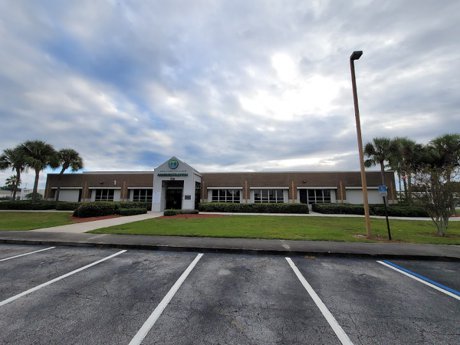
Osceola Technical College

Osceola Technical College (oTECH) is a public career and technical college operated by the School District of Osceola County. Founded in 1994 as the Technical Education Center Osceola (TECO), it is the only public technical college in Osceola County. The college operates three campuses — the main campus at 501 Simpson Road in Kissimmee, plus locations in St. Cloud and Poinciana — and offers more than 25 career certificate programs across six career clusters. Most programs are designed to be completed in about a year, and oTECH maintains articulation agreements with Valencia College so credits can apply toward an associate degree.

When most people picture "going to college" in Central Florida, they think of a four-year campus, student debt, and a degree that takes years to pay off. But here's something a lot of families moving to Kissimmee don't realize: one of the fastest paths to a stable, well-paying career in Osceola County skips all of that.

Meet Osceola Technical College — "oTECH" to the locals. It's a public technical college that trains people for in-demand trades and healthcare jobs in about a year, often for a fraction of what a traditional degree costs. Whether you're relocating with a teenager weighing their options, switching careers, or just curious what's in your new backyard, oTECH is worth knowing about.

So What Exactly Is oTECH?

Osceola Technical College is the only public career and technical school in Osceola County, and it's run by the local public school district. That's an important distinction — it isn't a for-profit "trade school" with the reputation those sometimes carry. It's a publicly accountable institution accredited by the Council on Occupational Education.

The college offers more than 25 career certificate programs spread across six career clusters: Business Management & Administration, Hospitality & Tourism, Health Science, Human Services, Industrial Education, and Law/Public Safety & Security. Translated into plain English, that means everything from Practical Nursing and Dental Assisting to HVAC/Refrigeration, electricity, plumbing, carpentry, digital media, accounting, and the Criminal Justice Academy of Osceola.

The common thread? Most programs are built to be finished in about a year or less, and they're designed around what local employers actually need. Instructors aren't just teachers — many are working professionals in their trades who sit on advisory boards alongside Central Florida businesses.

The History Buff's Corner: From TECO to oTECH

Here's a fun fact for trivia night: oTECH wasn't always called that. The college was founded in 1994 as the Technical Education Center Osceola — TECO for short — back when Osceola County was a very different, far smaller place. As Kissimmee and the surrounding communities boomed, the school grew right along with them and eventually rebranded as Osceola Technical College to better reflect its role.

That growth tells you something about the area. A county that started as cattle ranches and citrus groves now anchors one of the fastest-growing metro regions in the country — and it needed a homegrown pipeline of skilled workers to keep up. oTECH became that pipeline.

Three Campuses, One County

One thing that surprises newcomers: oTECH isn't a single building. It runs three campuses across Osceola County, so you're rarely far from one.

  • Kissimmee (Main Campus): 501 Simpson Road — between the cities of Kissimmee and St. Cloud, home to most flagship programs.
  • St. Cloud Campus: Serving the growing east side of the county.
  • Poinciana Campus: At 1030 Cypress Parkway, near the fast-expanding Poinciana corridor in southern Osceola.

For families house-hunting across the county, that spread matters — you don't have to live in the heart of Kissimmee to have practical, affordable career training nearby.

Why Should You Care About a Technical College?

If You Have a High Schooler

This is the part a lot of parents miss. Osceola County high school students can take oTECH courses through dual enrollment, earning credit toward both their diploma and a postsecondary certificate at the same time — at no tuition cost. A teenager could graduate high school already holding a marketable credential. If you're researching the broader picture, our Kissimmee high schools overview pairs nicely with this as you map out the options.

It also fits a wider trend in the county. Kissimmee's NeoCity Academy has put Osceola on the map for STEM and semiconductor-adjacent education. oTECH is the hands-on, get-to-work counterpart in that same ecosystem.

If You're Changing Careers

Relocating often comes with a reset — new city, new chapter, sometimes a new line of work. oTECH is built for adult learners doing exactly that. Many programs run part-time or evenings, financial aid is available to those who qualify, and the year-or-less timeline means you're not putting your life on hold. Healthcare programs like Practical Nursing and Medical Assisting feed directly into the region's enormous hospital networks.

If You Want a Degree Later

A certificate doesn't have to be the end of the road. oTECH holds articulation agreements with Valencia College across nearly all of its programs, meaning your certificate work can count toward an associate degree. Start with a job-ready skill, then build on it — without starting from zero.

How oTECH Compares Around the Metro

Osceola isn't the only county doing this. If you're shopping across the region, Orange County runs its own system — see our guide to Orange Technical College. What sets oTECH apart for Osceola-area residents is proximity and price: in-county tuition at a public institution, three campuses, and direct ties to the employers actually hiring here.

What It Costs (And a Word of Caution)

Let's be real about money, because that's usually the whole point. Career certificate programs at a public technical college run a small fraction of what a four-year degree costs — typically a few thousand dollars for tuition, books, and supplies across a program, with financial aid, FAFSA-based grants, and scholarships available for those who qualify.

Here's the honest caveat: exact tuition changes by program and year, so don't take any single figure you find online as gospel — especially older listings on third-party college-search sites. Always confirm current per-program costs directly with the college before enrolling.

The Real Deal: Is oTECH Right for You?

The Pros:

  • Fast — most programs finish in about a year or less
  • Affordable public tuition compared to a traditional degree
  • Three campuses across Kissimmee, St. Cloud, and Poinciana
  • Job-focused training tied to real local employers
  • Free dual enrollment for Osceola County high schoolers
  • Valencia College articulation if you want to continue to a degree

Things to Keep in Mind:

  • It's career-certificate focused, not a traditional academic transfer school
  • No on-campus housing or "college life" experience — this is a commuter school
  • Schedules and start dates vary by program, so plan around availability

Our Take:

If you value time and money over a campus quad and a football team, oTECH is one of the smartest education plays in the county. For families who want the full menu of local options, our Kissimmee schools and education guide ties it all together, from elementary zones to specialized programs like the Osceola County School for the Arts.

What the Neighbors Know

Around here, oTECH isn't flashy — and that's kind of the point. It quietly turns out the electricians, nurses, HVAC techs, and first responders who keep a fast-growing county running. For folks relocating to the area, it's a genuine quality-of-life asset: proof that you don't have to leave Osceola County (or rack up six figures of debt) to build a real career.

So whether you're moving here with a kid figuring out their future, eyeing a career change, or just sizing up what your new community offers, keep Osceola Technical College on your radar. It might be the most practical school in the county — and one of the best-kept secrets in Central Florida living. 🎓

For current programs, campus details, and enrollment information, visit the official Osceola Technical College website.


Thinking about a move to Osceola County and want to land near the right schools and amenities? Browse our Kissimmee homes for sale or reach out for personalized relocation advice — we'll help you find the neighborhood that fits your family's next chapter!

May 31, 2026

Orange Technical College: Orlando's Affordable Career Engine

Orange Technical College: Orlando's Affordable Career Engine

Seven campuses, real-world trades, and a price tag that won't bury you in debt — here's why this OCPS-run college deserves a spot on your radar.

Orange County Technical College

Orange Technical College (OTC) is a public technical college operated by Orange County Public Schools, founded in 1933 as the Orange County Vocational School. OTC operates seven campuses across Central Florida, including the West Campus at 955 E Story Road in Winter Garden. The college offers career certificate programs in healthcare, skilled trades, public safety, and digital media, with tuition far below national averages — its Practical Nursing program runs roughly $5,300 versus a national average near $18,000. OTC is accredited by the Commission of the Council on Occupational Education, and Orange County high school students can dual-enroll through the OCPS-to-OTC Connection.

When families relocate to Central Florida, the conversation almost always jumps straight to UCF, Valencia, or which elementary school is zoned where. But here's something most people moving to Orlando don't realize: one of the smartest, cheapest ways to land a real career around here doesn't involve a four-year degree at all. It's called Orange Technical College, and there's a campus right in the heart of Winter Garden.

Whether you're a career-changer, a parent of a high schooler, or just someone who'd rather earn a paycheck than a pile of student debt, OTC is worth knowing about. Let's get into what it actually is, what it costs, and why it matters to anyone settling into West Orange County.

So What Exactly Is Orange Technical College?

Orange Technical College is a public technical college run by Orange County Public Schools (OCPS) — yes, the same district that operates the local K-12 schools. That's a big deal for two reasons: it keeps tuition low, and it means the programs are tightly wired into local workforce needs.

Here's a fun fact for your next trivia night: OTC traces its roots to 1933, when the Orange County Vocational School first opened its doors. That's more than 90 years of churning out nurses, welders, electricians, and cosmetologists. Today the college operates seven campuses spread across Central Florida and is accredited by the Commission of the Council on Occupational Education. For a deeper look at the district behind it, our Orange County Public Schools guide breaks down how OCPS is structured.

The Winter Garden Connection: Meet the West Campus

For folks living in West Orange, the campus that matters most is the OTC West Campus — longtime locals still call it "Westside" — at 955 E Story Road in Winter Garden, just a few minutes from the heart of downtown Winter Garden. It's the West Orange home base for hands-on trades, and it pulls students from across the area: Ocoee, Horizon West, Windermere, and Gotha included.

What You Can Actually Study Here

The West Campus leans into the skilled trades. You can train to become a plumber, carpenter, HVAC/R technician, or cosmetologist, and classes start roughly every nine weeks rather than on a rigid fall-only calendar. Across the wider OTC system, programs span healthcare (Practical Nursing, Surgical Technology, Medical Assisting), public safety telecommunications, welding, culinary arts, and digital media. Many programs also feed registered apprenticeships, plus there are GED and English-language (ESOL) classes for adult learners.

If you're weighing OTC against the region's other options, it helps to see the full landscape. Valencia College and the University of Central Florida cover the two-year and four-year degree paths, while Full Sail University specializes in media and entertainment. OTC is the fast, job-focused lane.

Let's Talk Money (Because That's the Whole Point)

Here's where OTC really separates itself. Because it's a public, district-run college, tuition lands at a fraction of what private trade schools charge. Take its flagship Practical Nursing program: tuition and fees run roughly $5,300 for the full program, compared with a national average closer to $18,000 for similar training. Shorter certificates cost even less — a phlebotomy program, for example, can run around $1,200.

Financial aid is available to students who qualify, and many programs wrap up in under a year. For a relocating family doing the math on the real cost of settling here, that's a meaningful number. (If you're budgeting the bigger picture, our honest cost of living in Orlando guide is a useful companion read.)

Who Should Care About OTC?

Career-changers: Moving to Orlando and want to retrain without taking on years of debt? A nine-month certificate in nursing or HVAC can reset your whole trajectory.

Parents of high schoolers: Orange County teens can dual-enroll through the OCPS-to-OTC Connection, earning industry certifications while finishing their diploma. Students at schools like West Orange High and Dr. Phillips High can knock out career courses early — a head start that's hard to beat.

Anyone tired of the "you must get a four-year degree" script: Let's be real — not every great career starts with a bachelor's. Plenty of OTC grads walk into stable, in-demand jobs faster (and cheaper) than their university peers.

The Honest Pros and Cons

The Pros:

  • Tuition is dramatically lower than private or for-profit trade schools
  • Programs are short — many finish in under a year
  • Multiple campuses, including a West Campus right in Winter Garden
  • Strong ties to local employers and the OCPS pipeline
  • Industry-certified instructors with real field experience

The Cons:

  • These are career certificates, not transferable academic degrees — for university credit, look at Valencia or UCF
  • Program availability varies by campus, so the trade you want may not be at the closest location
  • Hands-on programs require in-person attendance; this isn't a fully online path

How Do You Get to the West Campus?

One of the West Campus's quiet advantages is location. Sitting just off Story Road in Winter Garden, it's an easy hop from the major West Orange arteries. You can reach it via SR 429 (the Western Beltway), Florida's Turnpike, or Colonial Drive (SR 50), which means students commuting from Horizon West, Ocoee, or even Downtown Orlando aren't fighting an unreasonable drive.

Prefer a campus on the other side of the metro? OTC also operates campuses in Apopka, Avalon Park, Eatonville, South Orlando, and downtown Orlando (the Main Campus). And if you're shopping counties, the sister systems — Osceola Technical College and Lake Technical College — run the same playbook in neighboring counties.

What the Neighbors Know

Orange Technical College isn't flashy. It won't show up on a tourist map, and it doesn't have a football team. But ask around West Orange and you'll find nurses, electricians, and small-business owners who got their start there — without the debt hangover. For a relocating family weighing career options (yours or your kid's), that's exactly the kind of local resource that quietly makes a community work.

Here's our take: if you want a four-year college experience, Central Florida has plenty. But if you want a faster, cheaper, hands-on path to a real paycheck, OTC's West Campus is sitting right there in Winter Garden, waiting. That's a pretty Orlando kind of opportunity — practical, accessible, and a little under-the-radar. 🎓

For current program lists, start dates, and tuition details, visit the official Orange Technical College website, or check the parent district at Orange County Public Schools. Accreditation can be verified through the Commission of the Council on Occupational Education.


Thinking about putting down roots in West Orange while you launch a new career? Explore homes near the West Campus in Winter Garden and Ocoee, or contact us for personalized Central Florida relocation advice!

May 31, 2026

Lake-Sumter State College: The Affordable On-Ramp to a Central Florida Degree

Lake-Sumter State College: The Affordable On-Ramp to a Central Florida Degree

Why this Lake County college matters to families on metro Orlando's fast-growing western edge

Lake Sumter State College

Lake-Sumter State College (LSSC) is a public state college in the Florida College System, founded in 1962 to serve Lake and Sumter counties on the western edge of metro Orlando. LSSC operates campuses in Leesburg (main), Clermont (South Lake), and Sumterville (Sumter Center), plus a learning site at Cagan Crossings in the Four Corners area and online programs, serving more than 8,600 students annually as of fall 2024. In-state tuition is about $110 per credit hour (roughly $3,292 per year) and has not increased since 2022. LSSC offers associate degrees, certificates, and two bachelor's degrees, in Organizational Management and Nursing. Through the DirectConnect to UCF program, students who complete an Associate of Arts degree are guaranteed admission to the University of Central Florida.

Here's the thing about moving to the western edge of metro Orlando: everyone researches the theme parks, the toll roads, and the home prices, but almost nobody asks, "Where would my kid actually start college out here?" If you're landing in Clermont, the Four Corners area, or the western stretches of Horizon West, the answer is very likely Lake-Sumter State College.

Let's be real about geography first, because honesty matters: LSSC's main campus is in Leesburg, deep in Lake County and a solid 45-minute drive from Downtown Orlando. This is not a downtown-Orlando college. But its South Lake Campus in Clermont sits right on the metro's growing western flank, and that changes the math for a lot of relocating families.

What Exactly Is Lake-Sumter State College?

LSSC is a public, two-and-four-year college in the Florida College System (the same statewide network that includes Valencia and Seminole State). Founded in 1962, it serves Lake and Sumter counties and the rapidly expanding suburbs spilling west out of Orange County.

It's a genuinely affordable option. In-state tuition runs about $110 per credit hour — roughly $3,292 for a full-time Florida resident's year — and it hasn't gone up since 2022. Admission is open to anyone with a high school diploma or equivalent, with a $25 application fee. As of fall 2024, the college reported serving more than 8,600 students annually across its locations and online, a nearly 16% jump from the prior year. (Enrollment numbers vary by source and counting method, so treat any single figure as a ballpark.)

On the academic side, LSSC offers more than 30 associate degree, certificate, and diploma programs, plus two bachelor's degrees: Organizational Management and Nursing (BSN). It's accredited by the Southern Association of Colleges and Schools Commission on Colleges, and athletes compete as the Lakehawks in NJCAA Region 8.

The History Buff's Corner: From 1962 to "State College"

LSSC opened its doors on September 5, 1962, as Lake-Sumter Junior College, with classes meeting temporarily at Leesburg High School. The permanent 70-acre Leesburg campus came online in 1965.

There's a piece of this history worth telling honestly. In its earliest years, Lake-Sumter was segregated, and Black students attended the separate Johnson Junior College. Following the Civil Rights Act of 1964, the two institutions merged in 1965. The school was renamed Lake-Sumter Community College in 1970, and became Lake-Sumter State College in 2012 when Florida authorized it to grant four-year degrees.

Why Should Orlando-Area Families Care?

It's the Cheapest Path to a UCF Degree

This is the big one. Through the DirectConnect to UCF program, an LSSC student who earns an Associate of Arts degree is guaranteed admission to the University of Central Florida. Two years at roughly $110 a credit, then a smooth transfer into the University of Central Florida to finish a bachelor's — that's tens of thousands of dollars saved versus four straight years at a university.

That's the same model offered by Valencia College in Orange County and Seminole State College of Florida to the north. For families settling on the west side, LSSC is the closest entry point into that system.

If You Have a High Schooler

LSSC runs a robust dual enrollment program, letting eligible high school students earn college credit (tuition-free for qualifying students) before they graduate. Families weighing west-side schools can pair this with our Lake County Schools Guide to map out a full K-through-college plan. Prefer a hands-on, career-focused track instead? Lake Technical College is the workforce-certificate counterpart in the same county.

The Campuses: Which One Is Actually Near You?

This is where geography really matters, so here's the honest breakdown of LSSC's locations:

  • Leesburg (Main Campus) — 9501 U.S. Highway 441. The original 70-acre campus and the biggest of the bunch, but about 45 minutes northwest of Downtown Orlando. Relevant if you're settling in the Leesburg or Tavares area, less so for metro commuters.
  • South Lake Campus (Clermont) — 1250 N. Hancock Road. This is the metro-Orlando-relevant one: roughly 25 miles west of Downtown Orlando, about a 35-45 minute drive via SR 50 and Florida's Turnpike, and only 15-20 minutes from the Hamlin area of Horizon West.
  • Sumter Center (Sumterville) — out in Sumter County near The Villages; far from Orlando.
  • Cagan Crossings (Four Corners) — a smaller learning site near US 27 and US 192, convenient to the Davenport, Four Corners, and far-southwest Horizon West crowd.

For most FloridaNeighborhoodRealty readers, the South Lake Campus in Downtown Clermont's orbit is the one to circle. If you're driving in from the east, you'll likely take US Highway 27 or SR 50.

Living Near the South Lake Campus: The Real Deal

The Pros:

  • Genuinely low tuition with a guaranteed UCF transfer pathway
  • Small class sizes and approachable instructors (a common theme in student reviews)
  • Clermont's rolling-hills setting, chain of lakes, and quick access to Horizon West and the parks
  • Dual enrollment that can shave a full year off a four-year degree

The Cons:

  • It's a commuter college — limited on-campus housing and a quieter student-life scene than a big university
  • The flagship campus and many programs are based in Leesburg, not Clermont
  • SR 50 and Turnpike traffic on the west side can stretch that Orlando commute

Our Take:

If you're relocating with a college-bound teen and you're house-hunting in Clermont, Minneola, Four Corners, or western Horizon West, LSSC is a quietly excellent reason to feel good about the area. It's not the move for a student craving a sprawling campus with football Saturdays — but as a low-cost, guaranteed on-ramp to a Florida degree, it's hard to beat. For the bigger picture on how Lake County stacks up against Orange, Osceola, and Seminole, see Orlando's Four Counties Compared.

What the Neighbors Know

Lake-Sumter State College isn't a household name the way UCF or the theme parks are, but for families on metro Orlando's western edge it's one of the most practical assets around. It's affordable, it's accredited, it guarantees a route into UCF, and its South Lake Campus puts all of that within a reasonable drive of Clermont and Horizon West.

The honest caveat bears repeating: this is a Lake and Sumter county institution first, and an Orlando-metro one second. Know which campus is near you, and don't expect a traditional rah-rah university experience. But for cutting the cost of a degree and keeping a UCF transfer on the table? That's a smart, money-saving play — very Central Florida. 🎓

For current programs, campus details, tuition, and enrollment dates, visit the official Lake-Sumter State College website, or learn more about the statewide network it belongs to at the Florida College System.


Thinking about a move to Clermont, Horizon West, or anywhere on Orlando's west side? Explore our Horizon West and Clermont community guides, or contact us for personalized relocation advice that factors in schools, commutes, and the things the listings never mention.

May 31, 2026

Lake County Schools Guide

Lake County Schools: A Guide for Orlando-Area Families

From Clermont's rolling hills to historic Mount Dora, here's the honest rundown on Lake County's public, charter, and private schools

Lake County Florida School System

Lake County Schools is the public school district serving Lake County, Florida, headquartered in Tavares and educating roughly 47,000 students across about 20 elementary, 9 middle, and 8 high schools, plus charter and specialized programs. The district earned an A grade from the Florida Department of Education for the 2024-25 school year, an improvement from a B the prior year. Clermont, the county's largest city, sits about 22 miles west of downtown Orlando and anchors a fast-growing south Lake area that borders the Horizon West region. Notable schools include Pinecrest Lakes Academy, a top-ranked public charter, and Montverde Academy, a nationally recognized private K-12 school.

So you've fallen for those famous rolling hills west of Orlando — the rare Florida landscape where you can actually drive uphill — and now you're wondering about the schools. Smart move. If you're eyeing Clermont, Minneola, or anywhere across Lake County, the local school district is going to shape your shortlist of neighborhoods more than almost anything else.

Here's the thing about Lake County Schools that surprises relocating families: it's a single county-wide district, but the experience varies wildly by location. South Lake (think Clermont and Minneola) is booming Orlando commuter country with newer schools. Drive 30 minutes north to Tavares or Eustis and you're in a more established, small-town world that feels far from the theme parks. We'll be honest about both.

Let's break down what you need to know — the district's track record, the standout schools, your choice options, and the real pros and cons — so you can match a home to the right school zone.

What Is Lake County Schools?

Lake County Schools is the public school district covering all of Lake County, with its administrative home in the county seat of Tavares. It's a mid-sized Florida district, educating roughly 47,000 students. Counting traditional campuses, that breaks down to about 20 elementary schools, 9 middle schools, and 8 high schools — and once you fold in charter and specialized programs, the district touches more than 60 schools in all.

The headline number for families: Lake County earned an A grade from the Florida Department of Education for the 2024-25 school year, climbing up from a B the year before. That puts it in good company alongside Orange, Seminole, and Brevard among Central Florida's A-rated districts. One honest caveat — Florida is adjusting its grading scale, so a single letter grade is a snapshot, not a permanent guarantee. Always check the current grade for the specific school zone you're considering.

South Lake vs. the Rest of the County (This Matters)

This is the single most useful thing we can tell an Orlando-area buyer, so let's be direct: Lake County is big, and "good for an Orlando commute" only applies to part of it.

South LakeClermont, Minneola, and Groveland — is the part of the county most relocating families think about. Clermont sits roughly 22 miles west of downtown Orlando (a 30-to-40-minute drive, traffic depending) and butts right up against the Horizon West growth corridor. These are the newer, fast-growing schools, and the area is genuinely a viable alternative to pricier Orange County suburbs. Our guide to US Highway 27 covers the main artery here.

North and central Lake — historic Mount Dora, Tavares, Eustis, and Leesburg — is charming, more affordable, and more established, but it's 40 to 60 minutes from Orlando employment centers. If a downtown Orlando or theme-park commute is your daily reality, factor that drive in honestly before you fall for a lakefront bungalow in downtown Mount Dora.

The Standout Schools

Every district has its stars. Here are the Lake County names local parents bring up again and again.

Public Charter: Pinecrest Lakes Academy

Here's something most people moving to Clermont don't realize: one of Florida's highest-performing public middle schools sits right on the Minneola-Clermont border. Pinecrest Lakes Academy is a tuition-free K-12 public charter that consistently ranks among the top in the state, with a Niche grade in the A range. The catch? Admission is by lottery, not by address — so living nearby helps with drop-off but doesn't guarantee a seat. We dig into the details in our Pinecrest Lakes Academy spotlight.

Public High Schools

South Lake's public high schools have solid reputations. East Ridge High School in Clermont is the largest in the county at roughly 2,750 students, with strong AP participation. Lake Minneola High School, one of the district's newer campuses, serves the rapidly growing Minneola side. Feeder middle schools like East Ridge Middle have earned recognition too — see our East Ridge Middle School guide for the full picture.

Private Powerhouse: Montverde Academy

Fun fact for your next dinner party: little Montverde, Lake County is home to one of the most recognized private schools in the country. Montverde Academy is a K-12 college-prep and boarding school that Niche ranks as the top private K-12 in the Orlando area. It posts a 100 percent college acceptance rate, and its athletics program is nationally famous — 18 national championship titles and a perennial high school basketball powerhouse. It's a serious tuition commitment, but a genuine draw for families relocating with that priority.

School Choice, Charters, and College Credit

Florida is a school-choice state, and Lake County families have real options beyond their zoned campus. Under the state's open enrollment law, you can apply to public schools outside your boundary when seats are available — though popular schools fill fast, so don't count on it. Our Florida School Choice explainer walks through how it actually works.

Beyond the public and charter route, high schoolers can earn college credit early through dual enrollment at Lake-Sumter State College, which has a south Lake campus, and career-and-technical training runs through Lake Technical College. UCF also maintains a presence in Clermont, so families here aren't far from a four-year path.

Want to see how Lake stacks up against its neighbors? Our comparison of Central Florida's four school districts puts Lake, Orange, Osceola, and Seminole side by side.

The Real Deal: Pros and Cons

Let's be real about the trade-offs of putting your kids through Lake County Schools.

The Pros:

  • District-wide A grade for 2024-25, with several individual A-rated campuses
  • Standout options at every level — a top-ranked charter, strong public highs, and a nationally known private school
  • South Lake offers newer schools and lower home prices than comparable Orange County suburbs
  • Florida school choice, dual enrollment, and career academies expand the options
  • Those famous rolling hills and chain-of-lakes setting are a genuine quality-of-life perk

The Cons:

  • Rapid south Lake growth means crowding and rezoning — school boundaries can and do change
  • Quality varies across the county; a great south Lake school doesn't mean every campus is equal
  • The Orlando commute from north Lake (Mount Dora, Eustis) is a real 40-to-60-minute reality
  • Top charter seats are lottery-based, so proximity is no guarantee of admission

What the Neighbors Know

Lake County has quietly become one of Central Florida's better-kept secrets for families — an A-rated district, genuinely strong individual schools, and home prices that still undercut the Orange County hot spots, all in that one-of-a-kind hilly, lake-dotted landscape. The smart move is to zoom in: decide whether you're a south Lake commuter or a north Lake small-town family, then match the home to the school zone.

And here's the local-friend reminder we give everyone: school zones shift, especially in fast-growing areas, so never assume the home you love is zoned for the school you want. Confirm the assignment with the district (or have us confirm it) before you fall for a listing. 🎓

For current school zones, enrollment information, and district news, visit the official Lake County Schools website, and check the latest state report cards at the Florida Department of Education.


Thinking about a move to Lake County and want help matching a neighborhood to the right schools? Explore our Lake County Schools guide and Clermont schools guide, or browse Clermont homes for sale and reach out for personalized relocation advice!

May 31, 2026

Seminole County Public Schools Guide

Seminole County Public Schools: An Orlando Relocation Guide

Why this A-rated district north of Orlando is a magnet for relocating families

Seminole County Public Schools

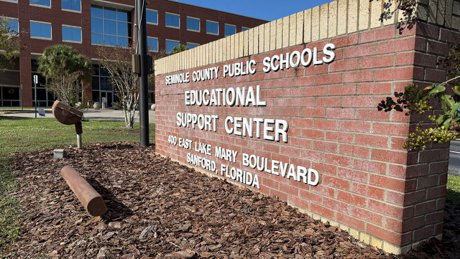
Seminole County Public Schools (SCPS) is the public school district for Seminole County, Florida, headquartered at 400 East Lake Mary Boulevard in Sanford. For the 2025-2026 school year it serves 62,211 students with 3,872 teachers, holds an overall "A" grade from the Florida Department of Education, and ranks as the 12th-largest district in Florida. The district operates 37 elementary schools, 12 middle schools, and 9 high schools, with International Baccalaureate programs at Seminole High School and Winter Springs High School. Seminole County sits directly north of Orange County (Orlando), roughly 20-25 minutes from Downtown Orlando via I-4.

Here's something a lot of families relocating to the Orlando area don't realize: some of Central Florida's most sought-after public schools aren't in Orlando at all. They're just up the road in Seminole County, the suburban county wedged between Orange County to the south and Volusia County (Daytona) to the north.

If you keep seeing "zoned for top-rated Seminole County schools" in listings around Lake Mary, Oviedo, and the rest of Seminole County — there's a real reason for it. Let's get into what makes Seminole County Public Schools tick, who it's great for, and the honest trade-offs of chasing an A-rated zip code north of the city.

What Is Seminole County Public Schools (SCPS)?

Seminole County Public Schools is the countywide district, headquartered at 400 East Lake Mary Boulevard in Sanford. For 2025-2026 it educates 62,211 students with 3,872 teachers — about 16 students per teacher — making SCPS the 12th-largest district in Florida, impressive for one of the state's geographically smallest counties.

The headline for relocating parents: SCPS carries an overall "A" grade from the Florida Department of Education. It's been a perennial high performer, and that reputation is baked into home values across the county.

By the numbers, the district runs:

  • 37 elementary schools
  • 12 middle schools
  • 9 high schools
  • 6 special centers, the PSI High Problem Solving Incubator, and Seminole Virtual School
  • 4 charter schools accountable to the district

A Little History (Yes, the Schools Are Older Than the Theme Parks)

Fun fact: SCPS predates Walt Disney World by a long shot. Seminole High School in Sanford traces its roots to 1902, when it opened as Sanford High — more than 120 years old and one of the oldest high schools in the region. Sanford was a steamboat and citrus hub long before Orlando became a tourism capital, and its schools grew up alongside that history.

The newer schools tell the relocation story in reverse: Winter Springs High opened in 1997 and Oviedo's Paul J. Hagerty High followed in 2005, both built to keep pace with families pouring into Seminole's fast-growing suburbs. When a county keeps building schools, people want to live there.

What Makes Seminole County Schools Special?

Strong High Schools, Real Program Options

The nine high schools are spread across the county, and a few stand out:

  • Seminole High (Sanford) — offers the International Baccalaureate (IB) Diploma Programme plus an Academy for Health Careers.
  • Winter Springs High — the county's second IB Diploma Programme school, serving the Winter Springs area.
  • Crooms Academy of Information Technology (Sanford) — a dedicated technology magnet for students leaning into computer science and IT.
  • Hagerty High and Oviedo High (Oviedo) — both highly regarded and a big draw for families near UCF and Research Park.

Lake Mary, Longwood (Lyman High), and the Altamonte Springs area (Lake Brantley High) round out a slate of well-rated zoned high schools. The takeaway: in most of Seminole County, the zoned neighborhood school is already the strong option — no lottery required.

How School Choice Works Here

Florida is a school-choice state, and SCPS participates in Controlled Open Enrollment. Most addresses are zoned to one elementary, one middle, and one high school, and enrolling at your zoned school needs no application. Prefer a different SCPS school? You can apply through open enrollment if that school has capacity — the district won't bump a zoned student to make room. Applications typically open in spring. For the statewide picture, our Florida School Choice Explained guide breaks down vouchers, scholarships, and the lottery.

Why Should Orlando-Area Families Care?

Here's the thing about chasing a district: in Central Florida, the district line really shifts your commute, home price, and daily life. Seminole County sits directly north of Orange County, so you trade a little distance from the theme parks for A-rated schools and a quieter, established suburban feel.

Drive times are reasonable. From most of Seminole County you're roughly 20-25 minutes from Downtown Orlando via I-4, and the SunRail commuter train stops in Sanford, Lake Mary, Longwood, and Altamonte Springs. If you work downtown but want a Seminole County school zone, that's a workable setup.

It's also worth comparing the neighbors. Seminole isn't the only strong district in the metro — our Central Florida's Four School Districts Compared guide stacks it up against the alternatives, and you can dig into each with our Orange County Public Schools Guide, Osceola County School District Guide, and Lake County Schools Guide.

Beyond K-12

Education here doesn't stop at high school. Seminole State College of Florida has campuses in Sanford/Lake Mary, Oviedo, and Altamonte Springs — an affordable on-ramp to a four-year degree close to home. More in our Seminole State College of Florida guide.

Living for the School Zone: The Honest Trade-Offs

Let's be real — buying into a top district isn't a free lunch. Here's the straight talk.

The Pros:

  • Consistently A-rated district with strong zoned schools, not just a couple of standouts
  • IB programs, a tech magnet, and career academies for families who want specialized tracks
  • Quieter, established suburbs with mature trees and lakes
  • SunRail and I-4 access keep Orlando commutes manageable
  • Strong, stable home values supported by school demand

The Cons:

  • You're farther from the Disney/Universal corridor than south or west Orange County — figure 35-45 minutes to the parks
  • That school-zone premium is real; comparable homes can cost more inside a coveted attendance boundary
  • Boundaries can be redrawn as the county grows, so a "zoned for X" listing isn't a lifetime guarantee
  • Older, established areas mean fewer brand-new master-planned communities than you'll find in Horizon West or Lake Nona

Our Take:

If great zoned schools and a settled suburban lifestyle matter more to you than being 15 minutes from the parks, Seminole County is one of the smartest plays in the metro — especially Lake Mary and Oviedo. If your life is anchored to the south/west tourism corridor, weigh that commute honestly first.

A Local Tip Before You House-Hunt

Never assume a home is zoned for the school you want based on the listing alone. Boundaries don't always follow city limits, and they change. Verify the exact zoned elementary, middle, and high school for a specific address using the district's official school-zone lookup before you write an offer — a five-minute step that prevents an expensive surprise.

For school zone lookups, grades, registration requirements, and the current school-choice application timeline, visit the official Seminole County Public Schools website. You can also confirm any school's latest grade through the Florida Department of Education.

What the Neighbors Know

Locals don't talk about Seminole County schools as a gamble — they talk about them as the baseline. The district's A grade, its 62,000-plus students, and a deep bench of strong high schools are exactly why so many families set their home search north of Orlando. The schools aren't the consolation prize for leaving the tourist core — for a lot of buyers, they're the whole point.

Just go in clear-eyed: you're paying a bit in commute and, often, in price for that A-rated boundary. Do the school-zone lookup, drive your real commute at rush hour, and decide whether the trade is right for your family. If it is, Seminole County rewards the choice. 🎓


Thinking about a move into an A-rated Seminole County school zone? Explore homes in Lake Mary, Oviedo, and across Seminole County, or contact us for personalized, school-zone-smart relocation advice. We'll help you match the right neighborhood to the right classroom!

May 31, 2026

Osceola County School District Guide for Central Florida Families

Osceola County School District Guide for Central Florida Families

From NeoCity's top-ranked STEM magnet to Celebration's IB program — how the schools actually work if you're moving to Kissimmee, Celebration, or St. Cloud.

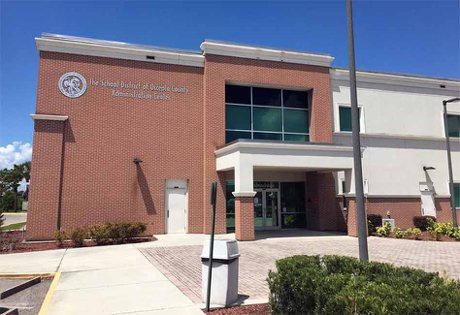
Osceola County Public School System Admin Office

The School District of Osceola County serves more than 80,000 K-12 students across public, charter, and magnet schools in Kissimmee, St. Cloud, Celebration, Poinciana, and Harmony, FL. Osceola is a Controlled Open Enrollment ("Choice") district, meaning families can apply to any school with available capacity rather than only their zoned campus. NeoCity Academy, a STEM magnet in Kissimmee, ranked #2 in Florida and #34 nationally in the 2025 U.S. News Best High Schools list. Celebration High School operates a fully authorized International Baccalaureate (IB) Diploma Programme, and every K-12 student in the district receives a district-issued laptop or iPad. The district headquarters is at 817 Bill Beck Blvd., Kissimmee, FL 34744.

If you're relocating to south metro Orlando, the school question usually lands before the home search gets serious. And here's the thing about Osceola County schools: the headline you'll see online ("district averages trail the state") and the reality on the ground (a STEM magnet ranked second in all of Florida) are both true at once. Sorting out which one applies to your family is the whole game.

Whether you're eyeing Kissimmee, the master-planned streets of Celebration, or anywhere else in Osceola County, here's our honest, local-friend rundown of how the district is set up, which schools punch above their weight, and what to watch out for.

First Things First: How Osceola County Schools Are Set Up

The School District of Osceola County is a countywide public district — one district covering everything from urban Kissimmee to small-town St. Cloud to the newer Narcoossee and Harmony communities out east. It enrolls more than 80,000 students under Superintendent Mark Shanoff, and it's genuinely diverse: families here represent roughly 140 countries and speak more than 98 languages.

A few district-wide perks matter for everyday life: every K-12 student gets a district-issued laptop or iPad (a real 1:1 program), free breakfast is served daily at every school, and Osceola Virtual School covers full-time online learning.

A Quick History: From One Schoolhouse to 80,000 Students

A fun fact for the next barbecue: Osceola High School in downtown Kissimmee traces its roots to 1887 — older than the theme parks, the interstate, or anyone expecting air conditioning. For most of the 20th century this was a quiet ranching and citrus county. Then Disney happened next door, the tourism corridor exploded along US 192, and Osceola became one of Florida's fastest-growing counties. The district has been building schools at a frantic pace ever since — which is why brand-new campuses sit a few miles from century-old ones. That's the key thing to understand: a district stretching to serve a booming, working-class, immigrant-rich population, and that tension shows up in the numbers.

The Standout Schools: Magnets Worth Knowing About

Osceola surprises people here: it runs two specialized magnet schools that compete with anything in the state, and because it's a Choice district, any county student can apply.

NeoCity Academy (STEM)

NeoCity Academy, on Neocity Way in Kissimmee, ranked #2 in Florida and #34 nationally in the 2025 U.S. News Best High Schools rankings — also #1 in the entire Orlando metro area. It's small (around 430 students), with a 100% AP participation rate and a project-based STEM curriculum. The school sits inside the NeoCity technology district, wiring K-12 education into Osceola's emerging semiconductor and defense-tech cluster (the area landed a $120 million federal workforce award in 2023). For a STEM-minded kid, it's a destination school. Read our full profile of NeoCity Academy.

Osceola County School for the Arts (OCSA)

OCSA, a grades 6–12 performing and visual arts school established in 2002, ranked #30 in Florida and #343 nationally on that same 2025 list. Students audition for admission and pursue tracks from theater and music to visual arts while carrying a rigorous academic load with AP and honors options. Here's our deeper look at the Osceola County School for the Arts.

Celebration's Built-In School Pipeline

Celebration plays by slightly different rules. As Disney's master-planned town, it was designed with schools baked into the layout — Celebration School (a single K-8 campus) and Celebration High School, both physically inside the community. For families who value K–12 continuity in one community, that's a genuine draw.

Celebration High ("Home of the Storm," opened 2003) is a fully authorized IB World School, running both the International Baccalaureate Diploma Programme — authorized in 2011 — and a newer IB Career-related Programme, plus AP, AVID, and an Air Force JROTC. If "IB" is on your wish list, this is the Osceola answer. We break it down in our guide to Celebration High School's IB and Storm Nation athletics, and the full Celebration schools and education guide covers the zoned picture.

School Choice: What "Choice District" Actually Means

Osceola is a Controlled Open Enrollment district, and this is the part newcomers most often misunderstand: you are not locked into your zoned school. Families can apply to any district school with open capacity and the program they want — so a family in one corner of the county can send a kid across town if there's room.

The catch words are "controlled" and "capacity." Popular schools fill up, and programs like NeoCity and OCSA have their own applications, deadlines, and (for OCSA) auditions. The lesson for relocating families: don't assume the zoned school is your only option — but apply early. If the system makes your head spin, our explainer on Florida school choice shows how open enrollment, charters, and scholarships fit together.

Beyond High School: Colleges and Career Training

Osceola students don't have to leave the county to start college. High schoolers earn free credit through dual enrollment with Valencia College, which runs an Osceola campus in Kissimmee, while Osceola Technical College offers a vocational pathway for trades, healthcare, and tech certifications — connecting school to local jobs without leaving the county.

Living Here: The Honest Pros and Cons

Let's be real — no district is all sunshine. The honest trade-offs:

The Pros:

  • Two state-ranked magnet schools (NeoCity and OCSA) open to any county student by application
  • A true Controlled Open Enrollment system — you're not stuck with your zoned school
  • 1:1 devices for every student and free daily breakfast district-wide
  • Celebration's built-in K-8 and IB high school pipeline
  • Dual enrollment and technical-college pathways that keep college local and affordable
  • Generally lower home prices than comparable Orange County neighborhoods to the north

The Cons:

  • District-wide test averages trail Florida norms in some subjects — strong magnets don't lift every zoned campus
  • Quality varies a lot by zone, so the address you choose really matters
  • Rapid growth means crowding and rezoning at popular campuses
  • The best programs are application-based and competitive — Choice still rewards families who plan ahead

Our Take:

If you'll research schools, apply early, and treat Choice as a tool, Osceola can deliver an education that rivals far pricier areas — especially for STEM, arts, or IB-bound kids. If you'd rather rely on your zoned campus, vet that specific school first. For a side-by-side with neighboring counties, our comparison of Central Florida's four school districts is a useful gut-check, and the Kissimmee schools and education guide drills into the most populous part of the county.

What the Neighbors Know

The locals' shorthand for Osceola County schools: the ceiling is high, the floor is uneven, and Choice is how you climb. The county that produced Florida's #2-ranked high school is the same one where the zoned campus down the street might be a question mark — so the move that matters most isn't picking the "right" town, it's pairing the right home with the right application. Buy near the program your kid will thrive in, confirm capacity and deadlines, and Osceola opens up in a way the surface-level rankings never quite capture. 🎓

For current enrollment information, school boundaries, the Choice application, and program details, visit the official School District of Osceola County website.


Trying to match an Osceola County neighborhood to the right school? Explore homes in Kissimmee and Celebration, or contact us for school-aware relocation advice across Central Florida!

May 31, 2026

Orange County Public Schools: A Guide for Orlando Newcomers

Orange County Public Schools: A Guide for Orlando Newcomers

How OCPS zoning, grades, and school choice actually work when you're picking a neighborhood

OCPS - Orange County Public Schools

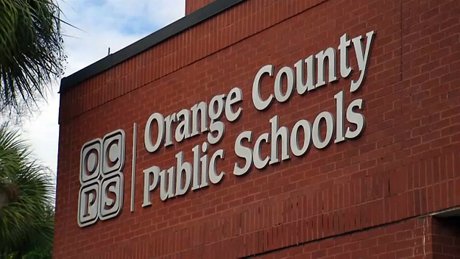
Orange County Public Schools (OCPS) is the eighth-largest school district in the United States, serving roughly 208,000 students across 214 schools in the Orlando metro area. The Florida Department of Education awarded OCPS an "A" district grade for 2024-25, its second consecutive year. Public school assignment is determined by home address, so the neighborhood you buy in sets your zoned elementary, middle, and high school. OCPS also runs magnet and school-choice programs through a lottery, with the main application window running mid-October to mid-December each year. OCPS covers Orange County only; the Celebration and Kissimmee areas fall under the separate School District of Osceola County.

Here's something most families relocating to Orlando learn a little too late: in Central Florida, you don't pick a school so much as you pick an address, and the address picks the school.

That matters everywhere in Orange County, because OCPS is the single district covering the whole thing — from Apopka in the north to Hunter's Creek in the south, Winter Park and Baldwin Park in the center, Lake Nona and Avalon Park to the east, and the western communities like Dr. Phillips, Windermere, and Winter Garden. Let's break down what OCPS actually is, how assignment works, and the calendar quirk that trips up nearly every newcomer.

What Is OCPS, Exactly?

Orange County Public Schools is the eighth-largest school district in the United States and the fourth-largest in Florida. For 2025-26 it serves nearly 208,000 students across 214 K-12 schools and is one of Central Florida's largest employers. Superintendent Maria Vazquez leads the district.

A district this big runs the full spectrum — nationally ranked schools and struggling ones within a few miles of each other — but the district-level numbers are strong. The Florida Department of Education awarded OCPS an "A" district grade for 2024-25, its second consecutive year at the top. District-wide, 96 traditional schools earned an "A," about 76% earned an "A" or "B," and none landed a "D" or "F."

One caveat that matters: Florida reissues school grades every summer, so the figures above are the 2024-25 results — always pull the current grade for your specific zoned schools rather than trusting a number online.

How School Assignment Actually Works

This is the part that catches transplants off guard, especially anyone coming from a place with open enrollment. In OCPS, your zoned schools — one elementary, one middle, one high — are determined by your home address and the district's attendance boundaries. Buy in one subdivision and your kid is a Wolverine; buy across the street and they might be a Knight.

A few things to know before you sign anything:

  • Verify the zone yourself. Don't rely on a listing's "schools" tab or a national site. OCPS publishes an official school-locator tool — enter an address, get the exact assigned schools.
  • Boundaries move. As fast-growing areas like Horizon West fill in, OCPS rezones and opens relief schools. The school a house was zoned for three years ago may not be today.
  • Zoned isn't your only option. Magnet and school-choice programs let you apply elsewhere — more below.

To see how this plays out community by community, our neighborhood guides spell out the specific zoned schools — start with the Dr. Phillips schools guide or the Windermere schools guide, which shows how one ZIP code can span several high school zones.

The High Schools Across Orange County

OCPS blankets the entire county, so think by region rather than chasing one "good area." A quick orientation to the high schools you'll run into:

  • West & Southwest: Dr. Phillips High, Olympia High (serving MetroWest, Gotha, and parts of Windermere), Windermere High, Horizon High, West Orange High, and Ocoee High, serving Ocoee, which has earned recent "A" grades.
  • Central & North: Winter Park High, Edgewater, and Boone anchor the established in-town communities, while Apopka High and Wekiva cover the growing north county.
  • East & Southeast: Timber Creek, University, East River, and Lake Nona High serve the fast-expanding east side around Waterford Lakes and Lake Nona.
  • South: Freedom High serves the Hunter's Creek area.

A perk for the academically ambitious: Windermere High and Olympia High both offer the Cambridge AICE program, a rigorous diploma track Florida's public universities widely accept for college credit. Our Orange County school guides keep expanding as coverage grows — start with the countywide Orange County schools guide, or dig into a specific area like the Winter Garden schools guide or Ocoee schools guide.

Magnet & School Choice: The Calendar That Trips Up Relocators

Beyond your zoned schools, OCPS runs magnet programs and school-choice options — specialized campuses in the arts, STEM, aviation, medical sciences, and International Baccalaureate. Here's the catch nobody tells you: there's a timing game, and it favors people who plan ahead.

The main application window for the following school year opens in mid-October and closes in mid-December. Seats are awarded by lottery — not first-come, first-served — so applying early within the window doesn't help, but missing it means waiting a full year. Even if you're zoned to the campus hosting a magnet, you apply for the magnet seat separately.

Relocating in late spring or summer after the main window closed? You're not locked out. OCPS runs a spring/summer period for additional and out-of-county seats, with follow-up lotteries roughly every two weeks through late August as space allows — the realistic path for most mid-year movers, though popular programs fill from the main lottery first.

Eligibility, deadlines, and the application portal change year to year, so verify directly with the district when you're ready. For the bigger picture on Florida's landscape of magnets, charters, and scholarships, our Florida School Choice Explained guide is the place to start.

One Big Caveat: OCPS Is Orange County Only

This sounds obvious, but it confuses more families than almost anything else, because the Orlando metro sprawls across four counties that don't care about your mental map of "the Orlando area." Orange County Public Schools serves Orange County — period.

If you're eyeing Celebration or Kissimmee, those are in Osceola County, served by the entirely separate School District of Osceola County (currently a "B" district). Cross that county line and the schools, grades, and boundaries all change — so two homes on opposite sides of it belong to two different districts. See our Osceola County School District Guide and our Central Florida's Four School Districts Compared for the full picture.

The Honest Pros and Cons

The Pros:

  • A-rated district two years running, with a deep bench of A- and B-rated schools across the western communities we cover
  • Strong specialized options — Cambridge AICE, IB, and a wide range of magnet academies
  • Newer, modern high school campuses in the growth corridors, and no traditional school in the district earned a "D" or "F" in 2024-25

The Cons:

  • Quality varies widely school-to-school in a district this large — averages don't tell you about your specific zone
  • Rapid growth means rezoning; the school a home is zoned for can change between when you tour and when your kid enrolls
  • The best magnet seats are competitive and tied to that mid-October-to-mid-December window

What the Neighbors Know

Locals who've done the Orlando school dance will tell you the same thing: confirm the zone before you make an offer, not after. An "A" district average is reassuring, but you're not enrolling your kid in an average — you're enrolling them in three specific schools tied to one specific address.

The savvy move is to treat schools as a search filter from day one: decide which zoned schools you'd be happy with, then work backward to the neighborhoods that feed them. Do that, and OCPS's size goes from overwhelming to advantageous. 🎓

For the official enrollment process, the address-based school locator, current grades, and magnet details, visit Orange County Public Schools directly, and cross-check school grades at the Florida Department of Education.


Trying to match a neighborhood to the right schools? Browse homes across Orange County, dig into our community school guides, or contact us for zone-aware relocation advice. We'll help you find the address — and the schools — that fit your family.

May 30, 2026

Central Florida's Four School Districts, Compared

Central Florida's Four School Districts, Compared

How Orange, Osceola, Seminole, and Lake County stack up for families moving to the Orlando area

Central Florida's School District Comparison

Central Florida is served by four main public school districts: Orange County Public Schools, the School District of Osceola County, Seminole County Public Schools, and Lake County Schools. For the 2024-25 grades released by the Florida Department of Education in July 2025, Orange, Seminole, and Lake County each earned an "A" district grade, while Osceola earned a "B." Orange County Public Schools is the largest, serving about 208,000 students at more than 200 schools—the fourth-largest district in Florida and eighth-largest in the nation. Seminole County (about 62,000 students) ranks #1 in Florida for STEM education; Osceola County (more than 80,000 students) is the fastest-growing and most diverse; and Lake County (about 48,000 students) is the smallest of the four.

If you're relocating to the Orlando area with kids in tow, one of the first questions you'll ask is: "Which school district are we moving into?" It's a smart question — and also a trickier one than it looks. Greater Orlando isn't one school district; it's four, each covering an entire county.

Here's the thing most relocation guides won't tell you: the old reputation rankings are out of date. The conventional wisdom used to be that one district ran away with it while the others trailed. As of the latest state grades, three of the four Central Florida school districts are now rated "A." So let's skip the lazy "this one's the best" take and look at what actually separates them.

The Four Districts at a Glance

Every public school in metro Orlando belongs to one of four county-wide districts. Here's how they line up on the two numbers buyers ask about first — size and the state's letter grade:

  • Orange County Public Schools (OCPS) — about 208,000 students, 200+ schools. District grade: A.
  • Osceola County — more than 80,000 students. District grade: B.
  • Seminole County Public Schools (SCPS) — about 62,000 students. District grade: A.
  • Lake County Schools — about 48,000 students. District grade: A.

Those grades come from the Florida Department of Education, which scores every district each summer based on student performance. The 2024-25 grades, released in July 2025, marked the second straight "A" year for Orange and continued strong runs for Seminole and Lake. Curious how the counties themselves compare on taxes, commutes, and lifestyle? See our Orlando's Four Counties Compared guide.

Orange County Public Schools: The Giant

OCPS is the big one — the fourth-largest district in Florida and the eighth-largest in the entire country. It serves nearly all of the city of Orlando plus communities like Dr. Phillips, Windermere, Winter Garden, Horizon West, and the rest of Orange County.

Big means options. OCPS runs an enormous menu of magnet programs, International Baccalaureate (IB) tracks, career academies, and specialty schools. If you want a particular flavor of education, OCPS probably has it somewhere. The flip side of "somewhere": a district this large is not uniform. It contains some of the highest-rated schools in the region and some that are still climbing, so the "A" on the district doesn't tell you much about the specific school down your street.

One trend worth knowing: OCPS enrollment dipped in 2025-26, with thousands fewer students than projected — part of a statewide shift as families take up school-choice options. For the full rundown of programs and boundaries, see our Orange County Public Schools guide.

Seminole County: The STEM Standout

North of Orlando, Seminole County — covering Lake Mary, Oviedo, Winter Springs, Longwood, and Sanford — has built its reputation on consistency. With about 62,000 students, SCPS is small enough to feel cohesive and has gone multiple years with zero schools graded "D" or "F." It's ranked #1 in Florida for STEM education and tops the state for calculus and physics enrollment.

For many relocating families, Seminole is the "set it and forget it" choice: most addresses feed into well-regarded schools, which is reflected in home prices on the desirable side of the county. Dig deeper in our Seminole County Public Schools guide.

Osceola County: Fast-Growing and Diverse

South of Orlando, Osceola County is the one district of the four currently rated "B" — and also the most interesting story. It serves more than 80,000 students across communities like Kissimmee, Celebration, St. Cloud, and Poinciana, and it's one of the fastest-growing and most diverse districts in the region, with a majority-Hispanic student body.

Don't let the "B" lead you to write it off. Osceola is home to standout specialty programs — NeoCity Academy, a STEM magnet built next to a high-tech research park, and the Osceola County School for the Arts among them. It's a district investing heavily as its population booms. Get the details in our Osceola County School District guide.

Lake County: Small, Suburban, and Climbing

To the west, Lake County — Clermont, Minneola, Tavares, Mount Dora, and Leesburg — is the smallest of the four at about 48,000 students, and it earned an "A" in the latest grades. The Clermont and Minneola side, just past Horizon West, is booming with new rooftops, and the district is opening schools to keep up.

Lake offers a more suburban-to-rural feel and (generally) more house for your money than the closer-in Orange and Seminole markets, with the trade-off of a longer commute toward Orlando job centers. Our Lake County Schools guide covers the growing-pains details.

The Catch: Why the District Grade Isn't the Whole Story

Here's the honest part. A district letter grade is an average. In a 208,000-student district like Orange, that average smooths over a top-tier school and a struggling one into a single tidy letter. Two homes ten minutes apart in the same "A" district can be zoned for very different schools.

So the grade that actually matters is the one on the specific school your address feeds into — not the county-wide headline. And thanks to Florida's school-choice system, your zoned school usually isn't your only option anyway. Controlled open enrollment, magnets, and charters can all be in play. Before you fall in love with a house, read our Florida School Choice Explained guide and confirm current zoning with the district.

Quick Pros and Cons

Orange County (OCPS)

  • Pros: The widest range of magnet, IB, and specialty programs; central location; an "A" district.
  • Cons: Sheer size means big school-to-school variation; some schools far stronger than others.

Seminole County (SCPS)

  • Pros: Consistently high performer; #1 in Florida for STEM; few weak spots.
  • Cons: Strong-schools reputation is priced into homes; limited footprint north of Orlando.

Osceola County

  • Pros: Rapid investment; excellent STEM and arts magnets; lots of new schools and housing.
  • Cons: The lone "B" district of the four; growth brings crowding in some zones.

Lake County

  • Pros: "A" district; more space and value; quieter, suburban-to-rural feel.
  • Cons: Longer commutes to Orlando employment centers; fewer specialty programs than OCPS.

What the Neighbors Know

Ask around at a local park and you'll hear it: in Central Florida, families don't really shop for a district — they shop for a school, and then they find a house zoned for it. The four Central Florida school districts have largely converged on the letter grade, so the meaningful differences now are the specific schools, the programs your kid actually needs, and how far you're willing to drive.

Our take? Don't anchor on a county's reputation from five years ago. Pick the school first, verify the zoning in writing, and let the right home follow. If you're still deciding where in the metro to land, our Geography of Orlando guide is a great next stop. 🎓

For official enrollment, zoning, and program information, go straight to the source: Orange County Public Schools, Seminole County Public Schools, the School District of Osceola County, and Lake County Schools.


Trying to match a great school to the right neighborhood? Browse our community guides across Orange County and Osceola County, or contact us for personalized, school-first relocation advice anywhere in Central Florida!

May 30, 2026

HCA Florida Healthcare in Greater Orlando: Hospitals & ERs

HCA Florida Healthcare in Greater Orlando: Hospitals & ERs

Where the system's hospitals and freestanding ERs actually are, and what that means when you're picking a neighborhood

HCA Florida Healthcare System Lake Nona Hospital

HCA Florida Healthcare operates four hospitals and six freestanding emergency rooms within about 40 miles of downtown Orlando. Its anchor hospital is HCA Florida Osceola Hospital in Kissimmee, a 396-bed Level II trauma center. The system's other Orlando-area hospitals are UCF Lake Nona Hospital, HCA Florida Poinciana Hospital, and HCA Florida Lake Monroe Hospital in Sanford (formerly Central Florida Regional Hospital). HCA's local footprint is concentrated to the south, southeast, and north of Orlando; it has no hospital in West Orange County, where AdventHealth and Orlando Health dominate.

When you're choosing where to live in Central Florida, you probably rank the schools, the commute, and the price of a house long before you think about hospitals. Then someone in the family has a 2 a.m. chest pain or a kid eats it off a bike, and suddenly "how far is the nearest ER?" becomes the only question that matters.

Orlando is served by three big hospital systems: AdventHealth, Orlando Health, and HCA Florida Healthcare. This guide is about that third one. HCA is the giant a lot of newcomers know the least about, partly because it renamed nearly all of its Florida facilities in 2022 and 2023, so the hospital your neighbor still calls "Osceola Regional" is now HCA Florida Osceola Hospital.

Here's the honest part up front: HCA's Orlando-area footprint is lopsided. It's strong to the south and southeast and has a presence up in Sanford, but it's basically absent from West Orange County. If that's where you're house-hunting, the section below on geography matters more than the brochure ever will.

Who Is HCA Florida Healthcare?

HCA Healthcare is one of the largest for-profit hospital companies in the country, and HCA Florida Healthcare is its statewide network of roughly 50 hospitals plus hundreds of ERs, surgery centers, and physician offices. Locally, it partners with the University of Central Florida College of Medicine to train new doctors, so several of its Orlando-area hospitals double as teaching hospitals.

The "for-profit" label isn't a knock, but it's worth knowing. HCA hospitals tend to be busy, well-equipped, and quick to add new ERs in growing suburbs. As with any system, individual facilities vary in quality, so it's smart to check independent ratings like the Leapfrog Hospital Safety Grade for the specific hospital nearest you rather than judging the whole brand at once.

The Hospitals: Where the Serious Care Happens

Four HCA Florida hospitals sit within about 40 miles of downtown Orlando. We've linked each one to its own detailed guide:

  • HCA Florida Osceola Hospital — in Kissimmee, roughly 18 miles south of downtown. This is the local flagship: a 396-bed, Level II trauma center with a pediatric ER, and the system's busiest Orlando-area hospital.
  • UCF Lake Nona Hospital — in the Lake Nona area, about 13 miles southeast. An HCA–UCF teaching hospital in the heart of Medical City (note: it carries the UCF name, not the HCA Florida name).
  • HCA Florida Poinciana Hospital — serving the Poinciana area south of Kissimmee, roughly 25 miles out, covering southern Osceola and northern Polk counties.
  • HCA Florida Lake Monroe Hospital — in Sanford, about 25 miles north, formerly Central Florida Regional Hospital. It anchors HCA's care in Seminole and west Volusia counties.

The Freestanding ERs: Full Emergency Care, No Hospital Attached

Here's a Florida quirk that trips up newcomers: the freestanding emergency room. These are standalone buildings, often near a busy intersection or mall, that aren't attached to a hospital but offer the same 24/7 emergency care, staffed by board-certified ER doctors with CT, ultrasound, and lab on site. HCA runs six of them in the metro area:

  • HCA Florida Millenia Emergency — on Millenia Boulevard near the Mall at Millenia, roughly 6 miles from downtown.
  • HCA Florida Airport Emergency — on Lee Vista Boulevard near Orlando International Airport, about 8 miles out.
  • HCA Florida Hunter's Creek Emergency — on South John Young Parkway serving Hunter's Creek and south Orlando, open since 2014.
  • HCA Florida Osceola East Emergency — east of Kissimmee toward the Saint Cloud side of Osceola County.
  • HCA Florida ChampionsGate ER — in Davenport near the Four Corners area, roughly 26 miles southwest and handy for the Celebration and vacation-home corridor.
  • HCA Florida Haines City Emergency — the system's farthest local outpost, in Polk County about 40 miles from downtown.

One more is on the way: HCA Florida Downtown Emergency is under construction near the urban core, so the network is still growing.

The honest caveat: a freestanding ER bills at full emergency-room rates, not urgent-care rates. For a sprained ankle, a mild fever, or a strep test, urgent care will save you a small fortune. Save the freestanding ER for the real stuff: chest pain, serious injuries, trouble breathing. Knowing the difference before you need it is half the battle.

What This Means If You're House-Hunting

Map it all out and HCA's footprint forms a rough arc around the south and east of the metro: the Osceola/Kissimmee cluster, the Lake Nona and airport corridor, the ChampionsGate–Davenport edge, and a northern anchor in Sanford. That's great news if you're settling in those areas.

The blind spot is West Orange. There is no HCA hospital or ER in Ocoee, Winter Garden, Windermere, Gotha, or Dr. Phillips — that territory belongs to AdventHealth and Orlando Health. If you're buying out west and you specifically prefer HCA, the nearest option is usually the Millenia ER. For most West Orange families, though, the practical answer is simply a different system, and that's worth knowing rather than assuming your favorite brand follows you everywhere.

If you're weighing the systems against each other, it helps to read across all three. See our companion guides to the Orlando Health hospital system and the AdventHealth hospital system, plus our deep dive on Lake Nona Medical City, where UCF Lake Nona Hospital sits among a cluster of research and care facilities.

The Honest Pros and Cons

The Pros:

  • Dense network of freestanding ERs means short drive times across south and east Orlando
  • HCA Florida Osceola Hospital brings Level II trauma and a pediatric ER to the south metro
  • UCF teaching-hospital partnership pulls in newly trained specialists
  • Aggressive expansion into growing suburbs (a new downtown ER is on the way)

The Cons:

  • No presence in West Orange County (Ocoee, Winter Garden, Windermere, Dr. Phillips)
  • Freestanding ERs bill at ER rates, an expensive surprise if you mistake one for urgent care
  • Quality varies by facility, so check independent grades rather than the brand name
  • Recent rebranding means old and new hospital names still float around in conversation and GPS

What the Neighbors Know

Longtime residents don't think in brand names; they think in "which ER is 10 minutes away at midnight." If you're landing in Kissimmee, the Lake Nona corridor, ChampionsGate, or Sanford, HCA Florida Healthcare is likely your closest big-system option, and the freestanding ERs fill in the gaps between hospitals nicely. If you're settling in West Orange, you'll lean on AdventHealth or Orlando Health instead, and that's perfectly fine.

The smartest move for any newcomer is the boring one: before you sign, pull up a map, find the nearest ER and the nearest hospital, and note whether they're freestanding or full-service. It takes five minutes and it's the kind of homework you're grateful for exactly once, on the worst day. 🏥

For current locations, hours, and ER wait times, visit the official HCA Florida Healthcare website.


Trying to balance schools, commute, and the nearest hospital while you pick a neighborhood? Browse our community guides across Kissimmee, Hunter's Creek, and Celebration, or contact us for personalized Central Florida relocation advice!

Posted in Health & Wellness
May 30, 2026

Downtown Clermont: Shopping, Dining, and the Gem of the Hills

Downtown Clermont: Shopping, Dining, and the Gem of the Hills

What you'll actually find in Historic Downtown Clermont — boutiques, a booming food scene, a Sunday farmers market, and Lake Minneola views just west of Orlando.

Downtown Clermont Florida

Historic Downtown Clermont is the walkable shopping and dining district of Clermont, Florida, set along the southern shore of Lake Minneola in Lake County, about 22 miles west of downtown Orlando. The district features local boutiques, a fast-growing restaurant scene, the Clermont Historic Village Museum, and the Sunday Clermont Farmers Market with 50+ vendors (9am–2pm, year-round, near 7th and Montrose). Downtown offers more than 1,000 free public parking spaces and connects directly to Waterfront Park and the South Lake Trail. Clermont is nicknamed the "Gem of the Hills" for its unusual rolling terrain and is a designated Florida Trail Town with 22+ city parks.

You know Orlando's theme parks and you know Winter Garden's adorable brick-street downtown — but have you driven 20 minutes west to the actual hills of Central Florida? Welcome to Clermont, the "Gem of the Hills," and its compact, surprisingly lively Historic Downtown.

Here's the thing most people don't realize: Clermont is genuinely hilly. It sits on the Lake Wales Ridge, so the streets roll and the lake views go on forever — a different feel from the flat-as-a-pancake rest of Central Florida. Tucked along the south shore of Lake Minneola, the district packs boutiques, cafes, a museum, and a weekend market into roughly ten walkable blocks.

One orientation note: Clermont is in Lake County, about 22 miles west of downtown Orlando — call it 30 to 35 minutes via SR 50, or around 20 minutes from Winter Garden and Horizon West. Not "Orlando" proper, but an easy afternoon for anyone in West Orange County.

A Little History (the Citrus Town That Reinvented Itself)

Clermont traces its roots to the 1880s citrus boom and was reportedly named after Clermont, France. For decades it was groves, packing houses, and a quiet lakeside main street — the kind of Old Florida town the interstate forgot. The hard freezes of the late 20th century gutted the citrus economy, and downtown went sleepy for a while.

What's fun is watching how it bounced back. The Clermont Historic Village preserves that early chapter, relocating and restoring buildings like the Townsend House (built around 1895) so you can walk through the town's beginnings. And just outside downtown on Highway 27, the 1956 Florida Citrus Tower still stands as the area's most famous roadside landmark.

Shopping: Boutiques, Books, and a Beloved Sunday Market

Downtown Clermont is built for browsing, not big-box hauls. Montrose Street and the surrounding blocks are lined with independent shops — local boutiques like Everything Local Co. and Sunshine Book Co., gift stores, and specialty retailers — plus The Downtown Exchange on 8th Street, a restored historic building turned artisan marketplace where local vendors sell handmade goods, candles, and baked treats under one roof.

The real anchor is the Clermont Farmers Market: every Sunday, 9am to 2pm, year-round, near 7th and Montrose, with 50-plus vendors selling produce, coffee, plants, baked goods, and crafts. It accepts EBT/SNAP and has become the de facto community living room — the single best time to catch downtown at full energy.

Want the full lay of the land, including the big-box options out on the Highway 27 corridor? Browse our comprehensive Clermont shopping guide. And if walkable historic downtowns are your thing, compare notes with Downtown Mount Dora, Lake County's other charming main street.

Dining: A Food Scene Punching Above Its Weight

Let's be real — this is where downtown Clermont has changed the most. A district that used to roll up the sidewalks at dinnertime now has a legitimately good food scene, from casual breakfast and coffee spots to upscale dinner destinations and craft-cocktail lounges, spanning Indian, Latin American, Southern, and modern American. The move is to walk-and-graze: park once, wander a few blocks, let the menus decide. Reservations are smart for the busier sit-down spots on weekend nights.

For the full menu of options — downtown and beyond — see our complete Clermont restaurants and dining guide. Wine people: Lakeridge Winery is also right here in Clermont. One honest caveat: small downtowns turn over fast — concepts change and last year's favorite may be something new (the former Clermont Brewing Company, for instance, has shifted to a bar-and-gathering concept), so check current hours before you go.

Places of Interest: The Lake, the Trail, and the Hills

What sets Clermont apart is that the scenery does half the work. Step a block off Montrose and you're at Waterfront Park on Lake Minneola — sandy beach, fishing pier, splash pad, playground, and big-sky lake views. It's also a trailhead for the South Lake Trail, a paved path that's part of the regional network and a sibling of Orange County's beloved West Orange Trail.

Those famous hills aren't just for looks. Clermont is the self-styled "Choice of Champions" — a Florida Trail Town with 22-plus city parks, 13-plus miles of trails, and a National Training Center that draws Olympic and pro endurance athletes for the rare Florida elevation. The Clermont Chain of Lakes adds kayaking and bass fishing, and 4,500-acre Lake Louisa State Park is a short drive south. For the full rundown, see our Clermont parks and recreation guide.

Visiting Downtown: Parking, Timing, and Local Tips

  • Parking is free. Downtown has 1,000-plus free public spaces, so leave the parking-app stress at home.
  • Sunday mornings are peak. Hit the farmers market early (9–11am) for the best selection and easiest parking, then linger for lunch.
  • Bring sunscreen and comfy shoes. Between the shops, the waterfront, and the trail, you'll walk more than you expect — and those hills are real.
  • Pair it up. Combine downtown with Waterfront Park, a trail ride, or a sunset over Lake Minneola. Watch the calendar, too — wine walks, food-truck nights, and festivals bring bigger crowds and bigger energy.

Should You Visit (or Move Near) Downtown Clermont?

The Pros:

  • A genuinely walkable historic district with free, plentiful parking
  • Lakefront setting on Lake Minneola with parks, trail, and water recreation right there
  • Rolling terrain and elevation you won't find elsewhere in Central Florida
  • Growing, independent food and shopping scene with strong community events
  • Easy reach from Winter Garden, Horizon West, and the theme-park corridor

The Cons:

  • It's a smaller district — don't expect big-mall variety downtown (that's out on Highway 27)
  • Business turnover is real; some spots are newer and still finding their footing
  • It's a 30–35 minute drive to downtown Orlando, so the commute math matters if you work in the city

Our Take:

If you love a small-town main street with actual scenery — and you're not allergic to a 20-to-30-minute drive — Downtown Clermont is one of the most pleasant afternoons in greater Orlando. For families weighing a move, it pairs that lifestyle with relative housing value; just factor schools in with our Lake County Schools Guide.

What the Neighbors Know

Locals will tell you the secret to Clermont isn't any single shop or restaurant — it's the combination. Where else in Central Florida can you browse a bookstore, grab an arepa, watch the sun set over a lake, and ride a hilly bike trail, all within a few blocks? That mix is exactly why downtown has gone from forgotten to thriving — and it's still evolving, with new spots, streetscape upgrades, and a growing arts scene (murals, galleries, the nearby Clermont Performing Arts Center). For the residential side of the district, see our companion piece on Historic Downtown Clermont living, and for a walkable-downtown comparison, Downtown Winter Garden is the obvious Orange County counterpart.

Want the official scoop on events, hours, and the latest openings? The City of Clermont and Lake County tourism at Visit Lake are both solid planning resources. For current shop and event listings straight from the source, visit Historic Downtown Clermont (Clermont Main Street).


Thinking about life in the Gem of the Hills, or anywhere in greater Orlando? Explore Clermont homes for sale or reach out for personalized, no-pressure relocation advice — we'll help you find the neighborhood that fits. 🌅