The Neighborhood Blog

The Neighborhood Blog features a variety of community, attraction and development update information for communities throughout the Orlando Metro and Central Florida Region.

May 29, 2026

Downtown Sanford Restaurants: A Local's Foodie Guide

Downtown Sanford Restaurants: A Local's Foodie Guide

How a historic waterfront town 23 miles north of Orlando turned into one of Central Florida's most exciting places to eat and drink.
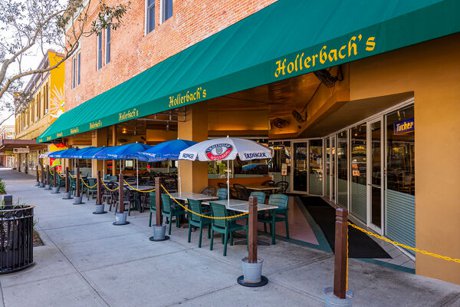
Hollerbach's German Restaurant in Downtown Sanford

Downtown Sanford restaurants are concentrated in Historic Downtown Sanford, a walkable district along Lake Monroe in Seminole County, about 23 miles north of downtown Orlando. The scene ranges from Hollerbach's German Restaurant, the area's signature destination spot at 205 E 1st Street, to chef-driven Southern cooking at The Tennessee Truffle, a food hall at Henry's Depot, and waterfront seafood near the RiverWalk. Most restaurants sit within a few blocks of First Street and Park Avenue, so visitors can park once and walk between them. Reservations are recommended on weekends.

Here's something a lot of people moving to the Orlando area don't realize: some of the best eating in Central Florida isn't near the theme parks at all. It's a half-hour north, in a brick-street downtown most newcomers have never heard of.

We're talking about Sanford — specifically its Historic Downtown district, which over the last decade or so has quietly become one of the region's genuine foodie towns. Whether you're scouting where to live or just looking for a Saturday worth driving for, downtown Sanford restaurants are worth getting to know.

Let's be real, though: it's not for everyone, and we'll get to the honest pros and cons. But first, why does a small town on the St. Johns River have a dining scene at all?

Where Is Downtown Sanford (And Why It Became a Food Town)?

Sanford is the seat of Seminole County, founded as a city back in 1877 and sitting right on the south shore of Lake Monroe, at the head of the navigable St. Johns River. That waterfront location earned it the nickname the "Historic Waterfront Gateway City," and it's about 23 miles north of downtown Orlando — roughly a 30-to-40-minute drive depending on whether you take I-4 or SR 417.

The downtown core is the draw. Brick-lined First Street and Park Avenue are packed with century-old buildings, many on the National Register of Historic Places, and that's exactly the kind of bones a food scene loves. As restaurateurs began restoring those storefronts, the dining and craft-beverage scene took off, and "Sanfording" — bouncing from restaurant to bar to brewery on foot — became an actual thing people say. If you want the full lay of the land, our guide to where Sanford is located breaks down the roads, borders, and nearby communities.

The Anchor: Hollerbach's German Restaurant

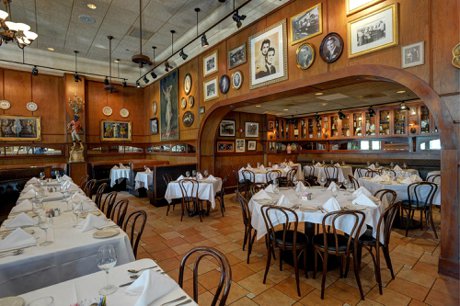
Every great food town has a flagship, and in Sanford that's Hollerbach's German Restaurant (205 E 1st St). A downtown fixture for roughly two decades — long enough that it shaped the district's reputation before "Sanfording" was a hashtag — it serves hearty, authentic German fare, a deep German beer list, and live music indoors, on the patio, and up on the rooftop Biergarten.

Fun fact: it spent most of its life as "Hollerbach's Willow Tree Café," and locals still call it "The Tree." It's the place out-of-towners drive in specifically to visit, so weekend reservations are a smart move. To learn more or check the live-music calendar, visit Hollerbach's.

Chef-Driven and Fine Dining

If Hollerbach's is the party, Sanford's chef-driven spots are the special-occasion side of town:

  • The Tennessee Truffle (125 W 1st St) — a small, modern-Southern kitchen that cures its own bacon, bakes its own biscuits, and leans hard on Central Florida farms. The chef has won local "best chef" honors more than once. Heads up: it keeps limited hours (dinner Thursday through Saturday plus Saturday brunch), so plan around it.
  • The District Eatery, Tap & Barrel — a scratch-kitchen New American spot in a restored historic room, with craft beer and cocktails and a loyal local following.
  • The Old Jailhouse — yes, it's literally inside Sanford's former early-1900s county jail, cells and all. Today it's fine dining and craft cocktails; the historic setting is the whole point.

These three tend to need reservations on weekends — a good problem for a town this size.

Food Halls, Gastropubs, and Craft Beer

Here's where the walkable, graze-as-you-go side of Sanford shines:

  • Henry's Depot — a food hall on the site of one of Florida's earliest rail depots, with a rotating lineup of vendors under one roof (think burgers, seafood, wood-fired pizza, and barbecue). Great for groups who can never agree on one cuisine.
  • Buster's — a longtime gastropub (open since 2013) famous for double-fried, hand-cut Belgian-style frites and a big draft list. Worth noting: it changed ownership a few years back and has broadened from its original Belgian-only beer focus into more of a European beer hall, so the lineup is wider than it once was.
  • Tuffy's — Sanford's original cidery, now a music-and-games hangout with a kitchen, and a reliable stop on any downtown bar crawl.

The craft-beverage density downtown is genuinely high for a town this size, which is a big part of why "Sanfording" works as a walkable, designated-driver-friendly night out.

Waterfront and Riverfront Dining

Sanford's relationship with the water is its quiet superpower. St. Johns River Steak & Seafood puts a steak-and-seafood menu on a patio with a Lake Monroe view — our tip is to book for sunset. A short stroll away, The Breezeway Restaurant & Bar tucks Southern-leaning plates and cocktails into a courtyard between two historic buildings.

Both sit near the Sanford RiverWalk, a paved trail along Lake Monroe that turns a dinner into an evening. If that waterfront-living idea is sticking with you, it's worth browsing Sanford waterfront homes to see what living near all of this actually costs.

The Honest Pros and Cons

We promised straight talk, so here it is.

The Pros:

  • Genuinely walkable — park once and hit several spots on foot
  • Real variety, from German and modern-Southern to food halls and waterfront seafood
  • Historic character you can't fake, with patios and courtyards everywhere
  • No theme-park markup, and parking is far easier (and cheaper) than the tourist corridor
  • A scene that's still growing, with new concepts opening regularly

The Cons:

  • It's a 30-to-40-minute drive from much of the Orlando metro — a destination, not a quick weeknight bite for most
  • Some of the best chef-driven spots keep limited days and hours
  • Weekends get busy, so reservations (and a little patience for parking) matter
  • Like any growing scene, there's turnover — a favorite can change hands or concept

What the Neighbors Know

Locals will tell you the move is simple: come on a weeknight if you can, park once near First Street, and treat the whole district as one big progressive dinner. Start with frites or a beer, work toward a sit-down dinner, and finish with a riverfront walk. On weekends, book ahead for the marquee spots and keep the casual food hall and gastropubs as your no-reservation backup.

The other thing neighbors know is that downtown does double duty — the same blocks are full of boutiques and antique shops, so dinner pairs easily with an afternoon out. Our Sanford shopping guide covers where to browse before you eat.

For the full, up-to-date roster of who's open and what's new, check the official Historic Downtown Sanford dining directory before you head out.


Thinking about putting down roots near one of Central Florida's best food towns? Explore our complete Sanford restaurants and dining guide, browse Sanford homes for sale, or reach out for personalized relocation advice — we'd love to help you find your spot. 🍴
May 29, 2026

Celebration, FL Restaurants: A Foodie's Guide to Unique Dining Near Orlando

Celebration, FL Restaurants: A Foodie's Guide to Unique Dining Near Orlando

From Florida's oldest restaurant to a New England seafood tavern and a hometown brewery — the most distinctive places to eat in Disney's storybook town.

The Columbia Restaurant in Celebration FL

Celebration is a Disney-built master-planned community in Osceola County, Florida, located off World Drive and I-4 about 25 miles southwest of downtown Orlando and roughly 5 to 10 minutes from Walt Disney World. Its dining scene is concentrated in the walkable Town Center along Market Street and Front Street, overlooking Lake Rianhard. Anchor restaurants include the Columbia Restaurant (Spanish-Cuban; the Columbia family was founded in 1905 and is Florida's oldest restaurant), Celebration Town Tavern (New England seafood with 99-plus beers), Reggiano's of Celebration (wood-fired Italian), and Celebration Brewing Company (craft beer and pizza). The district also offers Turkish, Mexican, Japanese, Southern, and French dessert options within a few walkable blocks.

You came to this corner of Central Florida for the theme parks — we get it. But here's something most Disney visitors never realize: ten minutes from the Magic Kingdom gates sits a real, walkable downtown with one of the most surprisingly diverse dining strips in the Orlando area. Welcome to Celebration, the master-planned town Disney built in the 1990s, where you can eat Spanish-Cuban, New England seafood, Turkish, and wood-fired Italian without ever moving your car.

This isn't a guide for picking up a quick bite (though you can do that too). It's for travelers and food lovers chasing a genuinely unique dining experience — the kind you'll actually remember from your trip. Almost everything worth your time is clustered around Market Street and Front Street, hugging the shore of Lake Rianhard, so a single evening can easily become a slow lakeside crawl from dinner to dessert.

The food punches well above the town's size. Here's where to point yourself.

First, a Quick Word on Where You Are

Celebration opened in 1996 as a fully planned community developed by The Walt Disney Company, and the dining district was designed from day one to feel like a walkable American main street. The Town Center wraps around Lake Rianhard with a lakeside boardwalk, brick sidewalks, and patio seating practically everywhere. That walkability is the secret sauce: park once, and the whole food scene is yours on foot.

For the full layout, parking, and vibe before you go, see our Downtown Celebration guide.

The Anchor: Columbia Restaurant

If you do one meal in Celebration, make it the Columbia Restaurant. The Columbia family founded its original location in Tampa's Ybor City in 1905, making it Florida's oldest restaurant, and the Celebration outpost brings that century-old Spanish-Cuban tradition to a gorgeous spot right on Lake Rianhard.

Order the legendary 1905 Salad (tossed tableside), a bowl of Cuban black bean soup, and the Spanish sangria. Snag a sidewalk or patio table at sunset and you've got the kind of meal that defines a trip. For the full backstory, see our deep dive on the Columbia Restaurant on Lake Rianhard.

Lakeside Tables With a View

Celebration Town Tavern is the local institution — a slice of New England transplanted to Florida, complete with raw-bar seafood, lobster, clam chowder, and a beer list that famously runs 99-plus deep. The lakefront patio is one of the best seats in town.

Right on the water at the community's boutique hotel, Lakeside Bar & Grill serves casual American plates and cocktails with arguably the prettiest lake views of the bunch. Between these two and the Columbia, the waterfront is the heart of the action — more in our lakeside and outdoor dining roundup.

A Surprising World Tour

This is where Celebration earns its "unique" badge. Within a few blocks you can travel the globe:

  • Reggiano's of Celebration — the newest big-deal arrival, an upscale family-owned Italian spot with a scratch kitchen, open wood-burning oven, fresh seafood, and steaks, overlooking the lake.
  • Istanbul Grill — authentic Turkish cooking that regulars rave about; the Turkish eggs and grilled platters are a genuine change of pace from the usual tourist fare.
  • Ari Sushi — lakefront sushi plus Japanese and Korean dishes like bibimbap and teriyaki, with rolls you can enjoy right on Front Street.
  • Avocado Mexican Grill — colorful, casual Mexican plates with outdoor seating and the same lake views as its pricier neighbors.

It's an unusually global lineup for a town this small — and exactly why food-curious travelers keep finding their way here.

Comfort Food & All-Day Eats

Two spots own the casual, comforting end of the spectrum. Downtown Diner is a retro American diner that went a little viral on social media for its over-the-top breakfasts and chicken-and-waffles — classic comfort food in a charming setting. And Maple Street Biscuit Company serves modern Southern fare built around fluffy biscuit sandwiches; the salty-sweet "Sticky Maple" (fried chicken, bacon, and maple over a biscuit) is the move.

Traveling with kids or a crowd that can't agree? Our casual and family-friendly dining guide and the weekend-focused brunch and breakfast roundup have you covered.

Beer, Chocolate, and Macarons

Save room and a little thirst. Celebration Brewing Company is the town's own craft brewery, pouring house beers alongside pizza and pub bites — a relaxed, locals-heavy hangout. For the sweet finish, Kilwins hand-paddles fudge and scoops ice cream (the chocolate-dipped apples are a window-display trap, in the best way), and just down the block, Le Macaron turns out Paris-style French macarons in flavors like rose and key lime.

Want the full sugar map? See our sweet treats and dessert shops guide.

If You've Got a Car: Two Nearby Detours

Two more food destinations sit minutes away. Celebration Pointe, at I-4 and World Drive, adds newer retail-and-dining options on the way out of town. And a short hop up World Drive lands you at Disney Springs, Disney's open-air dining and entertainment district with dozens of celebrity-chef and themed restaurants. Foodies headed toward Orlando proper should also bookmark our Restaurant Row in Dr. Phillips guide.

Tips for Dining in Celebration

  • Park once. Free public parking rings the Town Center; leave the car and walk the whole scene.
  • Make a reservation. The Columbia, Reggiano's, and Town Tavern fill up on weekends and holiday evenings — book ahead, especially around the December "Now Snowing" season.
  • Come hungry on Sunday. The Celebration Sunday Farmers Market adds artisan bites and a lively pre-meal stroll along the lake.
  • Time it for sunset. The lakeside patios are the whole point; aim for golden hour.

The Honest Pros and Cons

What's great: a walkable, scenic, genuinely varied food scene that feels worlds away from the theme-park food courts, all in one tidy district. The trade-offs: it's compact, so late-night and big-chain options are limited, and lakeside Disney-adjacent dining carries Disney-adjacent prices. Expect a relaxed evening rather than a sprawling restaurant week, and you'll love it.

What the Neighbors Know

Here's the insider take: locals don't think of Celebration as "the place near Disney with food" — they think of the Town Center as a legitimate dining destination in its own right. The move is to make an evening of it. Start with sangria and the 1905 Salad at the Columbia, wander the lakeside boardwalk to walk it off, then circle back for a macaron or a scoop at Kilwins as the lights come on over Lake Rianhard.

For couples, the waterfront tables make for an easy romantic night out — our date night in Celebration guide maps the most romantic spots. And if all this lakeside strolling has you eyeing the real estate, you wouldn't be the first visitor to fall for the place. 🍴

For current restaurant hours, seasonal events, and the full Town Center directory, visit the official Celebration Town Center website, the Osceola County tourism guide at Experience Kissimmee, or the Columbia Restaurant site for reservations.


Hungry for more of the area? Explore our complete Celebration restaurants and dining guide, find seasonal happenings in our Celebration events guide, or browse boutique finds in the Celebration shopping guide. Thinking about calling this storybook town home? Browse Celebration homes for sale or contact us for personalized relocation advice!

May 29, 2026

Mills 50 & The Milk District: Orlando's Eclectic Districts

Mills 50 & The Milk District: Orlando's Eclectic Districts

Two walkable neighborhoods east of downtown where murals, dive bars, and Michelin-level food collide

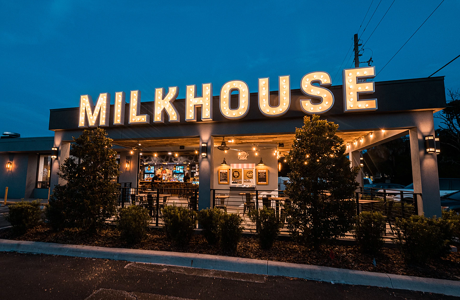
The Milkhouse in the Milk District of Orlando

Mills 50 and the Milk District are two adjacent walkable districts in Orlando, FL, located just east and north of downtown. Mills 50 is centered on the intersection of Mills Avenue (U.S. 17-92) and State Road 50 (Colonial Drive) and was built largely by Vietnamese immigrants starting in the 1970s, earning the nickname "Little Vietnam." The Milk District, named for the T.G. Lee Dairy founded in 1925, sits about a mile southeast around East Robinson Street and North Bumby Avenue. Both are official City of Orlando Main Street districts and together hold more than a dozen Michelin Guide-recognized restaurants. In September 2025, National Geographic named Mills 50 "the most interesting neighborhood in Florida."

Here's something most people moving to Orlando don't realize: the real food-and-culture action isn't out by the theme parks. It's a few minutes east of downtown, in two scrappy, mural-covered districts locals are fiercely proud of — Mills 50 and the Milk District, arguably the most interesting square mile in Central Florida.

If your picture of Orlando is all roller coasters and chain restaurants, stick with us. These districts are where you go for late-night noodles, a dive bar with darts, and a storm drain someone turned into art. Whether you're scouting Downtown Orlando neighborhoods or just want to eat well, this is the corner of the city worth knowing.

Mills 50: Orlando's "Little Vietnam"

Mills 50 gets its name the simplest way possible — from the intersection of Mills Avenue (U.S. 17-92) and State Road 50, better known as Colonial Drive. Sitting directly north of downtown, it's one of Orlando's oldest neighborhoods, and one of its most layered.

Here's the history part. In the 1970s and '80s, after the fall of Saigon, Vietnamese refugees resettled in Central Florida and began opening markets, bakeries, and restaurants along Mills and Colonial. That "Little Saigon" became one of the largest clusters of Vietnamese-owned businesses in Florida. Today it's broader — Korean, Japanese, Filipino, Thai, and Latin spots have joined in — but the Vietnamese foundation is still the heartbeat of the place.

The food has gone from neighborhood secret to national news. Mills 50 now claims more Michelin Guide restaurants than any other part of the city, with several Bib Gourmand honorees inside the Mills Market food hall (formerly Tien Hung Market). In September 2025, National Geographic called Mills 50 "the most interesting neighborhood in Florida" — not bad for a strip of family-run shops along a state highway.

Then there's the art. Mills 50 has more large-scale murals than any district in Orlando, plus painted utility boxes, art drains, and decorated dumpsters, all part of a long-running public art program — a Saturday coffee run here feels like an art walk. For how it fits the city's wider creative scene, see our guide to Downtown Orlando's Cultural Core.

The Milk District: A "Culture of Subcultures"

Drift about a mile southeast and you hit the Milk District, a compact neighborhood just east of Thornton Park, roughly eight blocks by four. Its name is wonderfully literal: it's built around the T.G. Lee Dairy.

Fun fact for trivia night — in 1925, a Florida native named Thomas Gilbert Lee started a dairy farm here with one cow and twenty acres. It grew into a local institution, and the processing plant on Bumby Avenue is still running today. The surrounding strip of bars, shops, and restaurants adopted the "Milk District" identity, and in 2024 the city designated it one of Orlando's Main Street districts — among the newest in a program the city launched in 2008.

The Milk District calls itself a "culture of subcultures," and that's the honest pitch: dive bars, a billiards hall, vintage and record shops, the Plaza Live theater, and a Tuesday-night food truck gathering known as Tasty Tuesdays. It's small, a little kitschy, and genuinely walkable — you can catch a show, grab dinner, have a cocktail, and walk home.

What's the Food Actually Like?

The food is what draws people in, and between the two districts you'll find more than a dozen Michelin Guide-recognized restaurants. In Mills 50, the Mills Market food hall is the entry point, with several Michelin Bib Gourmand pop-ups under one roof. The district leans Asian and value-forward: Vietnamese pho and banh mi, Korean wings, Japanese small plates, and a stream of new wine bars and coffee shops. Many casual meals land in the $10–$25 range.

The Milk District counters with several Michelin-recognized spots of its own, anchored by Otto's High Dive, a Bib Gourmand cocktail bar that also earned a Michelin Exceptional Cocktails nod. Alongside the chef-driven places sit beloved old-school counter joints and delis locals have guarded for decades. Vegans aren't left out either; the district jokingly promotes its "Almond Milk District" plant-based options.

To compare scenes across the metro, read up on Restaurant Row in Dr. Phillips, the polished dining strip in Dr. Phillips, and the tourist-facing lineup along International Drive. Mills 50 and the Milk District are the grittier, more local counterpoint to both.

Getting There (and Getting Around)

Location is a big part of the appeal. Both districts sit just east of the downtown core, so you're rarely more than five to ten minutes from the central business district. Colonial Drive (SR 50) cuts straight through Mills 50, and the 408 East-West Expressway runs just to the south. For car-free days, downtown's SunRail station and LYNX bus hub are a short ride west, and the paved, three-mile Orlando Urban Trail threads the area for bikers and runners. To the north, Winter Park is about 15 minutes away.

Living Here: The Honest Pros and Cons

Now let's address the elephant in the room: this is not master-planned suburbia. If you're picturing a gated community with a clubhouse and three-car garages, these districts will surprise you — for better and worse. The housing is mostly older bungalows and small homes built between the 1920s and 1950s, in surrounding neighborhoods like Colonialtown North, Colonialtown South, and Lake Como.

The Pros:

  • Truly walkable — restaurants, bars, and shops within blocks of home
  • Minutes from downtown jobs and culture; easy expressway access
  • Tons of character: historic homes, mature trees, and street art
  • Many older homes have no HOA, which is rare in metro Orlando
  • A genuine, diverse, locally owned community feel

The Cons:

  • Smaller lots and homes; older roofs, plumbing, and wiring to budget for
  • Nightlife means weekend noise and parking pressure on some streets
  • Fewer big-box conveniences — you trade Costco for character
  • Renovated bungalows near the action can run high per square foot

Our Take:

If you value walkability, food, and personality over square footage and newness, it's hard to beat this part of Orlando. If you need quiet, space, and turnkey new construction, you'll likely be happier elsewhere — our look at the geography of Orlando and where to live can help you weigh the trade-offs. Either way, run the numbers first with our honest cost of living in Orlando guide.

What the Neighbors Know

Mills 50 and the Milk District won't show up in many tourist brochures, and the people who live near them probably prefer it that way. These are the districts that remind you Orlando is a real, lived-in city — one with immigrant history, a serious food scene, and a creative streak that spills onto the walls.

The locals' secret? Go hungry, wear comfortable shoes, and treat a night here like a tasting menu of the whole city — murals in Mills 50 by day, a show and a drink in the Milk District after dark. Time it right and you'll catch the Tet Festival in winter or a Tasty Tuesday food truck night; for more, browse our Central Florida festivals and traditions roundup. 🎨

For current business listings, events, and maps, visit the official Mills 50 and Milk District websites, or the City of Orlando's Main Streets program.


Curious whether an urban Orlando neighborhood fits your life? Browse Downtown Orlando homes for sale or Contact Us for personalized relocation advice!

May 29, 2026

International Drive Restaurants: An Orlando Local's Honest Guide

International Drive Restaurants: An Orlando Local's Honest Guide

The tourist strip is packed with places to eat - here's what's actually worth your time, and where the neighbors go instead.

International Drive Restaurants

International Drive (I-Drive) is an 11.1-mile tourist corridor in southwest Orlando, FL, anchored at its south end by the Orange County Convention Center, the second-largest convention center in the United States. The strip's notable dining is concentrated in two open-air complexes: Pointe Orlando (home to The Capital Grille and Taverna Opa) and ICON Park (home to Yard House and Gordon Ramsay Fish & Chips). I-Drive restaurants skew toward tourist-oriented chains, themed venues, and buffets. For everyday dining, Orlando locals head to Restaurant Row on Sand Lake Road, which crosses the north end of I-Drive, where 150-plus independent restaurants serve the adjacent residential community of Dr. Phillips.

So you've heard that International Drive has hundreds of restaurants - and that's true. But here's the honest part most relocation guides skip: I-Drive was built for tourists, not for the people who live here. That doesn't make it useless to a future resident. It just means you should know what you're actually getting before you plan your dining life around it.

Think of International Drive as Orlando's answer to the Las Vegas Strip: roughly 11.1 miles of hotels, attractions, the convention center, and food aimed squarely at the 70-plus million visitors who pass through the region each year. The question for you isn't "where do tourists eat here." It's "what does this corridor mean for me once the suitcases are unpacked?"

What International Drive Actually Is (and Isn't)

I-Drive stretches about 11.1 miles through southwest Orlando, running from US 192 (Irlo Bronson Highway) at the south up to Oak Ridge Road at the north, with Sand Lake Road and Kirkman Road crossing it along the way. Its southern anchor is the Orange County Convention Center - at roughly 7 million square feet, the second-largest convention facility in the United States, trailing only Chicago's McCormick Place.

Here's the thing to internalize: nobody is buying a house on International Drive. It's hotels, timeshares, attractions, parking garages, and dining built for visitors and conventioneers. The residential communities sit just off it - most notably Dr. Phillips to the north and west, plus Williamsburg and Metro West nearby. So when we talk about "living near I-Drive," we're really talking about those neighborhoods with the strip in their backyard.

The Two Dining Anchors: Pointe Orlando and ICON Park

Most of I-Drive's worthwhile sit-down restaurants aren't scattered randomly along the road - they're clustered in two open-air entertainment complexes. If your visiting in-laws ask where to eat, point them here first.

Pointe Orlando

This is the more grown-up of the two. Pointe Orlando is home to The Capital Grille (a genuinely excellent steakhouse, and reservation-worthy in peak season), the high-energy Greek spot Taverna Opa with its belly dancers and napkin-tossing, plus newer additions like JoJo's ShakeBAR and The Hampton Social. It's walkable, it has a movie theater, and it's where you'd take a date or a client without feeling like you wandered into a theme-park food court.

ICON Park

A few minutes north, ICON Park is the one with The Wheel - that 400-foot observation wheel you've seen lit up at night. Dining here leans more casual and entertainment-forward: Yard House for beer and American fare, Gordon Ramsay Fish & Chips for a quick bite, and a rotating cast of bars and quick-service spots. It's fun, it's loud, and it's built for a night out rather than a quiet dinner.

Beyond those two, I-Drive classics like Cafe Tu Tu Tango round out the strip, alongside the buffets, chain steakhouses, and themed dinner shows that built the corridor's reputation.

The Honest Truth About I-Drive Dining

Let's be real about the trade-offs. I-Drive dining has real strengths - and some real downsides that locals learn fast.

The Pros

  • Enormous variety in a compact area - steak, sushi, Greek, Brazilian churrascaria, buffets, and themed venues all within a few miles
  • Great for entertaining out-of-town guests, kids, and big groups
  • Late hours and high capacity, so you can usually get fed even at odd times
  • Walkable pockets at Pointe Orlando and ICON Park with parking on site

The Cons

  • Tourist pricing - you're often paying a premium for location, not just the food
  • Heavy on national chains and gimmicks; fewer independent, chef-driven spots
  • Traffic and parking get rough, especially during major convention weeks
  • It's a place you visit, not a place that feels like your neighborhood

Where the Neighbors Actually Eat: Restaurant Row

Here's where it gets interesting. Drive to the north end of I-Drive, hit Sand Lake Road, and you cross into a completely different dining world. This is Restaurant Row - and it's the one most relocation articles never mention.

Running along Sand Lake Road (SR 482) between Dr. Phillips Boulevard and International Drive, Restaurant Row packs in 150-plus restaurants representing more than 30 cuisines. The crucial difference: this is the densest concentration of independent, locally loved dining in metro Orlando - not a tourist strip. It's where Dr. Phillips residents actually go on a Tuesday.

If you want the full rundown, our guide to Restaurant Row in Dr. Phillips breaks down the standouts, and you can explore even more options in our complete Dr. Phillips restaurants and dining guide.

What This Means If You're Moving Here

The smart way to think about I-Drive as a resident is amenity, not address. You don't live on it - you live near it, which gets you a tourist-grade entertainment-and-dining corridor for big nights and visiting family, plus Restaurant Row minutes away for the food you'll actually eat week to week.

That combination is a big part of why Dr. Phillips and its neighbors stay so desirable. The corridor also connects easily to the rest of southwest Orlando - our look at the Conroy Road and International Drive corridor explains how the residential side links to the tourism district. And if you'd rather plan a day of fun than a dinner, our guide to International Drive Attractions covers the rides, mini-golf, and museums. For upscale shopping and dining just east, there's always The Mall at Millenia.

Local Tips for Eating on I-Drive

  • Check the convention calendar. When a big show is in town at the convention center, restaurant waits and traffic on the south end spike hard. Aim for the north end - or off-strip entirely - those weeks.
  • Reserve ahead at the good ones. Spots like The Capital Grille and Taverna Opa fill up on weekends and during peak tourist season. A quick reservation saves a long wait.
  • Use the I-Ride Trolley. If you're parking once and bar-hopping, the trolley runs the length of the strip cheaply and saves you the parking shuffle.
  • For date night, drift north. The closer you get to the Sand Lake Road end, the more the dining tilts from tourist to local - and usually from gimmick to genuinely good.

What the Neighbors Know

International Drive is one of the most famous dining strips in Florida, and there's real value in having it close - especially when family visits or you want a big, fun, no-planning-required night out. But the neighbors will tell you the honest truth: the everyday magic isn't on I-Drive itself. It's at the north end, where the tourist corridor hands off to Restaurant Row and the independent kitchens of Dr. Phillips take over.

Live in the right spot, and you don't have to choose. You get the spectacle of the strip and the substance of the neighborhood - which is about as Orlando as it gets. 🍽️

For event calendars and the full directory, visit the official International Drive district website, with current happenings at the Orange County Convention Center and dining at ICON Park.


Thinking about a home with International Drive's dining and entertainment in your backyard? Explore Dr. Phillips homes for sale or browse our complete Dr. Phillips restaurants and dining guide - and reach out anytime for personalized relocation advice!

May 29, 2026

Restaurant Row in Dr. Phillips: Orlando's Dining Capital

Restaurant Row in Dr. Phillips: Orlando's Dining Capital

Why locals skip the theme-park food courts and head straight to Sand Lake Road instead

Restaurants along Restaurant Row in Dr Phillips

Restaurant Row is the nickname for the stretch of West Sand Lake Road (State Road 482) in the Dr. Phillips neighborhood of Orlando, running roughly between Dr. Phillips Boulevard and International Drive, just east of Interstate 4 Exit 74. It is home to more than two dozen marquee restaurants plus dozens more across surrounding plazas, blending acclaimed local independents with upscale national chains. Christini's Ristorante Italiano, open since 1984, is the longest-running anchor on the strip. Restaurant Row sits about five minutes from the Orange County Convention Center and is positioned between Walt Disney World and Universal Orlando, yet it functions as a locals' dining destination rather than a tourist strip.

Here's something most people moving to Orlando don't realize: you do not have to choose between overpriced theme-park burgers and a 40-minute drive to find a real meal. In Dr. Phillips, the answer to "where should we eat?" has its own nickname — Restaurant Row — and locals have been quietly guarding it for decades.

So you've heard Orlando is all mouse ears and turnstiles? Restaurant Row is the counterargument — a dense run of steakhouses, sushi counters, seafood houses, and wine bars along Sand Lake Road where southwest Orlando goes for date night, the big anniversary, or a Tuesday that just needs better food.

So What Exactly Is Restaurant Row?

Restaurant Row isn't an official district with a gate and a welcome sign. It's the affectionate local name for the dining-packed stretch of West Sand Lake Road — designated State Road 482 — as it runs through Dr. Phillips. The action concentrates roughly between Dr. Phillips Boulevard and International Drive, just east of I-4 Exit 74.

Geographically, it's a sweet spot — about five minutes from the Orange County Convention Center, a short hop from International Drive, and sitting between Walt Disney World and Universal Orlando. According to Visit Orlando, the branded core gathers more than two dozen marquee restaurants — and that's before the dozens of additional spots tucked into surrounding plazas like Dellagio Town Center, Plaza Venezia, and The Marketplace at Dr. Phillips.

Here's what trips up newcomers: this is not a tourist food strip. The crowds skew local — it's a foodie destination built for the people who live here, which is exactly why it stays good.

From Orange Groves to Foodie Capital

Fun fact for your next dinner-party trivia: when the first fine-dining flag went up on Sand Lake Road, the area was mostly orange groves. Christini's Ristorante Italiano opened in 1984, when founder Chris Christini bet on a sleepy citrus corner that everyone told him was too far out. More than 40 years later, Christini's is still here — family-owned, award-laden, and the elder statesman of the entire strip.

Once Christini's proved the concept, the dominoes fell. Steakhouses, seafood concepts, and international kitchens followed as Dr. Phillips filled in around them, and Sand Lake Road earned its nickname. For the full origin story, our history of Sand Lake Road guide traces the whole arc.

The Heavy Hitters: Who's Actually on the Row

Tenants and menus do change — that's the nature of restaurants everywhere — so treat this as a representative snapshot rather than a permanent map. That said, a few names anchor the experience:

  • Steak & seafood: Ocean Prime, Eddie V's Prime Seafood, Big Fin Seafood Kitchen, Fleming's Prime Steakhouse, Morton's, and Ruth's Chris cover the surf-and-turf bases.
  • Italian: Christini's is the white-tablecloth classic, around since 1984 and still setting the bar.
  • International: Dragonfly Robata Grill & Sushi, Bosphorous Turkish Cuisine, and Chima Brazilian Steakhouse bring serious range to the strip.
  • Wine-forward: Sixty Vines, with its wine-on-tap program at Plaza Venezia, is one of the newer additions in the former Roy's space.

Craving a specific cuisine? Our deep dive into Asian cuisine on Restaurant Row covers the sushi, ramen, and dim sum scene in detail. For the full directory of every option, lean on our complete Dr. Phillips restaurants and dining guide.

It's Not Just White Tablecloths

Let's be real — not every night calls for a $90 ribeye, and a lot of the Row's best value hides in plain sight.

The after-work crowd knows it for deals; our Dr. Phillips happy hour guide maps the best discounted bites along Sand Lake Road. Weekends bring a brunch scene — see our brunch spots in Dr. Phillips. Got kids? There's more family-friendly dining than the tablecloths suggest, while wine lovers can chart the wine bars and tasting rooms nearby. On a budget? Our guide to affordable eats and food trucks proves you don't need a reservation to eat well here.

Why Should Orlando Residents Care?

Because it quietly raises your quality of life every week. There's a real difference between living 25 minutes from good food and living five minutes from it — for Dr. Phillips residents, "going out" doesn't require planning a logistics expedition.

It's also a date-night and entertainment engine. Many spots feature performers, and our look at live music along Restaurant Row pairs nicely with a roundup of date night ideas in Dr. Phillips. Once a year, the community even throws the Taste of Dr. Phillips food festival to celebrate the whole scene. Find even more options in our Dr. Phillips events guide.

The real-estate angle is hard to ignore. Several of the most walkable addresses in the community — Dellagio and Toscana among them — sit right on or beside the strip, with the Tuscan-styled Dellagio Town Center blending condos, shops, and dining into a true village feel. Restaurant Row proximity is a genuine line item buyers pay for here.

Living Near Restaurant Row: The Real Deal

Let's weigh it honestly, because no location is all upside.

The Pros:

  • World-class dining within a five-minute drive — often walkable from adjacent neighborhoods
  • Easy I-4 access at Exit 74 plus quick routes to Universal, Disney, and the Convention Center
  • Strong, lasting property values supported by Dr. Phillips' reputation and amenities
  • A genuine social scene — happy hours, live music, and festivals keep the area lively year-round

The Cons:

  • Sand Lake Road traffic gets heavy at dinnertime and during convention weeks
  • Dining-corridor homes and condos command a premium over comparable inland options
  • Tourist and event spillover from nearby I-Drive can mean busier weekends

Our take: if food, walkability, and a five-minute commute to anything you'd want to eat rank high on your list, the neighborhoods around Restaurant Row are tough to beat. If you crave dead-quiet cul-de-sacs, look to the western, more residential edges of the community instead.

Local Tips for Doing the Row Right

  • Reserve ahead. The marquee names fill up Friday and Saturday nights and during conventions.
  • Use valet — or arrive early. Most restaurants offer valet and self-parking, but lots tighten up by 7 p.m. on weekends.
  • Watch for Magical Dining. Each late summer, Visit Orlando's Magical Dining promotion brings prix-fixe menus to many Row restaurants — a lower-cost way to sample the high end.
  • Shop while you're there. Several centers pair dining with retail; browse our Dr. Phillips shopping guide to make an evening of it.

What the Neighbors Know

Restaurant Row isn't a tourist attraction that happens to have good food — it's a neighborhood dining culture that tourists are lucky to stumble into. For locals, it's the everyday luxury of excellent restaurants a few minutes from the door, from a 40-year Italian institution to a wine bar that didn't exist last year.

If you're weighing a move to southwest Orlando, this is one of those amenities that's easy to underrate on a spreadsheet and impossible to overrate once you live it. 🍽️

To browse current restaurants, hours, and events for yourself, visit Visit Orlando's official Restaurant Row page, or check the longest-running anchor, Christini's Ristorante Italiano.


Thinking about calling Dr. Phillips home? Explore Dr. Phillips homes for sale, dig into our complete Dr. Phillips restaurants and dining guide, or contact us for personalized relocation advice. We know exactly where the neighbors eat.

May 29, 2026

Winter Park Restaurants: A Local's Guide to Dining on Park Avenue

Winter Park Restaurants: A Local's Guide to Dining on Park Avenue

What's actually open right now on Central Florida's most charming main street — plus honest tips on parking, timing, and the spots locals love

Winter Park Restaurants

Park Avenue is the dining and shopping heart of Winter Park, FL, located about 6 miles north of downtown Orlando. The brick-paved corridor runs through the Downtown Winter Park Historic District and anchors the Park Avenue District's 140-plus small businesses. Top Winter Park restaurants currently open include Prato (modern Italian), Bulla Gastrobar (Spanish tapas), BoVine Steakhouse, Boca (farm-to-table), and Bosphorous (Turkish). Two longtime institutions have closed — Luma on Park (2020) and 310 Park South (2024) — with Oak & Stone now taking over the former 310 space in 2026.

So you've heard that Winter Park has one of the best dining scenes in metro Orlando — and you've heard right. But here's the thing about Park Avenue: it's gorgeous, it's walkable, and it changes faster than most people realize. Half the "best of Park Ave" lists online still recommend restaurants that closed years ago.

We're not going to do that to you. This is a local's honest take on where to actually eat in Winter Park right now — the survivors, the new arrivals, and the institutions that are sadly gone. Whether you're scouting a future neighborhood or planning a weekend brunch, consider this your real-deal field guide.

Quick orientation: Park Avenue is the tree-lined, brick-paved spine of downtown Winter Park, about 6 miles (15-20 minutes) north of Downtown Orlando. It runs alongside the 11-acre Central Park, with Rollins College at the south end and the Charles Hosmer Morse Museum of American Art a block over. The Park Avenue District holds 140-plus small businesses — and a serious share of them serve food.

A Little History (Because Park Avenue Earned It)

Winter Park was founded as a resort town in the 1880s, built to lure wealthy Northerners south for the winter. That resort DNA never really left. Park Avenue grew up as the city's commercial promenade, and the buildings lining it today — many dating from 1882 through the mid-1960s — make up the Downtown Winter Park Historic District, running from Canton to Comstock avenues.

That history matters for diners: Park Avenue was built for strolling, not drive-throughs. The sidewalk-cafe culture is the real thing — outdoor tables, people-watching, and a pace closer to a European piazza than a Florida strip mall.

The Park Avenue Dining Scene Today

Let's get to the food. Here's who's open and worth your time as of 2026:

  • Prato — The reigning heavyweight. Rustic-chic modern Italian with wood-fired pizzas and house-made pasta. If you only get one Park Avenue dinner, make it this.
  • Bulla Gastrobar — Lively Spanish tapas and gastrobar plates, great for sharing and a go-to for groups.
  • BoVine Steakhouse — An upscale steakhouse in the historic former Park Plaza Gardens space, now serving breakfast and lunch alongside dinner.
  • Boca — Farm-to-table cooking with a seasonal, locally-sourced menu for diners who want fresh over fussy.
  • Bosphorous — A longtime local favorite for Turkish cuisine; the pide bread and kebabs have a devoted following.
  • The Chapman and The Imperial on Park — Newer additions that have become regular-rotation spots for cocktails and dinner.
  • Blu on the Avenue — Seafood-forward dining with weekend brunch right on the avenue.

Craving brunch? The Bistro on Park Avenue and several sidewalk cafes turn weekend mornings into a ritual. For a full directory, see our complete Winter Park restaurants and dining guide.

What's New — and What We Lost

Let's be real: Park Avenue is a tough address. Rents are high, leases turn over, and even beloved restaurants don't last forever. Two big names recently went dark:

  • Luma on Park closed in September 2020 after 15 years. A pandemic-era lease dispute ended in litigation, and the acclaimed New American spot never reopened.
  • 310 Park South served its last meal on New Year's Eve 2024, closing after 26 years as a Park Avenue fixture.

The good news? Park Avenue rebuilds. Oak & Stone, from Winter Park-based Artistry Restaurants, is moving into the former 310 Park South space as its Central Florida flagship, and Colombian bakery-cafe Mecatos Bakery & Cafe is among the fresh 2026 arrivals. The roster is always evolving — which is exactly why we update this guide instead of letting it go stale.

Beyond Park Avenue: Hannibal Square & More

Park Avenue gets the spotlight, but smart locals wander west. Just off New England Avenue, the historic Hannibal Square district — one of Central Florida's oldest African American communities, founded in 1881 — is its own dining and nightlife pocket, anchored by the Hannibal Square Heritage Center.

Drift further and you'll hit wine-and-dine spots like Sixty Vines near Winter Park Village. The point: "Winter Park dining" is bigger than one street, and the walkability between clusters is part of the charm. Hungry for comparisons? Orlando's other food corridors are worth a look, from Restaurant Row in Dr. Phillips to the eclectic Mills 50 & Milk District and tourist-heavy International Drive restaurants.

Local Tips for Dining on Park Avenue

A few things we wish every newcomer knew before their first Park Avenue dinner:

  • Parking takes strategy. Free public lots sit behind the storefronts on the side streets, plus a garage off Lyman Avenue. Don't circle the avenue hoping for a curb spot on a Saturday — head straight for the back lots.
  • Mind the construction. As of 2026, the city's Park Avenue Refresh streetscape project is rebuilding the avenue one to two blocks at a time, temporarily closing some sidewalks, lanes, and parking spaces. Check before you go.
  • Reserve for dinner. Prato, BoVine, and the marquee spots fill up on weekends. Walk-in lunch is easy; walk-in Saturday dinner is a gamble.
  • Plan around festivals. The Winter Park Sidewalk Art Festival each March draws 200-plus artists and big crowds, with the Autumn Art Festival doing it again in October. Great for ambiance, brutal for parking.
  • Take the train. SunRail and Amtrak stop at the Winter Park depot right on the avenue — a smart way to skip the parking puzzle.

The Real Deal for Residents: Pros and Cons

If you're weighing Winter Park (or nearby Baldwin Park and Maitland) partly for the food scene, here's our honest scorecard:

The Pros:

  • Walkable, high-quality dining concentrated in one historic district
  • Genuine variety — Italian, Spanish, Turkish, steak, seafood, farm-to-table
  • Sidewalk-cafe culture and constant events keep it lively year-round
  • Train access via SunRail makes car-free dinners realistic

The Cons:

  • Park Avenue prices run higher than most of metro Orlando
  • Parking is a recurring headache, especially on weekends
  • High turnover means today's favorite may not be here in a few years
  • Ongoing streetscape construction adds friction through 2026

What the Neighbors Know

Park Avenue isn't just a place to eat — it's the social engine of Winter Park, and for many residents it's worth the higher home prices to live nearby. The food is genuinely good, the setting is hard to beat in Central Florida, and the rotating cast means there's always something new to try.

Just go in with eyes open: confirm a spot is still open before you build a date night around it, have a parking plan, and don't be afraid to wander off the main drag. Do that, and Winter Park dining lives up to its reputation. 🍽️

For current hours, events, and the latest on which businesses are open along the avenue, visit the official Park Avenue District website, or check the City of Winter Park for construction updates.


Thinking about calling Winter Park home? Explore our Winter Park shopping guide, browse upcoming happenings in our Winter Park events guide, and read up on the avenue itself in our Park Avenue feature. Questions about Winter Park neighborhoods or anywhere else in Central Florida? Contact us for personalized relocation advice!

May 29, 2026

Why Orlando Has So Many Lakes

Why Orlando Has So Many Lakes (Thank the Limestone)

From Lake Eola's swans to the Butler Chain's bass, Central Florida's lakes all trace back to the same underground story

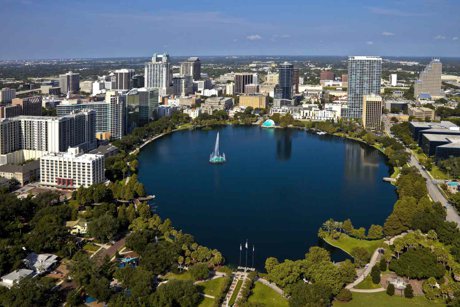
Lake Eola Park in Downtown Orlando

The City of Orlando has more than 100 lakes within its city limits, and surrounding Orange County is dotted with hundreds more. Orlando's lakes exist because Central Florida sits on porous limestone bedrock that rainwater slowly dissolves, creating a landscape called karst that is prone to sinkholes. Many of those water-filled sinkholes became permanent lakes, including the iconic Lake Eola, which began as a sinkhole in the late 1800s. Florida's highest sinkhole risk lies in west-central Florida near Tampa, not in metro Orlando, so most local lakes are long-stable features rather than active hazards.

Here's something most people moving to Central Florida don't realize until they pull up a map: Orlando is absolutely riddled with lakes. Not a few scenic ponds, but hundreds of them, scattered across the metro like someone spilled a glass of water on a road map. The City of Orlando alone counts more than 100 lakes inside its city limits.

So what gives? Why does one inland city, nowhere near the coast, have this many lakes? The short answer is that Orlando is basically built on a giant block of Swiss cheese — and that fact shapes everything from where you can buy a lakefront home to a question every Florida transplant eventually asks: "Wait, should I be worried about sinkholes?"

The Short Answer: Orlando Is Built on Limestone

Underneath all that famously flat, sandy Florida ground is a thick layer of limestone — a soft, porous rock formed over millions of years from the compressed remains of ancient sea creatures. This limestone makes up the Floridan aquifer, the underground reservoir that supplies more than 90% of the state's drinking water.

Here's the catch: rainwater turns slightly acidic as it filters through the soil, and that mildly acidic water slowly dissolves limestone. Over thousands of years it carves out cracks, channels, and hollow cavities below the surface. Geologists call this holey, cave-riddled landscape karst. When the roof of one of those cavities can no longer support the sand and clay above it, the ground collapses — and you get a sinkhole.

From Sinkhole to Scenic: How a Lake Is Born

Now connect the dots. A sinkhole opens up, the bottom dips below the water table, groundwater and rainwater seep in, and over time that depression fills and stabilizes. Many of Central Florida's lakes were born exactly this way.

Want a fun party trick? University of Central Florida engineers note that a noticeably round lake most likely started as a sinkhole, because a collapsing cavity tends to fail in a neat funnel shape. Next time you fly into MCO, look down — you'll never see Orlando the same way again.

The poster child is Lake Eola Park in Downtown Orlando. Those famous swan boats glide across what was once a sinkhole that formed in the late 1800s on land owned by cattle baron Jacob Summerlin. His family donated the surrounding land to the city in 1883, and a public park was born. The fountain is man-made, but the lake itself is pure Florida geology.

Not every sinkhole is so charming, though. In 1981, the infamous Winter Park sinkhole opened up in a single afternoon, swallowing a house, part of a Porsche dealership, several businesses, and a community pool — roughly $4 million in damage. It eventually stabilized into what's now called Lake Rose, which is why Winter Park has lakefront property it arguably earned the hard way.

Just How Many Lakes Are We Talking About?

A lot. Here's the lay of the land:

  • The City of Orlando: more than 100 lakes inside the city limits, from iconic Lake Eola to tiny Lake Dot at just 5.42 acres.
  • Orange County: hundreds of named lakes, the largest being Lake Apopka, which sprawls across the western edge of the county near Ocoee and Winter Garden.
  • Connected chains: some lakes link together into navigable systems, like the 13-lake Butler Chain of Lakes around Windermere and the Conway Chain of Lakes south of downtown.

That density is why "lakefront" isn't a luxury reserved for the ultra-wealthy here (though the Butler Chain certainly leans that way). In many Orlando neighborhoods, a lake view is simply part of the deal.

Why Should Orlando Residents Care?

Lakes Shape Daily Life Here

All this water isn't just pretty — it's functional. Orlando's lakes act as natural stormwater catchments that help control flooding during our legendary summer downpours, and they recharge the aquifer the whole region drinks from. They're also wildlife magnets: nearly 30 species of wading and migratory birds, including roseate spoonbills, ospreys, bald eagles, and wood storks, live in and around them.

For residents, lakes mean lifestyle. Bass fishing here is genuinely world-class, weekend paddleboarding is a thing, and lakeside parks anchor entire communities. To sample the variety in one outing, the Lakeside Orlando trio of Lake Eola, Leu Gardens, and Lake Apopka is a great start, and the Lake Apopka Wildlife Drive is one of the best birding spots in the state.

The Same Geology Makes the Springs, Too

Here's a bonus: the same karst process that drills holes downward also pushes water upward. Where the aquifer breaks the surface, you get crystal-clear, 72-degree springs — which is why a short drive from the city reaches some of Florida's most beautiful swimming holes. Explore them in our guide to Florida springs near Orlando.

The Sinkhole Question: What Homebuyers Actually Need to Know

Let's be real — if Orlando's lakes are old sinkholes, the obvious follow-up is: "Is my future house going to fall into one?" It's a fair question, and here's the honest breakdown.

The Reassuring Part:

  • Most existing lakes are stable sinkholes that filled in centuries or millennia ago. A lake that's been sitting there since the 1800s isn't suddenly going to swallow your dock.
  • Florida's highest-risk zone — the band of frequent collapses nicknamed "Sinkhole Alley" — runs through west-central Florida (Pasco, Hernando, and Hillsborough counties near Tampa), not metro Orlando.
  • New sinkholes are most often triggered by drought or heavy groundwater pumping, not by simply living near a lake.

The Honest Caveats:

  • No part of Florida is fully immune. The sinkhole-prone band does clip the northern Orlando area through Maitland and Winter Park.
  • Sinkhole and "catastrophic ground cover collapse" coverage is handled differently from standard homeowners insurance in Florida — read your policy carefully.
  • Before you buy, you can check a property's relative vulnerability using the Florida Geological Survey's sinkhole map and ask whether the area has any prior subsidence history.

Our take: for the vast majority of Orlando-area buyers, the lakes are a feature, not a hazard. Do your due diligence, line up the right insurance, and then go enjoy the swan boats.

What the Neighbors Know

Orlando's lakes aren't a landscaping decision or a developer's marketing gimmick — they're the visible result of millions of years of limestone slowly dissolving beneath our feet. The same porous bedrock that gives us drinking water, world-class springs, and the occasional dramatic sinkhole is exactly why The City Beautiful wears more than 100 lakes like jewelry.

For anyone considering a move to Central Florida, that geology is worth understanding. It explains why lake views are so common, why the birding and bass fishing are so good, and why a little homework on sinkhole risk and insurance is a smart step before you sign. Knowing the story behind the water makes you a sharper buyer. 🦢

To explore any specific lake's size, depth, and water-quality data, visit the Orange County Water Atlas. For the science behind it all, the Florida State Parks geology guide is a great primer on karst, springs, and sinkholes.


Dreaming of a lakefront address in Central Florida? Whether you're drawn to the Butler Chain near Windermere, the Conway Chain south of downtown, or a quiet neighborhood pond, check out our community guides or Contact Us for personalized relocation advice.

Posted in Lakes-Beaches
May 29, 2026

Lakeside Orlando: Lake Eola, Leu Gardens & Lake Apopka

Lakeside Orlando: Lake Eola, Leu Gardens & Lake Apopka

Three very different ways to spend a day on the water — a downtown icon, a botanical hideaway, and Florida's greatest comeback lake

Lake Apopka in West Orlando

Lakeside Orlando spans three very different experiences. Lake Eola Park is a free 23-acre downtown Orlando park built around a sinkhole lake, with swan paddle boats (Tuesday–Sunday, about 10 a.m.–7 p.m.), a 0.9-mile loop path, and a Sunday farmers market. Harry P. Leu Gardens is a 50-acre botanical garden on Lake Rowena about 4 miles northeast of downtown; admission is $15 for adults and $10 for children 4–17, free the first Monday of each month. The Lake Apopka North Shore Wildlife Drive is a free 11-mile one-way drive northwest of Orlando, open Fridays, Saturdays, Sundays, and federal holidays from 7 a.m. to 3 p.m., with more than 360 bird species on what was once Florida's most polluted large lake.

Here's something most people moving to Orlando don't realize: this is a city built on water. Central Florida has more lakes than anyone bothers to count, and how you spend time on them says a lot about the life you're after here.

So we picked three. Not because they're similar, but because they're not. One is a downtown postcard you can walk to on a lunch break. One is a ticketed botanical garden where the loudest sound is a fountain. And one is a former environmental disaster that's quietly become one of the best wildlife-watching spots in the state. Pick your vibe.

Lake Eola: Orlando's Front Porch

If Orlando has a town square, it's Downtown Orlando's Lake Eola Park. The land was donated to the city in 1883, and the lake at its center isn't a man-made pond — it's an actual sinkhole, roughly 23 acres and about 4,500 feet around. (Very Florida.) The illuminated Linton E. Allen Memorial Fountain is an official city icon, and it still puts on a short light-and-music show after dark.

Day to day, this is where Orlando comes to breathe. There's a 0.9-mile paved loop runners and dog-walkers treat as the city's unofficial track, a playground, the Walt Disney Amphitheater for free concerts, and a Sunday farmers market that's been a downtown ritual for three decades. The signature move is renting a swan-shaped pedal boat — they run Tuesday through Sunday, hold up to five people, and cost a few bucks for a lap around the fountain.

Best part: the park itself is free. For the full rundown on parking, swan-boat hours, and event days, see our deep dive on Lake Eola Park, and if you want the wider neighborhood picture, our look at Downtown Orlando's Cultural Core covers the museums and venues within walking distance.

Harry P. Leu Gardens: 50 Acres of Quiet on Lake Rowena

About four miles northeast of downtown, tucked between the city core and Winter Park, Harry P. Leu Gardens proves Orlando isn't all roller coasters. It's a 50-acre botanical garden wrapped around the shore of Lake Rowena, with more than 40 plant collections threaded by three miles of shaded pathways.

The history is part of the charm. Harry and Mary Jane Leu bought the property and its 1888 farmhouse in 1936, filled the grounds with plants from their travels — including some 240 camellia varieties — and deeded the estate to the City of Orlando in 1961, its 65th anniversary now falling in 2026. Today you'll find Florida's largest formal rose garden, a tropical stream garden, a butterfly garden, and the restored Leu House, a National Register home open for guided tours Tuesday through Sunday (closed in July).

Here's the practical stuff: admission is $15 for adults and $10 for kids 4–17, with members, children under 4, and active-duty military free. The Gardens open at 9 a.m. daily, closing at 5 p.m. (6 p.m. in summer, with late Thursdays). The money-saving tip locals love: it's free for everyone the first Monday of each month. Go early — Orlando heat is real, and the morning light through the cypresses is the whole point. Our full guide to Leu Gardens covers the seasonal blooms worth timing a visit around.

Lake Apopka: Florida's Greatest Comeback Story

Now, let's address the elephant in the room. Lake Apopka, northwest of the city near Apopka and the western edge of Winter Garden and Ocoee, spent decades as Florida's most polluted large lake. We're not going to pretend otherwise.

The hard history

Lake Apopka is the state's fourth-largest lake, but a 1941 levee carved off 20,000 acres of its northern shore for muck farming, setting up decades of trouble. The farms pumped phosphorus-heavy water back in, citrus plants and sewage added to the load, and algae blooms wiped out the underwater plants fish and birds depended on. The low point came in 1998–1999, when a die-off of more than a thousand birds on the former farmland became one of the worst such incidents in U.S. history.

The turnaround

What happened next is the part worth knowing. Cleanup was authorized under the 1987 Surface Water Improvement and Management Act, and the St. Johns River Water Management District has spent the decades since reflooding wetlands and filtering the water. Phosphorus is down, water clarity is up, and native aquatic plants are returning. In 2015 the district opened the Lake Apopka Wildlife Drive — an 11-mile, one-way driving loop through the restored North Shore that celebrated its tenth anniversary in 2025.

Today it's one of the top three birding areas in all of Florida, alongside Everglades National Park and Merritt Island, with more than 360 species recorded plus alligators, bobcats, and otters. The drive is completely free and open to vehicles Fridays, Saturdays, Sundays, and federal holidays from 7 a.m. to 3 p.m. (all cars must exit by 5 p.m.); the entrance is at 2850 Lust Road in Apopka. Cyclists and hikers can use the route Monday through Thursday. For a wider history of the lake, see our overview of Lake Apopka, and the parallel paved route of The West Orange Trail connects nearby communities to the same restored landscape. For more green space in the area, browse our comprehensive Ocoee parks and recreation guide and Winter Garden parks and recreation guide.

Which One's Right for You?

They're three genuinely different days out, so here's the honest breakdown:

  • Lake Eola — Best for an easy, free, walkable outing in the heart of the city. The trade-off is downtown parking and weekend crowds.
  • Leu Gardens — Best for a calm, shaded, kid- and grandparent-friendly couple of hours. The trade-off is the ticket price (skip it on the free first Monday).
  • Lake Apopka Wildlife Drive — Best for wildlife, photography, and a true escape. The trade-offs are real: it's a 40–45-minute drive from downtown, open weekends and holidays only, and it's a slow one-way loop with no bail-out points once you're in.

What the Neighbors Know

Locals don't think of these as tourist stops — they're part of the weekly rhythm. Lake Eola is the after-work walk and Sunday-market habit. Leu Gardens is where you take out-of-town family who think Orlando is only theme parks. And Lake Apopka is the standing reminder that Central Florida's landscape isn't static: a lake written off a generation ago is now a place people drive across the metro to see.

For anyone relocating here, that's the real takeaway. Water shapes where and how you live — from downtown condos overlooking Lake Eola to family neighborhoods spreading toward the Apopka shoreline. And the honest note on Apopka: its recovery is ongoing, not finished, which is exactly what makes the comeback worth watching. 🦩

For official hours, tickets, and details, visit the City of Orlando's Lake Eola Park page, the Harry P. Leu Gardens website, and the St. Johns River Water Management District's Lake Apopka Wildlife Drive page.


Trying to figure out which Orlando-area community fits your lifestyle — downtown energy, leafy and walkable, or open space near the water? Explore our neighborhood guides for Downtown Orlando, Ocoee, and Winter Garden, or contact us for personalized Central Florida relocation advice!

May 29, 2026

Lake Lotus Park: Altamonte Springs' 150-Acre Nature Preserve

Lake Lotus Park: Altamonte Springs' 150-Acre Nature Preserve

A cypress-swamp hideaway tucked between the highways and shopping centers of north Orlando

Lake Lotus Park in Altamonte Springs FL

Lake Lotus Park is the City of Altamonte Springs' nature preserve, located at 1153 Lake Lotus Park Road in Altamonte Springs, FL, about 10 miles north of downtown Orlando in Seminole County. The park covers approximately 150 acres, including 120 acres of woods and wetlands along Lake Lotus and the Little Wekiva River floodplain. It is open Thursday through Sunday from 8:30 a.m. to 5:30 p.m., closed Monday through Wednesday, with free admission. As of this writing, the park's signature one-mile raised boardwalk, the enclosed Window on the Lake, and the fishing pier are closed until further notice, while the grounds, walking paths, playground, picnic pavilions, and education center remain open.

Here's something most people zipping along I-4 through north Orlando never realize: there's a 150-acre cypress swamp hiding right behind the apartments and strip malls. That's Altamonte Springs' best-kept secret, Lake Lotus Park, and it's the kind of place where you can watch an alligator sun itself ten minutes after leaving the Altamonte Mall parking lot.

Lake Lotus Park is the City of Altamonte Springs' nature preserve, wedged into the floodplain of the Little Wekiva River where Altamonte Springs bumps up against Maitland. Surrounded by highways and rooftops, it somehow stays quiet, shady, and genuinely wild — a useful reminder for anyone weighing a move to north Orlando that Central Florida nature isn't only out in the springs country.

One important heads-up before we go further: the park's most famous feature — the elevated boardwalk — is currently closed. We'll cover exactly what that means below so you know what to expect before you drive out.

A Quick History: From Homestead to Protected Preserve

The land around Lake Lotus has a story that mirrors a lot of Central Florida. The property was first purchased back in the late 1800s, when settlers came south for cheap land and the famously agreeable climate, and the arrival of the railway kicked off the area's development. For a while it operated as Lake Lotus Park in the more old-fashioned sense of the word.

The pivotal moment came in 1972, when the City of Altamonte Springs bought the property specifically to keep this ecosystem from being developed. That's notable — most lakefront land this close to a major highway would have become condos decades ago. Instead, the city set it aside as a preserve that today protects a genuine slice of old Florida: cypress swamp, marsh, and hardwood forest along Lake Lotus and the Little Wekiva.

What's Actually Here (And What's Currently Closed)

Let's be straight with you, because it affects whether the drive is worth it right now. According to the City of Altamonte Springs, several of the park's headline attractions are closed until further notice:

  • The one-mile raised boardwalk through the cypress swamp
  • The enclosed Window on the Lake observation point
  • The fishing pier

That's a meaningful chunk of the experience — the boardwalk is the reason most people know this park in the first place. So if you're picturing a long stroll over the water through the cypress, that's on hold for now.

Here's what is open and worth your time:

  • The preserve grounds and walking paths — you can still wander the wooded interior and get that immersed-in-old-Florida feeling
  • Picnic pavilions and barbecue grills (charcoal only) for a low-key cookout
  • An education center and an enclosed pavilion available for rental events
  • Playground areas for the kids
  • Restrooms and on-site parking near the pavilions

The city also lists guided programs out here, including an Animal Encounter & Nature Walk and a Bird Walk — nice if you'd rather have a ranger point out what you're looking at. Bottom line: it's still a pleasant, free, shady escape, but it's operating in a reduced state until the boardwalk and pier work is finished, so check the official page before making it the centerpiece of your day.

Visiting Lake Lotus Park: Hours, Access, and the Fine Print

This is one of those parks with quirks worth knowing before you go, because nothing's worse than driving out to a locked gate.

  • Hours: Thursday through Sunday, 8:30 a.m. to 5:30 p.m. The park is closed Monday through Wednesday — yes, really.
  • Admission: Free.
  • Address: 1153 Lake Lotus Park Road, Altamonte Springs, FL 32714.
  • Parking: At the center of the park near the pavilions, with off-site overflow parking on Magnolia Homes Road.

A few rules trip people up. No dogs or pets of any kind are allowed — this is a preserve with real wildlife, including alligators, so leave the pup at home. Swimming and boat or canoe access are prohibited. Bikes are permitted only on the paved road, not the trails. And when the pier reopens, fishing is allowed only from the pier and requires a valid Florida fishing license. Coolers and picnic baskets are fine; alcohol and ground fires are not.

Why Should North Orlando Residents Care?

If you're house-hunting in Altamonte Springs or nearby Maitland, a park like this is a genuine quality-of-life perk. Altamonte Springs already punches above its weight on green space — its showpiece is Cranes Roost Park, the lakefront promenade downtown that hosts the city's big events. Lake Lotus is the yin to that yang: where Cranes Roost is polished and social, Lake Lotus is quiet and wild.

The location is the real selling point. You're roughly 10 miles and about 15 to 20 minutes from downtown Orlando via I-4, with SR 434 and the mall corridor right at your doorstep. That means a home near here can offer suburban quiet and woodland trails without sacrificing the commute. For nature lovers, the area connects to a whole network of north-side green space — the Seminole Wekiva Trail for cycling, Wekiwa Springs State Park for swimming and paddling, and Spring Hammock Preserve for more boardwalk-and-bald-cypress wandering once you've worked through them all.

It's also worth understanding the bigger picture of why land like this exists. The 1972 preservation decision is part of a broader Central Florida pattern of protecting wetlands and floodplains — something we dig into in our guide to conservation lands around Orlando. And if you're relocating with kids, the area falls within the well-regarded Seminole County Public Schools system.

The Pros and Cons of Lake Lotus Park

The Pros:

  • Free admission and genuine, immersive nature minutes from I-4 and Altamonte Mall
  • Quiet, shady, and far less crowded than the big state parks
  • Active wildlife — alligators, wading birds, and cypress-swamp scenery
  • Family-friendly with a playground, pavilions, and ranger-led programs

The Cons:

  • The signature boardwalk, Window on the Lake, and fishing pier are closed until further notice
  • Limited hours — open only Thursday through Sunday
  • No dogs allowed, which rules it out for many walkers

What the Neighbors Know

Locals treat Lake Lotus Park as a reset button — a place to breathe for an hour without driving an hour. Even with the boardwalk down, longtime visitors know to come early on a cooler morning, wander the open paths, let the kids burn energy at the playground, and appreciate that a city had the foresight in 1972 to keep a cypress swamp instead of paving it.

Our honest take: if the boardwalk and Window on the Lake are what you're after, keep an eye on the city's updates and save the full experience for when they reopen. But if you just want a free, peaceful, surprisingly wild patch of Central Florida tucked behind the highways, it's still very much worth a Thursday-through-Sunday visit. That contrast — wilderness and convenience in the same zip code — is exactly what makes north Orlando living tick. 🌿

For current hours, closure updates, and program schedules, visit the official Lake Lotus Park page from the City of Altamonte Springs.


Thinking about a move to north Orlando? Explore homes in Altamonte Springs or reach out to our team for personalized relocation advice — we know the neighborhoods, the parks, and the commute times that make Central Florida feel like home.

May 29, 2026

Spring Hammock Preserve: Ancient Cypress North of Orlando

Spring Hammock Preserve: Ancient Cypress North of Orlando

1,500 acres of old-growth swamp, record-setting bald cypress, and the legend of The Senator — just 20 miles north of downtown Orlando

Spring Hammock Preserve

Spring Hammock Preserve is an approximately 1,500-acre nature preserve in Seminole County, Florida, on the western shore of Lake Jesup, about 20 miles north of downtown Orlando. The preserve protects old-growth bald cypress, floodplain forest, and hydric hammock, and it includes both Big Tree Park and Soldiers Creek Park. Big Tree Park was home to The Senator, a roughly 3,500-year-old bald cypress destroyed by arson in 2012; a clone named The Phoenix and the roughly 2,000-year-old Lady Liberty tree still stand there. Admission is free, the preserve is open sunrise to sunset, and a new ADA-accessible Osprey Trailhead with boardwalks opened in 2025. The address is 2985 Osprey Trail, Longwood, FL.

Here's something most people moving to Central Florida never realize: about 20 miles north of downtown Orlando, behind a busy stretch of US 17-92, sits a 1,500-acre swamp older than almost anything else in the state. We're talking trees that were already ancient when the Roman Empire was a going concern.

That's Spring Hammock Preserve, and if you're scoping out the north Orlando suburbs — Longwood, Winter Springs, and Lake Mary — it's a local gem worth knowing before you pick a zip code. It's free, it's quiet, and it's home to a tree story so dramatic it made national news.

What Exactly Is Spring Hammock Preserve?

Spring Hammock Preserve is a roughly 1,500-acre natural area managed by Seminole County, on the western edge of Lake Jesup in the St. Johns River watershed. About two-thirds of it is swamp — a rare mix of floodplain forest and "hydric hammock," an ecologist's term for low, soggy woodland that stays wet most of the year.

What makes it special is its age. The preserve holds record-setting ancient bald cypress, the largest known stand of tulip poplars in Florida, and rare species like the bipinnate cuplet fern, the Okeechobee gourd, and the gopher tortoise. In 2025 it became Florida's 11th forest — and Seminole County's first — recognized by the Old-Growth Forest Network. This is real old-growth, not a manicured city park.

The preserve also wraps around two parks: Big Tree Park and Soldiers Creek Park, which adds ball fields and picnic pavilions.

The Senator: Florida's Most Famous Tree

Now for the story everyone asks about. For thousands of years, Big Tree Park was home to The Senator — a bald cypress estimated at roughly 3,500 years old and once considered one of the oldest trees on Earth. It was named in 1927 after state senator M.O. Overstreet, who donated the land. At its tallest it reached around 165 feet, until a 1925 hurricane left it at about 125 feet.

Here's the heartbreaking part: on January 16, 2012, The Senator was destroyed by fire after a woman lit a blaze inside its hollow trunk. A 3,500-year-old survivor of lightning, hurricanes, and the logging boom was gone in a single night.

But the story doesn't end there. Researchers had quietly cloned the tree from cuttings in the 1990s, and after the fire the county planted one — a roughly 50-foot specimen named The Phoenix — at the park in 2013. About 40 feet from where The Senator once towered, its companion Lady Liberty, a roughly 2,000-year-old cypress, is still alive and nearly 90 feet tall. For the full history of all three trees, see our guide to Big Tree Park.

Trails, Boardwalks, and the Brand-New Osprey Trailhead

Spring Hammock offers about 3.5 miles of trails and boardwalks through the cypress and hammock. Two long-distance routes also pass through: the paved Cross Seminole Trail, which bisects the preserve west to east, and a segment of the Florida National Scenic Trail.

Access just got a major upgrade, too. After a trio of 2004 hurricanes wrecked the original boardwalk to Lake Jesup, much of the trail system sat closed for years. Seminole County broke ground on a fix in October 2024 and cut the ribbon on a new Osprey Trailhead in September 2025 — new boardwalks, a pavilion, ADA-accessible paved paths, and improved bridge crossings. If you bounced off this place years ago, it's worth another look.

Why Should Orlando-Area Residents Care?

Fair question. Real, walkable nature is harder to find than you'd think in a metro built around theme parks and toll roads. Spring Hammock is a genuine escape hatch — a place where, despite the faint hum of 17-92, you can feel a thousand miles from civilization five minutes from the suburbs.

There's also a community angle locals love. The preserve hosts the Seminole County Environmental Studies Center, where the school district runs its legendary "Mud Walk" — a swamp slog that's been a rite of passage for Seminole County fifth graders for decades. If you've got kids researching Winter Springs or Longwood schools, odds are they'll end up here covered in muck one day. For the bigger picture on local education, see our Seminole County Public Schools Guide.

Visiting Spring Hammock Preserve: The Practical Stuff

Here's what to know before you go:

  • Address: 2985 Osprey Trail, Longwood, FL 32779 (the Osprey Trailhead with accessible parking)
  • Hours: Daily, sunrise to sunset — gates close at dusk
  • Cost: Free
  • Dogs: Leashed dogs welcome
  • Restrooms: Across CR 419 at Soldiers Creek Park
  • Phone: Seminole County, 407-665-2211

Getting there: From Interstate 4 in Longwood, head east on SR 434 for about 3.8 miles, turn left onto US 17-92, go 2.6 miles, then right onto SR 419 for 0.6 mile, and left onto Osprey Trail. The accessible parking is at the end of the road.

Local tip: Go on a weekday morning — the trails are quietest, the cypress light is gorgeous, and the afternoon storms haven't rolled in yet. Pack bug spray in warm months and wear shoes you don't mind getting muddy; this is a swamp, after all.

Living Near the Preserve: The Real Deal

If proximity to nature factors into your home search, the suburbs ringing Spring Hammock — Longwood, Winter Springs, and Lake Mary — put it within easy reach. But let's be real about both sides.

The Pros:

  • Free, year-round access to genuine old-growth wilderness minutes from home
  • Established, well-regarded north Orlando suburbs with strong Seminole County schools
  • Connection to the regional trail network (Cross Seminole Trail) for biking and walking
  • A quieter, more mature feel than the booming west-Orange-County boomtowns

The Cons:

  • It's a working swamp — expect mud, bugs, and seasonal flooding on side trails
  • The preserve borders busy commercial corridors, so it's not totally tucked away
  • North Orlando commutes lean on I-4, which has its own well-documented personality

If you love cypress and boardwalks but want options closer to the theme-park side of town, two more favorites: Tibet-Butler Preserve in Windermere and the Lake Apopka Wildlife Drive. Trail lovers should also bookmark the Seminole Wekiva Trail.

What the Neighbors Know

Spring Hammock Preserve isn't on the tourist brochures, and that's exactly why locals love it. It reminds you Central Florida had a deep, wild history long before the first roller coaster — a 1,500-acre pocket of ancient swamp where you can stand near a 2,000-year-old tree on a Tuesday morning, for free, 20 minutes from Downtown Orlando.

For the north Orlando suburbs, it's a quiet but real selling point — and with the new boardwalks open, there's never been a better time to see it for yourself. 🌳

For current hours, trail status, and event details, visit the official Spring Hammock Preserve page on the Seminole County website.


Curious about life in Seminole County's north Orlando suburbs? We're building out our coverage of this area — contact us for personalized relocation advice, or browse our Central Florida community guides to find the neighborhood that fits you best!

Posted in Parks & Recreation