The Neighborhood Blog

The Neighborhood Blog features a variety of community, attraction and development update information for communities throughout the Orlando Metro and Central Florida Region.

May 29, 2026

Moss Park: Orange County's Largest Park Near Lake Nona

Moss Park: Orange County's Largest Park Near Lake Nona

1,551 acres of old-Florida wilderness, camping, and two lakes — about 20 miles southeast of downtown Orlando

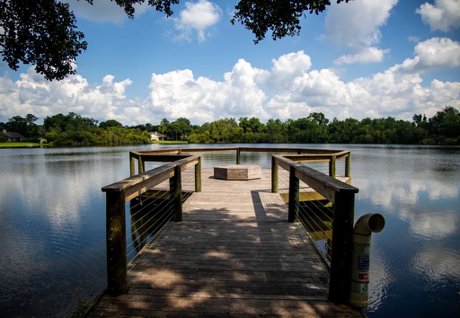
Moss Park near Lake Nona - Orange Counties largest park

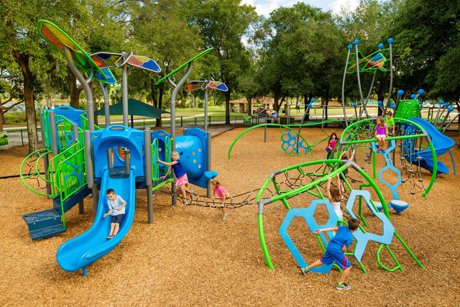
Moss Park is a 1,551-acre Orange County regional park at 12901 Moss Park Road in Orlando's 32832 ZIP code, roughly 20 miles southeast of downtown Orlando near Lake Nona. It is the largest park in the Orange County system, set on an isthmus between Lake Hart and Lake Mary Jane. Admission is $3 per vehicle for one to two people and $5 per vehicle for three to eight people, and the park is open 8 a.m. to 8 p.m. in summer and 8 a.m. to 6 p.m. in winter. The park offers 54 RV and tent campsites, two boat ramps, two playgrounds, a swimming area, and hiking trails connecting to the adjacent Split Oak Forest. Pets are not allowed except ADA service animals, and no alcohol is permitted.

So you've been scrolling listings around Lake Nona and you keep seeing this giant green blob on the map to the east. That's Moss Park — and here's what most newcomers don't realize: it's the largest park in the entire Orange County system, and it's sat quietly between two lakes since 1928.

We're talking 1,551 acres of live oaks dripping with Spanish moss, two lakes, a campground, and miles of trail. For a region famous for theme parks, Moss Park is the opposite energy: rustic, unhurried, refreshingly un-engineered.

Here's the honest rundown on Moss Park — and whether the area around it belongs on your list.

Wait, Orlando Has a Park This Big?

It does, and the scale surprises people. By Orange County's own reckoning, Moss Park is nearly twice the size of New York City's Central Park, occupying a narrow neck of land between Lake Hart and Lake Mary Jane.

Geographically, this is the Lake Nona side of Orlando — the 32832 ZIP code, below the 528 BeachLine and east of Downtown Orlando. It's close enough to Hunter's Creek and Meadow Woods for a realistic weekend habit, but far enough out for full-on rural Florida.

From Turpentine and Cattle to the County's Crown Jewel

Before it was a park, this land was worked for turpentine and grazed by cattle. The turn came in 1928, when Mary and Marcellus J. Moss donated 51 acres between the two lakes; the park was later dedicated in memory of their daughter, Frances Moss Carroll, who died in a 1941 car accident in Munich, Germany.

Camping arrived in the 1940s and '50s. Then the detail we love most: in the 1960s, flood-control officials dredged a canal between the two lakes, technically turning Moss Park into an island and opening boat access to both at once. In 1975, Susan and Harry Diamond sold roughly 1,500 acres to the county, cementing Moss Park as its largest park.

What You'll Actually Do Out Here

Camping (The Main Event)

Moss Park is one of metro Orlando's best-known campgrounds. There are 54 RV and tent sites, each with water and electric hookups, a fire ring, a grill, and a picnic table. Five group sites can collectively host up to 450 campers — handy for a scout troop or family reunion.

Pricing is straightforward: $18 per night for Orange County residents and $23 for non-residents, with a 25% discount for visitors 55 and up and active military. Book individual sites through Orange County's online system; it fills up in cooler months. If camping is your thing, compare notes with our guides to Kelly Park at Rock Springs and Lake Louisa State Park, two very different Central Florida options.

On the Water

Two boat ramps reach both Lake Hart and Lake Mary Jane, and the park is a popular kayak and canoe launch. There's bass and panfish fishing plus a designated swimming area on Lake Mary Jane, and the connecting canal lets you paddle between the lakes — a scenic way to spend a morning.

Trails, Wildlife, and Split Oak Forest

Park roads, paved and unpaved, are open to cyclists, with hiking trails through pine flatwoods and oak hammock. Moss Park is part of the Great Florida Birding and Wildlife Trail, so you've got a real shot at sandhill cranes, white-tailed deer, Sherman's fox squirrels, raccoons — and yes, alligators (it's Florida; respect the water's edge).

One of the park's best features is a trail that leads into the adjacent Split Oak Forest, a roughly 1,689-acre conservation area centered on a live oak said to be more than 200 years old. If you want the bigger picture on the protected lands stitched across this part of the region, our guide to Conservation Lands Around Orlando and the nearby Tibet-Butler Preserve are good next reads.

The Practical Stuff: Hours, Fees, and Getting There

Let's get you in the gate:

  • Address: 12901 Moss Park Road, Orlando, FL 32832
  • Hours: Summer 8 a.m.–8 p.m.; Winter 8 a.m.–6 p.m. (open daily except Christmas)
  • Admission: $3 per vehicle (1–2 people), $5 per vehicle (3–8 people), $1 per pedestrian or cyclist
  • Rules: No pets except ADA service animals; no alcohol
  • Park office: 407-254-6840

From the Lake Nona side, take Narcoossee Road (SR 15) south, then head east on Moss Park Road about three miles to the entrance. From elsewhere in metro Orlando, the 528 BeachLine Expressway and 417 Eastern Beltway get you close quickly.

Local tip: grab a park map at the entrance station when you pay — the trails aren't heavily signed, and a bike makes covering the loops and back corners far easier than walking.

The Split Oak Question (An Honest Note)

If you're researching the area, you'll run into the Split Oak Forest debate, so we won't pretend it isn't there. Split Oak is jointly owned by Orange and Osceola counties and was set aside for conservation in the 1990s. A planned toll road, the Osceola Parkway Extension, has been approved to cross the southern portion of Split Oak on the Osceola side — several miles south of Moss Park's lakes, not the park itself.

Regulators released about 60 acres of conservation easement in exchange for adjacent replacement land, and construction is phased over years, with the Split Oak segment among the later pieces. Conservation groups have fought it hard. It doesn't change life at Moss Park today, but it's a live issue worth tracking through the Central Florida Expressway Authority.

Living Near Moss Park: The Real Deal

If you're weighing the southeast Orlando area partly for proximity to all this green space, here's the balanced take.

The Pros:

  • A massive natural escape — camping, paddling, and trails — minutes from the fast-growing Lake Nona corridor
  • Close to Lake Nona's Medical City, restaurants, and major employers
  • Quick highway access via the 417 and 528
  • Genuine old-Florida character, increasingly rare as the region builds out

The Cons:

  • No pets allowed in the park — a real drawback for dog owners
  • It's rural: limited shade structures fill up, and summer brings heat and bugs
  • The Lake Nona area is booming, which means traffic and construction nearby
  • Proximity to Orlando International Airport means occasional aircraft overhead

Our Take:

If a wild, no-frills park within reach of a polished, amenity-rich suburb sounds ideal, the Lake Nona side delivers a rare combination. If you need your green space to come with a dog park and a splash pad, file this one under "weekend adventure" rather than "everyday backyard."

What the Neighbors Know

Moss Park is one of those places longtime locals quietly treasure and newcomers stumble onto by accident. It won't appear in a tourist brochure between Disney and Universal, but it's the largest park in Orange County, nearly a century old, and offers a mossy-oak Florida that's increasingly rare this close to the city.

Go for a sunrise paddle, a cookout under the oaks, or a night in the campground, and you'll see why people out near Lake Nona consider it one of the best perks of the address. 🌲

For current hours, fees, and camping reservations, visit the official Orange County Parks & Recreation Moss Park page.


Thinking about the Lake Nona area? Explore Lake Nona homes or contact us for honest, local relocation advice — the good, the rural, and the in-between.
Posted in Parks & Recreation
May 29, 2026

Secret Lake Park: Casselberry's Lakeside Gem Near Orlando

Secret Lake Park: Casselberry's Lakeside Gem Near Orlando

A free, three-lake community park in Seminole County that punches well above its zip code

Secret Lake Park in Casselberry

Secret Lake Park is a free public park at 200 N. Triplet Lake Drive in Casselberry, FL 32707, in Seminole County, about 10 miles north of downtown Orlando. The park is nestled within three lakes on the Triplet Chain of Lakes and is home to the Casselberry Recreation Center. Facilities include basketball, tennis, racquetball, softball, and soccer, plus two playgrounds, two fishing piers, four pavilions, restrooms, and a boardwalk that meanders through the park. The Casselberry Recreation Center handles pavilion reservations Monday through Friday from 8:00 a.m. to 4:30 p.m. at (407) 262-7700, ext. 1575.

So you've been scrolling Seminole County listings, you keep seeing the word "Casselberry," and now you're wondering what daily life actually looks like over on the northeast side of metro Orlando. Here's a shortcut: go stand in Casselberry's Secret Lake Park on a Saturday morning. The pickup basketball game, the kids on two playgrounds, the anglers on the fishing piers, the boardwalk loop wrapping around the water — that's the neighborhood, condensed into one tidy lakefront park.

Secret Lake Park isn't a tourist destination, and we'd be doing you a disservice to pretend it's Wekiwa Springs. It's something arguably more useful if you're house-hunting: an honest snapshot of how an established, lake-dotted Central Florida suburb actually lives. Let's get into why this little park tells you so much about the area.

What Exactly Is Secret Lake Park?

Secret Lake Park is the City of Casselberry's flagship community park, sitting at 200 N. Triplet Lake Drive in the 32707 zip code. As the name hints, it's nestled within three lakes on the Triplet Chain of Lakes, and it does double duty as a recreation hub: the building on site is the Casselberry Recreation Center, which runs the city's classes, programs, and rentals.

Here's the quick inventory of what you'll find:

  • Sports: basketball, tennis, racquetball, softball, and soccer, plus a multipurpose field
  • For the kids: two playgrounds
  • On the water: two fishing piers and a non-motorized boat ramp for kayaks and canoes
  • To relax: a boardwalk and recreation path that meanders through the entire park, plus four pavilions and restrooms

That boardwalk is the star. It connects to the sidewalk and wraps the park, so you can do a no-traffic loop with a stroller, a dog, or a running buddy — and the sunset views over the water are genuinely pretty (locals will tell you the pink-sky evenings are the move).

A Little History: Ferns, a Tax-Free Town, and the Triplet Chain

To understand the park, you have to understand the lakes it sits on. In the 1920s, a businessman named Hibbard Casselberry came down from the Chicago area, started growing ornamental ferns, and bought hundreds of acres surrounding the Triplet Chain of Lakes. The town that grew up around that fernery eventually took his name.

Fun bit of Florida trivia: when residents incorporated on October 10, 1940, they did it specifically to create a tax-free town (Hibbard Casselberry became the first mayor). It was reincorporated as a city in 1965. During World War II, the ferneries were declared non-essential and the operation pivoted to manufacturing parachutes and hospital tent liners. So the very chain of lakes cradling Secret Lake Park is, in a real sense, the spot where the whole city started.

Why Should Orlando-Area Home Shoppers Care?

Because the park is a fair stand-in for the lifestyle. Casselberry is roughly 10 miles north of Downtown Orlando, covers about 7.5 square miles, and packs more than two dozen lakes into that footprint. It's one of the more attainable established suburbs in Seminole County, with plenty of mature, no-HOA neighborhoods — and that county address matters to a lot of buyers because of the schools. (For the report-card details, our Seminole County Public Schools Guide breaks down ratings and zoning.)

You're also wedged between some genuinely nice neighbors. Polished, walkable Winter Park is right next door to the south, and SR 436, US 17-92, and I-4 put downtown, Maitland, and the airport within easy reach.

The Honest Pros and Cons

The pros:

  • Free, well-rounded recreation a few minutes from home — courts, fields, water, and trails in one spot
  • Generally affordable, established housing, with no-HOA options common in surrounding neighborhoods
  • Sought-after Seminole County school zoning
  • Central location — close to Winter Park, downtown, and major roads

The cons (because we don't do glossy):

  • It's a workhorse community park, not a manicured showpiece — facilities are functional and well-used rather than fancy
  • Courts, pavilions, and parking fill up on weekends and during league play
  • The lakes are small neighborhood lakes; this is fishing-pier-and-kayak territory, not big-boat boating

How It Fits Into Seminole County's Lake Country

One park rarely tells the whole story, and Casselberry sits in the middle of a surprisingly deep bench of public green space. If you like what Secret Lake Park offers, the wider area is loaded with options worth a weekend tour:

If all those lakes have you curious, our explainer on why Orlando has so many lakes is a fun rabbit hole — the short version is sinkholes and an ancient seabed, and Casselberry is Exhibit A.

Visiting Secret Lake Park: Hours, Access, and Local Tips

The park itself is open to the public for general use at no charge. The main entrance is at 200 N. Triplet Lake Drive; the rear of the park can be accessed via Ivey Road off Seminola Boulevard, which is handy when the front lots are busy.

Want to book a pavilion for a birthday or reunion? That goes through the Casselberry Recreation Center on site, open Monday through Friday, 8:00 a.m. to 4:30 p.m.; call (407) 262-7700, ext. 1575. For current programs, classes, and rental fees, check the City of Casselberry recreation catalog.

A few neighbor-tested tips:

  • Go early or near sunset. Mornings are peaceful and the evening light over the water is the photo everyone takes.
  • Bring the kayak. The non-motorized boat ramp is an underused perk — Secret Lake connects to Lake Triplet.
  • Weekday racquet time. Tennis and racquetball courts are easiest to grab outside weekend league hours.

What the Neighbors Know

Here's the thing locals understand that listing photos don't capture: in Casselberry, the park is the amenity. You won't find resort-style HOA clubhouses on every corner here — instead you get a city that has spent decades investing in free, public, lake-fronted recreation, with Secret Lake Park as the centerpiece. For a buyer weighing the northeast side of metro Orlando, that's a meaningful quality-of-life signal: affordable, established, green, and genuinely walkable around the water.

Is it the right side of town for you? That depends on your commute and your priorities — but if "ten minutes to a lakeside boardwalk and a tennis court" sounds like your speed, Casselberry deserves a serious look. 🌅

For current park details, facilities, and rental information, visit the official Secret Lake Park page from the City of Casselberry.


Thinking about Seminole County and the northeast side of metro Orlando? Browse current Casselberry homes for sale or explore the wider Seminole County market — and reach out anytime for personalized relocation advice!

Posted in Parks & Recreation
May 29, 2026

Red Bug Lake Park: Casselberry's 60-Acre Recreation Hub

Red Bug Lake Park: Casselberry's 60-Acre Recreation Hub

Why this Seminole County park is one of metro Orlando's best free family destinations

Red Bug Lake Park in Casselberry

Red Bug Lake Park is a 60-acre public park located at 3600 Red Bug Lake Road in Casselberry, FL, in Seminole County about 11 miles north of downtown Orlando. Operated by Seminole County, the park is open daily from 8 a.m. to 10 p.m. and admission is free. Amenities include lighted tennis and racquetball courts, sand volleyball, multiple softball and multipurpose fields, a fishing pier and boardwalk on Red Bug Lake, outdoor fitness stations, picnic pavilions, and a playground rebuilt in 2020. The park sits next to Red Bug Elementary School, with main access from Red Bug Lake Road near State Road 436.

Let's be real: when people picture parks in the Orlando area, they think theme parks first and public green space second. But spend a weekend in Casselberry and you'll learn the locals' favorite "park" doesn't have a single roller coaster. It's Red Bug Lake Park — 60 acres of ball fields, courts, lakefront, and a playground that draws families from across Seminole County.

It's the kind of everyday amenity that never makes the tourist brochures but absolutely shapes quality of life if you live nearby. Whether you're scoping out neighborhoods or you've lived here for years and never wandered past the tennis courts, this is the local rec hub worth knowing.

So What Exactly Is Red Bug Lake Park?

Red Bug Lake Park is a roughly 60-acre county park wrapped around the shores of Red Bug Lake at 3600 Red Bug Lake Road, just off State Road 436 in southern Casselberry. It's run by Seminole County Parks and Recreation (not the City of Casselberry — more below), it's free, and it's open daily from 8 a.m. to 10 p.m.

The amenity list is genuinely deep for a public park: lighted tennis courts with adult and youth programs, racquetball, sand volleyball, basketball, and a stack of softball and multipurpose fields that host active adult leagues. Round that out with a fishing pier and boardwalk on the lake, a nature trail, outdoor fitness stations, rentable picnic pavilions, and restrooms. It's a do-everything park.

And about that name — yes, "Red Bug" raises eyebrows. The most-repeated local explanation traces it to the chiggers (sometimes called "red bugs") early settlers met in the area's scrubby lowlands. Folklore or not, the name stuck to the lake, the road, and the park. Peak Old Florida.

The Playground Everyone Talks About

If there's one feature that earns Red Bug Lake Park its reputation, it's the playground. Back in 2020, the existing equipment was replaced with a state-of-the-art play structure funded by more than $230,000 in community donations, complete with climbing structures, multi-height slides, and a zip line that kids will happily ride until you physically carry them to the car.

Pair that with shaded picnic pavilions a few steps away and you've got the formula for an easy Saturday: parents claim a pavilion, kids burn off energy, nobody paid a theme-park ticket price. For families comparing Seminole County communities, free, high-quality recreation is a real selling point — and it's a short hop from neighborhoods in both Casselberry and Winter Springs.

Why Should Orlando-Area Residents Care?

If You Have Kids (or a Pickleball Habit)

The courts and fields stay busy. Adult softball and tennis leagues run regular seasons, and the youth tennis programs are a popular feeder for families who want their kids in a sport without driving across the metro. If you structure your week around rec leagues, living minutes from Red Bug Lake Park is a quiet lifestyle upgrade. For a fuller rundown of organized play, check our Casselberry sports and athletics guide.

If You Love the Water

Red Bug Lake itself gives the park its character. The fishing pier and boardwalk make for a peaceful early-morning loop, and the lake views soften the "we're a few hundred feet off SR 436" reality. For a free public lakefront in the urban core of Seminole County, it punches above its weight.

If You're Shopping for a Home Nearby

This is where it gets practical. Red Bug Lake Park sits right next to Red Bug Elementary School, so the surrounding neighborhoods are squarely family-oriented and zoned for Seminole County Public Schools — a district consistently ranked among Florida's strongest. Communities along Red Bug Lake Road and SR 436 are closest, and the Casselberry parks and recreation guide maps out how the area's public green space connects.

One standout nearby community is Sausalito, which adds its own amenities (tennis, a playground, and private access to Lake Howell's boat ramp) on top of being minutes from the park. If schools are driving your search, our Seminole County Public Schools Guide breaks down zoning and ratings.

A Quick Note on the County-vs-City Thing

Here's a detail that trips people up: despite the Casselberry address, Red Bug Lake Park is a Seminole County park, not a City of Casselberry park. Casselberry runs its own well-regarded system of 17 city parks — including Secret Lake Park, the city's largest. Both are worth your time; we cover the city's flagship in our Secret Lake Park write-up.

Getting There and Insider Tips

The park's main access is off Red Bug Lake Road near its intersection with State Road 436, making it easy to reach from across Casselberry and Winter Park to the southwest. A few things the regulars know:

  • Come early on league nights. When softball and tennis leagues are in session, the lots fill up; mornings and early afternoons are calmest.
  • Don't leave your car past 10 p.m. The gates lock at closing and you won't get your vehicle back until the park reopens.
  • Book pavilions ahead. The covered pavilions are popular for parties and can be reserved through Seminole County.
  • Stack your outing. The park is minutes from shopping and dining along SR 436 and the Altamonte Springs corridor.

Want to make a full day of it? Our Cross Seminole Trail guide covers the paved route through nearby Winter Springs and Oviedo, and Cranes Roost Park in Altamonte Springs makes an easy second stop.

The Honest Pros and Cons

The Pros:

  • Free admission and a deep, do-everything amenity list
  • A modern, well-loved playground (rebuilt in 2020)
  • Genuine lakefront with a fishing pier and boardwalk
  • Central Seminole County location near top-rated schools
  • Active adult and youth sports leagues on site

The Cons:

  • The multipurpose fields aren't always pristine — some league players note uneven turf
  • It's a busy regional park, so peak league hours mean crowds and tight parking
  • Proximity to SR 436 means it's an urban park, not a wilderness escape

Our Take:

If you want a free, central, genuinely useful family park with courts, fields, water, and a great playground, Red Bug Lake Park is hard to beat in this part of the metro. If your ideal is quiet nature and solitude, pair it with one of the area's preserves rather than expecting it here.

What the Neighbors Know

Red Bug Lake Park won't show up on anyone's Orlando vacation itinerary, and that's exactly the point. It's the kind of everyday infrastructure that tells you a community invests in its families — free recreation, real lakefront, and a playground worth driving across town for. For people weighing a move to southern Seminole County, it's a small but telling data point: this is a place built for living, not just visiting.

So whether you're house-hunting near the park, signing your kid up for tennis, or just chasing a no-cost Saturday that doesn't involve a turnstile, keep Red Bug Lake Park on your list. It's quietly one of the best free amenities in the Orlando metro. 🌳

For current hours, pavilion reservations, and program details, visit the official Red Bug Lake Park page on the Seminole County website.


Thinking about a move to Casselberry, Winter Springs, or anywhere else in the Orlando area? Explore Casselberry homes for sale or contact us for personalized, no-pressure relocation advice — we'll help you find the neighborhood that fits your life.

Posted in Parks & Recreation
May 29, 2026

Big Tree Park: Where Central Florida's 3,500-Year-Old Giant Once Stood

Big Tree Park: Where Central Florida's 3,500-Year-Old Giant Once Stood

Longwood's most famous tree is gone — but here's what still makes the boardwalk worth knowing about.

Big Tree Park

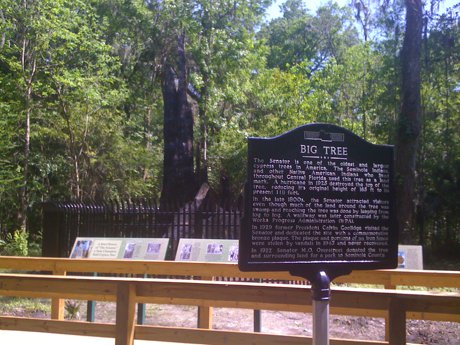
Big Tree Park is a free Seminole County park at 761 General Hutchison Parkway in Longwood, FL, about 30–40 minutes north of west Orange County. It was home to "The Senator," a roughly 3,500-year-old bald cypress that was the largest tree east of the Mississippi River until an arson fire destroyed it on January 16, 2012. The park still features "Lady Liberty," a roughly 2,000-year-old cypress about 89 feet tall, plus "The Phoenix," a clone of The Senator planted in 2013. Big Tree Park is open daily from 8 a.m. to dusk, has a short interpretive boardwalk, restrooms, and a playground, and serves as a trailhead for the Cross Seminole Trail.

Here's the thing most articles about Big Tree Park bury three paragraphs deep, and we'd rather just tell you up front: the big tree is gone. The Senator — a 3,500-year-old bald cypress that was, by most accounts, the largest tree east of the Mississippi River — burned down in 2012. So if you're picturing a drive out to stand beneath an ancient, towering giant, we need to recalibrate before you load up the car.

But stick with us, because the story behind this little Longwood park is genuinely one of the most remarkable (and heartbreaking) in Central Florida, and there's still a good reason to put it on your radar. Let's be real about what you'll find and whether the trip makes sense for you.

The Senator: The Tree That Made the Park

Long before Walt Disney World — before Orlando was anything but citrus groves and swamp — there was The Senator. Native American groups, including the Seminoles, used the enormous cypress as a regional landmark. By the late 1800s it was already pulling in curious visitors — back when reaching it meant hopping log to log across the swamp.

The numbers are almost hard to believe. At roughly 3,500 years old, The Senator was one of the oldest trees on the planet. It stood about 118 feet tall at the end (a 1925 hurricane had already knocked off a chunk of its original height, which may have topped 165 feet), with a trunk circumference around 35 feet. State senator M.O. Overstreet donated the tree and the surrounding land to Seminole County, and the site was formally dedicated in 1929 by former President Calvin Coolidge. That makes it one of the oldest tourist attractions in all of Central Florida — it was drawing crowds decades before the theme parks showed up.

What Actually Happened in 2012

On January 16, 2012, The Senator caught fire from the inside and collapsed. Investigators initially suspected lightning, but the truth turned out to be far more senseless: the fire was the result of arson. Someone had lit a fire inside the tree's hollow trunk, and a 3,500-year-old living monument — one that had survived hurricanes, lightning, and millennia of Florida summers — was lost in a matter of hours.

It's the kind of loss that still stings for longtime locals. Pieces of the original tree were salvaged, and sections of it are now preserved at the Museum of Seminole County History, where the charred wood has been turned into artwork so people can still stand close to a piece of the giant.

So What's Actually Left to See?

More than you'd guess, honestly. Seminole County rebuilt the site as a memorial park, and here's what's waiting at the end of the boardwalk:

  • Lady Liberty — The Senator's companion cypress, and the real star now. She's a comparatively "youthful" 2,000 years old, stands around 89 feet tall, and is very much alive. She was likely a sapling around the time of the Roman Empire.
  • The Phoenix — A genetic clone of The Senator, grown from 1990s cuttings and planted near the playground in 2013. Named by a county-wide elementary school contest, it's a literal second chance at the original tree (give it a few thousand years).
  • The interpretive boardwalk — A renovated walkway with signage that winds through a hydric hammock swamp, the same old-Florida ecosystem the tree grew in.
  • A cypress-stump playground piece — A nod to the tree, sized for kids.

The park also sits inside the larger Spring Hammock Preserve, one of Seminole County's most ecologically rich natural areas, and it serves as a trailhead for the paved Cross Seminole Trail. That combination is the key to enjoying this place — more on that in a second.

Visiting Big Tree Park: Hours, Directions & Tips

The practical details are refreshingly simple:

  • Address: 761 General Hutchison Parkway, Longwood, FL 32750 (Seminole County, between US 17-92 and SR 427)
  • Hours: Daily, 8 a.m. to dusk (gates lock at posted closing time)
  • Cost: Free — no admission, no parking fee
  • Amenities: Restrooms, picnic area, playground, paved parking
  • The walk itself: A roughly 0.3-mile round-trip boardwalk — figure 15–30 minutes

Our honest local tip: don't drive out here expecting to fill an afternoon at the park alone. It's a quick, contemplative stop, not a sprawling destination. The move is to pair it with something else. Hop on the Cross Seminole Trail for a bike ride, then head a few minutes north to historic Downtown Sanford for lunch, or swing by Cranes Roost Park in nearby Altamonte Springs. If you're already making the trek to this side of the metro, our Mount Dora and Cassadaga day trip guide rounds out a full north-metro itinerary.

Should West Orange Homebuyers Care?

Let's address the geography honestly, because it matters. Big Tree Park is in Longwood, on the north side of the metro — a solid 30–40 minute drive from west Orange County communities like Windermere, Winter Garden, and Ocoee. This is not your neighborhood park. It's a "worth-the-drive-once" curiosity and a piece of regional history, not a daily-life amenity.

So if you're relocating to the west side and want big trees and boardwalks closer to home, you've got excellent options. The paved West Orange Trail runs right through Winter Garden, and the cypress-and-pine boardwalks at Tibet-Butler Preserve scratch a similar old-Florida itch just outside Windermere. For the full rundown of green space on that side of town, our Windermere parks and recreation guide is the place to start.

The Pros

  • Free, easy, family-friendly, and genuinely historic
  • Lady Liberty is a real, living 2,000-year-old tree — that's no small thing
  • Doubles as a Cross Seminole Trail trailhead and Spring Hammock Preserve access point
  • Quick stop you can fold into a bigger Sanford or Altamonte day

The Cons

  • The headline attraction, The Senator, is gone — manage expectations
  • Small footprint; the boardwalk is short and over quickly
  • A real haul (30–40+ minutes) from Orlando's west and southwest communities

What the Neighbors Know

Locals will tell you Big Tree Park is a place you visit for the story as much as the scenery. There's something quietly moving about standing where a 3,500-year-old organism lived through the entirety of recorded human history, only to be lost to a careless act in our own lifetime. Lady Liberty standing watch nearby — and The Phoenix slowly rising from the same soil — gives the place a resilience that's hard to fake.

For relocators, the lesson is bigger than one park: Central Florida is layered with these old-Florida pockets, tucked between the highways and subdivisions, if you know where to look. Big Tree Park just happens to wear its history on its sleeve. Go once, read the signs, let it land, and then chase the rest of the region's natural gems closer to wherever you end up calling home. 🌳

For current hours, directions, and park details, visit the official Seminole County Big Tree Park page, and you can read more about the tree's legacy through local coverage from Spectrum News 13.


Thinking about where in Central Florida to put down roots? Explore homes and neighborhood guides for Winter Garden and Windermere, or contact us for personalized relocation advice from people who actually know the area.

Posted in Parks & Recreation
May 29, 2026

Watching Rocket Launches Near Orlando

Watching Rocket Launches Near Orlando: A Local's Guide

From free riverfront parks to premium viewing at Kennedy Space Center — here's how Central Florida residents catch the show (and what the drive really looks like).

Rocket Launch from beach

Rocket launches on Florida's Space Coast lift off from the Kennedy Space Center and Cape Canaveral Space Force Station, roughly 45 miles east of Orlando — about a 60-minute drive via State Road 528, the Beachline Expressway. The region set a record with 109 orbital launches in 2025, averaging about two per week. Free public viewing is best along the Titusville riverfront, including Space View Park, Sand Point Park, and Kennedy Point Park. The Kennedy Space Center Visitor Complex is open daily 9 a.m. to 5 p.m., with one-day adult admission starting around $75; standard tickets are not valid on launch days.

Here's something most people moving to Orlando don't fully appreciate until they've lived here a while: you can watch real rockets fly to space from your new home state, and it happens about twice a week. Not on TV — out the windshield, over the treeline, sometimes from your own front yard. Rocket launch viewing is one of the most underrated perks of Downtown Orlando area living, and the basic version is free.

Let's be real about one thing up front: the rockets don't launch in Orlando. They launch from the Space Coast, on the Atlantic in Brevard County, so a good view means a drive — but an easy, scenic one you'll find excuses to repeat.

Wait, So Orlando Doesn't Have a Spaceport?

Correct. The launch pads sit at the Kennedy Space Center Visitor Complex on Merritt Island and the neighboring Cape Canaveral Space Force Station — roughly 45 miles east of central Orlando. For most of the metro that's about an hour in the car, almost entirely on the 528 Beachline Expressway, which shoots you straight toward the coast.

Your drive time depends on where you land. From east-side spots like Lake Nona, you're looking at 45 minutes or so. From the western suburbs like Horizon West, budget 75 to 90 minutes, since you're crossing the whole metro first. Worth knowing before you pick a viewing spot — or a neighborhood.

Why This Matters If You're Moving to Central Florida

Launch cadence has gone bananas. Florida's Space Coast logged a record 109 orbital launches in 2025, up from 93 in 2024 and 72 in 2023 — the busiest spaceport on the planet. So you don't have to plan your life around a once-a-year event; there's almost always something on the schedule.

Most are SpaceX Falcon 9 flights hauling Starlink internet satellites, but the mix also includes United Launch Alliance, Blue Origin, crewed missions to the International Space Station, and the occasional history-maker. NASA's Artemis II sent four astronauts around the Moon on April 1, 2026 — the first crewed lunar mission since 1972 — and the marquee moments aren't done.

The Best Free Places to Watch a Launch

You do not need a ticket to see a launch. The classic move is the Titusville riverfront, which sits directly across the Indian River from the pads with a wide-open eastern horizon:

  • Space View Park — the local favorite, with launch-themed monuments and, during many launches, a live NASA audio feed.
  • Sand Point Park — restrooms, pavilions, and room to set up chairs.
  • Kennedy Point Park (4749 S. Washington Ave.) — a big riverfront lot that's usually a touch less crowded than the downtown spots.

Want sand with your spaceflight? Cocoa Beach and Jetty Park at Port Canaveral both deliver, a bit farther south. Playalinda, inside Canaveral National Seashore, is the closest public beach to Pad 39A — gorgeous, but it charges a fee and fills fast. Weighing your coastlines? Our take on Atlantic vs. Gulf beaches from Orlando is worth a read.

Want to Get Closer? The Kennedy Space Center Visitor Complex

For the full experience — Space Shuttle Atlantis, the Apollo/Saturn V Center, the bus tour, and the Rocket Garden — the Visitor Complex is the move. It's open daily 9 a.m. to 5 p.m., and one-day adult admission starts around $75 before tax, closer to $88 all-in at the gate. Kids 3 to 11 pay less, under-3s are free, and parking is separate.

Two things locals learn the hard way. First, standard admission tickets are not valid on launch days — for those you buy a dedicated launch-viewing package straight from the complex, which gets you some of the closest public seats around. Second, the complex occasionally closes on short notice for launch operations, so check before you drive out.

Can You See Launches From Orlando Itself?

Sometimes — and it's a genuine thrill. Big evening and nighttime launches, especially the brighter Falcon Heavy and SLS flights, can show up as a glowing dot climbing over the eastern sky from rooftops and open spaces across the metro. Daytime Starlink missions are usually too faint this far inland. For the full see-the-fire-and-feel-the-rumble version, get to the coast and treat a backyard sighting as a happy bonus.

A Quick Map of Who Launches What

Knowing the pad helps you pick a spot. SpaceX flies most Falcon 9 missions from Space Launch Complex 40 at the Cape (boosters now land right back beside the pad), with Falcon Heavy and crewed Dragon from Pad 39A at Kennedy. United Launch Alliance uses Pad 41, Blue Origin's New Glenn flies from Pad 36, and NASA's Artemis Moon rockets roll out to Pad 39B. From the Visitor Complex, those pads range from about 6.7 to 9.4 miles away.

Launch Day Tips From People Who've Done It

A few hard-won pointers so your first launch chase goes smoothly:

  • Check the schedule the day of. Dates and times shift constantly for weather and technical reasons. Reliable trackers include NASA and the FLORIDA TODAY space team, which live-blogs every launch.
  • Build in time for a scrub. Launches get postponed — often. Have a backup plan and a flexible attitude.
  • Arrive early. For routine Starlink flights an hour is plenty; for crewed or headline missions, people stake out riverfront spots hours ahead and Titusville traffic snarls badly after.
  • Pack for Florida. Chairs, water, sunscreen, bug spray, and binoculars. Even night launches mean mosquitoes near the lagoon.

The Honest Pros and Cons

The Pros:

  • A genuinely awe-inspiring, kid-pleasing experience that's free at the riverfront parks
  • Frequent — roughly two launches a week means lots of chances
  • An easy, scenic day trip that pairs naturally with beach time
  • A real bragging right that comes with Central Florida living

The Cons:

  • It's an hour-plus drive for much of the metro, longer from the west side
  • Scrubs and delays are common, so flexibility is a must
  • Crowds and traffic around big crewed launches can be intense
  • Routine daytime flights are rarely visible from Orlando itself

What the Neighbors Know

Ask anyone who's lived in Central Florida a few years and they'll tell you the novelty doesn't wear off. You learn which app pings you before a launch, find your favorite riverfront bench in Titusville, and start texting friends to step outside for the bright ones. It's the kind of everyday wonder that makes living near Orlando feel a little futuristic.

If you're relocating, file rocket launches under quality-of-life perks you didn't know to ask about — right alongside year-round sunshine. Then make a day of it: catch a launch, grab lunch on the water, and hit the beach. Pretty great Saturday. 🚀

For current hours, ticket prices, tour options, and launch-viewing packages, visit the official Kennedy Space Center Visitor Complex website. To track upcoming missions, check NASA and the FLORIDA TODAY Space Team, and for the Playalinda Beach option see Canaveral National Seashore.


Thinking about where in Central Florida to put down roots — east side for a quick Space Coast run, or somewhere with the right balance of everything else? Explore our Lake Nona and Horizon West community guides, or contact us for personalized relocation advice. We'll help you find a home base for all the launches to come!

Posted in Parks & Recreation
May 29, 2026

Atlantic vs. Gulf Beaches From Orlando

Atlantic vs. Gulf Beaches From Orlando: Which Coast Wins?

Closer waves or whiter sand? Here's the honest breakdown for picking your Central Florida beach day.

Florida Beaches

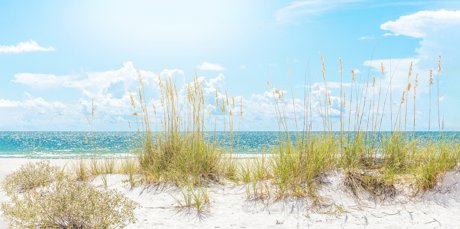
Orlando sits almost exactly between two coasts. The Atlantic beaches are closer: Cocoa Beach is about 60 miles east, roughly a one-hour drive via SR 528 (the Beachline). The Gulf beaches are farther but calmer: Clearwater Beach is about 110 miles southwest, around a two-hour drive via Interstate 4, and Siesta Key near Sarasota is about 135 miles (2.5 hours). The Atlantic offers bigger surf and firm, drivable sand; the Gulf offers warmer, calmer water, powder-soft white quartz sand, and sunsets over the ocean.

Here's the best-kept secret about living in Central Florida: you're not actually on the coast — and yet you've got two of them within easy reach. Orlando sits almost dead-center on the peninsula, which means a beach day is never more than a tank of gas away in either direction.

So the real question isn't whether there's a beach near Orlando (there are dozens) — it's which way you point the car. Atlantic or Gulf? We've made both drives countless times, and the honest answer is: it depends on what you want out of the day. Let's break it down.

The Two-Minute Answer

Short version: the Atlantic coast is closer (about an hour) with bigger waves, surf culture, and rocket launches. The Gulf coast is farther (about two hours) but rewards the mileage with calmer, warmer water and the whitest sand in the state. Quick afternoon escape? Go east. Whole-day, toes-in-powder trip? Go west.

The Atlantic Coast: Closer, Wavier, and a Little Spacey

The Atlantic is the "I decided at 11 a.m. I want sand" coast — roughly an hour each way from most of metro Orlando, which makes a half-day trip genuinely doable.

  • Cocoa Beach — about 60 miles east, ~1 hour via SR 528. Florida's surf capital, home of the iconic Cocoa Beach Pier and Ron Jon Surf Shop. The drive out the 528 Beachline Expressway is the most direct shot to the ocean from Orlando.
  • Canaveral National Seashore — also about an hour. Miles of undeveloped, protected coastline. No high-rises, no boardwalk — just dunes, sea turtles, and quiet.
  • New Smyrna Beach — about 56–60 miles, ~1 hour to 1 hour 15 minutes via I-4 East to SR 44. Laid-back, surf-friendly, and one of the beaches where you can still drive your car onto the sand.
  • Daytona Beach — about 55 miles, ~1 hour to 1 hour 15 minutes via I-4 East. Famous for its wide, hard-packed, drivable sand, a busy boardwalk, and of course the Speedway.

Here's the thing about the Atlantic side: the waves are real. They're great for surfing and boogie-boarding, less ideal if you've got toddlers who want bathtub-calm water. The sand tends to be tan and firm rather than blinding white. And the bonus nobody on the Gulf side can claim — on a good day, you can watch a rocket launch from Kennedy Space Center right from your beach towel.

Want more on the surf-capital itself? We dug into the whole scene in our guide to Cocoa Beach, and the motorsports crowd will want our take on the Daytona International Speedway.

The Gulf Coast: Farther, but Postcard-Perfect

Let's pivot west. The Gulf beaches ask for more of your day — roughly two hours each way — but a lot of locals say they're worth every extra mile.

  • Clearwater Beach — about 110 miles southwest, ~2 hours via I-4 West to FL-60 or I-275. Regularly ranked among the best beaches in the U.S., with white sand and a nightly sunset celebration at Pier 60.
  • St. Pete Beach — about 110 miles, ~2 hours. Artsy, mellow, and less frenetic than Clearwater, with calm, shallow water great for families.
  • Siesta Key (near Sarasota) — about 135 miles, ~2.5 hours via I-4 West to I-275 and US-41. Its sand is roughly 99% quartz, so it stays cool underfoot even in July, and it has repeatedly topped national best-beach lists.

The Gulf's calling cards are the water and the sand: the Gulf of Mexico runs calmer and warmer than the Atlantic — friendlier for swimming and small kids — and that powder-soft quartz sand is a genuinely different experience from the firm Atlantic beaches.

The Real Differences That Decide It

Strip away the marketing and it comes down to a handful of practical trade-offs:

  • Drive time: Atlantic wins decisively — about an hour vs. two. If you're squeezed for time, this is the ballgame.
  • Water: Gulf is calmer and warmer; Atlantic is cooler with bigger surf.
  • Sand: Gulf has the white, fine, cool-to-the-touch quartz; Atlantic has tan, firm, often drivable sand.
  • Sunsets: This one's geography, not opinion. On the Gulf, the sun sets over the water — a true beach sunset. On the Atlantic, you get the sunrise over the ocean instead.
  • Vibe: Atlantic skews surf-and-space; Gulf skews resort, dining, and that turquoise-postcard look.

Let's be real: neither coast is "better." They're different tools for different days — and both live within a tank of gas.

Which Side of Orlando Do You Live On?

Here's a nuance most beach round-ups skip, and it matters for relocators: your address changes the math. The drive times above assume a central starting point, but metro Orlando is wide.

If you're on the west side — communities like Horizon West or Winter Garden — you've got a head start toward the Gulf, already pointed down I-4 West, so that Clearwater drive shrinks a bit. On the southeast side near Lake Nona, you're closer to the 528 Beachline and the Atlantic. And from Downtown Orlando, you're roughly balanced — equally convenient to both.

If beach access is high on your relocation wish list, it's worth knowing which coast your future neighborhood quietly favors.

Not Feeling the Drive? Stay Fresh.

Sometimes the ocean is too far for the day you've got. Central Florida's freshwater springs stay a clear 72 degrees year-round and are often closer than either coast — and our Mount Dora and Cassadaga day trips make a charming non-beach Plan B.

Quick Pros and Cons

Atlantic Coast

Pros: Closest to Orlando (~1 hour), great surf, drivable sand, rocket launches, easy half-day trips.
Cons: Rougher water for swimming, cooler in winter, sand is tan rather than white.

Gulf Coast

Pros: Calm warm water, the whitest/softest sand in the state, world-famous sunsets, top-ranked beaches.
Cons: Longer drive (~2–2.5 hours), I-4 and Tampa traffic, less practical as a spur-of-the-moment trip.

Local Tips Before You Go

  • Leave early. Weekend and holiday traffic — especially I-4 toward Tampa — can add 30–60 minutes; hit the road before 9 a.m.
  • Budget for parking. Beachside lots fill and meter fast — bring a card and a parking app.
  • Spring and fall are the sweet spot for comfortable temps and thinner crowds.
  • Check launch schedules if you're headed to the Space Coast — a launch turns an ordinary beach day into something unforgettable.

What the Neighbors Know

The locals' not-so-secret secret? You don't have to pick a favorite — you get both. Orlando residents treat the Atlantic as the easy half-day escape and the Gulf as the proper full-day outing. Living here, the ocean is a default option, not a once-a-year vacation.

That two-coast access is one of those quietly enormous perks of Central Florida living that doesn't show up in square footage — but absolutely shows up in your weekends. Sunrise on one side, sunset on the other. Not a bad place to call home. 🏖️

For trip planning, official beach info, and seasonal updates, the statewide tourism authority VISIT FLORIDA is the best starting point. For coast-specific details, check Florida's Space Coast for the Atlantic side and Visit St. Pete-Clearwater for the Gulf.


Thinking about which Orlando-area neighborhood puts your favorite coast within reach? Explore homes in Horizon West, Lake Nona, and beyond — or contact us for personalized Central Florida relocation advice!

Posted in Parks & Recreation
May 29, 2026

Conservation Lands Around Orlando

Conservation Lands Around Orlando: Central Florida's Wild Places

The preserves, wildlife drives, and protected forests that keep Orlando green — plus the one that's fighting for its life

Blog Image

Central Florida is home to dozens of protected conservation lands within an hour of Orlando, most of them free or low-cost to visit. Tibet-Butler Preserve covers about 440 acres near Windermere with 3.6 miles of trails and free admission, open daily from 8 a.m. to 6 p.m. The Lake Apopka Wildlife Drive is a free, 11-mile one-way driving route through the 20,000-acre Lake Apopka North Shore, open Friday through Sunday and most federal holidays. The Disney Wilderness Preserve protects roughly 11,500 acres of Everglades headwaters near Kissimmee and is managed by The Nature Conservancy. Split Oak Forest, a 1,689-acre preserve straddling Orange and Osceola counties, remains at the center of an ongoing fight over the proposed SR 534 / Osceola Parkway Extension toll road.

Here's something most people moving to Orlando don't realize: for all the talk of theme parks and toll roads, this is one of the greenest big metros in Florida. Drive twenty minutes in almost any direction and you can swap roller coasters for gopher tortoises, boardwalks, and some of the best birding in the Southeast. Buyers ask us about this constantly, so let's walk through the conservation lands around Orlando worth knowing — what they cost, when they're open — plus one ongoing fight that says a lot about how Central Florida is changing.

Why Does Orlando Have So Much Protected Land?

Quick history, because it explains everything. Many of Central Florida's biggest preserves exist because of development, not in spite of it: when a major project paves wetlands, it often has to protect or restore land elsewhere — that's mitigation, and two of the region's marquee preserves were born that way. The other driver is water, with agencies like the St. Johns River Water Management District holding tens of thousands of acres and opening much of it to the public. The result is a huge amount of free green space hiding in plain sight.

The Comeback Story: Lake Apopka's North Shore

Let's be real about Lake Apopka: it spent decades as one of Florida's most polluted lakes, ringed by muck farms whose runoff triggered a notorious bird die-off in the late 1990s. What's there now is one of the great restoration turnarounds in the state.

The Lake Apopka Wildlife Drive is a free, 11-mile, one-way route through roughly 20,000 acres of rebuilt wetlands on the north shore, just outside Ocoee and Winter Garden. The gate is open Fridays, Saturdays, Sundays, and most federal holidays, 7 a.m. to 3 p.m. (out by 5 p.m.). The 10 mph speed limit and 25-foot vehicle cap are the point — you're meant to crawl along and gawk at the 360-plus bird species recorded here, plus alligators, otters, and bobcats.

Prefer to walk or pedal? The same north shore links to miles of trails and the paved West Orange Trail, and nearby Oakland Nature Preserve protects a stretch of Lake Apopka shoreline. For more on this side of town, see our comprehensive Winter Garden parks and recreation guide.

A Wild Spot Minutes From Disney: Tibet-Butler Preserve

This one surprises people. Tibet-Butler Preserve is a roughly 440-acre Orange County preserve on the shore of Lake Tibet-Butler, tucked along Winter Garden Vineland Road between Windermere and Dr. Phillips — close enough to the parks to hear the fireworks, quiet enough to forget them.

Admission is free and the gates open daily from 8 a.m. to 6 p.m. You'll find about 3.6 miles of trails through pine flatwoods, scrub, and a bayhead swamp, plus the Vera Carter Environmental Center, a butterfly garden, and a live gopher tortoise exhibit the kids love. Note: no bikes, no pets except service animals, and trails that can flood in summer. More green space near the attractions is in our comprehensive Windermere parks and recreation guide.

South of Town: Disney Wilderness Preserve

Here's the first big mitigation story. To win permits to expand Walt Disney World, Disney funded the protection of a former cattle ranch about 15 miles south, near Kissimmee and Poinciana. Established in the early 1990s, the Disney Wilderness Preserve is roughly 11,500 acres now owned by The Nature Conservancy — one of the country's earliest large-scale wetland mitigation projects. Despite the name, it's no theme park: it's a genuine wilderness at the headwaters of the Everglades, home to more than 1,000 species, with a roughly three-mile trail and a small honor-system admission. Hours are limited and skew toward weekdays, so check before you drive out.

The Fight Over Split Oak Forest

Not every conservation story has a happy ending — yet. Split Oak Forest is a 1,689-acre preserve straddling the Orange–Osceola county line, bought in the early 1990s as a gopher tortoise mitigation bank to offset the Orange County Convention Center. It's a biodiversity hotspot — gopher tortoises, Florida scrub-jays, and a long list of rare species — and it's free and open for hiking, with loop trails off Clapp Simms Duda Road near Moss Park, east of Lake Nona.

Here's the controversy. For years, the Central Florida Expressway Authority has pushed the SR 534 / Osceola Parkway Extension, a roughly nine-mile toll road that would clip the forest's southern edge to serve booming development east of the airport. In 2020, 86% of Orange County voters approved a charter amendment to protect the forest. In 2024, the state's wildlife commission nonetheless voted to release a 60-acre conservation easement to let the road through, in exchange for additional acreage. As of early 2026, the project was advancing into right-of-way acquisition while opponents kept rallying. It isn't settled — but if you want to see Split Oak as it is now, don't wait.

State Parks and Springs Within Reach

Step up from local preserves and you hit the state parks. To the north, Wekiwa Springs State Park protects a paddle-friendly spring run and a 72-degree swimming hole about 30 minutes from downtown. West near Clermont, Lake Louisa State Park trades flatwoods for rolling hills, six lakes, and cabins. Both charge a modest per-vehicle fee. The region also sits on a network of artesian springs we round up in our guide to Florida Springs Near Orlando — and even Downtown Orlando counts, centered on Lake Eola Park.

Why This Matters If You're Moving Here

Conservation land doesn't just fill weekends — it shapes where and how you live. Our honest take for relocating buyers:

The Pros:

  • Free or cheap recreation minutes from most neighborhoods — no theme-park prices
  • Protected land tends to stay protected, often meaning permanent green buffers and views
  • Homes backing preserves and trails often command a premium and hold value
  • Better flood protection and water quality, since many preserves are working wetlands

The Cons:

  • "Protected" isn't always permanent — Split Oak shows strong protections can be challenged
  • Wild Florida means mosquitoes, summer trail flooding, and the occasional alligator
  • Limited hours at some sites (the weekends-only Wildlife Drive) take planning
  • Land near preserves can also be land in the path of the next road or subdivision

What the Neighbors Know

The neighbors know the real secret of Orlando isn't theme parks — it's the back door into wild Florida, and most of it is free. They also know this green edge isn't guaranteed: the same growth building new neighborhoods is what's pressing on places like Split Oak. Knowing which lands are protected — and how firmly — is part of buying smart here. It's the difference between a forever view and a future construction site. 🌿

For an interactive map of Florida's protected lands and the network that links many of them, visit the Florida Wildlife Corridor Foundation. You can also explore agency pages for the Lake Apopka North Shore and the Disney Wilderness Preserve.


Thinking about a home near the trails, the lakes, or the preserves? Whether you're drawn to Windermere, Winter Garden, or somewhere quieter, we can help you find a neighborhood with the green space you want — and flag what's protected versus what's in a developer's plans. Contact us for personalized Central Florida relocation advice!

Posted in Parks & Recreation
May 29, 2026

Bok Tower Gardens & the Lake Wales Ridge

Bok Tower Gardens & the Lake Wales Ridge: Central Florida's Quiet Wonder

A 205-foot singing tower, gardens by an Olmsted, and Florida's oldest "islands" — about an hour south of Orlando

Bok Tower Gardens

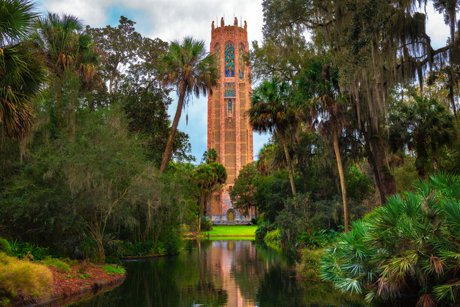
Bok Tower Gardens is a National Historic Landmark, contemplative garden, and bird sanctuary in Lake Wales, Florida, about 55 miles (roughly one hour) south of Orlando via I-4 and U.S. Highway 27. It is built atop Iron Mountain, the highest point on the Lake Wales Ridge at about 295 feet above sea level. The centerpiece is a 205-foot art deco and neo-Gothic "Singing Tower" carillon, dedicated in 1929, set within gardens designed by landscape architect Frederick Law Olmsted Jr. The Lake Wales Ridge is an ancient chain of islands that holds one of the highest concentrations of rare and endemic scrub plants in the continental United States. Garden admission is $20 for adults and $10 for children ages 6 to 17, and the Gardens are open daily from 8 a.m. to 6 p.m.

So you've conquered the theme parks and found your favorite springs. Here's something most people moving to Orlando don't realize: about an hour south of all that, Florida actually has a hill — and on top of it sits a nearly century-old tower that sings.

We're talking about Bok Tower Gardens in Lake Wales, a place that feels like a different planet from the roller coasters and resort pools. It's quiet, it's old, and it's perched on the most interesting piece of geology in Central Florida. Whether you're relocating from out of state or you've lived near Downtown Orlando for years and never made the drive, this one earns a spot on your map.

What Exactly Is Bok Tower Gardens?

Bok Tower Gardens is a National Historic Landmark combining a 250-acre contemplative garden, a working bell tower, and a genuine wildlife sanctuary. The gardens were designed by Frederick Law Olmsted Jr. — son of the man behind New York's Central Park — and unfold as a meandering, informal woodland of oaks, palms, ferns, and seasonal blooms.

The showpiece is the 205-foot "Singing Tower," a pink-and-gray marble carillon built from Georgia marble and Florida coquina. Inside hangs a 60-bell carillon played in daily recitals (typically 1 p.m. and 3 p.m.). Heads up: the tower interior isn't open to the public, so you'll admire it from across the reflection pool. If gardens are your thing, it pairs naturally with Orlando's own Harry P. Leu Gardens closer to home.

The History Buff's Corner: A Gift to the American People

Here's the part that gives the place its soul. Edward W. Bok was a Dutch immigrant who arrived with almost nothing and became the Pulitzer Prize-winning editor of Ladies' Home Journal. He and his wife wintered near Lake Wales, where Bok loved walking to the top of Iron Mountain to watch the sunsets and the birds.

He preserved the hilltop, hired Olmsted, and built the gardens through the 1920s. The tower was dedicated in 1929 by President Calvin Coolidge, and Bok gave the whole sanctuary to the American people, guided by his grandmother's advice: "Make the world a bit better or more beautiful because you have lived in it." Bok died the following year and is buried at the base of the tower he built.

The Lake Wales Ridge: Florida's Ancient Islands

Now for the geology payoff. The sanctuary sits on the Lake Wales Ridge, an ancient sand ridge running roughly 100 to 150 miles down the spine of the peninsula. When sea levels were higher, this ridge stood above the water as a chain of islands, and it has been dry land for more than a million years.

That long isolation did something remarkable: the dry, sandy "Florida scrub" here evolved species found nowhere else on Earth. Today the ridge holds one of the highest concentrations of rare and endangered plants in the continental United States, and it was home to the first national wildlife refuge created specifically to protect plants. Signature residents include the gopher tortoise and the threatened Florida scrub-jay — more in our guide to conservation lands around Orlando.

And the "hill"? Iron Mountain tops out around 295 feet above sea level — the highest point on the ridge and one of the highest spots on the entire Florida peninsula. In a pancake-flat state, that's a real bragging right. For more on the scrub's endemic species, Florida State Parks is a solid resource.

Why Should Orlando Residents Care?

Fair question for a real estate blog. One quiet perk of living in Central Florida is how much variety sits within an easy drive — Disney on Saturday, a 100-year-old garden on Sunday. Bok Tower is the kind of low-key, repeatable day trip that keeps a region livable long after the parks lose their novelty, alongside Lake Louisa State Park in Clermont, the scrub trails at Tibet-Butler Preserve near Windermere, and our Mount Dora and Cassadaga day trips.

Planning Your Visit: Hours, Admission & Directions

Bok Tower Gardens is open daily from 8 a.m. to 6 p.m. (last car admitted at 5 p.m.), closing only on Thanksgiving and Christmas:

  • Admission: $20 adults, $10 children (ages 6–17), free for kids 5 and under, $10 for leashed dogs.
  • El Retiro (Pinewood) tour: A combo ticket adding a docent-led tour of the 20-room 1930s estate is $30 adults / $15 children; the estate is closed Mondays.
  • Carillon recitals: Daily, typically at 1 p.m. and 3 p.m. — time your visit around one.
  • Trails: The Pine Ridge Preserve trail (about 3.5 miles) winds through the sandhill scrub.
  • Kids: The 2.7-acre Hammock Hollow Children's Garden has a single entrance, water play, and a giant climbing web.
  • Food & parking: The Blue Palmetto Café is on site, outside picnic food is welcome, and parking is free.

Directions from Orlando: Take I-4 West to Exit 55 (Haines City), then south on U.S. Highway 27 for about 23 miles, following signs through Lake Wales. From most of metro Orlando it's roughly 55 miles and about an hour; from Celebration, Kissimmee, or the southwest suburbs near Horizon West, closer to 45 minutes.

Local tip: Winter and early spring (roughly December through March) are prime time, when camellias and azaleas bloom and the heat backs off. Summer visitors should go early and bring water — and watch for Bok's free "Summer Fun Days," which occasionally waive admission.

Worth the Drive? The Honest Take

We won't oversell it. Bok Tower is a serene garden and a remarkable piece of history — not a thrill ride. Whether that's a feature or a flaw depends entirely on what you're after that day.

The Pros:

  • Genuinely peaceful — a true antidote to theme-park overload
  • Gorgeous gardens plus a singular historic monument in one stop
  • Kid-friendly (Hammock Hollow) and dog-friendly, with reasonable cost and free parking
  • A rare chance to stand on the highest hill in peninsular Florida

The Cons:

  • It's an hour each way from Orlando — a half-day commitment at minimum
  • The tower interior is closed to the public, which surprises some first-timers
  • Admission adds up for larger families
  • Florida summer heat makes the open lawns rough midday

Our take: If you have visiting relatives, restless kids who've maxed out on coasters, or you just need a quiet Sunday, Bok Tower earns the drive. For more nearby nature outings, see our Florida springs near Orlando guide.

What the Neighbors Know

Locals treat Bok Tower as a reset button — where you take the in-laws, where you go when the parks feel like too much, and where you remember that Central Florida was a wild, ancient place long before anyone built a castle here. The Lake Wales Ridge underneath it is one of the rarest ecosystems in North America, and most Floridians drive past it on US-27 without ever knowing.

For anyone settling into the Orlando area, that's the real lesson: the best parts of living here often sit just outside the tourist map. 🌿

For current hours, recital schedules, events, and admission details, visit the official Bok Tower Gardens website.


Thinking about where to plant roots within day-trip range of gems like this? Explore homes near the Disney corridor in Celebration and Kissimmee, or reach out to our team for personalized Central Florida relocation advice!

Posted in Parks & Recreation
May 29, 2026

Florida Springs Near Orlando

Florida Springs Near Orlando: Where Locals Go to Cool Off

A resident's guide to the crystal-clear, 72-degree springs hiding just outside the metro — plus the fees, reservations, and seasons nobody tells you about

Florida Springs near Orlando

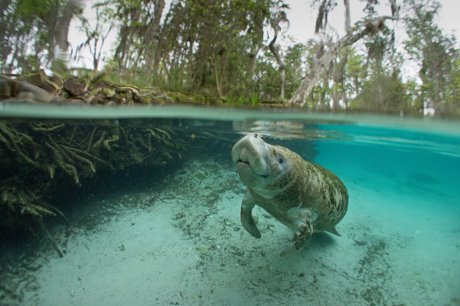
Central Florida's natural springs stay a constant 68 to 74 degrees Fahrenheit year-round because they flow from the Floridan Aquifer. The closest springs to Orlando are Wekiwa Springs State Park and Kelly Park at Rock Springs, both in Apopka and about 20 to 45 minutes away. Blue Spring State Park in Orange City is a designated manatee refuge that closes to swimming from roughly mid-November through March. Wekiwa Springs has required a free advance day-use reservation for all visitors since September 2, 2025. The Ocala National Forest holds four more swimming springs — Alexander, Juniper, Silver Glen, and Salt — about 90 minutes north.

Here's something most people moving to Central Florida don't realize: some of the best swimming around isn't a pool, a water park, or a beach. It's a spring — a natural, glass-clear bowl of 72-degree water bubbling straight up out of the ground, often shaded by ancient cypress and live oaks. We have dozens within an easy drive, and the locals who know about them guard the good ones like family recipes.

So let's be real about what these places are, where they sit relative to your future neighborhood, and the catches nobody mentions until you're stuck in a line of cars at 9 a.m. on a Saturday. Consider this your honest field guide to the Florida springs near Orlando.

What Makes a Florida Spring Special (and Why the Water Is So Cold)

Florida sits on top of the Floridan Aquifer, a massive limestone reservoir. Where that water finds a vent to the surface, you get a spring. Because it comes from deep underground, it holds a near-constant temperature all year — roughly 68 to 74 degrees. That's why a spring feels icy in July and almost warm on a 45-degree January morning, and why manatees pile into spring runs during winter cold snaps.

For residents, springs are the rare local amenity that's cheap (most run $4–$14 to get in), beautiful, and good for you. The trade-off? They're popular, capacity-limited, and governed by rules that shift with the seasons — and knowing those rules is the difference between a perfect day and a wasted drive.

The Close-to-Home Springs (Under an Hour)

If you're settling in west or northwest Orange County — think Ocoee, Winter Garden, Windermere, or Horizon West — these four are practically in your backyard.

Wekiwa Springs State Park (Apopka)

The big one, and the closest true swimming spring to the metro. Wekiwa's emerald 72-degree pool feeds the Wekiva River, with canoe and kayak rentals on-site and miles of trails through the surrounding wilderness. Admission is $6 per vehicle. The catch: as of September 2, 2025, a free advance day-use reservation is mandatory for everyone, including annual passholders, because summer lines used to spill onto the road. Book at the state parks reservation site and arrive early. See our full Wekiwa Springs State Park guide. No reservation? Wekiva Island nearby rents kayaks to paddle up to the spring.

Kelly Park at Rock Springs (Apopka)

This 355-acre Orange County park is the tubing spring. Rock Springs runs a constant 68 degrees and pumps roughly 26,000 gallons a minute through a natural lazy river you float in about 30 minutes. Admission is just $3–$5 per vehicle. The honest part: Kelly Park takes no reservations, caps the lot at 280 cars in the morning, and routinely fills by 9 a.m. on summer weekends — people line up at dawn. Call the capacity hotline first, bring your own float (tubes are rented from vendors outside the gate), and go midweek if you can. Full breakdown in our Kelly Park at Rock Springs guide.

Blue Spring State Park (Orange City)

About 45 minutes northeast, Blue Spring is the largest spring on the St. Johns River and a designated manatee refuge. This is where honesty matters most: from roughly mid-November through March, the spring run closes to all swimming, tubing, and boating to protect hundreds of wintering manatees — peak viewing is January and February from the boardwalk. Swimming season runs about April 1 to November 14, when the 72-degree run becomes a stunning tube float to the river. Admission is $6 per vehicle, and the park frequently hits capacity and closes for hours, so come early.

De Leon Springs State Park (Volusia County)

The quirky one. De Leon Springs pairs a swimmable 72-degree spring with the Old Spanish Sugar Mill, a restaurant where you cook your own all-you-can-eat pancakes on a griddle built into your table — a tradition since 1961. Swim, snorkel, paddle Spring Garden Run, then flip flapjacks. Admission is $6 per vehicle; the park is open 8 a.m. to 4 p.m. Expect a wait for a table on weekends.

Worth the Road Trip: Ocala National Forest (About 90 Minutes North)

When you want the real-deal wilderness springs, point the car north. The Ocala National Forest — the oldest national forest east of the Mississippi — holds four major swimming springs, all 72–74 degrees and within a 30-minute drive of each other:

  • Alexander Springs: A first-magnitude spring pumping about 70 million gallons a day of turquoise water. It's the only spring in the forest where scuba diving is allowed.
  • Juniper Springs: Framed by a 1930s Civilian Conservation Corps millhouse, with the legendary 7-mile Juniper Run canoe trail (rated one of the country's best).
  • Silver Glen Springs: A showy aquamarine spring near Lake George, great for swimming and snorkeling, with ancient Native American shell middens to respect.
  • Salt Springs: A mineral spring with slightly brackish water and blue crabs — nothing like the ocean, but a unique soak.

Heads up on cost and crowds: forest springs charge per person (roughly $11–$14), not per vehicle, and Silver Glen and Alexander require weekend and holiday vehicle reservations from Memorial Day through Labor Day. An $80 annual Springs Hopper Pass pays off if you go often. For more nearby nature, see our conservation lands around Orlando guide and the Lake Apopka Wildlife Drive guide.

One Honorable Mention: Silver Springs

Silver Springs near Ocala is the granddaddy — home to glass-bottom boat tours since the 1870s and a population of wild rhesus monkeys along the river. Just know it's a look, don't swim spring: the draw is the boat tours and kayaking. It pairs perfectly with a Mount Dora and Cassadaga day trip.

The Honest Pros and Cons of Spring Season

The good: cheap entry, jaw-dropping clarity, constant cool temps, and wildlife you won't see anywhere else. The catch: weekend crowds and capacity closures are real, fees and rules vary by spring, swim seasons shift with the manatees, and yes — this is wild Florida, so alligators and snakes occasionally turn up. Read posted rules and keep an eye on the kids.

What the Neighbors Know

The locals' playbook is simple: go early (gates open at 8 a.m.), go midweek when you can, and always check the official site for reservations and seasonal closures before you drive. Match the spring to the season — summer for tubing at Rock Springs, winter for manatees at Blue Spring — and you'll never strike out.

More than anything, springs are why so many of us fell for Central Florida in the first place. You can live ten minutes from Disney and still spend Sunday floating down a river older than the state itself. 🌿

For current hours, fees, reservation requirements, and seasonal closures, always check the official Florida State Parks site for Wekiwa, Blue Spring, and De Leon Springs, Orange County Parks for Kelly Park, and the U.S. Forest Service for the Ocala National Forest springs before you go.


Thinking about a Central Florida home with springs, trails, and lakes at your doorstep? Explore parks closer to home in our comprehensive Winter Garden parks and recreation guide, or contact us for personalized relocation advice on the neighborhoods closest to your favorite spring!

Posted in Parks & Recreation
May 29, 2026

Universal CityWalk: Orlando's Free Night Out Between the Parks

Universal CityWalk: Orlando's Free Night Out Between the Parks

Why the 30-acre entertainment district at Universal Orlando matters to people who actually live here — not just the tourists

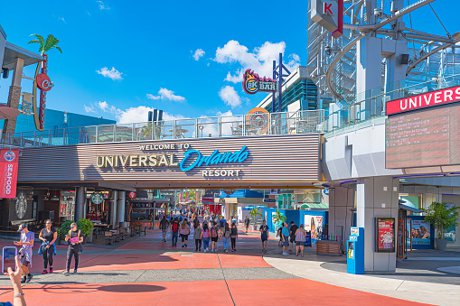
Universal City Walk in Orlando

Universal CityWalk is a 30-acre open-air dining, shopping, and entertainment district at the center of Universal Orlando Resort that opened in 1999. It is free to enter and requires no theme park ticket; self-parking costs about $30 before 6:00 PM and is free after 6:00 PM except on special-event nights. CityWalk sits less than 3 miles from Dr. Phillips, roughly a 5 to 10 minute drive via Turkey Lake Road. The district features more than 20 restaurants and bars, a 20-screen Universal Cinemark theater, Hollywood Drive-In Golf, and the Hard Rock Live concert venue. CityWalk connects on foot to Universal Studios Florida and Islands of Adventure, and by complimentary shuttle to Volcano Bay and Universal Epic Universe, which opened in May 2025.

Here's something a lot of people moving to Orlando don't realize: you can spend an entire evening at Universal Orlando — dinner, a movie, mini golf, live music — without buying a single theme park ticket. That's the quiet magic of Universal CityWalk, the 30-acre entertainment district wedged between the parks that locals treat less like a tourist trap and more like a backyard with a really good light show.

So why are we, a real estate outfit, writing about it? Because if you're house-hunting in Dr. Phillips or anywhere along the International Drive corridor, CityWalk is part of your everyday amenity package — and that's worth understanding before you sign anything.

So What Exactly Is CityWalk?

CityWalk is the open-air strip of restaurants, bars, shops, and entertainment at the heart of Universal Orlando Resort. It's the part you walk through to reach the park gates, but it's a destination in its own right — and free to enter, no ticket, no turnstile.

Here's the part that matters for your wallet: self-parking runs about $30 before 6:00 PM, but it's free after 6:00 PM most nights (special events like Halloween Horror Nights are the exception). So a weeknight dinner or a weekend movie costs only what you spend inside — parking included.

A Quick History: From Parking Lot to Party District

Fun fact: CityWalk sits on top of Universal's original parking lot and entrance. When it opened in 1999, it anchored a roughly $2.6 billion expansion that turned Universal Studios Florida from a single-day movie park into a multi-day resort — the same push that added Universal's Islands of Adventure that spring.

The idea: give people a reason to stay after the rides stopped. More than 25 years later, the district keeps evolving with the resort around it.

Why Should Southwest Orlando Locals Care?

Let's be real — if you live near the parks, you're not riding coasters every weekend. But CityWalk is the piece of Universal that fits normal adult life: dinner with friends, a late movie, out-of-town guests, an easy date night. Universal's main entrance sits less than 3 miles from central Dr. Phillips via Turkey Lake Road — a 5-to-10-minute drive for most of the southwest Orlando corridor.

This is also ground zero for Orlando's annual passholder culture. Plenty of residents keep a Universal pass purely for the perks — discounted parking, dining and shopping discounts at CityWalk, and the ability to pop in whenever the mood strikes. That casual, drop-in relationship with a world-class resort is one of those things that quietly makes Orlando, well, Orlando.

What's Actually There: Food, Movies, Mini Golf, and More

CityWalk packs more than 20 restaurants and bars into those 30 acres, from sit-down dinners to grab-and-go. A few favorites:

  • The Toothsome Chocolate Emporium & Savory Feast Kitchen — a steampunk-themed restaurant famous for over-the-top milkshakes and a full savory menu.
  • Bigfire and The Cowfish Sushi Burger Bar — open-fire American cooking and a quirky sushi-meets-burgers mashup, respectively.
  • Antojitos Authentic Mexican Food, Jimmy Buffett's Margaritaville, and Bubba Gump Shrimp Co. for theme-y, crowd-pleasing meals.
  • Hard Rock Cafe Orlando — yes, it's the largest Hard Rock Cafe in the world, right next to the Hard Rock Live concert venue.

Beyond eating, there's the 20-screen Universal Cinemark (luxury recliners, an XD auditorium, and a matinee ticket that earns you parking compensation), Hollywood Drive-In Golf with two themed 18-hole courses, the Rising Star karaoke club with a live backing band, and regular live music on the open-air 5 Towers stage.

The Epic Universe Effect

The biggest news here in years is Universal Epic Universe, the resort's fourth park, which opened in May 2025 a few miles southeast of CityWalk. It nearly doubled the size of Universal Orlando, and CityWalk remains the social hub tying it together — a complimentary shuttle reaches Epic Universe in about 13 minutes.

For homeowners, this matters beyond the fun factor: a multi-billion-dollar expansion means sustained job growth, infrastructure investment, and steady housing demand across the western and southwest Orlando submarkets. As of January 1, 2026, Epic Universe is included on Universal's 3-day-plus Park-to-Park tickets, keeping the area's tourism economy humming.

What's New and What's Coming

CityWalk doesn't sit still. A few recent and upcoming changes:

  • Five Guys is slated to open in late summer 2026, taking over the former Burger King Whopper Bar space (which closed in April 2026).
  • The fan-favorite Universal Legacy Store returned in 2026 after a two-year hiatus, once the Epic Universe Preview Center wrapped up.
  • Country star Luke Combs' Category 10 — a three-story, 33,000-square-foot live-music and dining venue — is set to open on the CityWalk waterfront in 2027, with groundbreaking planned for summer 2026.

For the broader picture, our guide to Universal Studios Orlando covers the whole resort and our look at Universal Epic Universe digs into the newest park. For the local angle, see Living Next to Universal Studios Orlando and Dr. Phillips' proximity to Orlando's theme parks.

Living Near CityWalk: The Real Deal

Genuinely useful as a resident — but let's be honest about the trade-offs.

The Pros:

  • A free-to-enter entertainment district minutes from southwest Orlando neighborhoods
  • 20-plus dining options plus movies, mini golf, and live music in one walkable spot
  • Free parking after 6:00 PM most nights — a low-cost go-to for dinner or a movie
  • Annual passholder perks turn it into a casual, drop-in lifestyle amenity
  • Epic Universe and ongoing investment support the area's long-term economy

The Cons:

  • Tourist traffic on Universal Boulevard, Kirkman Road, and I-4 can be heavy, especially on weekends
  • Daytime parking isn't free, and special-event nights (like Halloween Horror Nights) suspend the after-6 freebie
  • It's a resort district, not a quiet local hangout — expect crowds and a theme-park energy
  • For everyday dining, locals often find Restaurant Row closer and lower-key

Our Take:

If you value world-class entertainment a few minutes from your driveway and don't mind tourist energy, living near CityWalk is a real lifestyle win. If you want quiet, walkable local dining as your default, you'll lean on neighborhood spots more — and in this part of town, you get both. Compare it to Disney's version at Disney Springs, then plan a night out with our Dr. Phillips entertainment guide or browse our Dr. Phillips restaurants and dining guide.

What the Neighbors Know

Universal CityWalk isn't where most residents spend every weekend — but it's a valuable amenity hiding in plain sight. Free entry, free after-6 parking, a deep bench of restaurants, and a movie theater you'll actually use add up to one of the easiest nights out in southwest Orlando. Add the Epic Universe expansion fueling the local economy, and it's clear why proximity to Universal lands on so many buyers' wish lists.

The neighbors' secret? Treat it like a tool: use the after-6 free parking, keep a passholder discount handy, skip the worst tourist-traffic windows, and you've got a premium night out for the price of dinner. That's pretty Orlando. 🎢

For current hours, venue lists, dining reservations, and parking details, visit the official Universal CityWalk website, and explore the wider tourism corridor through Visit Orlando.


Thinking about a home near Universal, Dr. Phillips, or the I-Drive corridor? Browse our Dr. Phillips listings or Contact Us for personalized relocation advice tailored to your Central Florida lifestyle!