The Neighborhood Blog

The Neighborhood Blog features a variety of community, attraction and development update information for communities throughout the Orlando Metro and Central Florida Region.

Dec. 28, 2025

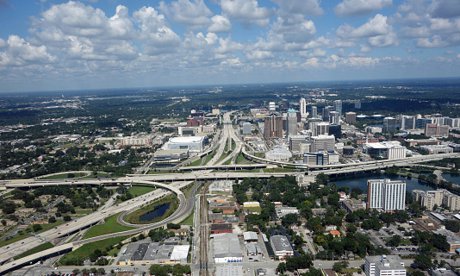
The 429 Expressway: Your Guide to Orlando's Western Beltway | Orlando Living Guide

Why the Daniel Webster Western Beltway matters for Orlando's west side communities

The 429 Expressway - Western Beltway around Orlando

If you live on the west side of Orlando or you're considering making the move to one of Central Florida's booming western communities, there's one road you'll quickly get to know pretty well: the 429 Expressway. While it might not have the infamous traffic reputation of Interstate 4, this toll road is quietly changing how people live, work, and commute across Orlando's western corridor.

Also known by its official (and let's be honest, way more impressive) name, the Daniel Webster Western Beltway, State Road 429 is the newer sibling in Central Florida's expressway family. And unlike some of its more congested counterparts, the 429 actually delivers on its promise: a faster, smoother drive between Orlando's western communities and the rest of the metro area.

Whether you're house hunting in Winter Garden or Horizon West commuting from Clermont, or just trying to figure out the best route to dodge Orlando traffic, understanding the 429 is essential. Let's break down everything you need to know about this game-changing expressway.

What Exactly Is the 429 Expressway?

The 429 Expressway is a 30-mile limited-access toll road that runs along Orlando's western edge, creating what transportation planners call a "western beltway." In plain English? It's the highway that lets you bypass downtown Orlando entirely if you're traveling north-south on the west side of the metro area.

The expressway starts (or ends, depending on your direction) at US Highway 27 near Clermont in the north and stretches all the way south to Interstate 4 near Walt Disney World. Along the way, it intersects with several major roads including US 441 (which takes you toward Mount Dora and Apopka), the Florida Turnpike, and various state roads serving western communities.

Unlike the chaotic free-for-all that is I-4, the 429 is a well-maintained, relatively uncrowded toll road with consistent speed limits (mostly 65 mph) and clear signage. It's managed by the Central Florida Expressway Authority (CFX), the same organization that runs several of Orlando's other toll roads.

A Brief History Lesson (We Promise It's Interesting)

The 429 is actually one of the newer additions to Orlando's expressway system. While roads like the 408 Expressway have been around since the 1960s, the 429 didn't fully open until the early 2000s, with various sections completed in phases.

The road was originally envisioned as far back as the 1980s when planners realized that Orlando's western communities were growing rapidly and needed better north-south connectivity. The name "Daniel Webster Western Beltway" honors Daniel Webster, a prominent figure in Central Florida's development (not to be confused with the famous 19th-century statesman of the same name).

Construction began in the late 1990s, with the first section opening in 2006. The northern extension to US 27 was completed in 2015, finally providing the full continuous route that exists today. The road was built anticipating future growth, and boy, did that growth happen. Communities along the 429 corridor have exploded in population over the past two decades.

What Makes the 429 Special?

Here's what sets the 429 apart from other Orlando area roads and why it's become such a lifeline for west side residents:

Less Traffic, More Sanity

Let's start with the obvious: the 429 is significantly less congested than I-4 or even the Turnpike during peak hours. Because it serves primarily residential communities rather than major tourist destinations, rush hour looks more like "slightly busy" rather than "parking lot from hell." Sure, you'll see more cars during morning and evening commutes, but nothing like the gridlock you'd experience on I-4 near downtown.

Strategic Connections

The 429 isn't just a straight shot north and south, it's strategically designed to connect with other major roads at key points. Need to get to the airport? Take the 429 south to the 528 (Beachline). Heading to Tampa or Miami? The 429 connects to both I-4 and the Turnpike. Want to access MetroWest or other western Orlando neighborhoods? Multiple exits give you options.

Room to Grow

Unlike older expressways that feel cramped, the 429 was built with the future in mind. The road is wider, exits are better designed, and there's space for future expansion if needed. This forward-thinking approach means the road should remain useful for decades to come as the area continues to grow.

Which Communities Does the 429 Serve?

One of the best things about the 429 is how it's opened up so many western communities for people who work in Orlando proper but want a more suburban or even semi-rural lifestyle. Here's who benefits most from the 429:

Northern Communities: Residents of Clermont, Minneola, and the surrounding Lake County areas can reach Orlando International Airport in about 40-45 minutes using the 429, compared to over an hour via back roads. The access to US 441 also provides a quick connection for folks in the Apopka and Mount Dora areas.

Western Suburbs: Winter Garden, Ocoee, and Windermere all benefit from 429 access. What used to be a tedious drive through surface streets to reach I-4 is now a quick hop onto the expressway.

Disney Area Access: The southern terminus at I-4 puts you right near the western Disney World entrance, making the 429 a favorite route for locals heading to the parks or the ESPN Wide World of Sports complex.

If you're exploring these communities and wondering about commute times, the 429 is often the deciding factor that makes living further west practical for people working in downtown Orlando or along the I-4 corridor.

The Toll Reality: What You Need to Know

Let's address the elephant in the car: yes, the 429 is a toll road, and those tolls add up if you're using it daily. Here's what you should know:

Cost Range: Using the full length of the 429 typically costs between $5-6 if you have a SunPass or E-PASS transponder. Shorter trips will obviously cost less â€" most daily commuters pay around $2-4 per trip depending on which exits they use.

Toll-by-Plate vs. Transponder: Here's a pro tip that will save you money: get a SunPass or E-PASS transponder. If you go through tolls without a transponder (called "Toll-by-Plate" where they mail you a bill), you'll pay roughly 25-35% more per trip. For daily commuters, this difference adds up to hundreds of dollars per year.

Budgeting for Tolls: If you're considering a home in a western community and will commute via the 429 five days a week, budget approximately $150-250 per month for tolls. Yes, it's an extra expense, but many residents feel it's worth it for the time saved and stress avoided.

The Trade-off: Compare the toll costs to what you might save on housing. Many communities along the 429 offer more affordable home prices than closer-in neighborhoods. If you can save $300-500 per month on your mortgage by living further west, the toll costs might be a wash â€" and you get more house for your money.

Local Tips and Insider Knowledge

Want to drive the 429 like a local? Here are some things residents learn over time:

Best Times to Travel: Like most commuter roads, the 429 is most crowded between 7-9 AM southbound and 5-7 PM northbound. If you have flexibility in your schedule, traveling outside these windows means smooth sailing.

Watch Your Speed: The speed limit is enforced, and you will see FHP (Florida Highway Patrol) regularly patrolling. The 65 mph limit might feel slow when the road is wide open, but tickets on toll roads come with extra fees.

Gas Up Before You Go: There aren't service plazas on the 429 like you'd find on the Florida Turnpike. Make sure you have gas before getting on, especially for longer trips.

Emergency Situations: If you break down, there are emergency pull-off areas and call boxes along the route. The CFX has a pretty good response time for assisting stranded motorists.

The Bottom Line

The 429 Expressway has fundamentally changed life for Orlando's west side communities. What used to be isolated suburban areas are now perfectly positioned for people who want space, affordability, and newer construction while still having reasonable access to Orlando's job centers and attractions.

Is it perfect? No, the tolls are real, and you're still looking at 30-45 minute commutes to downtown Orlando from the furthest communities. But compared to sitting in I-4 traffic or taking winding back roads, the 429 is a game-changer. It's made communities like Winter Garden and Clermont viable options for people who previously wouldn't have considered living that far west.

For anyone relocating to the Orlando area, understanding the 429 and its role in the transportation network is crucial for making informed decisions about where to live. The expressway has opened up entire swaths of Central Florida that offer a different pace of life while keeping you connected to everything Orlando has to offer.

So next time you're cruising along the Daniel Webster Western Beltway with relatively clear lanes ahead of you, take a moment to appreciate this well-designed piece of infrastructure. It might not be as famous as the Turnpike, but for west side residents, the 429 is absolutely essential.

For current toll rates, road conditions, and official information, visit the Central Florida Expressway Authority website.


Considering a move to one of Orlando's western communities? Check out our Orlando Transportation Guide for more information about navigating Central Florida, or explore our Orlando Neighborhoods Guide to find the perfect community for your lifestyle. Ready to start your home search? Contact us for personalized assistance!
Dec. 28, 2025

408 Expressway Orlando: Your Complete Guide to the East-West Expressway

The 408 Expressway: Orlando's East-West Backbone

What every Central Florida commuter should know about SR 408, the Spessard L. Holland East-West Expressway

The 408 East West Expressway in Orlando

SR 408, officially the Spessard L. Holland East-West Expressway, is a 22-mile toll road running east-west through Orlando, Florida. It connects Florida's Turnpike in west Orange County near Ocoee to SR 50 (Colonial Drive) near the University of Central Florida, crossing directly through downtown Orlando. The road opened in 1973 and is operated by the Central Florida Expressway Authority (CFX), except for its westernmost mile, which belongs to Florida's Turnpike Enterprise. At peak, more than 164,000 vehicles a day use the 408 through downtown, making it the busiest road in the CFX network. Tolls are fully cashless, paid by E-PASS transponder or by a mailed Pay By Plate invoice.

If you're moving to Central Florida, you'll meet the 408 fast — probably on your first drive into Downtown Orlando. It's the road locals just call "the 408," and it's the spine that holds the metro's east-west traffic together. Officially, it's the Spessard L. Holland East-West Expressway, but nobody says that out loud.

Here's the thing: in a city stitched together by toll roads, the 408 is the one you'll use most. It runs right through the heart of Orlando, connects to nearly every other expressway, and shaves serious time off the congested alternative. Whether you're commuting downtown or just figuring out how Orlando is wired, this is the road to understand first — so let's break down what it is, what it costs, and how it shapes daily life here.

What Exactly Is the 408?

SR 408 is a 22-mile, limited-access toll road that runs east to west across Orange County. The western end ties into Florida's Turnpike out in west Orange County near Ocoee and Gotha, and the eastern end drops you onto SR 50 (Colonial Drive) just past Alafaya Trail, near the University of Central Florida.

In between, the 408 threads through Pine Hills, past the MetroWest area at the Kirkman Road exit, across Interstate 4 just southwest of downtown, and on through east Orlando. It's run by the Central Florida Expressway Authority (CFX) — all but the westernmost mile, which Florida's Turnpike Enterprise owns as its connector. And it's busy: more than 164,000 vehicles a day roll through the downtown stretch at peak, which makes the 408 the single busiest road in CFX's 125-mile network.

A Quick History (For Your Next Trivia Night)

The 408 opened on October 26, 1973, as a project of the old Orlando-Orange County Expressway Authority — the agency that eventually became CFX. The original road was a modest 13-mile bypass meant to relieve Colonial Drive; a major eastern extension in the late 1980s pushed it out toward Alafaya and UCF, giving us today's full 22-mile route.

The name honors Spessard L. Holland, Florida's 28th governor, a U.S. senator until 1971, and a decorated World War I aviator. So yes — the road you grumble about in rush hour is named after a genuine Florida heavyweight.

Why Should Orlando Residents Care?

Because the 408 is your shortcut. It runs parallel to SR 50 (Colonial Drive), the free east-west arterial that carries up to 45,000 vehicles a day in spots, choked with traffic lights and stop-and-go misery. The 408 has none of that — no signals, no cross streets. For most east-west trips it's dramatically faster, which is exactly why people pay the toll.

It's also the connector that links everything else. From the 408 you can jump onto I-4 for the theme parks and Tampa, the SR 429 Western Beltway toward the western suburbs, the SR 417 GreeneWay on the east side, or the SR 528 Beachline toward the airport and coast. For a feel for how these roads place the metro's neighborhoods, our geography of Orlando guide maps out where the good commutes actually are.

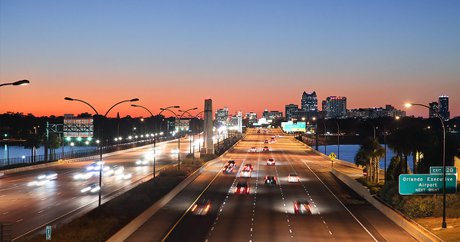
It even runs right past Orlando Executive Airport near Lake Underhill, where CFX dressed up the bridge with decorative towers as a "gateway" into the city. And if you commute downtown, the 408 parallels the SunRail corridor — a car-free option for the same trip.

The Toll Question: What It Really Costs

Let's be real — the 408 isn't free, and the cost is the part newcomers get wrong most often. Here's how it works in 2026.

First, the big change: CFX went fully cashless at the end of 2025. The coin baskets and booths are gone. You now pay one of two ways — automatically with an E-PASS (or compatible SunPass/E-ZPass) transponder, or by Pay By Plate, where a camera reads your license plate and CFX mails the registered owner an invoice. The catch: E-PASS rates run about 50% lower than Pay By Plate for the same trip.

For a typical downtown commute crossing two or three toll plazas, expect roughly $2 to $4 a day with E-PASS, or roughly $4 to $8 a day with Pay By Plate. Frequent E-PASS users can earn volume discounts of up to 25% on top of that. CFX last raised rates on July 1, 2025, and under its current policy it adjusts tolls a little each year, so treat those figures as ballpark — the official CFX toll calculator has the exact current numbers.

Bottom line for newcomers and renters: get an E-PASS before you start commuting. Drive a rental or skip the transponder, and those Pay By Plate invoices add up fast.

The Real Deal: Pros and Cons

The Pros:

  • By far the fastest east-west route across Orlando — no traffic lights, no cross streets
  • Connects to every major expressway: I-4, SR 417, SR 429, SR 528, and Florida's Turnpike
  • Cashless gantries mean you never slow down or stop to pay
  • Direct access to downtown, the Kia Center, Camping World Stadium, and Orlando Executive Airport
  • A genuine alternative to the daily grind of Colonial Drive

The Cons:

  • It's a toll road, and daily costs add up — especially without an E-PASS
  • Pay By Plate rates are roughly double, which stings tourists and rental drivers
  • Tolls tick up most years under CFX's annual adjustment policy
  • The I-4 interchange still backs up during peak rush hour

Our Take:

If you're choosing where to live around the metro, factor the 408 into the math. A home that looks cheaper but adds two toll plazas to every commute isn't always the bargain it seems, while one with easy 408 access can make a slightly farther neighborhood feel a lot closer to work.

Driving the 408: Local Tips

A few things the neighbors figure out quickly. The downtown stretch and the I-4 interchange are the chokepoints — shift your commute even 20 minutes off peak and you'll feel it. On the far west end near Ocoee, the road also puts West Oaks Mall and the area's big-box retail within easy reach — see our comprehensive Ocoee shopping guide for what's out there.

One more newcomer note: don't confuse the 408 with I-4. They cross just southwest of downtown but do very different jobs. I-4 is the free interstate running northeast-southwest toward the parks and Tampa; the 408 is the toll road running east-west. Mix them up and you'll end up at SeaWorld when you meant to go to UCF.

What the Neighbors Know

The 408 isn't glamorous, but it's the most useful road in Orlando — the one that quietly makes the rest of the metro reachable. Locals don't think twice about the toll because the time it saves over Colonial Drive is worth it almost every day.

For anyone relocating here, understanding the 408 is really about understanding how Orlando fits together: a downtown core ringed by expressways, with neighborhoods that live or die by their access to them. Get an E-PASS, learn which exits get you home, and the 408 stops being a mystery and starts being your daily shortcut. 🚗

For current routes, toll rates, and project updates, visit the official SR 408 page at the Central Florida Expressway Authority.


Trying to figure out which Orlando neighborhoods give you the best access to the 408 and the rest of Central Florida's expressways? Explore homes near the corridor in Downtown Orlando and Ocoee, or contact us for personalized relocation advice!

Dec. 28, 2025

LYNX Bus Orlando: Your Guide to Central Florida Public Transit

Affordable, accessible, and more extensive than you think – here's what Orlando residents should know about LYNX

Lynx Bus Service in Orlando

So you're considering a move to Orlando, or maybe you're already here and wondering if you can get around without always hopping in your car? Let's talk about LYNX – Central Florida's public bus system that's way more useful than most people realize. With gas prices, parking fees, and the hassle of traffic on Interstate 4, having a solid public transit option in your back pocket is pretty valuable.

Whether you're a budget-conscious resident, an environmentally minded commuter, or just someone who'd rather scroll through your phone than navigate Orlando traffic, LYNX bus service might become your new best friend. Here's everything you need to know about riding the bus in Central Florida.

What Exactly Is LYNX?

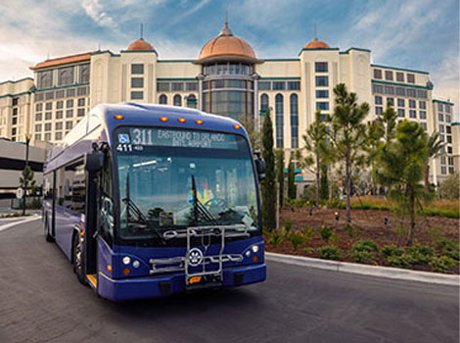
LYNX (yes, it's named after Florida's state animal, the Florida panther, also called a lynx) is the public bus system serving the greater Orlando area. Operated by the Central Florida Regional Transportation Authority, LYNX runs 68 bus routes throughout Orange, Seminole, and Osceola counties, with additional service reaching into Lake and Polk counties. That's approximately 2,500 square miles of coverage – pretty impressive!

The system handles around 90,000 passenger trips every single day, connecting residents to jobs, schools, medical facilities, shopping centers, and yes, even the theme parks. If you're moving to Orlando and exploring your transportation options, LYNX is an important piece of the puzzle.

A Quick History Lesson (We Promise It's Interesting)

LYNX wasn't always called LYNX. The system started as OSOTA (the Orlando and Surrounding Orange County Transit Authority) back in the day. In a smart move, it merged with the Central Florida Commuter Rail Authority and was renamed to what we know today. The system's crown jewel, LYNX Central Station, opened in November 2004 as a $30 million state-of-the-art transit hub.

Here's something cool: LYNX Central Station became an intermodal station in 2014 when SunRail opened, meaning you can seamlessly transfer between bus and commuter rail. Located near the intersection of I-4 and Colonial Drive (State Road 50), it's now one of the busiest transit stations in Florida, handling over 138,000 riders annually. The station's distinctive wave-shaped canopies aren't just for looks – they're designed to naturally cycle out diesel exhaust fumes by pulling in fresh air. Pretty smart engineering!

How Much Does LYNX Cost? (Spoiler: It's Really Affordable)

Let's talk money, because this is where LYNX really shines. At just $2 for a single ride, it's one of the most budget-friendly ways to get around Central Florida. That $2 includes a free transfer within 90 minutes, so you can switch buses to reach your final destination without paying twice.

Here's the full fare breakdown:

  • Single Ride: $2 (includes 90-minute transfer)
  • All-Day Pass: $4.50 (valid until 3 AM the next morning)
  • 7-Day Pass: $16
  • 30-Day Monthly Pass: $50

If you're a youth (ages 7-18 or currently in high school), senior (65+), Medicare cardholder, or person with a disability, you can get a LYNX discount ID that cuts all these prices in half. Kids under 7 ride free when accompanied by an adult (up to three children per adult).

The math is simple: if you're commuting to work or school daily, that $50 monthly pass pays for itself after just 25 one-way trips. Compare that to driving costs – gas, parking, wear and tear on your vehicle – and LYNX becomes an even better deal.

Where Can LYNX Take You?

This is where LYNX surprises people. You might think it's just for getting around downtown Orlando, but the network reaches way beyond the urban core. Here are some major destinations you can reach via LYNX:

  • Theme Parks: Disney Springs, Walt Disney World Transportation and Ticket Center, Universal CityWalk (and by extension Universal Studios and Islands of Adventure)
  • Airport: Orlando International Airport (MCO) via multiple routes
  • Shopping: Florida Mall, Mall at Millenia, Premium Outlets (both International Drive and Vineland locations)
  • Medical Facilities: Orlando VA Medical Center in Lake Nona, Nemours Children's Hospital, multiple healthcare centers
  • Education: University of Central Florida (UCF), Valencia College campuses, UCF Downtown
  • Entertainment: Kia Center (formerly Amway Center), Dr. Phillips Center for the Performing Arts, Orlando Science Center, Orlando Museum of Art

The system also connects with other regional transit services. You can transfer to LakeXpress (serving Lake County) and Citrus Connection (serving Polk County) at several locations, expanding your reach even further.

Special LYNX Services You Should Know About

LYMMO – The Free Downtown Circulator

Here's a fun fact: Orlando has what claims to be the oldest Bus Rapid Transit (BRT) system in the United States. LYMMO launched in 1997 and operates three free circulator routes in downtown Orlando, each named after citrus fruits (because, Florida): the Orange Line, Lime Line, and Grapefruit Line.

LYMMO buses run in dedicated lanes with priority signals, making them faster and more reliable than regular traffic. If you work or live downtown, these free shuttles connecting Lake Eola Park, the Kia Center, LYNX Central Station, and other downtown destinations are incredibly convenient. No fare, no hassle – just hop on and ride.

FastLink Routes

Three LYNX routes (407, 418, and 441) are branded as FastLink and use limited-stop patterns to get you where you're going quicker. Route 407, for example, connects the LYNX Kissimmee station to the Orlando VA Medical Center in Lake Nona, servicing the medical city area efficiently. If you're commuting along one of these corridors, FastLink can cut significant time off your trip.

NeighborLink

For residents in less densely populated areas, NeighborLink provides curb-to-curb service in specific communities. You need to call at least two hours in advance to schedule your pickup, but it's a lifeline for getting back home from a regular LYNX stop in areas where fixed-route service isn't practical.

How to Actually Use LYNX: Practical Tips

Payment Options

LYNX has modernized its payment systems significantly. You have three main options:

  • Cash: Exact fare only (drivers can't make change). Only $1 and $5 bills accepted.
  • Tap-to-Pay: Use your contactless credit card directly on the bus.
  • LYNX PawPass App: Download the app, buy digital passes, and activate them when you board. This is honestly the easiest method – no worrying about having exact change or fumbling with cards.

Planning Your Trip

Don't just show up at a bus stop and hope for the best. Use these tools:

  • LYNX Trip Planner: Available on the GoLYNX.com website, it'll map out your entire journey including transfers.
  • LYNX Bus Tracker: Real-time arrival information so you know exactly when your bus is coming.
  • Google Maps: Yes, LYNX routes are integrated into Google Maps, making trip planning super easy.
  • Transit App: Another great option that shows all LYNX routes with real-time updates.

Insider Tips for New Riders

  • Bring Your Bike: All LYNX buses (except LYMMO) have front-mounted bike racks you can use for free. Great for that last-mile connection.
  • Ask for a Transfer: Even if you're paying cash, tell the driver you need a transfer. It's free and gives you 90 minutes to make connections.
  • Look for the Paw: LYNX bus stops are marked with the distinctive lynx paw icon – once you know what to look for, you'll spot them everywhere.
  • Time Your Connections: If you're transferring to or from SunRail, note that timing between services can be irregular. Build in some buffer time.
  • Check Weekend Service: Not all routes run on weekends or holidays. Double-check the schedule before relying on LYNX for a Saturday trip.

The Pros and Cons: Our Honest Take

What We Love About LYNX:

  • Incredibly affordable compared to driving and parking
  • Extensive coverage throughout Central Florida
  • Modern payment options (especially the PawPass app)
  • Free downtown LYMMO service
  • Connections to SunRail, theme parks, and the airport
  • All buses are wheelchair accessible and air-conditioned
  • Free Wi-Fi on buses

The Reality Check:

  • Service frequency varies – some routes run every 15 minutes, others every hour
  • Limited late-night service (Orlando is still very car-centric)
  • Weekend and holiday service is reduced on many routes
  • Trip times are usually longer than driving (but you can be productive while riding)
  • Not every neighborhood has convenient access to routes

Is LYNX Right for Your Orlando Lifestyle?

LYNX works best for people who:

  • Live or work near major routes (check the system map for your neighborhood)
  • Have flexible schedules that can accommodate bus timing
  • Want to save money on transportation costs
  • Don't need a car for every errand or social event
  • Work downtown or in another well-served area

For many residents, LYNX isn't a complete car replacement but rather a smart supplement. Use it for your daily work commute, trips to the airport, or nights out downtown when you don't want to deal with parking. Keep your car for when you need the flexibility.

If you're relocating to Orlando, factor LYNX access into your neighborhood search. Living near a frequent bus route can significantly reduce your transportation costs and expand your mobility options, especially in a city where car ownership can be expensive.

The Bottom Line

LYNX isn't going to win any awards for being the most extensive or frequent transit system in America – Orlando is still fundamentally a car-oriented city. But for what it is, LYNX provides solid, affordable, and increasingly modern public transportation across a huge service area.

At $2 a ride or $50 a month, it's an accessible option for residents at all income levels. The integration with SunRail, connections to major employment centers and attractions, and modern conveniences like the PawPass app show that LYNX is evolving to meet Central Florida's growing transit needs.

Whether you use it daily or just occasionally, knowing how LYNX works gives you more freedom to get around Orlando on your terms. Plus, there's something satisfying about sitting back with your phone or a book while someone else deals with I-4 traffic. 🚌


For more information about routes, schedules, and services, visit the official LYNX website or call (407) 841-LYNX (5969).


Have questions about Orlando neighborhoods with great transit access or anywhere else in Central Florida? Check out our Orlando Neighborhoods Guide or contact us for personalized relocation advice!

Dec. 28, 2025

Central Florida Roads Guide: Highways & Transportation | Orlando Living

Everything you need to know about navigating the highways, expressways, and transportation systems of Central Florida

Orlando Transportation and Roads Guide

So you're thinking about moving to Central Florida, or you've just arrived and you're trying to figure out the maze of highways, expressways, and toll roads that crisscross the Orlando metro area. Trust me, it can feel a bit overwhelming at first – especially if you're coming from a city where the interstate system is more straightforward or where toll roads aren't the norm.

Here's the thing: once you understand the basic layout of Central Florida's road network, getting around becomes second nature. The region has invested billions in transportation infrastructure over the past few decades, creating a system that (when there's no traffic) can get you almost anywhere relatively quickly. Whether you're commuting to work, heading to the theme parks, or making a weekend beach run, knowing which roads to take makes all the difference.

In this guide, we're breaking down everything you need to know about Central Florida roads and transportation – from the major interstates to the toll expressways, from SunPass to rush hour patterns. Consider this your insider's guide to navigating Orlando like a local. For more comprehensive transportation information, check out our Orlando Transportation Guide.

The Big Picture: Understanding Central Florida's Road Network

Central Florida's transportation system is built around a hub-and-spoke model, with downtown Orlando at the center and major roads radiating outward. The network includes free highways (like I-4), toll expressways, and an extensive system of local roads that connect neighborhoods throughout the metro area.

What makes Central Florida unique is the heavy reliance on toll roads. While this might seem like a drawback at first, these expressways are generally well-maintained, less congested than free alternatives, and offer faster travel times. Plus, with electronic toll collection (no stopping to pay cash!), the process is pretty seamless once you're set up.

The region's road system serves a massive and diverse population – from Downtown Orlando out to suburbs like Clermont in the west, Sanford in the north, and Kissimmee in the south. Understanding how these roads connect is key to choosing where to live based on your work commute and lifestyle needs.

The Major Players: Key Highways and Expressways

Interstate 4 (I-4): The Spine of Central Florida

If there's one road that defines Central Florida, it's Interstate 4. Running east-west through the heart of Orlando (yes, the "east-west" designation is confusing since it runs more northeast-southwest through our area), I-4 is the main artery connecting Tampa to Daytona Beach and passing right through downtown Orlando.

Here's what you need to know about I-4: it's free, it's critical, and it's often congested. This 132-mile interstate sees some of the highest traffic volumes in Florida, especially through the International Drive resort area and downtown corridor. The recent I-4 Ultimate improvement project has added express lanes in the central section, which help – but rush hour is still rush hour.

I-4 serves these key areas:

Local tip: Download the FDOT 511 app to check real-time traffic before getting on I-4. Also, if you're commuting daily on I-4, consider the express lanes (tolled but faster during peak times).

The Florida Turnpike: Your Express Route North-South

The Florida Turnpike is the granddaddy of Florida's toll road system, running from Miami all the way to the Georgia border. In Central Florida, it provides a crucial north-south route that bypasses much of the congestion you'd encounter on I-4.

The Turnpike is especially important if you're living in areas like Ocoee, Clermont, or anywhere in west Orange or Lake County. It connects seamlessly with other toll roads, making it part of a broader network that can get you across the metro area efficiently.

SR 408: The East-West Expressway

The 408 Expressway (officially the Spessard Holland East-West Expressway) is a toll road that runs – you guessed it – east to west across Orlando. It's particularly useful for getting from downtown Orlando to the eastern suburbs, including the UCF area, Waterford Lakes, and eventually connecting to State Road 417.

Many downtown workers who live east of the city swear by the 408. It's faster and less stressful than navigating surface streets or dealing with I-4 congestion. The downside? Tolls add up, so factor that into your commuting budget if you'll be using it daily.

SR 417: The Central Florida GreeneWay

The 417 Expressway is a semicircular toll road that acts as an eastern beltway around Orlando. It's a game-changer for people living in or traveling to eastern communities like Lake Nona, Oviedo, and areas near Orlando International Airport.

The 417 connects to I-4 in multiple locations and provides access to the Beachline Expressway for trips to the coast. It's especially popular with airport travelers and anyone looking to avoid the I-4 parking lot during peak hours.

SR 429: The Western Beltway

The 429 Expressway (also called the Daniel Webster Western Beltway) mirrors the 417 on the western side of metro Orlando. This toll road is crucial for accessing western communities like Apopka, Winter Garden, and Mount Dora.

The 429 has been a catalyst for development in west Orange and Lake Counties, opening up previously rural areas for residential and commercial growth. If you work in downtown Orlando but want that small-town feel with newer homes and more land, communities along the 429 corridor are worth exploring.

SR 528: The Beachline Expressway

Want to hit the beach? The Beachline Expressway (SR 528) is your friend. This toll road runs east from I-4 all the way to Port Canaveral and Cocoa Beach, making it the primary route for Central Florida residents heading to the Atlantic coast.

The Beachline also provides access to Orlando International Airport and serves as a key connection for cruise passengers heading to Port Canaveral. Weekend traffic can get heavy, especially during summer, but it's still the fastest way to get from Orlando to the beach.

Beyond the Highways: Alternative Transportation Options

While Central Florida is definitely a car-centric region, there are other transportation options worth knowing about, especially if you're trying to reduce your reliance on driving or want alternatives for specific trips.

SunRail: The Commuter Train

SunRail is Central Florida's commuter rail system, running north-south from DeBary through Orlando to Poinciana. If you work in downtown Orlando and live near a SunRail station in areas like Lake Mary, Winter Park, or Kissimmee, this can be a stress-free commuting option.

The system has its limitations – it doesn't run on weekends and has limited evening hours – but for weekday commuters, it's a solid alternative to sitting in I-4 traffic. Plus, stations are located in walkable downtown areas with restaurants and shops.

Lynx: Public Bus System

Lynx is the regional bus system serving Orange, Seminole, and Osceola counties. While bus service isn't as comprehensive as in major northeastern cities, Lynx does provide valuable connections throughout the metro area, particularly for those without access to a car or looking to save on transportation costs.

Brightline: High-Speed Rail

The newest addition to Central Florida's transportation landscape is Brightline, a high-speed rail service connecting Orlando to South Florida (Miami, Fort Lauderdale, West Palm Beach). The Orlando station is at the airport, making it convenient for travelers and commuters.

While Brightline isn't a daily commuting option for most people, it's a fantastic alternative to driving or flying when you need to get to South Florida for business or pleasure. The trains are modern, comfortable, and way less stressful than fighting I-95 traffic.

Practical Information: Tolls, Traffic, and Tips

How to Handle Tolls

Central Florida uses all-electronic tolling, meaning no toll booths or cash collection. You have two options:

1. Get a Transponder – Either a SunPass (through the state) or E-PASS (through the CFX) gives you the best rates and most convenience. These small devices stick to your windshield and automatically pay tolls as you drive. Both systems work on all Florida toll roads.

2. Toll-By-Plate – If you don't have a transponder, cameras photograph your license plate and a bill is mailed to the registered owner. This costs significantly more (sometimes 50% more than transponder rates) and comes with additional fees.

Our take: Get a transponder. The cost savings alone make it worthwhile if you use toll roads even occasionally, and you'll avoid the hassle of bills showing up in the mail. You can get one at most grocery stores or order online.

When Is Rush Hour?

Central Florida's rush hour patterns are similar to most metro areas but with some tourism-related quirks:

  • Morning rush: 7:00 AM – 9:00 AM (earlier is better)
  • Evening rush: 4:30 PM – 6:30 PM (later is better)
  • Weekend anomalies: Saturday mornings and Sunday evenings can see heavy traffic due to theme park visitors and weekend travelers
  • Holiday impacts: Spring break, summer vacation, and major holidays bring significantly heavier traffic, especially near the theme parks and on routes to the beaches

Smart Commuting Strategies

If you're planning your commute or choosing where to live based on work location, consider these factors:

  • Reverse commute advantage: Living east and working west (or vice versa) often means lighter traffic since you're going opposite the main flow
  • Expressway access: Living near an expressway entrance (408, 417, 429) can shave significant time off your commute, but factor toll costs into your housing budget
  • SunRail proximity: If your work is near a downtown station, living near a SunRail station in suburbs can be a game-changer for stress-free commuting
  • Remote work flexibility: Even one or two remote days per week dramatically improves your quality of life in Central Florida's car-oriented culture

The Bottom Line

Navigating Central Florida's roads and transportation system might seem daunting at first, but it quickly becomes second nature. The region has invested heavily in infrastructure, and while traffic can be frustrating (especially on I-4), the network of toll expressways provides efficient alternatives for getting around.

The key to making it work is understanding the system before you arrive. Get your SunPass or E-PASS set up early, download a traffic app, and research commute times from potential neighborhoods to your workplace during actual rush hour (not at 2 PM on a Tuesday). Most importantly, factor both commute time and toll costs into your decision about where to live – a house that's $100 cheaper per month doesn't save you money if you're spending $150 in extra tolls and gas.

Central Florida's transportation landscape continues to evolve, with ongoing improvements to I-4, expansions of the toll road network, and discussions about extending SunRail service. The region recognizes that efficient transportation is crucial to continued growth and quality of life. While we may never be a walkable, transit-oriented city like New York or San Francisco, the transportation options here work well once you understand them.

For detailed information about Florida's roads, tolls, and travel conditions, visit the Florida Department of Transportation website and download their 511 app for real-time traffic updates.


Ready to explore Central Florida neighborhoods? Check out our Best Places to Live in Orlando guide or browse Orlando neighborhoods to find your perfect community based on commute and lifestyle preferences!

Dec. 28, 2025

Orlando Investment Properties Guide | Long-Term vs Short-Term Rentals

How to choose between traditional residential rentals and Disney-area vacation homes for maximum ROI

Orlando Investment Properties Guide

So you're thinking about buying an Orlando investment property—smart move! Central Florida's booming population, year-round tourism, and strong job market make it one of the hottest real estate investment markets in the country. But here's where it gets interesting: unlike most cities, Orlando offers two completely different investment strategies that attract very different types of investors.

On one side, you've got the traditional long-term rental game—buying a home in a residential neighborhood and leasing it to families or young professionals for a year or more. On the other, there's the short-term vacation rental hustle—purchasing a property near Walt Disney World or Universal and renting it out nightly on Airbnb or Vrbo to tourists. Both can be incredibly profitable, but they're fundamentally different businesses with different rules, returns, and headaches.

Let's break down everything you need to know about both strategies so you can decide which Orlando investment property path makes sense for you. Whether you're a hands-off investor seeking steady cash flow or an active operator chasing higher returns, we've got you covered.

Understanding Orlando's Unique Investment Landscape

First, let's acknowledge what makes Orlando special in the investment world. Most cities offer either strong residential rental markets or decent vacation rental opportunities. Orlando? We've got both in spades, and that's not an accident.

The residential rental market is booming thanks to Orlando's explosive population growth—we're adding about 1,000 new residents every week. Companies like Amazon, KPMG, and countless tech startups are bringing thousands of jobs to Central Florida, and these new residents need places to live. Areas like Lake Nona, Winter Park, and Baldwin Park are seeing strong demand for quality long-term rentals.

Meanwhile, Orlando's tourism industry—anchored by Disney World, Universal Orlando, and SeaWorld—pulls in over 75 million visitors annually. That's a lot of people who need somewhere to stay, and increasingly, they're choosing vacation rentals over hotels for the space, amenities, and value. The catch? These properties must be in designated short-term rental zones to operate legally.

The Critical Zoning Difference

Here's the thing most new investors miss: you can't just buy any house in Orlando and turn it into a vacation rental. Orange County (where Orlando proper sits) has strict zoning that prohibits short-term rentals in most residential neighborhoods. The county wants to preserve the character of traditional neighborhoods and prevent them from turning into de facto hotel districts.

Short-term vacation rentals are primarily permitted in specific areas of Kissimmee and unincorporated Osceola County, where proximity to Walt Disney World makes the vacation rental model the norm rather than the exception. Communities like Champions Gate, Reunion, Davenport, and Windsor at Westside were purpose-built with vacation rentals in mind.

This zoning reality is the single biggest factor that determines your investment strategy before you even start looking at properties. It's not about which model is "better"—it's about which model is legal for the property you're considering.

Long-Term Residential Rentals: The Steady Income Play

Let's start with the more traditional investment: long-term residential rental properties. These are your bread-and-butter rentals—single-family homes, townhouses, or condos leased to individuals or families for six months, a year, or longer.

Where to Buy Long-Term Rentals

For long-term rentals, you want to focus on areas with strong job growth, good schools, and solid infrastructure. Think about where people actually want to live, not where tourists want to visit. Popular neighborhoods for long-term investment properties include:

  • East Orlando: Near UCF and the growing research park area, attracting young professionals and graduate students
  • South Orlando: Hunter's Creek, Meadow Woods—family-oriented communities with reasonable price points
  • Lake Nona: Higher-end rentals in this master-planned medical city attract healthcare professionals and executives
  • Winter Park Area: Premium rentals for professionals who want that upscale Orlando lifestyle
  • Seminole County: Lake Mary, Oviedo, Winter Springs—excellent schools drive strong rental demand from families

The Numbers: What to Expect

A typical long-term rental property in the Orlando metro area might look like this (numbers vary widely by neighborhood and property quality):

  • Purchase Price: $250,000 - $400,000
  • Monthly Rent: $1,500 - $2,500
  • Annual Gross Income: $18,000 - $30,000
  • Expenses (property tax, insurance, HOA, maintenance): $5,000 - $8,000 annually
  • Net Operating Income: $13,000 - $22,000 (before mortgage)

The cash-on-cash return typically ranges from 6-10% annually, assuming you put 20-25% down. Not sexy numbers compared to vacation rentals, but here's what makes them attractive...

Pros of Long-Term Residential Rentals

  • Steady, predictable income: One tenant, one lease, 12 months of consistent rent
  • Lower management intensity: After the initial setup, these mostly run on autopilot
  • Fewer regulations: No special licenses required in most areas
  • Lower operating costs: Tenant pays utilities; you're not furnishing or constantly cleaning
  • Easier financing: Traditional mortgages with better rates and terms
  • Lower insurance costs: Standard homeowner policies work fine
  • Longer tenant relationships: Good tenants often stay for years, reducing turnover costs
  • Appreciation potential: Properties in residential neighborhoods typically appreciate steadily

Cons of Long-Term Residential Rentals

  • Lower gross returns: You're typically looking at 6-10% cash-on-cash vs. potentially double that with vacation rentals
  • Tenant dependency: One bad tenant or extended vacancy hits hard
  • Longer eviction process: If you need to remove a problem tenant, Florida's eviction process takes 2-3 months minimum
  • Wear and tear: Some tenants treat properties better than others (hopefully yours are in the former category!)
  • Limited tax deductions: You miss out on some of the aggressive write-offs available to vacation rental operators

Short-Term Vacation Rentals: The High-Octane Strategy

Now let's talk about the sexy cousin: short-term vacation rentals. These are fully furnished properties near the theme parks, rented out nightly or weekly primarily to tourists. Think Airbnb and Vrbo meets Mickey Mouse.

Where to Buy Vacation Rentals

Location is everything for vacation rentals. Specifically, you want to be within 15 minutes of Disney World's main entrance. The closer you are, the higher your occupancy rates and nightly prices. Top areas include:

  • Champions Gate: Golf course community with large homes, 10 minutes to Disney
  • Reunion: Luxury resort community with three golf courses, water park, and resort amenities
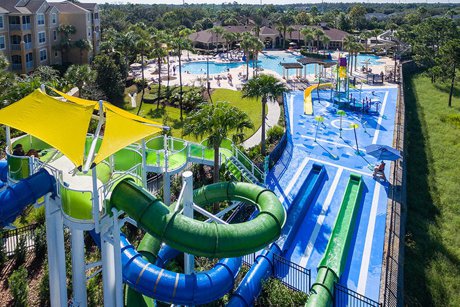
  • Windsor at Westside: Family-friendly community with a clubhouse that has lazy rivers and water slides
  • Solara Resort: Newer development with amazing clubhouse facilities
  • Davenport: More affordable entry point, still close to parks
  • West Kissimmee: Variety of communities at different price points

Notice what's not on this list? Pretty much anywhere in Orlando proper. Most vacation rental communities are in unincorporated Osceola County or Kissimmee, where short-term rentals are specifically permitted.

The Numbers: What to Expect

A typical vacation rental property in the Disney area might look like this:

  • Purchase Price: $350,000 - $600,000 (larger homes with pools)
  • Annual Gross Income: $40,000 - $80,000+ (highly variable based on occupancy)
  • Operating Expenses: $15,000 - $25,000 annually
    • Property management (20-30% of gross income)
    • Utilities (you pay all of them)
    • Pool maintenance
    • Higher insurance
    • Property taxes
    • HOA fees
    • Repairs and maintenance (more frequent than long-term)
    • Furnishings and replacements
    • Linens, cleaning supplies, welcome baskets
  • Net Operating Income: $25,000 - $55,000 (before mortgage)

Cash-on-cash returns can range from 10-20%+ in good years, but these are more variable than long-term rentals. A bad year or poor management can quickly turn positive cash flow negative.

Pros of Short-Term Vacation Rentals

  • Higher income potential: Gross income can be 2-3x what you'd get from long-term rentals
  • You can use it: Block out weeks for personal use (though this impacts revenue)
  • Aggressive tax deductions: Everything from pool toys to Disney tickets can potentially be deducted
  • Depreciation benefits: Can depreciate furnishings over 5 years instead of 27.5 for the property
  • Flexibility: Can adjust pricing dynamically based on demand
  • Less tenant dependency: Hundreds of short stays vs. one long-term tenant means diversified risk
  • Property condition: Professional cleaning after every stay means issues get caught quickly

Cons of Short-Term Vacation Rentals

  • High management intensity: Bookings, guest communication, maintenance, cleaning coordination—it never stops
  • Variable income: Busy season (holidays, summer) is great; off-season can be rough
  • Higher operating costs: Everything costs more—insurance, utilities, management, maintenance
  • More regulations: License requirements, tax collection, inspections in some jurisdictions
  • Harder financing: Many lenders require 20-30% down for vacation rental properties
  • Competition: Thousands of similar properties competing for bookings
  • Wear and tear: Different guests every few days means more maintenance and replacement costs
  • Economic sensitivity: During recessions or events like COVID-19, tourism tanks and so does your income

What the Experts Won't Always Tell You

Now for some real talk from our experience working with investors in both markets...

About Vacation Rental Management Companies

Most vacation rental investors use property management companies because running a vacation rental remotely is basically impossible. These companies charge 20-30% of your gross revenue, which sounds steep—but here's what they actually do: handle all bookings, coordinate cleaning between guests, arrange maintenance, respond to guest issues 24/7, restock supplies, and manage your listing across multiple platforms.

The quality of management companies varies wildly. Some are fantastic, treating your property like their own and maximizing your revenue. Others are glorified answering services that do the bare minimum. Do your homework, check references, and ideally visit their other properties before signing.

The Hidden Cost of Furnishing

When buying a vacation rental, budget an additional $30,000-$50,000+ for furniture, appliances, kitchenware, linens, pool equipment, games, and decorations. Yes, really. Guests expect fully equipped homes with comfortable beds, plenty of dishes, pool floaties, games, and themed rooms. Cheap out on furnishings and watch your reviews (and bookings) tank.

Plus, furniture takes a beating. Expect to replace sofas every 3-5 years, mattresses every 5-7 years, and small appliances even more frequently.

About Long-Term Rental Management

Many long-term rental owners self-manage because it's relatively simple: find a tenant, collect rent, handle occasional maintenance. Property management companies for long-term rentals typically charge 8-10% of monthly rent. Whether you need management depends on whether you live nearby and have the time and temperament to handle tenant calls, showings, and occasional middle-of-the-night emergencies.

The Bottom Line: Which Strategy Is Right for You?

Here's our take after helping hundreds of investors navigate Orlando's rental property market: there's no universal "best" choice—it genuinely depends on your situation, goals, and personality.

Choose long-term residential rentals if you:

  • Want steady, predictable income with minimal management hassle
  • Prefer lower risk and can accept lower returns
  • Are investing for long-term wealth building and appreciation
  • Don't have time to actively manage a property
  • Prefer investing in growing residential areas rather than tourist zones
  • Want simpler financing with lower down payments

Choose short-term vacation rentals if you:

  • Want maximum income potential and are willing to work for it
  • Can handle income variability and higher risk
  • Have capital for higher down payments and furnishing costs
  • Either enjoy active management or can afford quality management companies
  • Want to occasionally use the property yourself
  • Understand and can navigate the more complex regulatory environment

The beauty of the Orlando market? You can actually do both. Many savvy investors build portfolios with a mix of stable long-term rentals providing base income and vacation rentals offering higher returns but requiring more attention. Diversification isn't just for stock portfolios!

And remember: successful real estate investing in Orlando isn't just about picking the right strategy—it's about buying the right property in the right location at the right price. That's where our local expertise comes in handy. We know which neighborhoods are trending up, which vacation rental communities are oversaturated, and where the smart money is investing right now.


For comprehensive information about property taxes, zoning regulations, and property records in the Orlando area, visit the Orange County Property Appraiser and Osceola County Property Appraiser websites. For vacation rental licensing requirements, check the Osceola County official regulations.


Ready to explore Orlando investment properties? Whether you're interested in long-term residential rentals or short-term vacation properties, we can help you find the right opportunity. Check out our Best Places to Live in Orlando guide for residential investment areas, or explore vacation rental hotspots like Champions Gate and Reunion. Contact us for personalized investment property guidance tailored to your goals and budget!

Posted in Buying a Home
Dec. 28, 2025

Orlando New Construction Communities 2026 | Florida Neighborhood Realty

From Lake Nona to brand-new master-planned communities, discover where Orlando's top builders are creating the homes of tomorrow

Orlando New Construction Communities for 2026

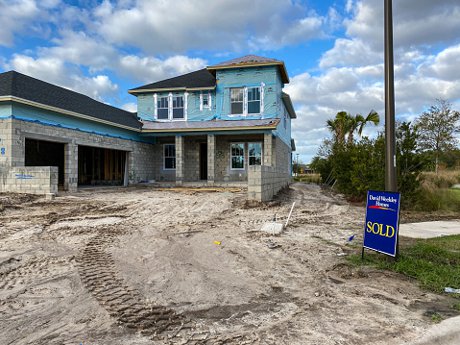
If you're thinking about buying a new construction home in Orlando, you've picked an incredible time to do it. The Orlando metro area is experiencing one of the most exciting building booms in its history, with 359 new construction neighborhoods currently offering homes for sale and 59 different home builders competing to create your perfect home. Whether you're a first-time buyer, growing family, or retiree looking for your forever home, Orlando's new construction scene in 2026 has something special waiting for you.

But here's the thing — with so many options, communities, and builders to choose from, where do you even start? That's exactly what we're here to help with. Think of this as your insider's guide to what's hot, what's new, and what's worth checking out in Orlando's new construction market for 2026. From cutting-edge master-planned communities to tried-and-true neighborhoods with the best builders in the business, we're breaking it all down.

So grab your favorite beverage, get comfortable, and let's explore the exciting world of new construction homes in Central Florida. Trust us, by the end of this guide, you'll have a clear picture of where you want to plant roots and build memories in the Orlando area!

What's Happening in Orlando New Construction Right Now?

Let's start with the big picture. Orlando isn't just growing — it's booming. Currently, there are 3,541 new construction homes for sale across the metro area, ranging from cozy townhomes starting around $225,000 to luxury estates that stretch beyond $3 million. That's not even counting the quick move-in homes ready for immediate occupancy.

What makes this growth particularly exciting is the diversity of options. You're not stuck choosing between cookie-cutter suburban developments. Today's Orlando neighborhoods offer everything from walkable urban communities with restaurants and shops at your doorstep to sprawling master-planned developments with resort-style amenities that make you feel like you're on permanent vacation.

The builders driving this growth aren't just constructing houses — they're creating entire lifestyle experiences. We're talking about communities with state-of-the-art fitness centers, resort-style pools, miles of walking trails, dog parks (because our furry friends matter!), and even private schools within the community. Some neighborhoods are even incorporating cutting-edge smart home technology and sustainability features as standard inclusions.

The Powerhouse Builders You Need to Know

When you're investing in a new home, the builder matters just as much as the location. Orlando is home to some of the most respected national home builders in the country, and each brings something unique to the table.

Lennar: The "Everything's Included" Innovator

With 38 active communities in the Orlando area and 119 different floor plans, Lennar has become synonymous with value and innovation in Central Florida. What sets them apart? Their "Everything's Included" approach means features you'd normally pay extra for — like upgraded appliances, smart home technology, and energy-efficient upgrades — come standard. They're particularly strong in master-planned communities and have a solid reputation for quality construction backed by an A+ financial rating.

DR Horton: America's #1 Builder

As the largest home builder in America, DR Horton brings serious expertise to Orlando with 24 active communities. They're particularly known for their competitive pricing and ability to get homes built efficiently without cutting corners. If you're looking for solid construction at an accessible price point, DR Horton should definitely be on your list. Their expansion along the U.S. 27 corridor for 2026, with townhomes starting in the mid-$300,000s, represents some of the best value in the market.

Pulte Homes: Premium Quality and Customization

Pulte has built its reputation on offering buyers real choices in their homes. Their design centers let you customize everything from kitchen layouts (they even have specialized designs for different cooking and entertaining styles!) to the exact paint color for each room. They're active throughout Orlando, particularly in Saint Cloud and other southeastern communities.

Other Notable Builders

Don't overlook Toll Brothers (luxury homes with gated communities), David Weekley Homes (known for excellent customer service), Ryan Homes (strong first-time buyer programs), and Ashton Woods (beautiful design aesthetic). Each builder has its own personality and approach, so it's worth visiting multiple communities to find the right fit for your family.

Top Master-Planned Communities for 2026

Lake Nona: Florida's #1 Master-Planned Community

If you've done any research on Orlando real estate, you've heard about Lake Nona. This isn't just hype — Lake Nona genuinely represents the cutting edge of community development. Spanning 17 square miles, this master-planned community is home to over 15,000 residents and continues to be Florida's best-selling community year after year.

What makes Lake Nona special? It's essentially a "smart city" that blends innovation, wellness, and modern living. The Medical City section houses cutting-edge healthcare facilities including the University of Central Florida College of Medicine and the VA Medical Center. The Lake Nona Town Center offers upscale shopping, dining, and entertainment. Neighborhoods like Laureate Park and Northlake Park feature homes ranging from the $500,000s to over $2 million, with architectural styles from modern contemporary to traditional Florida.

Plus, you're just five minutes from Orlando International Airport, making travel incredibly convenient. The community also features miles of trails, Boxi Park (an outdoor venue with food trucks and live music), and the Lake Nona Adventure Park water park. For families, the schools in Lake Nona are highly rated, making this a complete package.

EverBe: Orlando's Newest Master-Planned Neighborhood

Here's one you might not have heard of yet: EverBe is Orlando's newest master-planned community, and home sales are already underway! Located with quick access to the 417 and 528 Beachline expressways, EverBe offers that sweet spot of convenience and tranquility.

This community is being designed around a sprawling central waterway with expansive green spaces, parks, playgrounds, and community pools all connected by a network of pathways. The waterfront town center will serve as the community's heart. What's particularly appealing about EverBe is its proximity to everything — it's minutes from UCF, Lake Nona, and downtown Orlando, with Orlando International Airport (including the new Brightline high-speed rail station) just 10 minutes away. The Space Coast beaches? Just 45 minutes.

Sunbridge: The Next Lake Nona?

If you thought Lake Nona was ambitious, meet Sunbridge. This 26,000-acre master-planned community by Tavistock Development Company (the same developers behind Lake Nona) is being called the next frontier of Central Florida development. Located about 26 miles from downtown Orlando, Sunbridge will eventually feature 35,000 homes plus extensive retail, commercial, and office space.

What makes Sunbridge particularly interesting is its emphasis on nature and outdoor living — it's been nicknamed a "nature-hood." The infrastructure is being designed with the same forward-thinking approach as Lake Nona, including the Sunbridge Parkway connecting directly to the 528. While it's still in early development stages, getting in now means you'll be part of shaping this community from the ground up.

ChampionsGate: Golf, Resorts, and Vacation Home Potential

Located along the I-4 corridor near Disney, ChampionsGate has become incredibly popular with both primary home buyers and vacation home investors. This golf community features championship courses, resort-style amenities, and homes ranging from townhomes to luxury estates. Multiple builders are active here, including Lennar and Pulte, offering diverse options for different budgets and needs.

Other Notable Communities

Celebration: Disney's master-planned community continues to be popular for its small-town charm, excellent schools, and meticulously maintained environment. The recently established Island Village is in it's next phase of construction.

Horizon West: All of Orlando's production home builders are actively building in this South Winter Garden area which is just North and West of Walt Disney World in what used to be citrus groves.

Reunion: Ultra-luxury resort community with golf courses, water park, and high-end vacation rental potential.

What's New and Exciting in 2026?

The New American Home 2026

Here's something cool: The New American Home 2026 is being built right now in Winter Park by Alair Homes Orlando. This 7,414-square-foot showcase home (15,176 square feet under roof!) will be the official show home at the 2026 National Association of Home Builders International Builders' Show in February. It's designed to showcase cutting-edge construction techniques, sustainability features, and smart home technology. Tours will only be available during the show, but the innovations showcased here will influence home building throughout Orlando and beyond.

55+ Active Adult Communities

Orlando's new construction boom isn't just for families with kids. Communities like Gatherings of Lake Nona (built by Beazer Homes) represent the growing trend of active adult communities for 55+ residents. These condos and homes feature low-maintenance living, resort-style amenities, and location near healthcare, shopping, and entertainment. Construction on many of these communities is wrapping up in 2026, so if you're looking for active adult living in Central Florida, now's the time to explore your options.

Location, Location, Location: Where Should You Build?

Orlando's geography means you have distinct choices about where to build, each with its own character and lifestyle:

East Orlando (Lake Nona, Waterford Lakes): Close to the airport, UCF, and newer development. Modern communities with excellent amenities.

South Orlando (Hunters Creek, Kissimmee): More affordable options, proximity to attractions and tourist corridor.

West Orlando (Winter Garden, Windermere): Family-friendly, excellent schools, established communities mixing new construction with existing homes.

North Orlando (Lake Mary, Sanford): Strong school districts, business parks, suburban lifestyle with historic downtown areas.

Your choice depends on your priorities — commute time to work, school districts, lifestyle preferences, and budget. Our Best Places to Live in Orlando guide can help you narrow down which area aligns best with your needs.

What to Expect: The New Home Buying Process

Buying new construction is different from buying an existing home. Here's what you should know:

Model Home Visits: Start by touring model homes in communities that interest you. This isn't just about the house — it's about the entire community vibe, amenities, and location.

Design Center Selections: Once you pick your floor plan and lot, you'll visit the builder's design center to choose everything from flooring and countertops to cabinet styles and paint colors. This is fun but can also be overwhelming — bring photos of styles you like!

Timeline: New construction typically takes 4-6 months from contract to closing, though this can vary based on the builder, home size, and current construction demand.

Builder Incentives: Many builders offer attractive incentives like closing cost assistance, rate buy-downs, or upgrades. These can save you thousands, but always work with an experienced buyer's agent who knows how to negotiate the best deals.

Warranties: New homes come with builder warranties, typically covering structural issues for 10 years and mechanical systems for 1-2 years. Make sure you understand what's covered.

For a comprehensive guide to the entire process, check out our Buying a Home in Orlando Guide, which walks you through every step from first visit to closing day.

The Investment Angle: Vacation Rental Potential

One unique aspect of Orlando's new construction market is the vacation rental opportunity. Communities near the theme parks, particularly ChampionsGate, Reunion, and certain Kissimmee neighborhoods, allow short-term rentals. Many buyers purchase new construction homes with the dual purpose of personal use and rental income.

This strategy has become increasingly popular, with some owners covering their entire mortgage through vacation rental income. However, it's important to understand HOA restrictions, management requirements, and the commitment involved. Our Orlando Investment Properties guide explores this in detail.

The Bottom Line: Is Now the Right Time?

Here's our honest take: Orlando's new construction market in 2026 offers incredible opportunities, but it's not right for everyone. The positives are clear — modern homes with the latest features, builder warranties, energy efficiency, and the ability to customize your space. Plus, you're part of growing communities with brand-new amenities and the latest infrastructure.

However, new construction typically costs more than comparable resale homes, and you need patience for the building process. You're also betting on communities that are still developing — that amenity center might not open for another year, and that promised shopping center could be further out than you'd like.

That said, if you want to be part of Central Florida's future rather than its past, if you value modern design and technology, and if you're willing to invest in growing communities that will mature over the coming years, Orlando's new construction scene in 2026 is absolutely worth exploring.

The diversity of options means there's truly something for every budget and lifestyle — from affordable townhomes in developing areas to luxury estates in premier master-planned communities. The key is doing your research, visiting multiple communities, and working with real estate professionals who know the market inside and out.


For the most comprehensive and up-to-date information on new construction communities, builders, and available floor plans throughout the Orlando area, visit NewHomeSource Orlando to explore all your options.


Ready to explore Orlando's new construction communities? Check out our Moving to Orlando Complete Guide for everything you need to know about relocating to Central Florida. Have questions about specific communities or need help navigating the new home buying process? Contact us for personalized guidance from local experts who know Orlando inside and out! 🏡

Posted in Buying a Home
Dec. 28, 2025

Orlando's Best Late-Night Dining: Where Service Industry Workers Actually Eat | Orlando Food Guide

The insider's guide to after-hours eats in Central Florida, straight from the people who know food best

hospitality industry hangouts

Here's something every server, bartender, and chef in Orlando will tell you: when you spend your entire shift taking care of other people's dining experience, you become extremely particular about where you eat when you finally clock out. And in a city where most restaurants shut down by 10 PM (or earlier on weeknights), finding quality late-night food becomes something of a sacred quest.

If you want to know where the real food magic happens after midnight in Orlando, don't ask a food blogger – ask your server. The hospitality industry has an entire underground dining scene that most people never discover, because by the time industry workers are getting off their shifts (usually between 11 PM and 2 AM), most folks are already home in their pajamas.

But here's the beautiful thing: these late-night spots aren't just convenient – they're often serving some of the best food in the city. Because when you're feeding people who've spent all night serving $200 dinners or crafting $18 cocktails, you'd better bring your A-game. So let's dive into Orlando's best-kept secret: where the hospitality industry actually eats after the dining rooms close.

Why Industry Workers Are the Ultimate Food Critics

Before we get into the spots themselves, let's talk about why servers, bartenders, and chefs are the best people to trust when it comes to late-night dining recommendations. These folks have spent years (sometimes decades) in the trenches of the food and beverage world. They know what good service looks like, they can spot fresh ingredients versus shortcuts, and they have absolutely zero patience for pretentious food or attitude.

More importantly, after spending an entire shift on their feet dealing with difficult customers, ticket printers, and the general chaos of a busy restaurant, industry workers want three things: good food that actually satisfies, reasonable prices (because most are paying out of pocket), and a vibe that lets them decompress. They want to be treated like humans, not ticket numbers. The restaurants that win their loyalty are doing something right.

And because word travels fast in the service industry, a spot that becomes an "industry favorite" has basically passed the most rigorous restaurant review process imaginable. If servers are spending their hard-earned tips at your restaurant, you know it's legit. Let's explore the spots across Orlando's dining scene that have earned this coveted status.

Santiago's Bodega: The OG Industry Hangout

If there's one name that comes up repeatedly when you ask Orlando service industry workers about their late-night go-to spot, it's Santiago's Bodega. Located in the Milk District (East Orlando near the UCF area), this Cuban-inspired spot has become legendary among the after-hours crowd – and for good reason.

Santiago's runs a late-night happy hour that goes until 1:30 AM on weekends, which is practically unheard of in Orlando. But it's not just about the timing – it's about what they're serving. We're talking Cuban sandwiches that rival anything in Miami, perfectly seasoned tostones, ropa vieja that's been slow-cooked to tender perfection, and cocktails that are strong enough to help you forget your worst table of the night but balanced enough that you'll actually enjoy drinking them.

The vibe at Santiago's is exactly what industry workers crave: casual, unpretentious, and genuinely welcoming. The staff here gets it because many of them come from hospitality backgrounds themselves. There's an understanding that if you're rolling in at 12:30 AM still in your work blacks, you're probably exhausted, hungry, and might need a moment to decompress before you're ready to be social. They respect that, and they'll take care of you without being pushy.

Industry workers also love that the prices at Santiago's won't wreck your budget. When you're making server wages and just finished a long shift, dropping $50+ on dinner isn't always in the cards. Santiago's offers quality food at prices that feel fair, which is why you'll consistently find the parking lot packed with service industry folks well after midnight on Friday and Saturday nights.

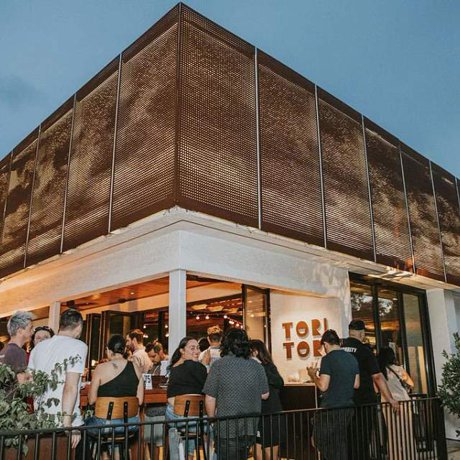
Tori Tori: When You Want Something Special

Sometimes after a particularly grueling shift, you want to treat yourself to something a little more elevated – enter Tori Tori. This Japanese restaurant and sushi bar serves until 2:00 AM on weekends, making it a favorite for industry workers who want quality without sacrificing the late hours.

Located in the Downtown Orlando area, Tori Tori has built a reputation for fresh sushi, creative rolls, and an impressive selection of Japanese whisky and sake. But what really wins over the service industry crowd is the kitchen's consistency – whether you show up at 8 PM or 1:30 AM, you're getting the same quality of food. That level of reliability is something hospitality workers deeply appreciate (because they know firsthand how hard it is to maintain standards during late-night service).

The menu offers both traditional and inventive options, which means you can keep it simple with pristine nigiri or go wild with one of their signature rolls. Industry workers particularly love the small plates and yakitori options, which are perfect for sharing with coworkers or just having a variety of flavors after a shift. And the pricing, while not budget-level, is reasonable for the quality you're getting – especially during any late-night specials they might be running.

The atmosphere at Tori Tori manages to feel upscale without being stuffy, which is the sweet spot for industry workers who want to feel like they're somewhere nice but don't want to deal with attitude or pretension. Plus, the bar is well-stocked and the bartenders know their craft, which servers and bartenders always notice and appreciate.

The Moderne: Pan-Asian Excellence After Hours

The Moderne rounds out the trifecta of beloved late-night industry spots with its Pan-Asian menu and 2:00 AM weekend closing time. Located near downtown, this restaurant has become a fixture in the late-night dining scene, particularly among industry workers who appreciate good Asian fusion done right.

What sets The Moderne apart is the breadth of their menu – you've got options ranging from Vietnamese pho to Thai curries to Korean-style dishes, all executed with care and quality ingredients. This variety is huge for industry workers, because after months or years of eating at the same few late-night spots, having diverse options becomes important. You can hit The Moderne multiple weeks in a row and never order the same thing twice.

The restaurant's commitment to fresh ingredients and bold flavors resonates with culinary professionals who know the difference between reheated food and dishes made to order. Their noodle dishes are particularly popular among the late-night crowd – there's something deeply satisfying about a steaming bowl of ramen or pad thai after a chaotic shift.

The Moderne also gets bonus points for understanding the late-night dining experience. The service is efficient but not rushed, the music isn't so loud you can't have a conversation, and there's enough space that even if they're busy, you don't feel crammed in. These details matter to people who spend their workdays hyper-aware of the guest experience.

Beyond the Big Three: Other Industry Favorites

While Santiago's Bodega, Tori Tori, and The Moderne represent the holy trinity of Orlando late-night industry dining, they're not the only players in the game. Here are a few more spots that consistently earn love from the after-hours crowd:

White Wolf Café

This quirky hidden gem in Downtown Orlando serves comfort food with a side of vintage charm until midnight on weekends. Industry workers love it for the cozy atmosphere, the antique store vibe, and the fact that you can get actual breakfast food late at night (because sometimes after a dinner shift, you just want pancakes, you know?). The prices are reasonable, the portions are generous, and the whole place feels like eating at your cool aunt's house – if your cool aunt happened to run a restaurant.

Tako Cheena

This unique fusion spot combines Asian and Mexican cuisines in ways that shouldn't work but absolutely do. Open until 2:00 AM on weekends, Tako Cheena has become an industry favorite for its creative takes on traditional dishes and its understanding that late-night diners want bold flavors. Their bao buns and Korean-style tacos are particularly popular, and the prices won't destroy your server bank. Plus, they're located in the Mills 50 area, which has become a late-night dining hub in its own right.

Gringos Locos

Sometimes you just need tacos and beer, and Gringos Locos delivers on both fronts. With multiple locations serving until 2:00 AM or later on weekends, this casual spot has become a go-to for industry workers who want no-fuss Mexican food at prices that respect the service industry budget. The al pastor is legit, the carne asada is solid, and you can actually hear yourself think, which isn't always the case at late-night spots.

Steak 'n Shake

Look, we're being real here – sometimes after a brutal double shift, you don't want artisanal anything. Sometimes you want a double steakburger, cheese fries, and a chocolate shake, and you want it at 3:00 AM. That's where Steak 'n Shake comes in. The 24-hour locations around Orlando (particularly the one near UCF) are beloved by industry workers for their reliability, consistency, and the fact that they'll never judge you for ordering a full meal at an ungodly hour. It's not fancy, but sometimes it's exactly what you need.

What Makes a Great Industry Restaurant?

After talking to dozens of hospitality workers and observing the late-night dining scene across Orlando (including areas like Winter Park and Downtown Orlando), some common themes emerge about what makes a restaurant earn "industry favorite" status:

  • Genuine Late Hours: Not "kitchen closes at 10 PM" late. We're talking midnight or later, preferably 2:00 AM on weekends.
  • Quality That Doesn't Drop: The food at 1:00 AM should be just as good as the food at 7:00 PM.
  • Fair Pricing: Respect that your late-night crowd is often paying out of their own pockets after working for tips.
  • No Attitude: Industry workers can spot fake hospitality from a mile away. Be genuine or be forgotten.
  • Variety: When you're eating out multiple times a week after work, you need options that won't bore you.
  • Understanding the Vibe: Industry workers need places where they can decompress, not perform.

The Culture of Industry Dining

There's something special about the late-night industry dining scene that goes beyond just the food. When you walk into Santiago's Bodega or Tori Tori after midnight, you're not just getting dinner – you're joining a community. You'll see groups of servers still in their work blacks, chefs who've finally escaped the kitchen, bartenders comparing notes about their wildest customers of the night.

This is where industry friendships are formed, where war stories are shared, where people who spend their days taking care of everyone else finally get to be taken care of. It's where you might meet your future business partner, your next best friend, or just find a friendly face who understands why you're eating tacos at 2:00 AM on a Tuesday.

For people considering a move to Orlando who work in hospitality, knowing that this late-night dining culture exists can be a real draw. Working in restaurants, bars, and hotels often means your social life operates on a different schedule than the 9-to-5 crowd. Having access to quality late-night dining options isn't just about convenience – it's about having a social scene and community that operates on your hours.

The Bottom Line

Orlando's late-night dining scene might not get as much attention as its theme park restaurants or upscale dining districts, but for the thousands of hospitality workers who keep this tourist city running, these after-hours spots are essential. Places like Santiago's Bodega, Tori Tori, and The Moderne aren't just restaurants – they're community hubs, decompression chambers, and reward centers all rolled into one.

Whether you're a service industry veteran looking for your new go-to spot, a night owl who appreciates good food at unconventional hours, or someone considering a move to Central Florida who wants to understand the full scope of the dining scene, these industry favorites offer a glimpse into a side of Orlando that most people never see. It's grittier, more authentic, and arguably more interesting than anything you'll find in the tourist corridors.

And here's the best part: you don't have to work in hospitality to enjoy these spots. Industry workers are generally happy to share their late-night haunts with anyone who appreciates good food and good vibes. Just remember the golden rule: treat your server well, tip appropriately, and understand that if you're visiting at 1:00 AM, you're in their world now. Welcome to the after-hours club. 🌙


Exploring Orlando's food scene and wondering where you might want to live? Check out our comprehensive Orlando Neighborhoods Guide to find your perfect Central Florida community, or explore our overview of the Orlando Dining and Restaurant Scene for more great places to eat at any hour!

Dec. 28, 2025

Orlando's Secret Speakeasy Dining: Hidden Bars & 1920s Vibes | Orlando Living Guide

The thrill of the find: Password-protected doors, hidden entrances, and secret speakeasies waiting to be discovered

Orlando Speakeasy Dining Guide

There's something incredibly satisfying about discovering a secret. And when that secret happens to be a hidden bar serving craft cocktails behind an unmarked door, bookshelf entrance, or inside a comic book store? Well, that's the kind of discovery that makes you feel like you're part of an exclusive club. Welcome to Orlando's thriving speakeasy scene, where the journey to find these hidden gems is half the fun.

If you're thinking speakeasies are just a trendy throwback to the Prohibition era, you're partially right. But in Orlando, the speakeasy concept has evolved into something much more diverse and creative. Sure, you'll find authentic 1920s-style lounges where passwords are required and jazz plays softly in the background. But you'll also stumble upon post-apocalyptic themed bars inside comic shops, witchy cocktail lounges, and even full-blown dinner theater experiences that transport you back to gangland Chicago.

For anyone moving to or exploring the Orlando area, understanding the local speakeasy scene reveals a lot about the city's personality: creative, fun-loving, and always up for a little mystery and adventure. Whether you're in Downtown Orlando, Winter Park, or even Kissimmee, there's a hidden bar waiting to be discovered. Let's dive into the most unique speakeasy experiences the greater Orlando area has to offer.

Capone's Dinner & Show: The Full Gangster Experience

If you want to go all-in on the speakeasy experience, Capone's Dinner & Show is where you start. Located on International Drive near Kissimmee, this isn't just a bar – it's a complete theatrical immersion into 1931 gangland Chicago. From the moment you arrive, you're part of the show.

Here's how it works: First, you'll need to ring the bell and give the secret password (provided when you purchase tickets online). Once inside, you're transported to Al Capone's speakeasy, complete with period costumes, authentic 1920s decor, and mobster waitstaff who stay in character throughout the evening. Your "personal mobster" waiter or waitress will crack jokes, banter with you, and keep your glass filled with unlimited drinks – yes, including alcoholic beverages, which is rare for dinner shows.

The experience includes a four-course Italian-American meal served buffet-style, followed by a hilarious two-hour musical comedy show featuring Miss Jewel, Bunny-June, Fingers Salvatorio, and other zany characters. The show includes singing, dancing, audience participation, stand-up comedy, and even a gangster giveaway where prizes are awarded nightly. The interactive nature means you might become part of the show – so be prepared to laugh and possibly be lovingly roasted by the cast.

Local tip: Book online to get 50% off tickets (starting at $46.99 for adults), and arrive early to explore Al's Four Deuces Lounge upstairs before the show. Upgrade to VIP for early admission and preferential seating. While Capone's is family-friendly and great for all ages, the humor is clever enough to keep adults thoroughly entertained.

Vault 5421: Post-Apocalyptic Meets Comic Book Cool

Want something completely different? Head to Vault 5421, a hidden bar tucked inside Gods & Monsters, a comic book and collectibles shop on International Drive. The name pays homage to the Fallout video game series, and the post-apocalyptic theme is executed brilliantly.

To find it, you'll need to venture to the back of the comic shop and look for a door that resembles a vault entrance. Once inside, you're transported to what feels like a post-nuclear fuel station complete with skeletons, creepy dolls, sci-fi decorations, and vintage TVs playing old-school movies and video games. It's quirky, it's immersive, and it's absolutely perfect for anyone who appreciates geek culture.

The drink selection is impressive: over 100 bottles of craft beer, cider, mead, wine, and even sake. They also feature rotating seasonal selections of themed cocktails, saketinis, and shots. The bartenders are knowledgeable and enthusiastic, eager to help you find the perfect brew or mix a custom cocktail based on your preferences.

Why locals love it: Vault 5421 combines two great experiences in one – you can browse the extensive comic book collection, pick up some collectibles, and then settle into the speakeasy for drinks. It's especially popular during Halloween season when the spooky atmosphere really shines, but it's open year-round and worth visiting anytime.

The Treehouse: Nature-Inspired Cocktails in Downtown Orlando

Located on East Pine Street in Downtown Orlando, The Treehouse offers a completely different vibe from the gangster and apocalyptic themes. This cozy cocktail lounge on the second floor creates an intimate, nature-inspired atmosphere that feels like stepping into an adult treehouse (but way cooler than anything your dad built in the backyard).

The moment you climb the grass-adorned stairs and pass through the green door, you're enveloped in warm, natural tones. Wood paneling covers the walls, brick creates cozy corners, and real tree branches stretch across the ceiling. Some areas even feature AstroTurf flooring, adding to the whimsical outdoor feel. Neon signs, unique photo props, and perfect lighting make it incredibly Instagrammable – but the real draw is the craft cocktails.

The Treehouse specializes in house-made infused liquors and signature craft cocktails. Try the Morning Wood (a local favorite) or ask the bartender to create something custom based on your flavor preferences. The intimate setting makes it perfect for date nights or small groups of friends looking for a quieter Orlando nightlife experience.

Hours and details: Open Wednesday through Saturday from 8pm to 2am, The Treehouse also serves as an event venue for private parties (capacity up to 125 guests). It's connected to The Attic and The Basement, making it part of a trifecta of unique downtown bars.

More Secret Speakeasies Worth Discovering

Mathers Social Gathering

Perhaps Orlando's most authentic speakeasy experience, Mathers Social Gathering is hidden behind a bookshelf on the third floor of the historic Phoenix Building on South Magnolia Avenue downtown. Built over 130 years ago, the building survived an 1884 fire and later housed Mathers Furniture Store. Today, it's home to a rooftop speakeasy that requires a nightly password (check their Instagram or X account for the secret word). Once inside, you'll find dim lighting, vintage furniture, leather couches, and bartenders who take craft cocktails seriously. Don't miss the Bathtub Gin, served in a collectible "gin tub" that references the bathtub near the entrance.

Hanson's Shoe Repair

Despite the name, you won't get your shoes fixed here. Hanson's Shoe Repair is a password-protected speakeasy hidden inside another bar (NV) on East Pine Street downtown. Call the phone number, listen to the scratchy recording, and receive your reservation and password via callback. The 1920s Prohibition-era atmosphere is authentic, complete with handcrafted cocktails and staff in period attire.

The Craft at Cocktails & Screams

Horror fans will love Cocktails & Screams, a horror-themed lounge in downtown Orlando's City District. But the real magic happens when you answer the riddle correctly and gain entrance to The Craft, a witchy speakeasy hidden in the back. With voodoo styling and a talented mixologist who creates potions and concoctions based on your preferences, it's an immersive experience. Note: No photography inside – you don't want to get cursed!

The Vintage Speakeasy Bistro

A true prohibition-era themed establishment, The Vintage Speakeasy Bistro requires a password for entry (request it through their website form). This hidden gem offers handcrafted cocktails, live jazz from their house band, and an upscale white-glove experience. They're rolling out a membership program with VIP benefits for regulars.

The Bottom Line

Orlando's speakeasy scene proves that this city is about more than theme parks and tourist attractions. These hidden bars represent a growing sophistication in the Orlando dining and nightlife scene, offering unique experiences that reward the curious and adventurous.

What makes these speakeasies special isn't just the secret entrances or vintage aesthetics – it's the sense of discovery and exclusivity. In a world where everything is one Google search away, finding a hidden bar behind a bookshelf or inside a comic shop feels like uncovering a genuine secret. You're not just going out for drinks; you're embarking on a mini-adventure.

For residents and visitors alike, these speakeasies offer an escape from the ordinary. Whether you're celebrating a special occasion at Capone's theatrical dinner show, enjoying craft cocktails in The Treehouse's cozy atmosphere, or geeking out over drinks at Vault 5421, each experience is memorable in its own way. And isn't that what great nightlife is all about?


For more information about Orlando's speakeasy dining scene and to plan your visit, check out the Visit Orlando speakeasy guide. For Capone's Dinner & Show tickets and details, visit the official Capone's Dinner & Show website.

Ready to explore more of Orlando's incredible dining scene? Check out our comprehensive Orlando Dining and Restaurant Scene guide, or discover more hidden gems in our Orlando Nightlife Guide. Thinking about making Orlando your home? Browse our Orlando Neighborhoods Guide to find the perfect community for your lifestyle, or contact us for personalized relocation assistance!

Dec. 28, 2025

Paws & Patios: Orlando's Best Pet-Friendly Restaurants | Orlando Dining

Where your four-legged friend gets the VIP treatment (and maybe their own menu)

Orlando Pet Friendly Restaurants & Dining

Here's something dog owners in Orlando quickly discover: finding a restaurant that allows dogs is easy. Finding one that actually welcomes them with open arms (and maybe a special menu)? That's the real treasure hunt. But here's the good news – Orlando's dining scene has evolved way beyond just tolerating your furry companion.

We're talking about restaurants that treat your pup like the VIP they obviously are. Places that offer dedicated dog menus, homemade ice cream for canines, water bowl service before you even sit down, and patios designed with four-legged guests in mind. If you're considering relocating to Central Florida or already living here with a beloved pet, knowing where you can enjoy a quality meal without leaving Fido at home is essential.

Let's explore Orlando's most welcoming pet-friendly dining spots – the ones that go the extra mile to make sure both you and your dog have a tail-wagging good time.

The Evolution of Pet-Friendly Dining in Orlando

Orlando's pet-friendly dining culture has come a long way from the days when restaurants merely "tolerated" dogs tied up outside. As Central Florida has grown into a major metropolitan area, restaurant owners have recognized that pet owners represent a significant and loyal customer base. According to recent surveys, over 67% of U.S. households own a pet, and many consider their furry friends part of the family.

The trend gained serious momentum in Orlando around the mid-2010s, coinciding with the rise of neighborhoods like Baldwin Park and Winter Park that embrace walkable, outdoor-oriented lifestyles. Florida's year-round warm weather certainly helps – outdoor patios aren't just a summer luxury here, they're a lifestyle. Smart restaurateurs realized that welcoming pets could differentiate their establishment and create a more community-focused atmosphere.

Today, Orlando boasts dozens of genuinely pet-friendly restaurants, but some stand out for going above and beyond with specialized amenities and services.

Rock & Brews: Where Your Dog Actually Has Menu Options

Let's start with the heavyweight champion of pet-friendly dining in Orlando: Rock & Brews. This rock 'n' roll themed restaurant doesn't just allow your dog – they've created an actual menu for them. We're not talking about scraps from your plate or a basic dog biscuit. Rock & Brews offers legitimate meal options for your canine companion.

Their dog menu includes choices like grilled chicken breast (no seasoning, just pure protein) and beef patties specifically prepared for dogs. The portions are sized appropriately for different dog breeds, and the staff is trained to serve your pup with the same attention they give human guests. Many dog owners report that their pets get visibly excited when they realize they're heading to Rock & Brews – that's some serious brand loyalty!

Located with multiple locations throughout the Orlando area, Rock & Brews features spacious outdoor patios where dogs can relax while you enjoy classic American comfort food and an impressive selection of craft beers. The atmosphere is casual and energetic, with rock music creating a fun vibe. Pro tip: weekend brunch is particularly popular with the dog-owning crowd, so arrive early or make a reservation.

World of Beer: Pup-Approved Ice Cream and Expansive Patios

If your dog has a sweet tooth (and let's be honest, what dog doesn't?), World of Beer needs to be on your list. This craft beer haven with locations in Downtown Orlando, Winter Garden, and other Central Florida spots has become legendary among local pet owners for one specific reason: homemade dog ice cream.

That's right – actual ice cream made specifically for dogs, prepared in-house. The frozen treats are typically made with dog-safe ingredients like peanut butter, banana, and other pup-approved flavors, with no added sugars or artificial ingredients that could upset sensitive stomachs. It's become such a hit that some regulars joke their dogs are the ones who choose where the family dines.

Beyond the ice cream, World of Beer excels at the basics: spacious patios with plenty of shade, fresh water bowls that are refilled without asking, and staff who genuinely seem to enjoy having four-legged customers. The extensive craft beer selection (we're talking 500+ varieties at some locations) means you'll have plenty to explore while your dog makes friends with other patio pups. The tavern-style food menu offers everything from burgers to tacos, with generous portions perfect for sharing – or not.

The Ravenous Pig: Upscale Dining That's Still Dog-Friendly

Here's where Orlando's pet-friendly dining scene gets interesting: what if you want quality farm-to-table cuisine and craft cocktails, but you don't want to leave your dog at home? Enter The Ravenous Pig in Winter Park, which proves that sophisticated dining and pet-friendliness aren't mutually exclusive.

The Ravenous Pig's beer garden offers a more refined atmosphere while still welcoming well-behaved dogs. The outdoor space features not just comfortable seating but also lawn games like shuffleboard – which means humans can enjoy some friendly competition while dogs lounge nearby. Fresh water bowls appear almost magically, and the staff treats canine guests with the same hospitality as human patrons.

While The Ravenous Pig doesn't have a dedicated dog menu, the quality of their regular menu more than compensates. We're talking gastropub fare elevated to an art form: house-made charcuterie, creative seasonal dishes, and a beer list that could keep enthusiasts happy for months. Many dog owners appreciate that they can enjoy a truly excellent meal without sacrificing time with their pets.

The Winter Park location also puts you in one of Orlando's most pet-friendly neighborhoods, with beautiful tree-lined streets perfect for a pre- or post-dinner stroll with your pup.

Additional Must-Visit Pet-Friendly Spots in Greater Orlando

Gringos Locos

This authentic Mexican restaurant in Winter Park has one of the most dog-friendly patios in Central Florida. The sprawling outdoor space feels more like a backyard party than a restaurant, with plenty of room for dogs to stretch out. Water bowls are plentiful, and the staff keeps dog treats behind the bar for canine guests. The street tacos are phenomenal, and the margaritas aren't bad either. Multiple locations throughout the area make it a convenient option wherever you're living in Orlando.

Bosphorous Turkish Cuisine

Located in the Winter Park/Maitland area, this Turkish restaurant offers a beautiful patio setting where dogs are warmly welcomed. The Mediterranean atmosphere creates a relaxed dining experience, and the authentic Turkish cuisine provides a unique alternative to typical American fare. Staff members are known to bring special water bowls and treats for visiting dogs, and the shaded patio makes it comfortable even during warmer months.

Eola General

Situated near Lake Eola in downtown Orlando, Eola General offers an upscale yet relaxed atmosphere on their patio. The location is perfect for combining a meal with a walk around one of Orlando's most iconic parks. Dogs are welcome on the patio, water bowls are provided, and the New American menu offers something for every taste. The proximity to Lake Eola means you can take your pup for a beautiful lakeside walk before or after your meal.

Santiago's Bodega

This tapas-style restaurant in the Colonialtown neighborhood welcomes dogs on their covered patio. Known for creative small plates and an impressive wine selection, Santiago's Bodega offers a more intimate dining experience. The Spanish-inspired cuisine pairs perfectly with warm Florida evenings, and the staff is attentive to both human and canine guests. Many locals consider it one of the best-kept secrets in Orlando's pet-friendly dining scene.

Stardust Coffee & Video

While technically more of a coffee shop than a restaurant, Stardust deserves mention for their incredibly dog-friendly outdoor space. The vintage VHS theme inside extends to a quirky outdoor patio where dogs are not just allowed but celebrated. They offer food beyond coffee (pizza, sandwiches, and more), making it viable for lunch or dinner. The laid-back vibe attracts a diverse crowd, and you'll often find multiple dogs socializing while their owners enjoy craft coffee and food.

What Makes These Restaurants Stand Out

So what separates merely dog-tolerant restaurants from truly pet-friendly establishments? Based on our research and feedback from Orlando's dog-owning community, here are the key factors:

  • Proactive Service: Water bowls appear without asking, staff members know dogs' names after one visit
  • Appropriate Space: Patios with enough room for dogs to lie down comfortably without blocking walkways
  • Dog-Specific Amenities: Treats, special menu items, tie-up points, and waste bag stations
  • Staff Attitude: Employees who genuinely enjoy having dogs around, not just tolerate them
  • Shade and Comfort: Covered areas or ample shade, especially important in Florida's climate
  • Community Atmosphere: A vibe that encourages dog owners to gather, creating a social experience

Tips for Dining Out with Your Dog in Orlando

Even at the most welcoming establishments, being a responsible pet owner enhances the experience for everyone. Here are some essential tips:

  • Call Ahead: While most restaurants list their pet policy online, policies can change. A quick call confirms they're still welcoming dogs and whether they have any size restrictions.
  • Timing Matters: Consider visiting during off-peak hours when you're first introducing your dog to restaurant dining. Fewer people means less stress for your pup and a better first experience.
  • Bring the Essentials: Even if restaurants provide water bowls, bring your own portable bowl, waste bags, and a portable mat for your dog to lie on.
  • Know Your Dog's Limits: If your dog is reactive, anxious, or still in training, outdoor restaurant dining might not be ideal yet. There's no shame in waiting until they're ready.
  • Weather Awareness: Florida can be brutally hot. If the temperature is above 85°F and there's no shade, consider whether your dog will be comfortable. Many of these restaurants have covered patios, but it's worth checking.
  • Respect Other Diners: Not everyone loves dogs (shocking, we know). Keep your pup close to your table, prevent excessive barking, and be mindful of other guests' space.
  • Vaccinations and Flea Prevention: Ensure your dog is current on all vaccinations and flea/tick prevention before visiting crowded areas.

The Bigger Picture: Why Pet-Friendly Dining Matters

For those considering relocating to Orlando, the prevalence of pet-friendly restaurants speaks to a larger cultural shift toward inclusive, community-oriented living. When a city's dining scene actively welcomes pets, it signals several positive things about the community:

First, it reflects an understanding that pets are family members, not accessories. Second, it demonstrates a commitment to outdoor living and community spaces. Third, it shows that businesses value long-term relationships with customers who will return again and again to places where their whole family – including the four-legged members – feels welcome.

This attitude extends beyond restaurants into many aspects of life in Central Florida. You'll find neighborhoods with extensive dog parks, veterinary clinics on every corner, pet supply stores that rival human grocery stores, and a general acceptance of dogs in public spaces that might surprise transplants from less pet-friendly cities.

The Bottom Line

Orlando's pet-friendly dining scene has matured far beyond the days of dogs tied to posts outside restaurants, barely tolerated. Today's best establishments treat canine guests as valued customers, offering everything from dedicated menus to homemade treats to spacious, comfortable outdoor spaces designed with dogs in mind.

Whether you're looking for casual dining with a side of dog ice cream (World of Beer), a proper canine menu (Rock & Brews), or upscale gastropub fare where your well-behaved pup is still welcome (The Ravenous Pig), Orlando delivers. The city's year-round warm weather, outdoor-oriented lifestyle, and growing population of pet owners have created a perfect environment for restaurants that genuinely embrace four-legged guests.

For residents and prospective relocators alike, these pet-friendly dining options represent more than just convenience – they're a reflection of Orlando's welcoming, family-oriented culture. When your dog can join you for brunch, happy hour, or a nice dinner out, it fundamentally changes your relationship with your community and your quality of life.


For more information about pet policies and locations throughout Florida, visit the Florida Department of Agriculture and Consumer Services, which provides guidelines for pet-friendly businesses and pet travel in the state.


Planning a move to Central Florida with your furry family member? Check out our comprehensive Pet-Friendly Orlando Guide for information on dog parks, veterinary services, pet stores, and the most pet-welcoming neighborhoods. Or browse our Orlando Neighborhoods Guide to find your perfect community. Have questions? We're here to help – contact us for personalized advice about relocating to Orlando with your pets! 🐾

Dec. 28, 2025

Orlando's Best Hidden Gem Restaurants: Local Favorites Guide

Forget the tourist traps – here's where Orlando residents go for authentic, unforgettable meals

Orlando hidden gem restaurants

Let's be honest: if you're eating at a restaurant within eyeshot of a theme park, you're probably paying theme park prices for mediocre food. But here's the secret that locals know – some of Orlando's most incredible dining experiences are hiding in plain sight, tucked away in strip malls, converted houses, and neighborhood corners where the rent is reasonable and the food speaks for itself.

We're talking about the places where you'll see the same regular customers every week, where the owners remember your name (or at least your usual order), and where the focus is on doing one thing really, really well rather than trying to impress tourists. These are Orlando's hidden gem restaurants – the spots you won't find heavily marketed on International Drive, but you'll definitely hear locals raving about them.

Whether you're considering a move to Central Florida or just visiting and want to eat like a resident, this guide will introduce you to some of Orlando's best-kept culinary secrets. Fair warning: once you discover these spots, you might find it hard to go back to the usual tourist fare!

What Makes a Restaurant a "Hidden Gem"?

Before we dive in, let's clarify what we mean. A hidden gem restaurant isn't necessarily unknown – locals definitely know about them. Instead, these are places that fly under the radar of typical visitor guides and food bloggers chasing the next trendy hotspot. They're the restaurants you discover through word-of-mouth, the ones that have been serving the same incredible dish for 20 years without feeling the need to reinvent themselves every season.

Hidden gems typically share a few characteristics: they're locally owned, reasonably priced, located in residential neighborhoods rather than tourist zones, and focused on quality over Instagram-worthy presentation (though the food often looks pretty great anyway). Most importantly, they have soul – that intangible quality that comes from people who genuinely care about what they're serving.

Beefy King: A Central Florida Institution Since 1968

If there's one restaurant that defines "Orlando hidden gem," it's Beefy King. This unassuming spot on Bumby Avenue has been slinging roast beef sandwiches since 1968, and honestly, not much has changed – which is exactly how locals like it.

The star of the show is their signature Beefy King sandwich: thin-sliced roast beef piled high on a toasted bun with their secret sauce. It's simple, it's messy, and it's absolutely delicious. The whole meal – sandwich, fries, and a drink – will cost you less than $10, which is practically unheard of these days. The interior is no-frills (think: order at the counter, grab your tray, sit at a table with mismatched chairs), but that's part of the charm.

Local tip: Try the French Dip if you want something a bit different, and don't skip the onion rings – they're hand-battered and crispy perfection. The downtown Orlando location makes it a popular lunch spot for office workers, but it's worth a visit regardless of where you live in the metro area.

Yellow Dog Eats: Where Hippie Vibes Meet Serious Sandwiches

Located in Gotha (west of Orlando proper), Yellow Dog Eats is the definition of quirky Florida. This open-air eatery is famous for two things: incredibly creative sandwiches and free-roaming chickens wandering around the property. Yes, you read that right – chickens just casually strolling by while you eat your lunch.

The vibe is decidedly laid-back and artistic, with colorful murals, eclectic décor, and a "come as you are" atmosphere that feels like a cross between a bohemian café and someone's really cool backyard party. The sandwiches are where Yellow Dog really shines, with creative combinations like "The Drunken Pig" (pulled pork with Jack Daniel's BBQ sauce) and vegetarian options that are actually interesting rather than afterthoughts.

Everything is made from scratch, including their bread, and the portions are generous. The outdoor seating means it's best enjoyed during Florida's cooler months (roughly November through April), but the experience is worth planning around. This is the kind of place that makes people in Windermere and Winter Garden feel like they have access to something special the tourist crowds will never find.

The Whiskey: Burgers Worth the Drive

Ask Orlando locals about the best burger in town, and The Whiskey will inevitably come up in the conversation. This unassuming spot doesn't look like much from the outside – it's in a small building that you could easily drive past without noticing. But step inside, and you'll understand why it's developed such a devoted following.

The burgers here are the real deal: fresh-ground beef, perfectly seasoned, cooked to your specifications, and served on quality buns with toppings that actually taste like something. The atmosphere is casual and welcoming, with a solid whiskey selection (hence the name) and a menu that goes beyond burgers to include other American comfort food done right.

What makes The Whiskey a true hidden gem is its consistency – they've been doing their thing for years without trying to chase trends or expand into a chain. It's a neighborhood spot that happens to serve phenomenal food, and locals appreciate that they've stayed true to their roots. If you're exploring the Orlando dining scene, this is a must-visit.

More Hidden Gems Worth Discovering

Pig Floyd's Urban Barbakoa

Tucked into the Audubon Park area, Pig Floyd's brings authentic slow-smoked barbecue with a gourmet twist. This isn't your typical BBQ joint – chef-owner James Petrakis has created a menu that respects traditional smoking techniques while incorporating creative elements. The brisket is legendary, and the sides (especially the burnt end beans) are meals unto themselves. The converted house setting adds to the neighborhood charm, and the back patio is perfect for a casual dinner.

Dandelion Communitea Café

For something completely different, this plant-based café in downtown Orlando serves creative vegan and vegetarian fare that even meat-eaters love. The menu changes seasonally, but expect things like jackfruit tacos, housemade veggie burgers, and creative smoothie bowls. The atmosphere is cozy and community-focused – it's the kind of place where you might strike up a conversation with the table next to you. This is a favorite among Baldwin Park residents looking for healthy, creative dining options.

Pom Pom's Teahouse & Sandwicheria

Located in the Mills 50 District, Pom Pom's is a delightfully whimsical spot serving creative sandwiches with international flair. The décor is eclectic and colorful, the tea selection is extensive, and the sandwiches feature unexpected combinations that somehow work perfectly. Try the "Lady and the Tramp" (meatballs with marinara and fresh mozzarella) or go vegetarian with the "Beets Don't Kale My Vibe." It's quirky in the best possible way.

Tako Cheena

What happens when you fuse Latin American and Asian cuisines? You get Tako Cheena, a small spot serving Korean-Mexican fusion that will challenge everything you thought you knew about tacos. The kimchi beef tacos and ginger-scallion quesadillas are standouts, and the prices are incredibly reasonable. This is the kind of creative, independently-owned restaurant that makes Winter Park and surrounding neighborhoods such exciting places to live.

Domu

While it's gained more recognition in recent years, this ramen spot in the East End Market still qualifies as a hidden gem for visitors. Domu serves some of the best ramen outside of Japan, with rich broths that simmer for hours and noodles made in-house. The small space means there's often a wait, but it's worth it. This is the kind of place that makes residents of nearby neighborhoods like Audubon Park feel lucky to live where they do.

Tips for Discovering Your Own Hidden Gems

Want to find more spots like these on your own? Here are some local strategies:

  • Look for the strip malls: Some of Orlando's best food hides in unassuming strip malls throughout residential neighborhoods. Don't judge a book by its exterior.
  • Ask local bartenders and servers: Service industry folks know where the good food is because they work irregular hours and need quality late-night or off-peak dining options.
  • Check out neighborhood Facebook groups: Community groups for specific Orlando neighborhoods often have passionate discussions about local dining favorites.
  • Follow food trucks: Many of Orlando's hidden gem restaurants started as food trucks and still maintain that creative, unpretentious approach to food.
  • Explore ethnic neighborhoods: Orlando's diverse population means incredible authentic cuisine from around the world, often in unassuming locations.

What This Means for Living in Orlando

Here's the thing about these hidden gem restaurants – they're not just about good food (though that's obviously important). They're indicators of what makes Orlando neighborhoods special. When you see a thriving local restaurant that's been around for decades or a new spot taking creative risks, you're seeing evidence of a strong, engaged community.

These restaurants also help explain why so many people are choosing to live in Orlando's urban and suburban neighborhoods rather than in the tourist corridor. When you have access to this kind of diverse, authentic dining within a short drive of your home, you're getting big-city food culture without big-city hassles. It's one of the reasons neighborhoods like College Park, the Mills 50 District, and Audubon Park are so popular with both young professionals and established families.

For visitors wanting to experience the "real" Orlando, these hidden gems offer something theme parks can't: authenticity, connection, and the sense of discovering something special that most tourists miss. And for residents, these spots become part of your regular rotation – the places you recommend to new neighbors, the restaurants you visit to celebrate small victories or comfort yourself after tough days.

The Bottom Line

Orlando's reputation as a tourist destination sometimes overshadows its identity as a real city where real people live, work, and eat. But scratch beneath the surface, and you'll find a vibrant, diverse food scene that has nothing to do with theme parks and everything to do with passionate local restaurateurs serving their communities.

From the time-tested comfort of Beefy King's roast beef sandwiches to the bohemian charm of Yellow Dog Eats, from The Whiskey's no-nonsense burgers to the creative fusion at Tako Cheena, these hidden gems represent what makes Orlando special. They're proof that you don't need fancy décor or massive marketing budgets to create something memorable – you just need good food, genuine hospitality, and a commitment to your craft.

So whether you're visiting Orlando and want to eat like a local, or you're considering making Central Florida your home and want to know what the food scene is really like, we encourage you to venture off the beaten path. Skip the chain restaurants near the parks for one meal, drive into an actual neighborhood, and discover why Orlando residents are so passionate about their local dining spots. Your taste buds (and your wallet) will thank you!

For a more comprehensive look at Orlando's diverse culinary landscape, check out the Orlando Hidden Gems Dining Guide for even more off-the-beaten-path recommendations.


Ready to explore Orlando's neighborhoods and all their hidden treasures? Check out our Orlando Neighborhoods Guide or contact us for personalized recommendations on where to live for the best access to local dining, culture, and community!