The Neighborhood Blog

The Neighborhood Blog features a variety of community, attraction and development update information for communities throughout the Orlando Metro and Central Florida Region.

Dec. 28, 2025

Seminole State College: Your Gateway to Affordable Education and UCF in Central Florida

Seminole State College of Florida: A Local's Guide for Families

Four Seminole County campuses, a guaranteed pipeline to UCF, and some of the lowest tuition in Central Florida — here's the real story for relocating families.
Seminole State College

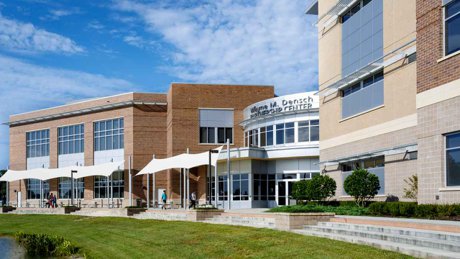
Seminole State College of Florida is a public state college in Seminole County, founded in 1965 and part of the Florida College System. It serves more than 20,000 students across four campuses: Sanford/Lake Mary (main), the Lee Campus at Oviedo, Altamonte Springs, and a Center for Economic Development in Heathrow. The main Sanford/Lake Mary campus sits about 15 miles north of downtown Orlando. In-state tuition and fees run roughly $3,100 per year, among the lowest in Central Florida. Through DirectConnect to UCF, eligible graduates are guaranteed admission to the University of Central Florida.

When most people picture "going to college in Orlando," they think of UCF and its 70,000-strong student body out east. Fair enough. But a lot of families relocating to Central Florida don't realize the north metro has its own higher-education workhorse — and for a huge number of local students, it's the smarter first move.

Meet Seminole State College of Florida — a four-campus state college that's been quietly turning out nurses, engineers, business owners, and UCF transfers since 1965. There's no football stadium. But if you've got a college-bound teenager, you're an adult looking to reskill, or you just want the lay of the land before buying a house in Sanford or Lake Mary, this one belongs on your radar.

What Exactly Is Seminole State College?

Seminole State is a public state college and a member of the Florida College System — the same network that includes Valencia College over in Orange County. That means it does two big things at once: it offers affordable two-year associate degrees that transfer cleanly to four-year universities, and it grants its own four-year bachelor's degrees in select high-demand fields.

By the numbers, it's no small operation. The college serves more than 20,000 students across nearly 200 programs — 11 bachelor's degrees, two-year A.A. and A.S. degrees, and career certificates spanning nursing, construction trades, IT, and more. It's accredited by SACSCOC (the regional accreditor that matters for transfer credits) and was a 2025 Top Ten finalist for the Aspen Prize, the national benchmark for community college excellence.

A Quick History: From Junior College to State College

Here's a bit of local trivia. Seminole State opened in 1965 as Seminole Junior College, with the Sanford/Lake Mary campus welcoming students in 1966 on 200 acres of rolling countryside. It was a classic junior college, then a community college, before being renamed Seminole State College of Florida in 2009 as it began granting bachelor's degrees.

That evolution mirrors the region itself. As Seminole County grew from citrus groves into prime suburbia, the college expanded right alongside it — adding Oviedo in 2001, the Heathrow center in 2007, and Altamonte Springs in 2008.

The Four Campuses (and Where They Sit)

One of Seminole State's biggest practical advantages is that it meets students where they live. The four locations are spread across the county so most residents have a campus within a 15-minute drive:

  • Sanford/Lake Mary (Main Campus) — The flagship, about 15 miles north of downtown Orlando off Interstate 4, home to most programs and campus life. It straddles the line between Sanford and Lake Mary.
  • Lee Campus at Oviedo — Just three miles north of UCF, a natural launchpad for a transfer. Convenient for families in Oviedo.
  • Altamonte Springs Campus — The newest of the bunch, serving the southwest corner of the county and the I-4 corridor near Altamonte Springs.
  • Center for Economic Development at Heathrow — A workforce-and-business site near Heathrow, geared toward corporate training and continuing education.

The DirectConnect to UCF Pipeline (Why It Matters for Your Wallet)

Here's where it gets interesting — and where the real value lives. Through the DirectConnect to UCF program, any student who earns an associate degree at Seminole State is guaranteed admission to the University of Central Florida. Finish the degree, and you're in.

The math is hard to argue with. A student can knock out the first two years at Seminole State for a fraction of university prices, then transfer to UCF (or, for online learners, UF Online) to finish the degree. For a family staring down the cost of a bachelor's, that "2+2" path can save tens of thousands of dollars while landing the exact same diploma.

What This Means for Your Wallet

Let's talk real numbers, because this is the part that moves the needle. In-state tuition and fees at Seminole State run roughly $3,100 per year for full-time Florida residents — about $104 per credit hour. Better still, those rates have held steady for several years, which is almost unheard of in higher ed.

For perspective, that's a sliver of what a private or even state university charges. Pair it with Florida's no-state-income-tax reality (more in our honest cost of living in Orlando guide), and the case for starting here is strong.

So Who Should Actually Care About This?

Let's be real — not every household is shopping for a college. But more of you should have this on the radar than you'd think:

  • Families with high schoolersSeminole County teens can take dual-enrollment courses here for free, banking college credits before they graduate. Our Seminole County Public Schools guide shows how the feeder schools line up.
  • Adult learners and career changers — Evening, weekend, and online classes make reskilling realistic without quitting your day job.
  • Transfer-minded students — The UCF pipeline above is the headliner.
  • Relocating households — A strong, affordable college nearby is a real quality-of-life and resale factor for the north metro.

The Honest Pros and Cons

We don't do rose-colored glasses around here, so here's the straight talk.

The Pros:

  • Exceptionally low tuition — among the cheapest paths to a degree in Central Florida
  • Guaranteed UCF transfer through DirectConnect
  • Four campuses, so a short commute for most county residents
  • Bachelor's degrees offered directly, not just two-year programs
  • Flexible scheduling for working adults

The Cons:

  • It's largely a commuter college — don't expect a traditional dorm-and-tailgate campus experience
  • Student life is lighter than at a big university (though clubs, athletics, and events do exist)
  • For families in West Orange — think Dr. Phillips or Windermere — the campuses are a 40-plus-minute haul, and Valencia College is the closer in-county option

Getting There: Commuting to Campus

Geography is Seminole State's friend. The Sanford/Lake Mary campus sits right off Interstate 4, and the Oviedo campus is easily reached via the 417 Expressway. Even better for car-light students: SunRail's commuter line runs straight through the county with stations in Sanford, Lake Mary, Longwood, and Altamonte Springs.

If you're weighing a move up this way, our SunRail guide breaks down the train option, while nearby Orlando Sanford International Airport and Downtown Sanford round out the appeal of living in this part of the metro.

What the Neighbors Know

Ask longtime Seminole County families and you'll hear the same thing: Seminole State is the area's best-kept open secret. It's where the smart-money college plan starts — two affordable years close to home, a guaranteed handoff to UCF, and a degree that costs a fraction of the alternative.

It won't give you Saturday-afternoon stadium roars or a sprawling dorm scene. But if your priorities are value, flexibility, and a real path forward without the crushing debt, few options in Central Florida compete. For families settling into the north metro, having this resource minutes away is a genuine perk worth factoring into where you buy. 🎓

For current programs, admissions steps, and campus details, visit the official Seminole State College of Florida website, or learn more about the DirectConnect to UCF transfer pathway.


Thinking about a move to the north metro near Seminole State? Explore homes in Lake Mary, Sanford, and Oviedo, or browse the full Seminole County market. Have questions about the right neighborhood for your family? Contact us for personalized Central Florida relocation advice!
Dec. 28, 2025

Full Sail University Winter Park: Orlando's Creative Powerhouse | Florida Living

Full Sail University: Orlando's Entertainment Media School

No dorms, accelerated degrees, and a 200-acre campus in Winter Park — here's what Central Florida residents and renters should actually know

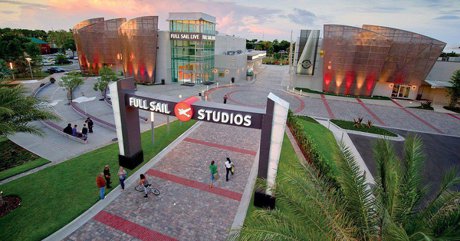
Full Sail University in Winter Park Florida

Full Sail University is a private, for-profit university located at 3300 University Boulevard in Winter Park, FL, about 9 miles northeast of downtown Orlando. Founded as a recording workshop in Dayton, Ohio in 1979, it relocated to Florida in 1980 and to its current Winter Park campus in 1989, gaining university status in 2008. Full Sail enrolls more than 20,000 students across campus and online programs in film, game design, music production, animation, and related fields, with undergraduate tuition and fees of roughly $26,906 for 2024-2025. It is nationally accredited by ACCSC (not regionally accredited) and has no traditional dorms, so students rent off-campus apartments throughout the Winter Park and Orlando area.

If you've ever sat through the credits of a video game, a blockbuster film, or a chart-topping album, there's a decent chance someone in that scroll learned their craft a few miles northeast of downtown Orlando. That's Full Sail University — the entertainment-media school in Winter Park that quietly turned Central Florida into a feeder for the film, game, and music industries.

Most people relocating here know about UCF and the theme parks, but Full Sail flies under the radar until a kid announces they want to design games for a living. Whether you're a parent weighing schools, a future student, or an investor eyeing rental demand, it's worth knowing what Full Sail is, what it costs, and how it shapes the neighborhoods around it.

What Exactly Is Full Sail University?

Full Sail is a private, for-profit university focused entirely on entertainment, media, arts, and emerging technology. We're talking film and television production, game design and development, music production, animation, sports media, digital marketing, and dozens of related programs — more than 35 degrees across associate, bachelor's, and master's levels, with online options too.

What makes it different from a traditional school is the format. Full Sail runs an accelerated, year-round monthly course system instead of the usual two-semester calendar. A bachelor's degree typically takes around 20 to 29 months rather than four years. The campus spans more than 200 acres and is loaded with industry-standard gear: recording studios, soundstages, motion-capture labs, and the Sports Lab Powered by ESPN. It's a commuter campus built to feel like a working studio, not a leafy quad.

From an Ohio Recording Workshop to a Winter Park Campus

Fun fact for trivia night: Full Sail didn't start in Florida at all. It was founded in 1979 in Dayton, Ohio, as the Full Sail Recording Workshop, training audio engineers. The school moved to Florida in 1980, added film and video production, and landed at its current Winter Park location in 1989.

For years it operated under names like Full Sail Real World Education before earning university status from the State of Florida in 2008. From a single recording program, it grew into one of the country's best-known entertainment-media schools and a genuine piece of Orlando's creative-economy story.

Why Full Sail Matters If You're Moving to the Orlando Area

You might not plan to attend, so why care? Because Full Sail is a real economic engine for northeast Orange County. It employs faculty and staff, draws students from across the country, and feeds talent into Central Florida's growing film, gaming, and simulation sectors. That steady inflow of students and creative professionals shapes the local housing market directly — which brings us to the part that matters most for your move.

The Housing Angle: No Dorms, So Where Do Students Live?

Here's the detail that surprises every incoming family: Full Sail has no traditional dorms. None. Instead, the university's Housing Resources department maintains relationships with more than 40 student-friendly apartment communities and keeps a downloadable housing guide and roommate-matching resources.

In practice, that means thousands of students renting across Winter Park, Baldwin Park, Goldenrod, the UCF corridor, and parts of Downtown Orlando. Listing sites peg average rents near campus around $1,600 a month, a bit below the national average. For real estate investors, that's a reliable, year-round rental demand driver that doesn't depend on the tourist season.

One development worth watching: in 2024, Full Sail submitted plans to Orange County for its first-ever on-campus student housing — potentially up to 636 units just north of the main campus. That's a proposal, not a finished building, so don't count on it yet.

Let's Be Real: The Cost and Accreditation Caveats

We're a real estate company, not an admissions office, so here's the honest version. Full Sail can be a strong fit for a specific kind of student — hands-on, career-focused, already certain they want to work in media or games. But there are real trade-offs worth understanding first.

First, cost. Published undergraduate tuition and fees ran about $26,906 for 2024-2025. The accelerated calendar gets you out faster, but it also compresses a lot of tuition into a short window, and the federal graduation rate sits around 44%. Many students rely on loans, so it pays to compare the all-in cost against the outcome you're expecting.

Second, accreditation. Full Sail is accredited by the Accrediting Commission of Career Schools and Colleges (ACCSC), a national accreditor — not a regional one like the kind most public and nonprofit universities carry. The practical catch: Full Sail credits don't always transfer cleanly to traditional colleges. If there's any chance a student might transfer later, confirm the policy in writing first.

For families weighing options, it's worth comparing Full Sail to nearby traditional schools like University of Central Florida, Rollins College in Winter Park, and Valencia College. And since tuition is only part of the picture, our guide to the honest cost of living in Orlando is a useful companion read.

Getting There and Getting Around

Full Sail sits at 3300 University Boulevard in Winter Park, between Forsyth Road and South Semoran Boulevard. The location is convenient:

  • Downtown Orlando — about 9 miles, roughly 15-20 minutes
  • University of Central Florida — about 6 miles east
  • Orlando International Airport (MCO) — about 18-20 miles, 25-30 minutes
  • Winter Park's Park Avenue — about 10 minutes

Drivers lean on Highway 436 (Semoran Boulevard) and the SR 417 Eastern Beltway to move around the metro, and SunRail has a station in nearby downtown Winter Park for car-light commuters. For the bigger picture on where everything sits, our geography of Orlando guide breaks it down.

Full Sail at a Glance: Pros and Cons

The Pros:

  • Deep industry focus with real studios, labs, and pro-grade equipment
  • Strong alumni network across film, games, and music
  • Convenient northeast Orlando location near jobs, dining, and major roads
  • Steady rental demand that benefits nearby property owners

The Cons:

  • For-profit tuition (~$26,906/year undergrad) adds up fast
  • National (ACCSC) accreditation means credits may not transfer to traditional schools
  • A federal graduation rate around 44%
  • No traditional dorms — you're responsible for finding off-campus housing
  • Best suited to students already committed to a media or tech career path

What the Neighbors Know

Full Sail University is one of those Central Florida institutions that shapes the area more than its low profile suggests. It's a legitimate, specialized, career-focused school with serious industry chops — and it's also a for-profit with a price tag and accreditation quirks that deserve a clear-eyed look before enrolling.

From a neighborhood standpoint, the takeaway is simple: thousands of students need places to live every month of the year, and that keeps the rental market around Winter Park and northeast Orlando humming. Whether you're house-hunting for a future game designer or sizing up an investment property, Full Sail is part of the local equation. 🎬

For current programs, tuition details, campus tours, and the housing guide, visit the official Full Sail University website. You can also verify accreditation through the Accrediting Commission of Career Schools and Colleges and check graduation and cost data on the U.S. Department of Education's College Scorecard.


Thinking about a move to the Winter Park or northeast Orlando area — or wondering where student-rental demand makes sense for an investment? Explore our Winter Park schools and education guide and Orlando neighborhoods guide, or contact us for personalized relocation and investment advice!

Dec. 28, 2025

Stetson University Guide: DeLand's Historic College Gem | Orlando Living<

Why this historic liberal arts college matters to Central Florida residents (even if you're not going back to school)

Stetson University in Deland

When people think about colleges in Central Florida, UCF usually steals the spotlight. But about 30 minutes north of Orlando, tucked away in the charming town of DeLand, sits a school that's been educating students since 1883 – making it Florida's oldest private university. Meet Stetson University, a hidden gem that combines Southern charm, academic excellence, and a campus so beautiful it feels like stepping into a postcard.

Whether you're considering moving to Central Florida, have kids approaching college age, or just appreciate knowing about the cultural and educational institutions that make the region special, Stetson is worth understanding. Plus, DeLand itself is one of those delightful small Florida towns that deserves more attention – and Stetson is a big part of what makes it great.

A Little History (Because It's Actually Interesting)

Here's something cool: Stetson University is older than the State of Florida itself as a major tourist destination. Founded in 1883 as DeLand Academy by Henry DeLand (yes, the town's namesake), it was renamed John B. Stetson University in 1889 after the famous hat manufacturer who became a major benefactor. You know those classic cowboy hats? Yep, that Stetson.

The university started as a small school with just a handful of students and has grown into a comprehensive institution with about 4,000 students across multiple campuses. But unlike many universities that exploded in size, Stetson has maintained its intimate, liberal arts college feel – which is a big part of its charm.

What makes this history particularly fascinating is that Stetson was the first private university in Florida. That means it predates the University of Florida, Florida State, and all the other big state schools. For a state often seen as "new" and development-focused, having this kind of educational heritage right in Central Florida is pretty special.

What Makes Stetson Special?

The Campus Is Seriously Gorgeous

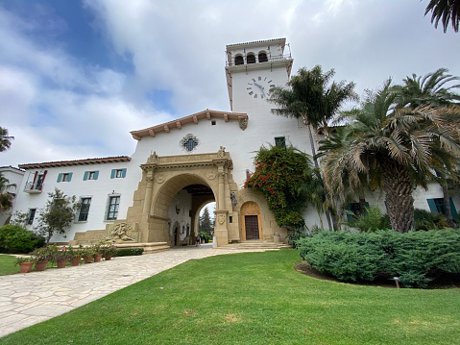
Let's be honest – not all Florida colleges are winning beauty contests. But Stetson's DeLand campus? It's stunning. We're talking about Spanish mission-style architecture, massive oak trees dripping with Spanish moss, brick pathways, and buildings that look like they belong in a movie about academia. Elizabeth Hall, the university's signature building with its distinctive tower, has become an iconic symbol not just for Stetson but for DeLand itself.

If you're into architecture or just appreciate a beautiful setting, taking a walk through Stetson's campus (which is open to the public) is genuinely enjoyable. It's especially magical in the early evening when the light filters through those oak trees. Many DeLand residents will tell you they use the campus for walks and runs – it's that nice.

Small Class Sizes, Big Opportunities

With a student-to-faculty ratio of about 13:1, Stetson offers something you won't get at the mega-universities: actual personal attention from professors. We're not talking about classes in auditoriums with hundreds of students where the professor doesn't know your name. At Stetson, you're more likely to have seminars around a table with a dozen other students and a professor who knows not just your name but your academic interests and career goals.

For families considering private education options for their children, Stetson represents the continuation of that personalized approach at the university level. It's a different educational philosophy than the large state school experience (nothing wrong with either, just different).

The Law School Reputation

Here's something many people don't know: Stetson's College of Law, located on a separate campus in Gulfport (near St. Petersburg), is nationally recognized as one of the top trial advocacy programs in the country. If you're in Central Florida's legal community, you definitely know about Stetson Law. The university's law school consistently ranks in the top tier nationally, giving Stetson name recognition that extends far beyond Florida.

Music and Arts Programs

Stetson has a surprisingly strong reputation for its music program. The School of Music offers everything from classical performance to music education, and the university regularly hosts concerts and performances that are open to the public. If you're into the arts and culture scene in Central Florida, Stetson contributes significantly to the region's cultural offerings.

What Does This Mean for Central Florida Residents?

If You Have College-Bound Kids

Stetson offers a legitimate alternative to the large state universities or expensive out-of-state private schools. For families living in Central Florida, having a quality private university this close is a real asset. Your kids could get a personalized liberal arts education while still being close enough to come home for Sunday dinner (or bring their laundry, let's be real).

The university offers solid financial aid packages and merit scholarships, which can make the private school price tag more manageable. It's worth exploring if your student is looking for a more intimate college experience but wants to stay in the region. Compare this with other local options like Rollins College in Winter Park or the larger programs at UCF to find the best fit.

If You're Considering DeLand

The presence of Stetson significantly impacts DeLand's character. College towns have a certain vibe – there are coffee shops with students studying, cultural events, lectures open to the public, and generally a more intellectually engaged atmosphere. DeLand isn't just a college town (it has its own distinct identity), but Stetson definitely contributes to making it one of the more interesting small cities in the region.

If you're house hunting in the Orlando metro area and DeLand is on your radar, the university is part of the package deal. Some people specifically seek out college town living for the amenities and atmosphere it provides, even if they're not affiliated with the school.

Community Resources and Events

Stetson regularly hosts events that are open to the public: guest speakers, concerts, theater productions, art exhibitions, and sporting events. The university's presence means DeLand has access to cultural and educational resources that towns of similar size often lack. It's one of those things that contributes to quality of life in subtle but meaningful ways.

Visiting Stetson: Practical Tips

If you're curious about Stetson and want to check it out yourself, here's what you should know:

Campus Tours: Stetson offers regular campus tours for prospective students, but honestly, the campus is also just nice to walk around as a visitor. The grounds are open to the public, and people in DeLand regularly walk through campus.

Parking: There's metered parking around the perimeter of campus and in designated visitor lots. During the academic year, finding parking can be a bit challenging during peak times, but it's manageable.

Best Time to Visit: The campus is beautiful year-round, but if you want to see it when it's most alive, visit during the fall or spring semester on a weekday. You'll get the full college atmosphere. If you prefer it quieter, summer or weekends work well for just appreciating the architecture and grounds.

Combine It with Exploring DeLand: Make a day of it! DeLand's historic downtown is just a few blocks from campus and features great restaurants, antique shops, and that classic small-town Florida charm. The combination of Stetson's campus and downtown DeLand makes for a genuinely pleasant afternoon.

The DeLand Connection

You can't really separate Stetson from DeLand – they've been intertwined for nearly 140 years. The university is one of the city's largest employers and is central to its identity. When people describe DeLand to others, "college town" is usually part of the description within the first few sentences.

This symbiotic relationship means that both the university and the town benefit from each other. Students have access to a charming downtown with local businesses that cater to them, while the town gets the economic and cultural benefits of hosting a respected university. It's one of those win-win situations that makes both places better.

How Stetson Fits Into the Central Florida Higher Education Landscape

Central Florida has a surprisingly diverse higher education ecosystem. You've got the massive public universities like UCF, the specialized schools like Full Sail University, community colleges like Valencia College, and small private institutions like Stetson and Rollins College.

Each serves a different purpose and appeals to different students. Stetson occupies that sweet spot of being small enough for personalized attention but established enough to have strong programs and resources. For families considering the region, having this variety of educational options is actually a significant advantage. Check out our Orlando Schools Guide for more information about the entire educational landscape in the area.

The Bottom Line

Stetson University might not have the name recognition of Florida's big state schools, but it's been quietly providing quality education in Central Florida for longer than any of them. Its beautiful campus, strong academic programs, and integral role in DeLand's community make it an institution worth knowing about – whether you're considering it for education, appreciating it as a cultural resource, or just enjoying its lovely campus.

For Central Florida residents, Stetson represents an often-overlooked asset in the region. It's a reminder that beyond the theme parks and new development, there's real history, culture, and educational excellence in this part of Florida. Next time you're driving through DeLand, consider stopping by. Walk through that gorgeous campus, grab coffee at a student hangout downtown, and appreciate one of Central Florida's genuine treasures.

After all, how often do you get to stroll through Florida's oldest private university? It's a nice change of pace from the theme park crowds, and it might just become one of your favorite spots in the region. 🎓


For more information about programs, admissions, and upcoming events, visit the official Stetson University website.


Exploring Central Florida and considering a move to the area? Check out our Moving to Orlando Complete Guide or Contact Us for personalized relocation advice and information about neighborhoods throughout the region!

Dec. 28, 2025

Rollins College Winter Park: Florida's Historic Liberal Arts Gem

Rollins College: Central Florida's Oldest College

Florida's first college sits on a lake in Winter Park, minutes from downtown Orlando — and it's worth knowing whether or not you're shopping for a school.

Rollins College in Winter Park Florida

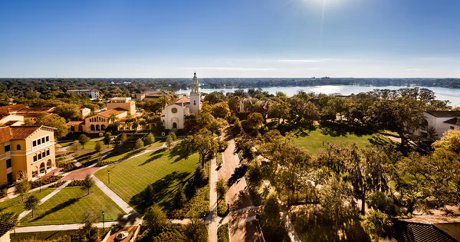
Rollins College is a private liberal arts college founded in 1885 in Winter Park, FL, making it the oldest college in Florida. Its 80-acre campus sits on Lake Virginia, approximately 6 miles north of downtown Orlando, and enrolls about 3,200 students. U.S. News & World Report ranked Rollins the No. 1 private regional university in the South (No. 2 overall) for 2026. Undergraduate tuition for 2025-26 is $62,950, total cost of attendance exceeds $80,000, and 94 percent of students receive financial aid. Its most famous alumnus is Fred Rogers — Mister Rogers — Class of 1951.

When people picture "college in Orlando," they usually picture UCF — one of the largest universities in the country, with 65,000-plus students and a football stadium to match. Fair enough. But Central Florida's oldest college is the polar opposite: a tiny, postcard-pretty liberal arts school on a lake that predates UCF by nearly a century.

Meet Rollins College, founded in 1885 in Winter Park. Before you scroll past, stick with us — whether you've got a college-bound kid, you love a beautiful place to wander on a Sunday, or you just want to understand the neighborhoods that ring this corner of metro Orlando, Rollins is one of those institutions that shapes the area around it.

What Exactly Is Rollins College?

Rollins is a private, four-year liberal arts college — small and selective, the kind of place where professors know your name and classes run on discussion rather than 300-seat lecture halls. The student-faculty ratio is 12 to 1, and total enrollment hovers around 3,200, including roughly 2,600 undergraduates.

The campus itself is the headline. Spread across 80 acres on the shore of Lake Virginia, it's all Spanish-Mediterranean architecture, palm-lined walkways, and red-tile roofs — Rollins is regularly called one of the most beautiful campuses in America. It earns national recognition academically, too: U.S. News & World Report ranked it the No. 1 private regional university in the South — and No. 2 overall in that category — for 2026, a top-two finish it has notched for more than 25 years running.

A Quick History: Florida's First College

Here's a fun fact for trivia night: Rollins opened its doors in 1885, which makes it the oldest recognized college in the entire state of Florida. It was founded by New England Congregationalists who'd come south, and it was named for Alonzo Rollins, a Chicago businessman whose donation helped get it off the ground.

To put that in perspective, Rollins predates every Orlando theme park by decades. The college and the town of Winter Park essentially grew up together — it's hard to picture one without the other, and that century-plus of shared history is a big part of what gives this pocket of Central Florida its character.

Why Should Orlando Residents Care?

If You're Relocating with College-Age Kids

This is the obvious one. If you're moving to Central Florida with a high-schooler, Rollins lets them attend a nationally ranked school while staying close to home. The catch? It isn't cheap. Undergraduate tuition for 2025-26 runs $62,950, and once you add housing and meals, the all-in cost tops $80,000 a year.

Before you slam the laptop shut, know that about 94 percent of Rollins students receive financial aid, and the college hands out more than $100 million annually — so the sticker price and the price most families actually pay are two very different numbers. For graduate students, the Crummer Graduate School of Business is home to Florida's top-ranked MBA program. If you want the wider lay of the land, our guides to University of Central Florida, Valencia College, and Full Sail University are worth a look.

If You Love Arts, Culture, and Beautiful Spaces

You don't have to be a student to enjoy Rollins. The campus hosts the historic Annie Russell Theatre and the stunning Knowles Memorial Chapel, and every spring it puts on the Bach Festival, one of the country's longest-running classical music festivals. The Rollins Museum of Art (formerly the Cornell Fine Arts Museum) holds one of Florida's most significant collections, with free admission.

And then there's the Mister Rogers connection. Fred Rogers — yes, that Mister Rogers — graduated from Rollins in 1951, and a bronze statue of him now sits between the chapel and the theater. A nice reminder that "won't you be my neighbor?" has Central Florida roots.

The Park Avenue Connection

Here's where it gets interesting for anyone who loves a good walkable district. Rollins anchors the southern end of Park Avenue, Winter Park's famous brick-paved main street of boutiques, sidewalk cafés, and live oaks. Park your car once and you can stroll from campus straight into the shops and restaurants — it's one of the most pleasant afternoons in the Orlando area, no admission ticket required.

That tight relationship between college and town is a big reason Winter Park feels the way it does: cultured, leafy, and a little old-money compared to the newer master-planned communities elsewhere in the metro. To dig deeper, browse our Winter Park character guide and our roundup of Winter Park & Park Avenue restaurants.

Visiting Rollins: What to Know

The college is located at 1000 Holt Avenue, Winter Park, FL 32789, on the northeast side of metro Orlando. Drive times from a few familiar spots:

  • Downtown Orlando — about 6 miles, 12-15 minutes
  • Orlando International Airport (MCO) — about 20-25 minutes
  • Maitland and Baldwin Park — 5-10 minutes
  • The Disney-area / West Orange communities — 30-40 minutes (it's across the metro, not next door)

The grounds are open for visitors to walk, and free public events happen year-round. To do it right, the college owns the boutique Alfond Inn at Rollins, an art-filled hotel a couple blocks away whose profits fund student scholarships — a hotel stay where the room rate doubles as a good deed.

The Honest Take: Pros and Cons

No place is perfect, so here's the straight story rather than a brochure.

The Pros:

  • One of the most beautiful and nationally respected small colleges in the South
  • Small classes, strong mentorship, and a top-ranked MBA through Crummer
  • Generous financial aid that lowers the real cost for most families
  • Walkable to Park Avenue, with free arts, museums, and concerts open to the public
  • Minutes from downtown Orlando and Winter Park's best neighborhoods

The Cons:

  • A high sticker price — the all-in cost tops $80,000 before aid
  • Small and intimate by design; if you want big-time Division I sports and a sprawling campus, this isn't it (Rollins competes in NCAA Division II as the Tars)
  • It's on the northeast side of the metro — great if you're drawn to Winter Park, but a real drive from the Disney-side and West Orange communities
  • Winter Park real estate runs at a premium, so living within walking distance comes at a cost

What the Neighbors Know

Rollins College might not be the school that comes to mind when you think of Orlando, but it's a quiet powerhouse — Florida's oldest college, a perennially top-ranked liberal arts gem, and the cultural heartbeat of one of Central Florida's most beloved towns. Whether your kid ends up studying there, you stroll the campus on a Saturday, or you simply appreciate having a 140-year-old lakeside college tucked into the metro, it's worth knowing about.

And here's the bigger point for anyone weighing a move to Central Florida: this region is more than theme parks. We've got world-class arts, a serious higher-education scene, and historic neighborhoods with genuine character. Rollins is a perfect example of Orlando punching above its weight. 🎓

For current event schedules, admissions details, and campus information, visit the official Rollins College website, or learn more about the surrounding community at the City of Winter Park.


Thinking about putting down roots near Winter Park or anywhere else in Central Florida? Explore Winter Park homes for sale, check out our Winter Park character guide, or contact us for personalized relocation advice — we love helping people find their corner of Orlando!

Dec. 28, 2025

Valencia College: Your Gateway to a UCF Degree (For Half the Price) | Orlando Education Guide

Why smart students are starting their bachelor's degree journey at Orlando's award-winning community college

Valencia College in Orlando

Let's talk about the worst-kept secret in Central Florida higher education: you don't need to spend $50,000+ on the first two years of a bachelor's degree. Thousands of Orlando students are discovering that starting at Valencia College and transferring to the University of Central Florida is not only a money-saving hack—it's actually a smarter path that comes with guaranteed admission and smaller class sizes.

Whether you're a high school senior planning your college journey, a parent trying to figure out how to afford college without taking out massive loans, or someone relocating to Orlando and scoping out educational opportunities, Valencia College deserves a closer look. This isn't your typical "settling for community college" story—Valencia has been recognized as one of the best community colleges in the nation and offers some pretty impressive perks that even four-year universities can't match.

So let's dive into what makes Valencia College special, how the famous DirectConnect to UCF program works, and why starting here might be the best educational (and financial) decision you make.

The Valencia Story: From Portable Buildings to National Recognition

Valencia College has come a long way since it opened in 1968 as Valencia Junior College in temporary portable buildings on West Oak Ridge Road in Orlando. Back then, Central Florida was still finding its identity—this was before Disney World, before the massive population boom, and way before UCF became the enrollment giant it is today.

In 1971, the college moved to its permanent West Campus on South Kirkman Road and never looked back. As Orlando grew, Valencia grew with it, adding campuses to serve the expanding metro area: East Campus in 1975, Osceola Campus in Kissimmee in 1997, and Winter Park Campus in 1998. More recently, the college added its Lake Nona campus in 2012 (perfectly positioned near Medical City), a Downtown Campus in partnership with UCF, and a Poinciana Campus in 2017.

But the real game-changer came in 2006 with the launch of the DirectConnect to UCF program, which we'll get to in a minute (because it's seriously that important). In 2011, Valencia was renamed "Valencia College" (dropping the "Community" part) and began offering bachelor's degrees in select programs. That same year, it won the prestigious Aspen Prize for Community College Excellence, recognized for its exceptional graduation rates, job placement, and innovative programs.

Today, Valencia serves nearly 70,000 students annually across its multiple campuses, making it one of the largest colleges in the Florida College System. Not bad for a school that started in portable buildings!

DirectConnect to UCF: The Golden Ticket You Need to Know About

Here's where Valencia really shines, and why so many smart students are choosing to start here instead of going directly to a four-year university. The DirectConnect to UCF program guarantees Valencia graduates admission to UCF. Not "maybe" admission. Not "we'll see how competitive the applicant pool is." Actual guaranteed admission (consistent with university policy) if you earn your Associate in Arts (A.A.) or articulated Associate in Science (A.S.) degree.

Think about that for a second. You can avoid the stress and uncertainty of university admissions, save a ton of money on your first two years, and still end up with a bachelor's degree from UCF—one of the largest and most respected universities in the country. Oh, and about 25% of UCF's upper division students come from Valencia, so you'll be in good company.

The program has helped more than 42,000 students earn UCF bachelor's degrees since it launched in 2006. It was even recognized by Excelencia in Education as America's top program for increasing academic opportunities and success for Latino students at the associate level.

How DirectConnect Actually Works

It's surprisingly simple. When you apply to Valencia, you just check the DirectConnect to UCF box on your admissions application. That's literally it. You're signed up. As you work toward your associate degree at Valencia, you'll have access to joint advising from both Valencia and UCF advisers who help ensure your courses will transfer smoothly and align with your intended bachelor's degree program.

Once you've earned 45 college credits (and completed your English and math requirements with a C or better), you apply to UCF. When you graduate with your associate degree from Valencia, you're guaranteed admission. You can even take many of your UCF courses at Valencia's West or Osceola campuses if you prefer, with UCF staff available on-site to help with everything from advising to financial aid.

The result? A smooth transition to UCF without losing credits, without fighting for admission, and without the financial stress of four years of university tuition.

Why Valencia Makes Financial Sense

Let's talk money, because this is where Valencia really wins. The college offers the same quality education as a state university for about half the cost. Same general education requirements, same transferable credits, but you're paying community college tuition rates instead of university prices.

For many families relocating to Orlando, this is a crucial consideration. College is expensive enough as it is—why pay more than you have to for those first two years of general education courses? By starting at Valencia and transferring to UCF, students can save thousands of dollars while still earning that UCF bachelor's degree.

Plus, Valencia offers extensive financial aid options, scholarships, and even has special programs like the Osceola Prosper initiative that provides free college for recent high school graduates in Osceola County. There's also the Johnson Scholarship Foundation Scholarship specifically for DirectConnect students, providing additional financial support for those transferring to UCF.

Multiple Campuses = Maximum Convenience

One of Valencia's biggest advantages is that you're never far from a campus. With locations spread across Orange and Osceola counties, you can attend close to home no matter where you live in the metro area. Here's what each campus brings to the table:

West Campus is the original permanent campus on a 180-acre site in western Orange County adjacent to MetroWest, known for its high-tech programs in engineering, architecture, mathematics, and health sciences. It's housed in some seriously impressive LEED-certified green buildings with mind-blowing technology.

East Campus is home to the School of Arts and Entertainment and sits on the banks of the Little Econlockhatchee River. It's close to UCF, making it convenient for students who plan to transfer.

Lake Nona Campus focuses on medical and biotechnology careers, with close ties to Medical City. Through partnerships with Lake Nona High, high school students can even earn a Valencia degree while simultaneously getting their high school diploma.

Osceola Campus in Kissimmee features the latest training technologies, extensive science labs, and the largest library of all the campuses. UCF bachelor's programs are offered on-site, so you might be able to complete your entire educational journey here.

Winter Park Campus is tucked into one of Central Florida's most picturesque cities and houses the prestigious Jeffersonian Honors Program, which focuses on producing active global citizens.

Downtown Campus is Valencia's only campus with on-campus housing, perfect for students who want to experience urban living in the heart of Orlando with easy access to downtown activities and events.

Poinciana Campus serves the growing Osceola County community with modern classrooms, labs, and a state-of-the-art culinary kitchen.

What Can You Study at Valencia?

Valencia offers more than 120 associate degree programs covering just about every field you can imagine. From traditional liberal arts tracks that prepare you for university transfer, to technical and vocational programs that get you job-ready fast, there's something for everyone.

Some highlights include the Fire Science Technology program with its own Fire Rescue Training Facility partnering with local fire agencies, the Walt Disney World Center for Hospitality and Culinary Arts (opened in 2002), and specialized programs in radiologic sciences, electrical and computer engineering technology, nursing, and business—fields where Valencia even offers bachelor's degrees now.

The college also offers Flex Start classes designed to accommodate working students, extensive online course options (though note the California residency restriction for online courses), and dual enrollment programs that let high school students get a head start on college credits.

Beyond the Classroom: Campus Life at Valencia

While Valencia doesn't have a traditional college athletics program with competitive sports teams, it does offer intramural sports for students who want to stay active and build community. Campus life focuses more on academics, clubs, leadership opportunities, and community involvement rather than the typical rah-rah college sports experience.

For international students, there's dedicated support through the International Student Services office, which helps with cultural adaptation, visa issues, and social activities. The college prioritizes campus safety with established protocols and emergency services, and offers various transportation options including public transit access and parking facilities.

Valencia also has a thriving theater program that stages several productions each year, opportunities for student government and leadership roles, and regular transfer events where universities from around the country come to recruit Valencia students. The annual College Night event brings together representatives from more than 120 colleges and universities for students exploring their transfer options.

The Bottom Line: Is Valencia Right for You?

Here's our take: if you're planning to earn a bachelor's degree and you live in Central Florida, starting at Valencia College is one of the smartest moves you can make. The DirectConnect to UCF guarantee removes admission uncertainty, the cost savings are substantial, and the smaller class sizes mean you actually get to know your professors instead of sitting in lecture halls with 300 other students.

This path makes sense for traditional students straight out of high school, working adults looking to change careers or advance in their current field, and families who want to keep college costs manageable. It's especially valuable for students who might be uncertain about their major—you can explore different subjects at Valencia while completing general education requirements without the financial pressure of university tuition.

The multiple campus locations mean you can attend close to home, the flexible scheduling options accommodate work and family obligations, and the supportive environment helps students succeed. Valencia's graduation rates, transfer success, and job placement statistics speak for themselves—this isn't "settling" for community college; it's choosing a smarter path to the same destination.

For more information about programs, admissions, and the DirectConnect to UCF partnership, visit Valencia College or stop by any campus to speak with an admissions advisor.


Exploring educational options in Orlando? Check out our comprehensive Orlando Schools Guide to learn about public schools, private schools, and higher education throughout Central Florida. Or if you're relocating to the area, our Moving to Orlando Complete Guide covers everything you need to know!

Dec. 28, 2025

Private Schools in Orlando: Your Complete Guide to Independent Education in Central Florida | Orlando Living Guide

Discover the diverse world of private education options that make Orlando a top choice for families seeking alternatives to public schools

Private Schools in Orlando

When you're considering moving to Orlando, one of the biggest decisions revolves around education. While Central Florida boasts some excellent public school districts, many families exploring the area are surprised to discover just how robust the private school scene is here.

From prestigious college-preparatory academies to faith-based institutions with deep community roots, Orlando's private schools offer educational diversity that rivals much larger cities. Whether you're seeking smaller class sizes, specific religious instruction, specialized learning approaches, or simply alternatives to the public system, the greater Orlando area has options that might just exceed your expectations.

A Rich History of Independent Education in Central Florida

Private education in Orlando dates back more than a century, with many of the area's most respected institutions founded in the early 1900s. These schools emerged to serve growing communities and often reflected the religious and cultural diversity of Central Florida's development.

The Catholic Diocese of Orlando, established in 1968, brought structure to Catholic education across the region, but Catholic schools in Orlando predate the diocese by decades. Similarly, Protestant denominations established schools alongside their churches as Orlando expanded from a small citrus town into a major metropolitan area.

What makes Orlando's private school landscape particularly interesting is how it has evolved alongside the city's explosive growth. As Orlando transformed into an international destination and economic hub, private schools expanded their offerings, attracted talented faculty from around the country, and developed programs that rival those found in traditional education centers like Boston or the DC area.

Types of Private Schools in Greater Orlando

Catholic Schools: Tradition Meets Modern Education

The Catholic school system remains the largest private school network in Central Florida, with schools located throughout Orange, Seminole, Lake, and Osceola counties. These institutions range from small parish elementary schools serving tight-knit communities to larger preparatory academies offering comprehensive programs through high school.

What many families appreciate about Catholic schools is the combination of academic rigor with values-based education and service learning. Most Catholic schools in Orlando welcome non-Catholic students, and many families choose them for the structured environment and strong sense of community rather than exclusively for religious instruction.

Christian and Faith-Based Academies

Orlando hosts numerous Christian schools representing various Protestant denominations and non-denominational traditions. These schools vary significantly in size, educational philosophy, and academic approach. Some emphasize classical Christian education, others follow more contemporary models, and many integrate faith perspectives throughout the curriculum rather than treating religion as a separate subject.

For families relocating from other parts of the country, it's worth noting that Florida's Christian school scene is particularly robust compared to some regions, giving families genuine choices within faith-based education.

Independent College-Preparatory Schools

Several prestigious independent schools in the Orlando area focus specifically on college preparation without religious affiliation. These institutions typically offer rigorous academics, extensive Advanced Placement or International Baccalaureate programs, and impressive college counseling services.

These schools often attract families prioritizing small class sizes, individualized attention, and schools with track records of placing students in competitive universities. They tend to have the highest tuition rates but also typically offer the most generous financial aid programs.

Montessori and Alternative Approach Schools

Orlando has embraced alternative educational philosophies, with numerous Montessori schools serving children from toddler age through middle school. These schools appeal to families seeking child-centered, hands-on learning environments that differ from traditional classroom structures.

Beyond Montessori, the area includes Waldorf-inspired programs, project-based learning schools, and other progressive educational models that cater to different learning styles and family philosophies.

Specialized Learning Schools

For families with children who have specific learning differences or who are gifted and need specialized programming, Orlando offers several excellent options. These schools provide small student-to-teacher ratios, individualized education plans, and faculty trained in various learning differences including dyslexia, ADHD, and autism spectrum disorders.

What Makes Orlando's Private Schools Special

Competitive Tuition Compared to Other Major Markets

Here's something that surprises many relocating families: private school tuition in Orlando tends to be more affordable than in comparable metropolitan areas. While top-tier college-prep schools still command premium prices, the overall cost of private education here is notably lower than in cities like New York, Boston, or Los Angeles.

This means families who might have been priced out of private education in other markets may find it surprisingly accessible in Central Florida. When combined with Florida's lack of state income tax, many families find their education dollars stretch further here.

Strong Athletic and Arts Programs

Thanks to Florida's year-round outdoor weather and Orlando's vibrant arts scene, many private schools offer exceptional athletics and performing arts programs. Schools frequently have competitive sports teams, and the mild climate allows for extended practice seasons and facility use throughout the year.

The influence of nearby theme parks and entertainment industry also means many private schools have developed impressive theater, music, and visual arts programs, sometimes attracting faculty with professional industry experience.

Diverse Student Bodies

Orlando's status as an international destination means private schools here serve remarkably diverse student populations. It's common to find classrooms where students represent dozens of countries and speak multiple languages at home. This global perspective enriches the educational experience and prepares students for an increasingly connected world.

Geographic Considerations: Where Are the Schools?

Private schools are distributed throughout the greater Orlando area, though certain neighborhoods have higher concentrations. Winter Park hosts several prestigious institutions and has long been considered an education-focused community. Lake Nona has seen private school development follow residential growth, while downtown Orlando and surrounding areas house many of the region's oldest and most established schools.

For families serious about private education, considering school locations when choosing a neighborhood can significantly impact daily logistics. Some schools offer bus transportation, but many do not, making proximity an important factor for families with multiple children or busy schedules.

The Admission Process: What to Expect

Most Orlando private schools follow similar application timelines, with admissions opening in the fall for the following school year. Competitive schools may require entrance exams, interviews, teacher recommendations, and transcripts. Some schools have rolling admissions, while others work with strict deadlines and notification dates.

A few insider tips: start the process early, as popular schools may have waiting lists. Schedule tours during the school day to get a genuine feel for the environment. Ask about financial aid early in the process, as many schools have limited aid budgets that are allocated on a first-come basis. And don't hesitate to ask current families about their experiences—Orlando's private school community is generally welcoming and helpful to prospective families.

Financial Considerations and Planning

While private school represents a significant investment, families should explore all available options before assuming it's out of reach. Many schools offer need-based financial aid, merit scholarships, sibling discounts, and payment plans. Florida also has tax credit scholarship programs that can help qualifying families afford private education.

Some families find that the cost of private school is offset by not needing to live in premium public school districts, where home prices may be significantly higher. It's worth running the numbers to see how private school tuition compares to the difference in housing costs between various Orlando neighborhoods.

Questions to Ask During Your School Search

When touring private schools, come prepared with questions that matter to your family. Ask about teacher retention rates, average class sizes, and what percentage of students receive financial aid. Inquire about the school's approach to technology, how they handle bullying, and what support services exist for struggling students. Find out about parent involvement expectations and how the school communicates with families.

Don't shy away from asking about college placement for high schools, or how elementary schools prepare students for the transition to middle school. The best schools will have clear, specific answers to these questions and appreciate that you're doing your due diligence.

The Bottom Line: Is Private School Right for Your Family?

Choosing private education is a deeply personal decision that depends on your family's values, financial situation, and educational priorities. Orlando's private school landscape offers something for nearly every family seeking alternatives to public education, from affordable faith-based options to elite college-preparatory institutions.

What makes Orlando particularly appealing for private school families is the combination of options, relatively affordable tuition compared to other major metros, and the high quality of education available. Whether you're drawn to religious instruction, small class sizes, specialized learning approaches, or simply want an alternative to the public system, you'll find the greater Orlando area has developed a mature, diverse private school ecosystem ready to serve your family's needs.

For families relocating to Central Florida with children, exploring the private school options should be part of your decision-making process. The investment in private education can shape not just your child's academic experience but your entire family's involvement in the Orlando community.


For comprehensive information about educational options in Central Florida, visit the Orlando Schools Guide.


Ready to explore Orlando neighborhoods with great access to private schools? Check out our Orlando Neighborhoods Guide or contact us for personalized relocation advice!

Dec. 28, 2025

Greater Orlando Schools Guide: Compare Districts in Central Florida

Comparing Orange, Seminole, Osceola, and Lake County school districts plus private and unique educational options

Orlando Schools Guide

Let's be real—if you're moving to Orlando with kids, schools are probably at the top of your priority list. And here's where things get interesting: Greater Orlando isn't just one school district. We're talking about four major county systems, each with its own personality, strengths, and quirks. Add in a robust private school scene and some truly unique educational options, and you've got yourself quite the decision to make.

Before you dive into neighborhood searches based solely on Zillow's school ratings (we've all been there), let's break down what you really need to know about education in Central Florida. Because spoiler alert: the "best" school district depends entirely on what your family values most.

Understanding the Greater Orlando School Landscape

Greater Orlando's four county school systems serve hundreds of thousands of students across very different communities. Orange County Public Schools (OCPS) is the big player—Florida's fourth-largest district and the heart of metro Orlando. Then you've got Seminole County, which consistently ranks among Florida's top districts. Osceola County is the fastest-growing system, while Lake County offers a mix of small-town charm and improving suburban schools.

Each district operates independently with its own school board, policies, budgets, and even calendars (yes, your neighbor in the next county might have different school holidays). This means choosing your neighborhood isn't just about finding a great house—it's about choosing your entire educational ecosystem for the next 13+ years.

Orange County Public Schools: The Urban Giant

With over 200 schools serving approximately 200,000 students, Orange County Public Schools is what most people think of when they say "Orlando schools." This massive district encompasses everything from urban downtown Orlando to suburban communities like Winter Park, Dr. Phillips, and Lake Nona.

Here's what makes OCPS unique: extreme diversity. Some schools rank among Florida's best, while others face the challenges typical of large urban districts. The quality of your child's experience can vary dramatically based on which specific school they attend—not just which district.

What OCPS Does Well:

  • Magnet Programs: OCPS offers dozens of specialized magnet schools focusing on everything from STEM to performing arts. These programs draw students from across the county and can rival private schools in quality.
  • School Choice: The district's choice system lets families apply to schools outside their attendance zone, giving you options if you're not thrilled with your neighborhood school.
  • Diversity and Resources: Your kids will experience real-world diversity and have access to programs that smaller districts simply can't afford.
  • IB Programs: Multiple International Baccalaureate schools for families seeking a globally-focused curriculum.

Communities like Winter Park, College Park, and Baldwin Park consistently boast some of the district's top-performing schools. Meanwhile, rapidly developing areas like Lake Nona are seeing significant investment in brand-new, state-of-the-art facilities.

Seminole County Public Schools: The High Achiever

If you ask local real estate agents which district consistently gets the most attention from relocating families, they'll probably say Seminole County. And for good reason—this district routinely earns top marks in Florida and even nationally.

Seminole County serves communities like Lake Mary, Oviedo, Winter Springs, and Longwood. While property values here tend to run higher than neighboring counties, families often consider it money well spent.

Why Seminole County Stands Out:

  • Consistency: Most schools in the district earn A or B ratings. You're less likely to encounter significant quality gaps between schools.
  • Community Investment: Strong local support translates to better funding, facilities, and parent involvement.
  • Technology Integration: The district has been a leader in educational technology and innovative teaching methods.
  • Strong Extracurriculars: From competitive athletics to award-winning arts programs, Seminole schools offer robust activities.

The trade-off? You'll pay for it in housing costs, and the district can feel more suburban and less diverse than Orange County. For many families, especially those relocating from other high-performing school districts in the northeast or midwest, Seminole County feels like a natural fit.

Osceola County Public Schools: The Up-and-Comer

Osceola County serves communities like Kissimmee, Saint Cloud, Celebration, and Poinciana. This is Central Florida's fastest-growing county, and the school district is working hard to keep pace with the explosive population growth.

Here's the honest take on Osceola schools: they're improving rapidly but still playing catch-up with their northern neighbors. The district has invested heavily in new facilities and programs over the past decade, and the results are showing.

What to Know About Osceola Schools:

  • Incredible Diversity: This might be Florida's most diverse school district, with significant Hispanic, Brazilian, and Puerto Rican populations.
  • New Facilities: Many schools are brand new or recently renovated to handle growth.
  • Affordable Housing: You'll get more house (and often a newer one) for your money here than in Orange or Seminole Counties.
  • Variable Quality: School performance can vary significantly. Do your research on specific schools, not just the district as a whole.

For families who value diversity, affordability, and don't mind being part of a district's growth story, Osceola can be an excellent choice. The district knows it needs to compete and is actively working to improve—which means now is an interesting time to buy in.

Lake County Schools: The Small-Town Option

Lake County Schools serves communities like Clermont, Mount Dora, Leesburg, and Groveland. If you're looking for that "leave the big city behind" vibe while still being within reach of Orlando, Lake County might be your answer.

This district is smaller and more spread out, serving everything from lakefront towns to rural communities to growing suburbs. The experience can feel quite different depending on which part of the county you're in.

Lake County Schools Characteristics:

  • Smaller Class Sizes: Many schools have more favorable student-to-teacher ratios than the larger urban districts.
  • Community Feel: Schools often serve as community hubs with strong local connections.
  • Growing Investment: Areas like Clermont and Groveland are seeing significant new development and school improvements.
  • Commute Consideration: If you work in downtown Orlando or on the east side, you're looking at a longer commute—something to factor into your decision.

Lake County won't win awards for cutting-edge programs or facilities (though they're improving), but for families who value a slower pace, tight-knit communities, and more affordable living, it's worth serious consideration.

Private School Excellence in Greater Orlando

Now let's talk about the elephant in the room: private schools in Orlando. If you've got the budget (and we're talking $15,000-$40,000 per year depending on the school), Greater Orlando offers some seriously impressive private education options.

Top-Tier Private Schools:

  • Trinity Preparatory School (Winter Park): Consistently ranked among Florida's best, with exceptional college prep and a gorgeous campus.
  • Lake Highland Preparatory (Orlando): IB program, strong academics, excellent arts and athletics.
  • Windermere Preparatory School (Windermere): Growing reputation, beautiful campus, IB curriculum.
  • Montverde Academy (Montverde): International boarding and day school, known for elite athletics and academics.
  • The First Academy (multiple campuses): Christian education with strong academics and values-based learning.
  • Bishop Moore Catholic High School (Orlando): Well-established Catholic education with a strong community.

Private schools can be worth considering if you want smaller class sizes, specialized curricula, religious education, or if you're not satisfied with your local public school options. Many families choose a hybrid approach—public elementary, then private middle or high school.

Unique Educational Options You Should Know About

Beyond traditional public and private schools, Greater Orlando offers some unique educational alternatives that might be perfect for your family:

Charter Schools: Florida is a charter-friendly state, and the Orlando area has dozens of high-quality charter options. These public schools operate independently with specialized focuses—from STEM academies to Montessori-based learning.

Virtual School: Florida Virtual School (FLVS) is one of the nation's pioneers in online education. Some families use it full-time, while others supplement traditional school with specific online courses.

Dual Enrollment: High schoolers in all four counties can take college courses at institutions like Valencia College, Seminole State College, or even UCF, earning both high school and college credit simultaneously.

Homeschooling: Florida's homeschool laws are relatively flexible, and the Orlando area has a thriving homeschool community with co-ops, groups, and resources.

The Bottom Line

Here's our honest take after years of helping families relocate to Central Florida: there's no single "best" school district in Greater Orlando. Seminole County wins on consistency and test scores. Orange County offers the most diversity and specialized programs. Osceola provides incredible value and rapid improvement. Lake County delivers that small-town feel.

The right choice depends on your priorities: Are you willing to pay more for consistent quality? Do you value diversity and urban convenience? Is small-town community important to your family? What about commute times to work?

Most importantly, remember that district reputation matters less than individual school quality. An excellent school in Orange County will serve your kids better than a mediocre one in Seminole County. Do your homework on specific schools, visit campuses, talk to parents in those communities, and choose the whole package—not just the district name.


For the most current information about each district, including enrollment procedures, school calendars, and contact information, visit the official school district websites: Orange County Public Schools, Seminole County Public Schools, Osceola County Public Schools, and Lake County Schools.


Ready to find the perfect Orlando neighborhood with schools that match your family's needs? Check out our Best School Districts in Central Florida guide or explore Orlando for Families to learn more about family-friendly communities. Have specific questions about neighborhoods in any of these districts? Contact us for personalized relocation advice! 📚

Dec. 28, 2025

Best School Districts in Greater Orlando: A Family's Guide to Top Education | Orlando Living Guide

Where to find A-rated schools and exceptional educational opportunities in Central Florida

Best School Districts in the Orlando Metro Area

If you're like most families considering a move to the Orlando area, there's probably one question keeping you up at night: "Where can I find the best schools for my kids?" Don't worry—you're in good company. School quality is consistently the number one factor families consider when relocating, and for good reason. The right school can make all the difference in your child's academic success and overall happiness in a new city.

Here's the good news: Greater Orlando is home to some truly outstanding school districts that rival the best in Florida and even the nation. From highly-rated public schools in suburbs like Winter Park and Lake Mary to innovative magnet programs and specialized academies, the educational landscape here offers something for every family. The challenge isn't finding good schools—it's choosing between all the excellent options!

In this guide, we're breaking down the top school districts in the greater Orlando area, going beyond just the city limits to explore the entire metro region. Whether you're prioritizing STEM programs, arts education, sports, or just solid academic fundamentals, we'll help you understand what makes each district special and which neighborhoods might be the perfect fit for your family.

The Top Contenders: Greater Orlando's Best School Districts

Seminole County Schools: The Consistent Champion

When Orlando-area families talk about excellent schools, Seminole County inevitably comes up first. This district has earned its reputation through decades of consistent performance, innovative programs, and a genuine commitment to educational excellence. Seminole County Schools regularly ranks among Florida's top districts and has received state and national recognition for academic achievement.

What sets Seminole County apart? For starters, the district serves communities like Lake Mary, Oviedo, Winter Springs, and Longwood—areas known for being family-focused with strong community involvement in education. The tax base supports well-funded schools with updated facilities, technology, and resources that many districts can only dream about.

Schools like Lake Mary High School, Hagerty High School, and Oviedo High School consistently earn A ratings and boast impressive college acceptance rates. The district also offers exceptional magnet programs, including STEM academies, performing arts schools, and international studies programs. Many families specifically choose to live in Seminole County because of the schools alone, even if it means a slightly longer commute to work.

Winter Park's Orange County Schools: Historic Excellence

While Winter Park technically falls under Orange County Schools, the schools in this area deserve their own spotlight. Winter Park has a long history of educational excellence dating back over a century, and that tradition continues today with some of the highest-rated schools in the entire Orlando metro area.

Winter Park High School is legendary—it's one of the oldest high schools in Florida (founded in 1927) and maintains A-rated status year after year. But it's not just about test scores here. Winter Park schools are known for exceptional arts programs, strong athletics, and a well-rounded educational philosophy that produces students who excel in college and beyond. The elementary and middle schools in the Winter Park zone, including Lakemont Elementary and Maitland Middle School, also consistently receive top ratings.

What really makes the Winter Park school experience special is the community. This is an area where education is valued not just by parents but by the entire community. Rollins College adds an intellectual atmosphere to the area, and many Rollins professors choose to raise their families in Winter Park specifically for the schools.

Windermere-Area Schools: Where Luxury Meets Learning

If you're looking at Windermere and the surrounding west Orlando suburbs, you'll find another pocket of educational excellence. Schools like Windermere High School, Keene's Crossing Elementary, and Bridgewater Middle School serve some of the area's most desirable neighborhoods and maintain strong academic reputations.

The schools in this area benefit from an affluent, education-focused community where parent involvement is high and resources are abundant. Many families moving from other states specifically seek out Windermere because it offers that combination of excellent schools, beautiful homes, and a suburban lifestyle with easy access to Orlando's attractions and job centers.

Neighboring Dr Phillips also boasts highly-rated schools, including Dr. Phillips High School, which offers strong International Baccalaureate (IB) programs and has a diverse, internationally-minded student body that reflects the area's cosmopolitan character.

Lake Nona: The New Kid on the Block

While established areas like Winter Park and Lake Mary have decades-long reputations, Lake Nona represents the new face of educational excellence in Orlando. This master-planned community has attracted young, professional families who demand top-tier schools, and the area has delivered.

Lake Nona High School opened in 2007 and has quickly become one of the area's standout schools, consistently earning A ratings and offering innovative programs that align with the community's focus on health, science, and technology. The proximity to the UCF College of Medicine and Lake Nona Medical City creates unique educational partnerships and opportunities for students interested in healthcare and STEM fields.

The elementary schools serving Lake Nona, including Laureate Park Elementary and Lake Nona Elementary, are brand new facilities with state-of-the-art resources. For families who want modern schools with the latest educational technology and teaching methods, Lake Nona is hard to beat.

What Makes a School District "The Best"?

Before we go further, it's worth discussing what actually makes a school district great—because it's not just about test scores and letter grades (though those matter too!). The best districts combine several factors:

Strong Academic Performance: Yes, test scores and state ratings matter. But look deeper at college acceptance rates, AP/IB program participation, and whether students are actually prepared for higher education or career paths.

Resources and Facilities: Modern buildings, updated technology, well-stocked libraries, science labs, and athletic facilities all contribute to a better educational experience. The best districts invest in keeping schools current.

Teacher Quality: Districts that can attract and retain excellent teachers (often through competitive salaries and supportive administration) tend to outperform others. Seminole County, for example, is known for paying teachers well, which helps them recruit top talent.

Program Variety: From magnet schools and career academies to arts programs and advanced placement courses, the best districts offer options that cater to different learning styles and interests.

Community Support: In areas where parents are actively involved and communities value education, schools thrive. This is often reflected in strong PTA organizations, robust volunteering, and community funding for programs.

Beyond Public Schools: Private and Charter Options

While this guide focuses on public school districts, it's worth noting that Orlando also has excellent private school options if that's your preference. Schools like The Geneva School, Trinity Preparatory School, Lake Highland Preparatory, and Montverde Academy attract families from across the region and even internationally.

Charter schools have also expanded throughout the Orlando area, offering alternative educational approaches while remaining tuition-free. This means you have options even if you're not in one of the "top" district zones.

Making Your Decision: Tips for School-Focused Home Shopping

Ready to start your home search with schools as a priority? Here are some insider tips:

Check School Zones Carefully: In Florida, school boundaries can be very specific. Just because a home is in Winter Park or Lake Mary doesn't automatically mean it's zoned for the highest-rated schools. Always verify the exact school zone for any property you're considering.

Visit During School Hours: If possible, visit neighborhoods during the school day. You'll see bus stops, student pick-up and drop-off patterns, and get a feel for how the school integrates into the community.

Consider the Full K-12 Path: A great elementary school doesn't help much if the middle and high schools aren't as strong. Look at the entire educational path your children will take.

Talk to Current Parents: Online ratings only tell part of the story. Connect with parents in the area through social media groups or during home tours to get the real scoop on schools, teachers, and programs.

Factor in Commute Times: The best school district doesn't matter if you're spending three hours a day in the car. Make sure the location works for your entire family's lifestyle. Check out our Orlando Transportation Guide for help planning your commute.

The Bottom Line

Greater Orlando offers families a wealth of excellent educational options. Whether you prioritize Seminole County's consistent top rankings, Winter Park's historic excellence, Windermere's upscale suburban schools, or Lake Nona's modern innovation, you'll find quality education that rivals anywhere in the country.

The key is matching the right district and school to your family's specific needs, priorities, and lifestyle. Some families thrive in large, diverse high schools with hundreds of programs. Others prefer smaller, more intimate settings. Some want cutting-edge STEM focus, while others seek well-rounded liberal arts education. The beauty of the Orlando area is that you can find all of these options within a 30-minute radius.

Remember, the "best" school district is the one that's best for your family. Consider your children's learning styles, your priorities, and your overall lifestyle when making this important decision. The right neighborhood and school will make your transition to Central Florida much smoother and set your children up for success.

For detailed information about school ratings, programs, and enrollment, visit the Florida Department of Education website or check individual district sites like Seminole County Public Schools and Orange County Public Schools.


Ready to explore family-friendly neighborhoods with top-rated schools? Check out our Orlando for Families guide or visit our comprehensive Orlando Schools Guide for more information. Need help finding the perfect home in the right school zone? Contact us for personalized assistance!

Dec. 28, 2025

Beachline Expressway: Your Fast Track from Orlando to the Coast | Orlando Living Guide

The 528 Beachline Expressway: Orlando's Road to the Beach

Why SR 528 is the spine connecting your airport, your beach day, and the Space Coast

The 528 Beachline Expressway

The 528 Beachline Expressway (SR 528, officially the Martin Andersen Beachline Expressway) is a roughly 53-mile toll road that runs west to east from Interstate 4 in Orlando to Cape Canaveral on the Space Coast. It passes the north entrance of Orlando International Airport (MCO) and is the most direct route from Orlando to Cocoa Beach, Port Canaveral, and Kennedy Space Center. The road is operated by three agencies: Florida's Turnpike Enterprise runs the westernmost eight miles and easternmost 15 miles, while the Central Florida Expressway Authority runs the 23-mile middle section. Tolls are all-electronic; driving the full length costs about $3.96 with a SunPass and up to roughly $8.14 by Toll-by-Plate.

So you're settling into life in the Orlando metro, and a coworker says, "Just take the Beachline to the beach." Wait — there's a highway literally named for getting you to the sand? There is, and once you understand it, you understand a surprising amount about how Central Florida actually moves.

Meet State Road 528, the Martin Andersen Beachline Expressway. It's the toll road that ties together three things you'll care about as a resident: the airport you'll fly out of, the beach you'll escape to, and the rocket launches you'll absolutely end up watching. Here's our take on what it is, what it costs, and the parts most "moving to Orlando" guides gloss over.

From "Bee Line" to "Beachline"

Here's a trivia-night winner: the road wasn't always called the Beachline. When the first 24-mile stretch opened in 1967 — at a cost of just $6.8 million — it was the "Bee Line Expressway," so named because it bee-lined, or took a dead-straight shot, east toward Interstate 95. It was the very first project of the regional expressway authority the Florida Legislature created back in 1963.

The driving force was Martin Andersen, the longtime publisher of the Orlando Sentinel, who spent decades championing the roads that became the region's backbone. In July 2005, the Legislature renamed the road the Martin Andersen Beachline Expressway in his honor — and, not coincidentally, to make it crystal clear to millions of tourists exactly where this highway points: the beach.

Where the 528 Actually Goes

The Beachline spans roughly 53 miles across Orange and Brevard counties. It begins at Interstate 4 in the International Drive resort area near Dr. Phillips, slips past SeaWorld and the convention corridor, and heads east toward the coast.

Its single most-used job for residents is airport access: the 528 delivers you straight to the north entrance of Orlando International Airport (MCO). About three miles east of the airport, it meets the 417 Central Florida GreeneWay — and here's a detail other guides get fuzzy on: the 528 doesn't run through Lake Nona. It hands you to the 417, which is the road that actually carries you south to Lake Nona and Medical City. From the GreeneWay east, the Beachline lives up to its old name: a near-empty straightaway through protected marshland all the way to I-95, Cocoa, and Cape Canaveral.

Who Runs It (and Why Your Toll Has Three Bosses)

Here's where it gets interesting, and where we'll save you some confusion. The Beachline isn't run by one agency — it's run by three, in a west-middle-east sandwich:

  • Westernmost ~8 miles (I-4 to Boggy Creek Road) — Florida's Turnpike Enterprise
  • Middle 23 miles (Boggy Creek Road to SR 520) — Central Florida Expressway Authority (CFX)
  • Easternmost ~15 miles (SR 520 to US-1) — Florida's Turnpike Enterprise again

Why does this matter to you? Because billing and customer service for a single trip can touch more than one agency, and the toll-rate changes don't always happen in lockstep — CFX, for instance, nudged its rates up about two to five cents per transaction on July 1, 2025. The good news: it's all interoperable. SunPass, E-PASS, and (since 2018–2021, depending on the segment) out-of-state E-ZPass transponders all work end to end. For more on how these systems connect, see our rundowns of the Florida Turnpike and the region's other expressways.

What It Actually Costs

Let's talk money, because this is the question everyone really has. The Beachline is fully electronic — the old cash toll booths are gone — so there's no fumbling for quarters. For a two-axle car, driving the entire 53 miles runs about $3.96 with a SunPass or E-PASS, and up to roughly $8.14 by Toll-by-Plate (where the system mails a bill to your tag, with fees). Most residents never pay the full-length toll anyway, since you're usually hopping on for a segment.

A couple of money-saving specifics worth knowing: the general lanes between I-4 and Florida's Turnpike (Exits 0–4) are actually toll-free, and the express "Thru Lanes" on the western eight miles toward the airport require a transponder — no plate billing accepted there. Our honest advice, same as any local would give: if you're staying in Central Florida, get a SunPass. It pays for itself in a handful of beach runs.

Why Orlando Residents Should Care

Beyond airport runs, the Beachline is what makes spontaneous coast life possible. Cocoa Beach sits about 45 minutes to an hour from Downtown Orlando via the 528 — close enough that a Saturday sunrise surf or an after-work swim isn't a road trip, it's a Tuesday. (Can't decide which coast? Our guide on Atlantic vs. Gulf beaches lays out the trade-offs.)

Then there's the cool factor no other metro can match: the 528 is the residents' route to Kennedy Space Center and the Space Coast launch pads. When a rocket goes up, locals know exactly which exit gets them a clear view — our rocket launch viewing guide has the details. And if you're eyeing the eastern Orange County job corridors or aerospace work out at the Cape, proximity to the Beachline can quietly shave a half-hour off your daily commute.

Fun fact for the future: Brightline's high-speed Orlando-to-Miami train was built right along the Beachline corridor, with its Orlando station at MCO — so this old beeline keeps finding new ways to move people.

The Honest Pros and Cons

The Pros:

  • The fastest, most direct link from metro Orlando to MCO and the Atlantic beaches
  • All-electronic and interoperable — SunPass, E-PASS, and E-ZPass all work
  • A toll-free general-lane section between I-4 and the Turnpike
  • Direct gateway to Port Canaveral cruises, Cocoa Beach, and Space Coast jobs

The Cons:

  • It's a toll road — costs add up without a transponder (those Toll-by-Plate fees sting)
  • The long eastern stretch runs through empty marshland with few services or exits
  • Three operating agencies can complicate billing questions on a single trip

What the Neighbors Know

Locals don't think of the 528 as "a toll road to the beach." They think of it as the multi-tool of Central Florida driving — airport one day, surf the next, rocket launch the weekend after. If you want to skip the tolls entirely, US-192 and SR-50 offer free alternatives, but they trade your time for your money, and on a beach day most of us would rather keep the time.

Here's the bottom line: when you're weighing where to live, "how close am I to the Beachline?" is a fair question to ask alongside schools and square footage. A home near a 528 on-ramp buys you the coast, the airport, and the Space Coast all from one road. That's a pretty Orlando kind of superpower. 🚀

For current toll rates, maps, and construction updates, visit the official Central Florida Expressway Authority SR 528 page.


Thinking about where in Central Florida puts you closest to the road, the airport, and the coast? Browse Orlando-area homes or contact us for personalized relocation advice — we know these roads like our own driveways!

Dec. 28, 2025

417 Expressway Guide: Central Florida GreeneWay | Orlando

The 417 Expressway: Orlando's Eastern Beltway Explained

The Central Florida GreeneWay isn't just a toll road — it's the spine of Orlando's east side, and a quiet factor in where a lot of people end up buying.

The 417 Central Florida Greeneway

The 417 Expressway is State Road 417, a 55-mile toll road that forms the eastern and southern beltway around Orlando, FL, running from I-4 near Celebration to I-4 in Sanford through Osceola, Orange, and Seminole counties. Its official name is the Central Florida GreeneWay in Orange County and the Seminole Expressway in Seminole County. It is jointly operated by the Central Florida Expressway Authority (CFX) and Florida's Turnpike Enterprise, with CFX running the 33-mile central section. The first segment opened December 16, 1988, and the road was named the GreeneWay in 1993 after CFX board chairman James B. Greene. The 417 uses all-electronic tolling via E-PASS or SunPass and provides direct access to Orlando International Airport (MCO).

If you're house-hunting on the east or south side of Orlando, one road keeps showing up — on every drive-time estimate, every "how far is the airport" question, every conversation about why one neighborhood feels more connected. That road is the 417.

Locals call it "the 417," the "GreeneWay," or the eastern beltway. Here's our take: it's one of the most underrated factors in choosing where to live out here. It doesn't make the relocation brochures, but it quietly shapes commute times, airport runs, and home values across a huge swath of the metro. Let's break down what it is, how it came together, and what those tolls really cost.

What Exactly Is the 417?

The 417 is a 55-mile, limited-access toll road that wraps around the east and south sides of Orlando like a giant horseshoe. It starts at Interstate 4 near Celebration, swings east past the airport and the UCF area, then runs north into Seminole County before tying back into I-4 in Sanford.

A naming quirk that trips up newcomers: the road has more than one official name. Through Orange County — the central 33 miles, and the busiest stretch — it's the Central Florida GreeneWay. In Seminole County to the north, it becomes the Seminole Expressway. You'll also hear "Eastern Beltway" or "Orlando East Bypass." Everyone just says "417."

It's also run by two different agencies, which matters when you set up a toll account. The Central Florida Expressway Authority (CFX) operates the 33-mile GreeneWay through Orange County, while Florida's Turnpike Enterprise runs the two end pieces — the roughly 6-mile Southern Connector down to I-4 near the theme parks, and the 17-mile Seminole Expressway up to Sanford. Three counties, two operators, one road.

A Quick History (How the Beltway Came to Be)

In the 1980s, getting around Orlando's exploding east side meant crawling along Semoran Boulevard or fighting I-4. The fix was a bypass, built in stages over more than a decade.

The first segment opened December 16, 1988, giving commuters an alternative to Semoran and an express link to the University of Central Florida. In 1993, the Orange County portion was named the Central Florida GreeneWay for James B. Greene, who chaired the regional expressway board from 1971 to 1985 and championed the beltway as Disney-fueled growth overwhelmed local roads. The 22-mile stretch connecting the Beachline (SR 528) to International Drive opened in 1998, with the northern Seminole Expressway leg finished into the early 2000s.

The 417 was originally meant to be a full loop. Planners eventually split it — the east side kept the 417 designation, the west side became the SR 429 Western Beltway. The systems interchange tying the 417 into Florida's Turnpike wrapped up in 2021, and the loop finally closed in 2024 when the Wekiva Parkway joined the 417 and 429 around the north end — a beltway more than 35 years in the making.

Why the 417 Matters If You're Moving to Orlando's East Side

Airport Access That's Genuinely Hard to Beat

The single biggest draw is speed to the airport. The 417 provides a direct southern connection to Orlando International Airport (MCO). From Lake Nona, you can realistically be curbside in about 10 minutes — a big reason Lake Nona and its Medical City job hub took off the way they did. If you fly often for work, that convenience is worth real money.

Skipping I-4 and Downtown Entirely

Let's be real: I-4 is the road everyone loves to hate. The 417's whole purpose is to move you north-south on the east side without touching it. It ties into the 408 East-West Expressway when you do need to dart into Downtown Orlando, but most days it lets you skip that congestion altogether. For Seminole County commuters, the northern leg also feeds toward Orlando Sanford International Airport.

The Communities It Opened Up

The 417 didn't just serve existing neighborhoods — it helped create them. The corridor runs past or near some of the metro's fastest-growing areas: Lake Nona, Hunter's Creek on the south side, the UCF area and Oviedo to the northeast, and Celebration and Kissimmee near the southern I-4 tie-in. If a listing brags about "quick highway access" on the east side, the 417 is usually what it means.

The Toll Reality (Budget for It)

Here's what nobody puts in the listing: the 417 is tolled end to end, and it adds up daily. A few practical truths:

  • Get a transponder. The GreeneWay is all-electronic — no cash booths, just overhead gantries. E-PASS (CFX) and SunPass (Florida's Turnpike) both work the entire length and are interoperable, so either tag is fine.
  • Skipping the tag costs more. Without one you're billed by mail at higher "toll-by-plate" rates. E-PASS customers save roughly 30% versus cash and about 50% versus toll-by-plate.
  • Per-trip it's modest; daily it stacks. Under recent schedules, individual E-PASS segment tolls for a car have run roughly $0.50 to about $1.55, and a full run passes several tolling points.

One caveat on numbers: tolls rose with an annual inflation-indexed adjustment effective January 1, 2026, so older calculators may read slightly low. For the exact cost of a specific trip, use the official CFX or Florida's Turnpike toll calculator. If you're weighing a long daily toll commute, fold it into the bigger picture — see our honest cost of living in Orlando guide.

Living Along the 417: Pros and Cons

The Pros

  • Fast, predictable access to MCO and the east-side job centers
  • A genuine alternative to I-4 for north-south trips
  • Connects to the 408, the Beachline, and the Turnpike, so most of the metro is reachable without surface-street slogs
  • Anchors high-growth communities like Lake Nona, Hunter's Creek, and the Oviedo/UCF area

The Cons

  • Tolled the entire way — a daily cost that surface-road drivers don't pay
  • No cash option on the all-electronic sections, so a transponder is effectively required
  • Three counties and two operators can confuse first-time account setup

Our Take

If your daily life involves the airport, the east-side tech and medical corridors, or simply avoiding I-4, the 417 is a feature, not a bug — budget the tolls and enjoy the time you save. If you rarely head that way, you may not need to pay a premium to live right on it. It comes down to where your week actually takes you, which is exactly what our geography of Orlando guide is built to help with.

What the Neighbors Know

People who've lived here a while don't think of the 417 as "a toll road" — they think of it as the reason a 40-minute slog became a 15-minute hop. They keep a transponder in every car and fold the monthly toll bill into their housing math the same way they factor insurance.

The corridor it created spans three counties and is still shaping where Orlando grows. Whether the 417 belongs in your commute comes down to one question: does your week point east and south? If so, living near it is one of the better quality-of-life moves you can make out here. 🛣️

For route maps, current tolls, and construction updates, visit the official Central Florida GreeneWay (SR 417) page from CFX.


Trying to figure out which east-side or south-side community fits your commute? Explore homes in Lake Nona, Hunter's Creek, and Oviedo, or contact us for personalized relocation advice!